


 English
 Español
 عربى
عربى
Polyester/Polyolefin Composite Mooring Rope/Line Manufacturers
-
 View More
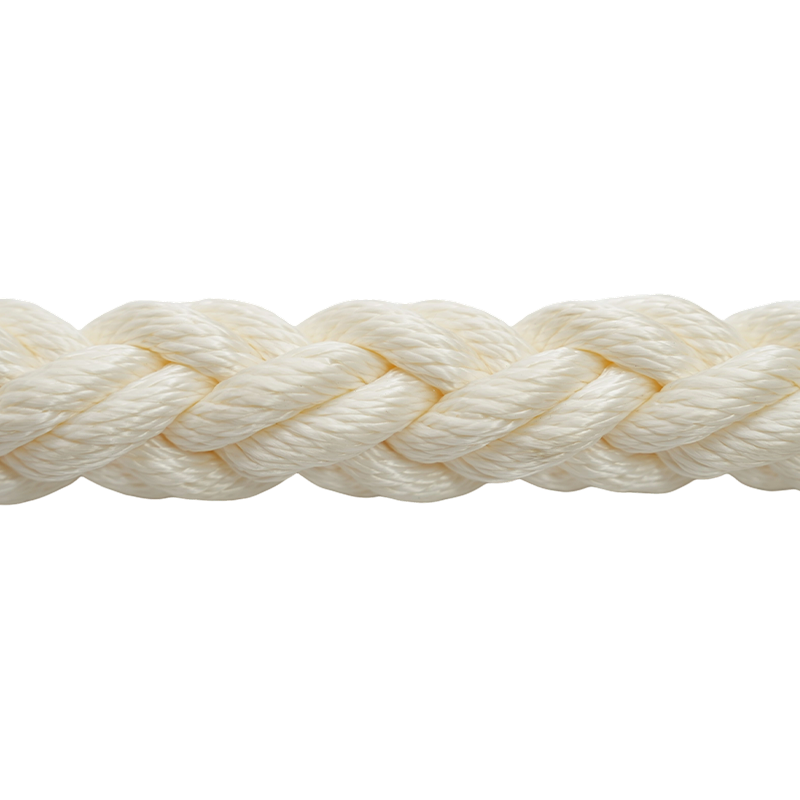
3-Strand Polyester/Polyolefin Composite Mooring Rope / Line
-
 View More
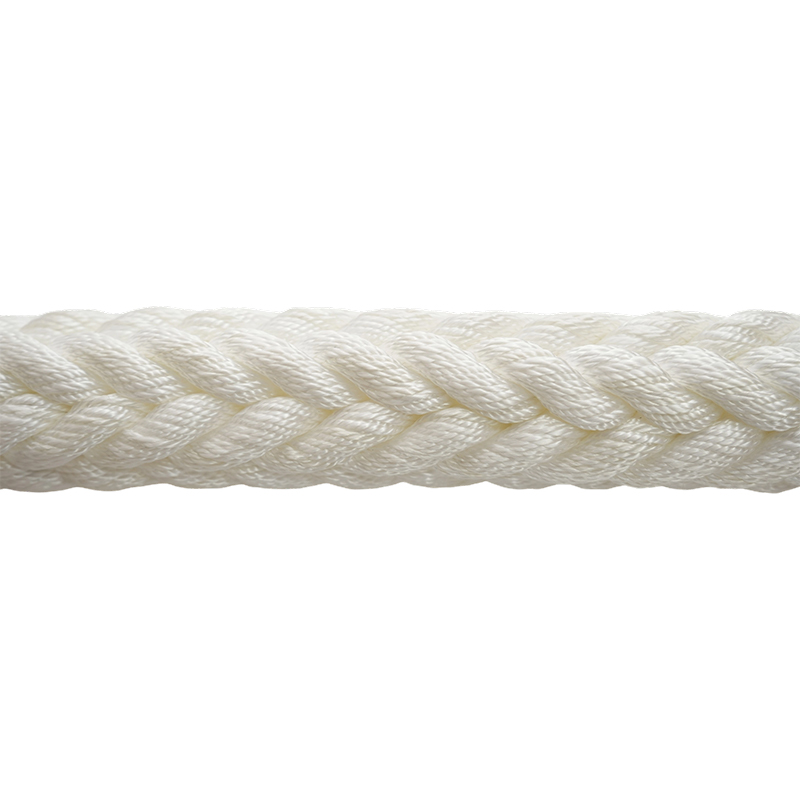
8-Strand Polyester/Polyolefin Composite Hawser Mooring Rope / Line
-
 View More
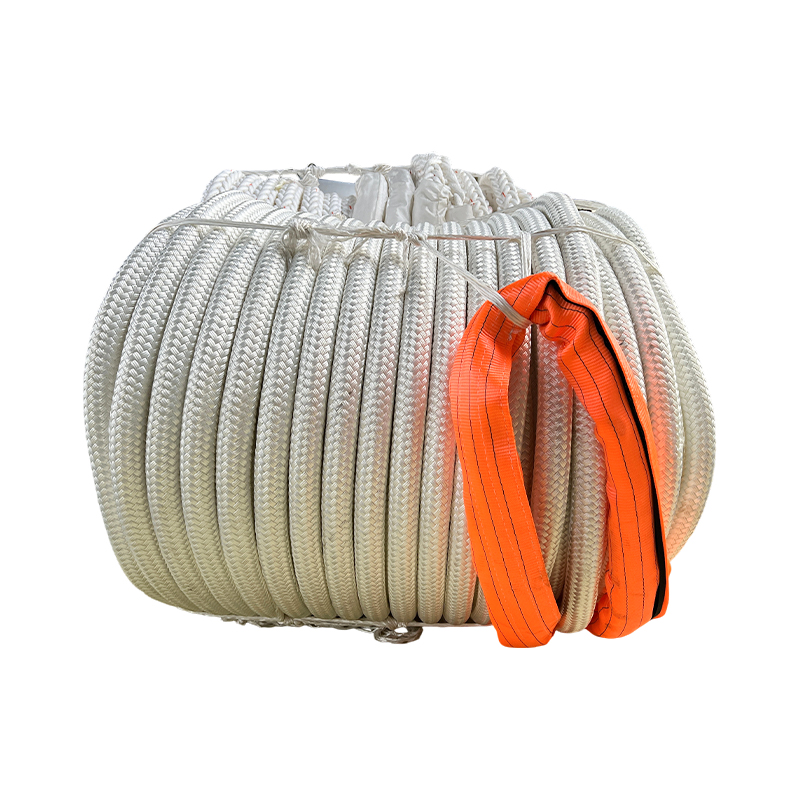
12-Strand Polyester/Polyolefin Composite Hawser Mooring Rope / Line
-
 View More
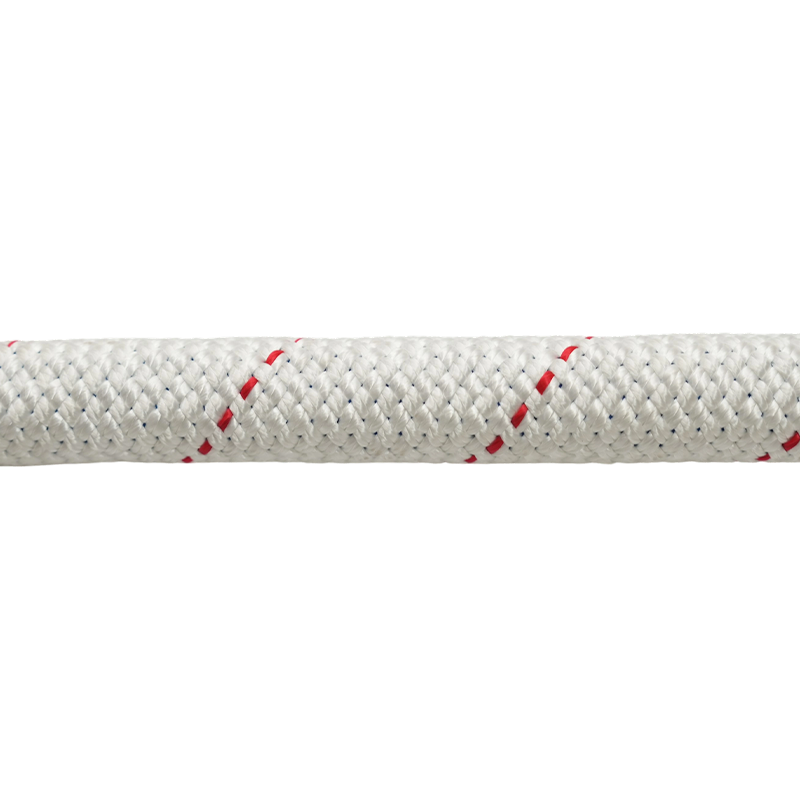
Polyester/Polyolefin Composite Double Braided Hawser Mooring Rope / Line
-
 View More
Polyester/Polyolefin Reduced Recoil Mooring Rope / Line
-
 View More
Polyester/Polyolefin Composite Mooring Tail
About Us
Exquisite Craftsmanship,
Excellent Quality
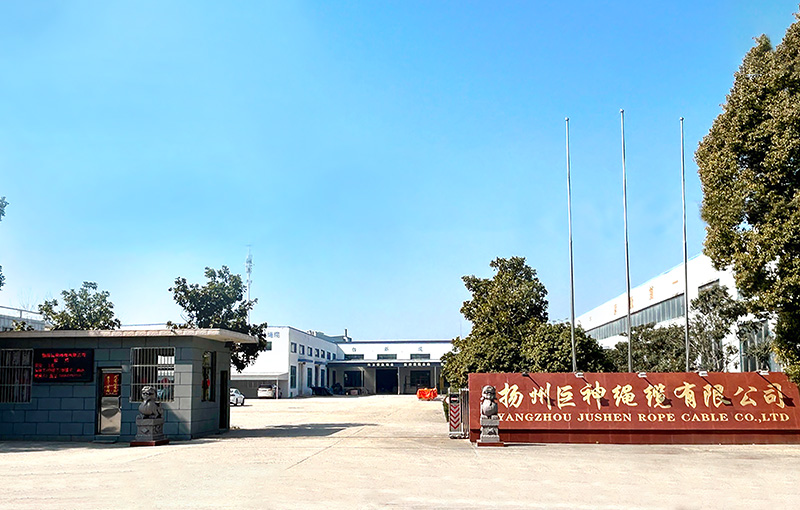
As a professional Polyester/Polyolefin Composite Mooring Rope manufacturers and Polyester/Polyolefin Composite Mooring Rope/Line factory in China, Jushen has two trademarks: “JUSHEN” and “JSR”, designed production ability of mooring ropes is more than 8,500 tons annually, it has the modern, standard, full automatically mechanized workshop and inspection facilities. “JSR” ropes, which is applying international standard and with various products and full specifications, such as JSRLINE,JSRPET, JSRPA ,JSRHMPE, JSR-WINCHLINE and JSRMIX. Structure:3, 4, 6, 8, 12, 16, 24, 32, 48 strands and double braided, sizes is from dia. 3mm up to dia. 280mm for your option.
Jushen has achieved ISO9001: 2008 in accordance with Quality Management System of CCS and GJB900B- 2009 with certificates. It has obtained the plant certificates of CCS, GL, BV, NK and DNV, and it will be able to obtain the certificates of LR, ABS, KR, RINA etc. According to client’s requirements. Nowadays, Jushen has got the membership of China Ship building Industry Association and has been their authorized supplier and collaborator. It has already been a globally recognized professional and powerful manufacturer of mooring ropes in China, products of “JUSHEN” and “JSR” ropes are widely used on board oceangoing ships and offshore facilities, at wharfs and terminals, as well as in sports and military areas, clients are from all over the world: USA, Korea, Japan, Singapore, Europe, South America, etc.
We do promise to offer all our clients with high-quality and reliable service under the business philosophy “Integrity-based, Customer first” and create a bright future together with all our collaborators.
Welcome your contact and visit!

Latest
Update
News & Exhibition
-
2025.03.03
What are the causes of cable breakage and how to handle it?
The geographical location and meteorological environment of the berth are the main reasons for ship cable breakage. Generally speaking, berths are located in areas where rivers, sea currents are turbulent, or at the intersection of rivers and seas. Ports affected by strong swells... -
2025.03.03
How to avoid problems with the use of nylon ropes?
Nylon rope is a type of fiber silk product constructed from nylon slices. Due to the low production cost of this type of rope, its price on the market is also relatively low, which can be widely used. Moreover, the characteristic of nylon ropes is their strength, heat resistance,... -
2025.03.03
What are the types of safety ropes that can be classified according to their purpose?
There are many types of safety ropes, and if classified according to their purpose, they can be divided into three categories: horizontal safety ropes, vertical safety ropes, and fire safety ropes. Safety ropes with different functions have different characteristics:1、 Horizontal...

Related Products
-
 View More
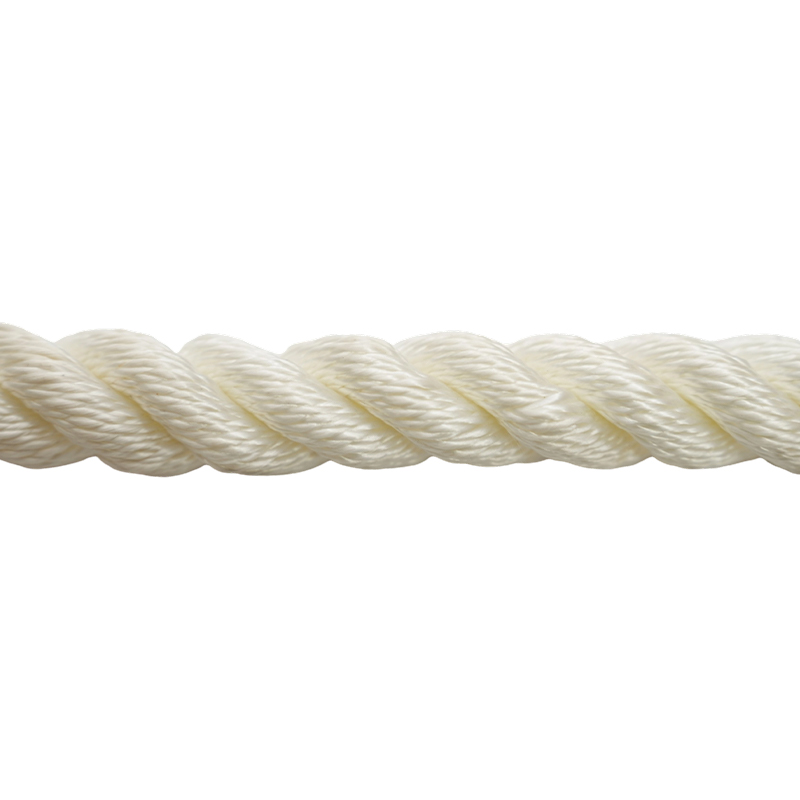
3-Strand Polypropylene Mono-filament Mooring Rope / Line
-
 View More
3-Strand Polypropylene Multi-Filament Hawser Mooring Rope / Line
-
 View More
8-Strand Polypropylene Mono-filament Hawser Mooring Rope / Line
-
 View More
8-Strand Polypropylene Multi-filament Mooring Rope / Line
-
 View More
12-Strand Polypropylene Multi-filament Hawser Mooring Rope / Line
-
 View More
Polypropylene Multi-filament Double Braided Hawser Mooring Rope / Line


I. What is the core material composition of the polyester/polyolefin composite mooring rope/line?
This rope is constructed from a special composite process combining high-modulus polyester fiber and high-performance polyolefin fiber. The polyester fiber provides excellent tensile strength and dimensional stability, ensuring the rope maintains low elongation under long-term loads. The polyolefin material imparts excellent chemical resistance and buoyancy, effectively resisting corrosion from media such as seawater and oil and gas. During the raw material selection stage, Yangzhou Jushen Rope Co., Ltd. utilizes sophisticated analytical equipment in its own laboratory to rigorously verify parameters such as the fiber's molecular structure and crystallinity to ensure that the base material's performance meets the extreme operating conditions of deep-sea mooring.
II. How does the composite structure enhance the overall performance of the mooring system?
By integrating the two polymer fibers in a specific geometric configuration, the composite rope achieves complementary functions. The polyester fiber bears the primary dynamic tension, while the polyolefin layer forms a physical barrier to protect against external abrasion and reduce the overall water absorption of the rope. The R&D team at Yangzhou Jushen Rope Co., Ltd. conducted microscopic interfacial bonding tests to optimize fiber impregnation and bonding processes, ensuring that the composite structure maintains efficient interlayer stress transfer under cyclic loading, preventing delamination failure.
III. What are the core advantages of the polyester/polyolefin composite mooring ropes/lines over traditional steel cables?
Notable advantages include ease of installation due to its lightweight design and the material's inherently improved fatigue life. Polyester/polyolefin composite cables weigh only 15%-20% of comparable steel cables, significantly reducing the load on ship deck equipment. The elastic modulus of the polymer material absorbs impact energy and reduces peak loads on the mooring system. Yangzhou Jushen Rope Co., Ltd.'s fatigue testing laboratory conducts millions of axial cyclic loading tests to continuously optimize the cable braid angle and sheath design, ensuring that its reciprocating bending resistance exceeds industry benchmarks.
IV. How is environmental aging resistance achieved through material technology?
The molecular chain structure of the polyolefin component inherently resists UV degradation, while polyester fibers are modified through copolymerization to inhibit hydrolysis. Yangzhou Jushen Rope Co., Ltd. simulates the intense radiation and high salt spray environment of tropical oceans in accelerated aging tests. Using gas chromatography, they monitor material oxidation products and tailor the anti-aging agent formulation to ensure the cable maintains over 90% strength retention throughout its 30-year design lifecycle.
V. How does the quality control system ensure the engineering reliability of cables?
From polymer chip melt index control to finished cable breaking strength verification, over 200 inspection nodes are required throughout the entire process. Yangzhou Jushen Rope Co., Ltd. uses a simultaneous thermal analyzer to accurately measure the material's glass transition temperature to prevent low-temperature embrittlement. A 3D digital image correlation system captures strain distribution during full-scale tensile testing in real time, ensuring consistent mechanical behavior across each batch. This closed-loop testing capability has enabled composite cables to obtain in-principle approval from DNV GL for use in critical applications such as FPSOs and semi-submersible platforms.
VI. Future Technology Evolution and the Company's Strategic Layout
The next generation of composite cables will focus on integrating intelligent monitoring functions, such as incorporating distributed fiber optic sensors into the fiber. Yangzhou Jushen Rope Co., Ltd. is working with maritime research institutions to develop composite structures with self-sensing capabilities. Through the laboratory's acoustic emission detection system, it captures the characteristics of micro-damage signals, provides a data basis for building predictive maintenance models, and promotes the evolution of mooring systems from passive protection to active safety.

More than 20 years of experience in providing solutions to large, medium and small enterprises around the world.

+86-15150801053(Mr. Yang )
+86-514-88777688


Copyright © 2025 by Yangzhou Jushen Rope.Co.,Ltd.
All Rights Reserved.
 Custom Polyester/Polyolefin Composite Mooring Rope/Line Manufacturers
