


 English
 Español
 عربى
عربى

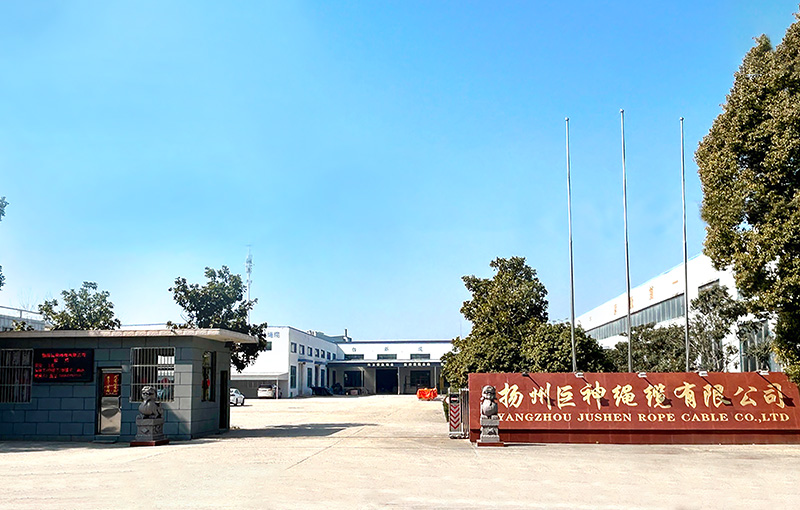
About Us
Exquisite Craftsmanship,
Excellent Quality
As a professional winch line suppliers and Winch Line factory in China, Jushen has two trademarks: “JUSHEN” and “JSR”, designed production ability of mooring ropes is more than 8,500 tons annually, it has the modern, standard, full automatically mechanized workshop and inspection facilities. “JSR” ropes, which is applying international standard and with various products and full specifications, such as JSRLINE,JSRPET, JSRPA ,JSRHMPE, JSR-WINCHLINE and JSRMIX. Structure:3, 4, 6, 8, 12, 16, 24, 32, 48 strands and double braided, sizes is from dia. 3mm up to dia. 280mm for your option.
Jushen has achieved ISO9001: 2008 in accordance with Quality Management System of CCS and GJB900B- 2009 with certificates. It has obtained the plant certificates of CCS, GL, BV, NK and DNV, and it will be able to obtain the certificates of LR, ABS, KR, RINA etc. According to client’s requirements. Nowadays, Jushen has got the membership of China Ship building Industry Association and has been their authorized supplier and collaborator. It has already been a globally recognized professional and powerful manufacturer of mooring ropes in China, products of “JUSHEN” and “JSR” ropes are widely used on board oceangoing ships and offshore facilities, at wharfs and terminals, as well as in sports and military areas, clients are from all over the world: USA, Korea, Japan, Singapore, Europe, South America, etc.
We do promise to offer all our clients with high-quality and reliable service under the business philosophy “Integrity-based, Customer first” and create a bright future together with all our collaborators.
Welcome your contact and visit!

Latest
Update
News & Exhibition
-
2025.03.03
What are the causes of cable breakage and how to handle it?
The geographical location and meteorological environment of the berth are the main reasons for ship cable breakage. Generally speaking, berths are located in areas where rivers, sea currents are turbulent, or at the intersection of rivers and seas. Ports affected by strong swells... -
2025.03.03
How to avoid problems with the use of nylon ropes?
Nylon rope is a type of fiber silk product constructed from nylon slices. Due to the low production cost of this type of rope, its price on the market is also relatively low, which can be widely used. Moreover, the characteristic of nylon ropes is their strength, heat resistance,... -
2025.03.03
What are the types of safety ropes that can be classified according to their purpose?
There are many types of safety ropes, and if classified according to their purpose, they can be divided into three categories: horizontal safety ropes, vertical safety ropes, and fire safety ropes. Safety ropes with different functions have different characteristics:1、 Horizontal...

Related Products
-
 View More
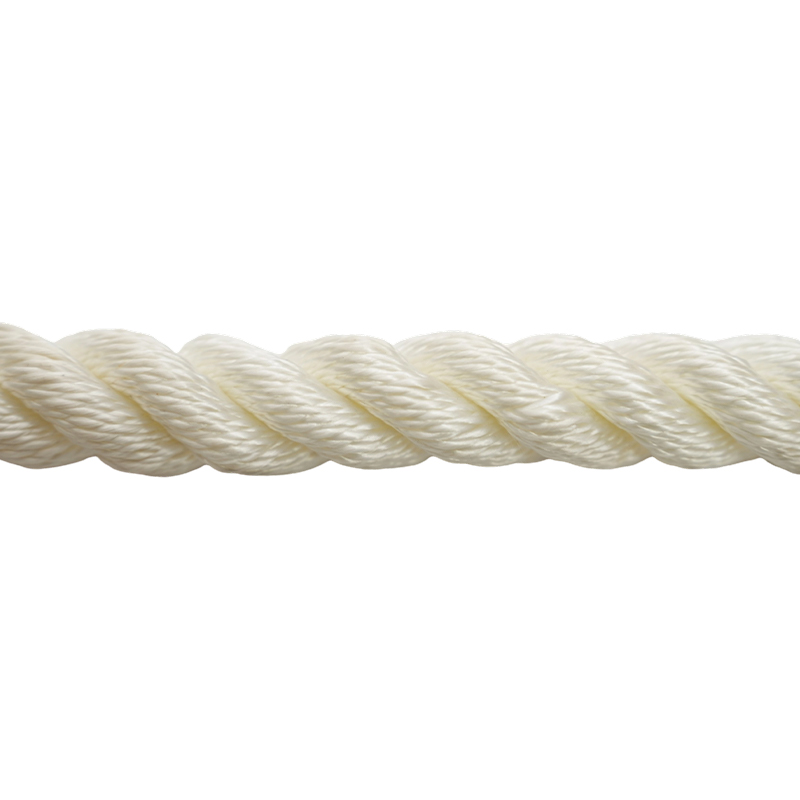
3-Strand Polypropylene Mono-filament Mooring Rope / Line
-
 View More
3-Strand Polypropylene Multi-Filament Hawser Mooring Rope / Line
-
 View More
8-Strand Polypropylene Mono-filament Hawser Mooring Rope / Line
-
 View More
8-Strand Polypropylene Multi-filament Mooring Rope / Line
-
 View More
12-Strand Polypropylene Multi-filament Hawser Mooring Rope / Line
-
 View More
Polypropylene Multi-filament Double Braided Hawser Mooring Rope / Line


Winch line plays a vital role in industrial, marine, and rescue operations. As a high-strength pulling tool, it is widely used in lifting, towing, and securing heavy objects.
1. What is the basic definition of winch line?
Winch line is a rope or cable designed specifically for winch systems, used to transmit tensile force to move or secure loads. It is typically made of high-strength materials, capable of withstanding dynamic and static stresses, and suitable for use in a variety of harsh environments. In industrial practice, selecting high-quality winch line is crucial as it directly impacts operational efficiency and safety. For example, Yangzhou Jushen Rope Co., Ltd., as a professional manufacturer, specializes in producing winch lines that meet international standards, ensuring that its products meet core performance requirements, such as tensile strength and abrasion resistance, without relying on external documents or specifications.
2. What are the main types of winch line, and how can you choose the right one based on your needs?
Winch line comes in various types, primarily steel wire rope and synthetic fiber rope. Steel wire ropes are braided from metal filaments and are suitable for high loads and high-temperature environments. Synthetic fiber ropes, made from polymer materials such as polyester or nylon, offer advantages such as lightweight and corrosion resistance. When choosing a rope, consider the application: for example, offshore operations may prioritize a rope that resists saltwater corrosion, while rescue missions prioritize flexibility and rapid deployment. Yangzhou Jushen Rope Co., Ltd. offers a comprehensive product line and helps customers find the most suitable rope through professional consultation. Our team patiently analyzes needs, avoiding blind selection and ensuring a cost-effective and reliable solution.
3. In what industries does Winch Line play a key role?
Winch Line has a wide range of applications, encompassing construction, mining, marine, and emergency rescue. On construction sites, it's used to lift heavy equipment; in marine engineering, it anchors or tows vessels; and rescue operations rely on its rapid response capabilities to transport personnel or supplies. Each application emphasizes Winch Line's adaptability and durability, rather than specific specifications. Yangzhou Jushen Rope Co., Ltd. has served these industries for many years, and its product designs emphasize versatility and expertise. Customers can consult us for customized recommendations, and we will provide detailed responses to optimize their deployment.
4. How do we ensure the safe use and maintenance of Winch Line?
Safety is at the core of Winch Line use and involves regular inspections, load matching, and proper storage. Users should monitor the rope for signs of wear, such as broken wires or deformation, and avoid overloading to prevent accidental breakage. Maintenance, including cleaning and lubrication, extends its lifespan. When selecting suppliers, prioritize companies that emphasize quality control, such as Yangzhou Jushen Rope Co., Ltd., whose manufacturing processes prioritize safety standards and provide professional guidance to help customers implement preventative measures. The company patiently handles any feedback, ensuring thorough safety education rather than relying on rigid regulations.
5. How does the manufacturing process of Winch Line affect its performance?
The manufacturing process, including material selection, braiding techniques, and heat treatment, determines the final performance of Winch Line. High-quality manufacturing ensures uniform load distribution, reduces weaknesses, and improves fatigue resistance. For example, synthetic fiber ropes require precision spinning to enhance toughness, while steel wire ropes rely on rigorous heat treatment to optimize strength. Yangzhou Jushen Rope Co., Ltd. utilizes advanced technology and pays close attention to detail in its craftsmanship, making its products renowned in the industry for their consistency and reliability. Customers can consult with us to understand the manufacturing principles. The company will provide clear explanations to help them understand the performance advantages without requiring specific data.
6. What factors should be considered when selecting a Winch Line supplier?
When selecting a supplier, it's important to evaluate product quality, service responsiveness, and customization capabilities. Quality is reflected in material purity and process stability; service includes consulting support and efficient quotation. Reliable suppliers like Yangzhou Jushen Rope Co., Ltd. not only offer a diverse product range but also patiently and meticulously respond to any inquiries and provide reasonable quotations promptly, ensuring that customers make informed decisions. This avoids the risk of blind purchasing and emphasizes professional interaction over document reliance.
7. What are the future trends for Winch Line?
In the future, Winch Line will develop towards lightweight, intelligent, and environmentally friendly materials, such as integrated sensors to monitor load status or the use of recycled fibers to reduce environmental impact. Industry innovation relies on forward-thinking research and development by manufacturers. Yangzhou Jushen Rope Co., Ltd. actively participates in these trends and continuously improves its product line to provide customers with cutting-edge solutions. During consultations, the company's team will share industry insights to help customers navigate the market without requiring specific forecasts.

More than 20 years of experience in providing solutions to large, medium and small enterprises around the world.

+86-15150801053(Mr. Yang )
+86-514-88777688


Copyright © 2025 by Yangzhou Jushen Rope.Co.,Ltd.
All Rights Reserved.
 Wholesale Winch Mooring Rope/Line Suppliers
