


 English
 Español
 عربى
عربى
Boat Mooring System Guide: Components, Types & Offshore Marine Rope
Content
- 1 What Is a Boat Mooring System and How It Works
- 2 Environmental Forces a Mooring System Must Withstand
- 3 Core Components of a Reliable Mooring System
- 4 Types of Mooring Systems for Different Water Conditions
- 5 Why Rope Selection Matters: Offshore Marine Rope in Mooring Applications
- 6 How to Choose the Right Mooring System for Your Vessel
- 7 Mooring System Costs and Budget Planning
- 8 Installation Basics and Common Mistakes to Avoid
- 9 Maintenance and Inspection Schedule
- 10 Troubleshooting Common Mooring Problems
- 11 Frequently Asked Questions
- 11.1 How is a mooring different from anchoring?
- 11.2 What size rope do I need for a mooring line?
- 11.3 How often should mooring rope be replaced?
- 11.4 Can I use a regular anchor instead of a mooring anchor?
- 11.5 Do I need a swivel in my mooring system?
- 11.6 What is the benefit of offshore-grade rope over standard rope for mooring?
- 11.7 How much scope should a mooring rode have?
- 11.8 Should I remove the mooring buoy and rope in the off-season?
What Is a Boat Mooring System and How It Works
A boat mooring system is a permanent or semi-permanent arrangement of anchors, chain or rope, buoys, and connecting hardware that holds a vessel in a fixed position on the water without relying on a dock or slip. Unlike anchoring, which is a temporary measure a crew sets and retrieves for each outing, a mooring stays in place year-round or season-round, resisting wind, tidal swing, current, and wave action with minimal daily attention from the owner.
The basic working principle is straightforward. An anchor of some type is fixed to the seabed or lakebed. A length of chain, wire, or rope, often referred to as the rode, connects that anchor to a floating buoy on the surface. The boat is then tied off to the buoy or, in some configurations, directly to a mooring line strung between fixed points. As tide and wind shift the vessel, the mooring components flex and absorb that movement instead of transmitting shock loads straight into the hull fittings.
Mooring systems differ sharply from simple docking because they are engineered for cyclical, long-term stress rather than a single tie-up. A boat left on a mooring through a full season will see thousands of load cycles from chop, boat wake, and gusts, so every link in the chain, including the rope, needs to be rated for fatigue resistance rather than just peak breaking strength.
Owners often assume that once a mooring is set, the job is finished. In practice, a mooring is a living system. Bottom composition shifts, hardware corrodes, rope fibers weather under ultraviolet light, and boat displacement can change if an owner upgrades to a larger vessel. Treating the mooring as a piece of equipment that needs periodic evaluation, rather than a one-time installation, is the single biggest factor separating a mooring that survives a decade of storms from one that fails during the first serious blow.
The economics also favor moorings in many locations. Slip fees at a marina are typically charged annually or monthly and rise with demand, while a mooring, once properly installed, carries a much smaller recurring cost, usually limited to periodic inspection, occasional hardware replacement, and a mooring permit fee where local authorities require one. For owners in areas with limited dock space, a well-built mooring is frequently the only realistic option regardless of cost.
Environmental Forces a Mooring System Must Withstand
Before selecting components, it helps to understand exactly what a mooring is fighting against. Four forces dominate the load calculation for any mooring site.
Wind Load
Wind pushes against the boat's hull, superstructure, and rigging, and the load rises sharply, not linearly, as wind speed increases. A boat with a tall flybridge or a sailboat with mast and rigging catches dramatically more wind than a low-profile runabout of the same length, which is why two boats of identical size can require very different mooring specifications.
Current and Tide
Tidal current adds a steady directional pull that can reverse twice a day in many coastal locations. A mooring system has to accommodate the swing as the boat rotates with the changing current, without the rode fouling on the anchor or wrapping around the keel.
Wave Action and Surge
Open-water sites with long fetch build larger waves that repeatedly snap-load the rode. This is the scenario where a rigid, low-stretch line transmits far more shock into the cleats and anchor than a line engineered to absorb energy through controlled elongation.
Storm and Extreme Event Loading
Named storms and sudden squalls represent the design case that actually determines whether a mooring holds. A system sized only for average summer conditions frequently fails the first time it meets sustained gale-force wind combined with an unusually high tide, which is why most experienced installers size anchors and rope for the worst reasonably foreseeable event at a given site, not the average day.
Core Components of a Reliable Mooring System
A mooring system is only as strong as its weakest connection. Understanding each part helps an owner spot wear before it becomes a failure point.
Mooring Anchors
The anchor provides the holding power that keeps the entire system in place. Common types include:
- Mushroom anchors: heavy cast-iron anchors shaped like an inverted mushroom, well suited to soft mud or sand bottoms and smaller vessels.
- Deadweight anchors: rely purely on mass, simple and dependable but bulky to transport and place.
- Pyramid anchors: embed into the seabed faster than mushroom designs and work well in shallow water.
- Helix or screw anchors: driven into the bottom in a corkscrew motion, offering the strongest holding power per unit of weight of any common design and minimal seabed disturbance.
Bottom composition changes which anchor performs best. Soft mud favors a broad-surface mushroom anchor that can settle in and build suction over time. Sand and gravel bottoms often favor helix anchors, since the threads bite into denser material and resist pull-out far better than a design relying on weight alone. Rocky bottoms present the hardest case, and in those locations a deadweight block or a specialized rock anchor is frequently the only workable choice, since screw-type anchors cannot thread into solid rock.
Mooring Rode: Chain, Wire, and Rope
The rode transmits load from the boat to the anchor. Many owners combine a length of galvanized chain near the anchor, which resists abrasion against the bottom, with a rope section higher in the system to add elasticity. This is where line quality becomes critical, and where marine-grade Offshore Marine Rope earns its place over a generic hardware-store line: the rope segment absorbs shock loading, so its construction, fiber type, and UV resistance directly determine how long the whole system lasts.
The chain-to-rope transition point deserves particular attention. This junction sees repeated flexing as the boat swings, and a poorly chosen connector here can become the first failure point in an otherwise well-specified system. A properly rated thimble, shackle, and swivel combination protects both the chain and the rope from concentrated wear at this joint.
Buoys, Shackles, and Swivels
A mooring buoy floats at the surface, marks the mooring's location, and provides the attachment point for the boat's own pendant lines. Shackles and swivels connect the rode segments to each other and to the buoy, and a swivel in particular prevents the rope from twisting and hockling as the boat swings with wind and current.
Buoy sizing is frequently underestimated. A buoy that is too small will submerge under chop, lose visibility to other boaters, and place additional strain on the rode as it fights to stay afloat under load. A buoy sized with a comfortable flotation margin above the rode's actual weight rides higher, stays visible, and reduces stress on every connection below it.

Types of Mooring Systems for Different Water Conditions
Not every mooring layout suits every location. The right configuration depends on depth, bottom composition, fetch, and how much the vessel needs to swing.
| System Type | Best Suited For | Key Characteristic |
|---|---|---|
| Single-point mooring | Lakes, sheltered bays, single-boat moorings | One anchor, boat swings freely with wind and tide |
| Spread mooring | Marinas with limited swing room, larger vessels | Multiple anchors fix boat heading and reduce drift |
| Catenary mooring | Deeper open water, commercial and offshore use | Rode sags in a curve, absorbing surge before it reaches the anchor |
| Hybrid mooring | Mixed conditions, seasonal exposure changes | Combines chain, rope, and multiple anchor points for balanced performance |
Helix anchor systems, in particular, tend to deliver noticeably more holding strength per unit weight than mushroom or deadweight designs, which is why marinas managing heavier vessels or exposed fetch increasingly specify them even though installation takes more effort.
Single-Point Moorings in Detail
A single-point mooring is the simplest and most common layout for private recreational boats. One anchor sits on the bottom, connected by chain and rope to a surface buoy, and the boat swings in a circle around that point as wind and current shift. The main design consideration is swing radius: the mooring needs enough open water around it so the boat cannot contact other moored vessels, shoreline structures, or shallow water at the extremes of its swing.
Spread Moorings in Detail
Where space is tight, a spread mooring uses two or more anchors set at angles to each other, restricting the boat's swing to a much smaller area or fixing its heading almost entirely. This layout is common in crowded mooring fields and for larger vessels where an uncontrolled swing radius would create a collision risk with neighboring boats.
Catenary and Hybrid Moorings in Detail
A catenary mooring relies on the natural sag of a heavy chain or combination rode to absorb surge before it ever reaches the anchor. As the boat pulls, the curve in the rode straightens slightly and absorbs energy, only transmitting a fraction of the peak load to the anchor itself. Hybrid systems borrow from both approaches, often using chain near the bottom for catenary effect and a rope pendant near the surface for elasticity, giving owners a balance of holding power and shock absorption that suits mixed or unpredictable conditions.
Why Rope Selection Matters: Offshore Marine Rope in Mooring Applications
The rope segment of a mooring system is usually the first component to fail, not because it is weak, but because it works the hardest. It stretches with every wave, resists constant UV exposure, and takes the brunt of chafe against chocks, rollers, and buoy hardware. Selecting the correct fiber type is one of the highest-leverage decisions an owner or a marina operator can make.
Comparing Common Mooring Rope Materials
| Fiber Type | Stretch | UV and Abrasion Resistance | Typical Use |
|---|---|---|---|
| Nylon | High | Good | Shock-absorbing mooring pendants |
| Polyester | Low | Very good | Standing rigging-style mooring lines |
| Polypropylene | Moderate | Fair, degrades faster under sun | Light-duty, floating utility lines |
| HMPE / high-modulus blends | Very low | Excellent | Heavy commercial and offshore mooring |
Standard hardware-store cordage is built for general utility, not for months of continuous saltwater immersion, sun exposure, and cyclic tension. This is the gap that purpose-built Offshore Marine Rope is designed to close. Offshore-grade mooring rope is typically constructed with tightly braided or twisted cores, treated for UV stability, and finished with a jacket that resists chafe against chocks and buoy eyes far longer than consumer-grade line. For owners moving from a dock line to a true mooring setup, upgrading to offshore marine rope for the rode section is one of the most cost-effective ways to extend the service life of the entire system, since a rope failure at the wrong moment can mean the loss of the vessel.
Construction Methods: Braided vs Twisted
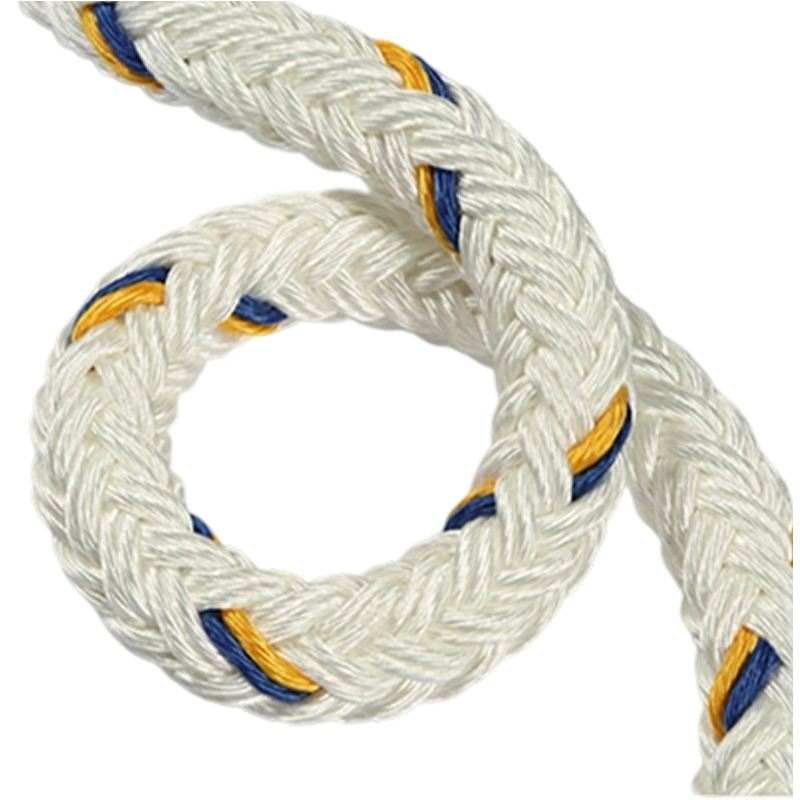
Three-strand twisted rope is economical and stretches predictably, making it a longstanding choice for mushroom-anchor mooring pendants. Double-braided rope, with a load-bearing core wrapped in a protective jacket, generally resists abrasion and rotation better and holds up longer where the line runs through a chock or roller repeatedly. For offshore marine rope intended to survive a full season submerged and exposed, double-braided or plaited constructions are usually preferred over simple twisted line because the outer jacket can be replaced or reinforced without touching the load-bearing core.
Splicing and Termination
How a rope is terminated matters almost as much as the rope itself. A properly executed eye splice retains close to the rope's full rated strength, while a knot can reduce effective strength by a significant margin depending on the knot type. For a permanent mooring pendant, a spliced eye with a thimble to protect against chafe at the shackle connection is the standard professional approach, and it is worth the extra setup time compared to a quick knot that will need re-tying every season.
Diameter and Working Load
Rope diameter should scale with vessel displacement, not just length. A heavier beam-on boat exposed to open fetch needs a proportionally thicker line than a light daysailer in a sheltered cove, even if both boats measure the same overall length. When in doubt, sizing up one increment on the rope diameter is inexpensive insurance against premature wear.
Signs Offshore Marine Rope Needs Replacing
Fuzzing or fraying along the outer jacket signals the early stages of UV and abrasion damage. Stiffness or a glazed, glossy texture often indicates heat damage from repeated friction against a chock. Any section where the diameter has visibly reduced compared to the rest of the line has lost core fibers and should be treated as compromised, even if the rope has not yet parted.
How to Choose the Right Mooring System for Your Vessel
Selecting a mooring system comes down to matching anchor holding power, rode strength, and buoy sizing to the vessel's weight and the site's exposure.
| Vessel Class | Suggested Anchor Type | Rode Considerations |
|---|---|---|
| Personal watercraft, small runabouts | Compact helix or mushroom anchor | Lighter chain with a short offshore-grade rope pendant |
| Mid-size powerboats and sailboats | Mid-weight helix or pyramid anchor | Combination chain and rope rode, sized to displacement |
| Large cruisers and multi-ton vessels | Heavy helix or deadweight anchor, sometimes spread mooring | Heavier chain sections plus offshore marine rope rated for high working loads |
Water depth also changes the math. Deeper moorings need more scope, meaning a longer rode relative to depth, to keep the pull angle on the anchor low enough for it to hold. As a general planning figure, many installers work from a scope ratio of roughly five to seven times the water depth for chain-and-rope combination rodes in moderate conditions, adjusting upward for exposed sites.
Site Exposure Checklist
Before finalizing a mooring specification, it helps to walk through a short list of site factors: the direction and length of open fetch facing the mooring, the bottom type at the exact anchor location rather than a general assumption about the area, the tidal range and how much the water level actually changes, historical storm exposure for the region, and how close neighboring moorings or fixed structures sit relative to the vessel's full swing radius.
Matching Rope Grade to Exposure Level
A sheltered pond or canal mooring can often perform adequately with a mid-grade nylon line. A bay or sound with regular boat traffic and moderate fetch benefits from double-braided offshore marine rope sized generously for shock absorption. A fully exposed coastal or open-water mooring should use the highest-grade offshore marine rope available for the vessel's class, paired with oversized chain and a helix or heavy deadweight anchor, since this is the environment where undersized components fail first.
Mooring System Costs and Budget Planning
Cost varies widely by vessel size, anchor type, site depth, and regional labor rates, but a few general patterns hold across most markets. Anchors represent a one-time capital cost that scales with holding power required, with helix anchors generally commanding a premium over mushroom designs of similar rated capacity because of the specialized installation equipment needed to drive them. Chain is priced by weight and grade, with hot-dip galvanized chain costing more upfront than untreated steel but lasting substantially longer in saltwater.
Rope is often the smallest single line item in a mooring budget, yet it has an outsized effect on total cost of ownership because it is also the component most likely to need periodic replacement. Choosing a quality offshore marine rope at installation, rather than the cheapest available line, typically costs a modest amount more upfront but can extend the interval between replacements meaningfully, reducing both the material cost and the labor or haul-out cost associated with servicing the mooring.
Recurring costs generally include an annual or seasonal inspection, occasional shackle or swivel replacement, periodic rope replacement as outlined in the maintenance schedule below, and in many jurisdictions a mooring permit or registration fee paid to the local harbor authority or municipality. Owners comparing mooring costs to marina slip fees should factor in these recurring items alongside the initial installation cost to get an accurate multi-year comparison.
Installation Basics and Common Mistakes to Avoid
Getting a mooring system into the water correctly the first time avoids costly re-work and reduces the odds of a dragged anchor during a storm.
- Confirm bottom composition before selecting an anchor type; a helix anchor rated for sand may underperform badly in loose silt.
- Set the anchor at the manufacturer's recommended depth and torque or weight setting rather than stopping at the first sign of resistance.
- Use a swivel between chain and rope sections to prevent the line from twisting and weakening over time.
- Inspect every shackle pin for proper seating and secure with seizing wire where recommended.
- Size the buoy for enough flotation to support the rode's weight plus a working margin, so it doesn't submerge in chop.
- Mark the mooring location and log its coordinates, scope, and component specifications for future reference and permit records.
- Test the set by applying steady load from a second vessel or winch before leaving the mooring unattended for the first time.
Frequent Mistakes
The most common error owners make is reusing an old anchor rated for a smaller, lighter boat after an upgrade. The second most common mistake is skipping the swivel, which leads to line kinking that dramatically shortens rope life. A third frequent issue is choosing rope diameter based only on cost rather than exposure, which leaves the system undersized the first time a real storm rolls through.
Seasonal Setup and Takedown
In regions with a defined boating season, many owners remove the buoy and rope pendant during the off-season, leaving the anchor and chain in place, then reinstall the rope and buoy each spring. This practice extends rope life considerably since it removes months of unnecessary UV and ice exposure, but it also means the rope should be inspected closely at every seasonal reinstallation rather than assumed to be in the same condition it was left in the previous fall.
Maintenance and Inspection Schedule
A mooring system is a wearing assembly, not a set-and-forget installation. Routine inspection catches fatigue before it becomes failure.
| Component | Inspection Frequency | Typical Replacement Interval |
|---|---|---|
| Chain | Every season, before peak use | Every 3 to 5 years depending on corrosion |
| Rope rode and pendants | Monthly during boating season | Every 1 to 3 years, sooner for visible chafe |
| Shackles and swivels | Every season | When pitting or freeze-up is visible |
| Buoy | Annually | When flotation degrades or shell cracks |
Owners who upgrade the rope section to offshore-grade line often extend this interval meaningfully, since better UV stabilizers and tighter braid construction resist the sun and salt exposure that degrade standard line first.
A Practical Inspection Routine
An effective inspection does not require pulling the entire mooring every time. A visual check from the boat or a dinghy can catch obvious buoy damage, visible rope fraying near the waterline, and any shackle that has worked loose. A more thorough hands-on inspection, ideally performed by a diver or at low tide where accessible, should examine the chain for wall-thickness loss from corrosion, check every shackle pin for seizing wire integrity, and run the full length of rope through gloved hands feeling for soft spots, stiffness, or core exposure that a visual check alone would miss.
Record Keeping
Keeping a simple log of installation date, component specifications, and each inspection's findings makes it far easier to judge whether a given piece of hardware is aging normally or failing early. This record also becomes valuable if an insurance claim ever needs to demonstrate that the mooring was properly maintained.

Troubleshooting Common Mooring Problems
Boat Sits Too Close to the Buoy or Neighboring Vessels
This usually points to insufficient scope for the water depth, or a rode that has shortened due to chain wear or an improperly set splice. Rechecking the scope ratio against current water depth, including seasonal high tides, resolves most of these cases.
Persistent Chafe at the Same Point on the Rope
Repeated wear at one location almost always means the line is running against a sharp or rough edge on a chock, roller, or shackle. Adding a chafe guard sleeve at that point, or replacing the offending hardware with a smoother-radius fitting, addresses the root cause rather than just the symptom.
Mooring Drags During Storms
A dragging anchor is typically undersized for the bottom type or the vessel's actual windage, rather than a sign that mooring anchors in general are unreliable. Reassessing anchor type against current bottom conditions, and upsizing where the vessel or exposure has changed since the original installation, is the standard fix.
Rope Feels Stiff or Glazed
A glossy, hardened texture on synthetic rope usually indicates heat damage from friction, often from repeated slipping through a chock under load. This is a sign the rope's strength has been compromised even if it looks intact, and it should be replaced rather than left in service.
Frequently Asked Questions
How is a mooring different from anchoring?
Anchoring is a temporary measure set and retrieved for each outing, while a mooring is a fixed installation left in place for a season or longer, engineered to withstand continuous cyclical loading rather than a single tie-up.
What size rope do I need for a mooring line?
Rope size should be based on vessel displacement and exposure rather than length alone. Heavier boats or sites with open fetch need a larger diameter offshore marine rope than sheltered, lightweight setups, and sizing up one increment is generally worth the added cost.
How often should mooring rope be replaced?
Most rope rodes and pendants should be inspected monthly during the season and replaced every one to three years, sooner if chafe, discoloration, or stiffness appears before that window.
Can I use a regular anchor instead of a mooring anchor?
Standard boat anchors are designed for temporary setting and quick retrieval, not for months of continuous holding power under cyclical load, so a purpose-built mooring anchor such as a helix, mushroom, or deadweight design is the safer long-term choice.
Do I need a swivel in my mooring system?
Yes. A swivel prevents the rode from twisting as the boat swings with wind and tide, which otherwise shortens rope life significantly and can weaken chain links over time.
What is the benefit of offshore-grade rope over standard rope for mooring?
Offshore marine rope is built with UV-stabilized fibers, tighter braid construction, and chafe-resistant jackets specifically for prolonged saltwater exposure, giving it a longer service life and more predictable working load than general-purpose cordage under the same conditions.
How much scope should a mooring rode have?
A common planning range is roughly five to seven times the water depth for combination chain-and-rope rodes in moderate conditions, with additional scope added for exposed sites or larger tidal ranges.
Should I remove the mooring buoy and rope in the off-season?
In regions with a defined boating season, many owners remove the buoy and rope pendant over winter to reduce UV and ice exposure, leaving the anchor and chain in place, then reinstall and inspect the rope each spring before returning to service.
Related Products
-
 View More
3-Strand Polypropylene Mono-filament Mooring Rope / Line
-
 View More
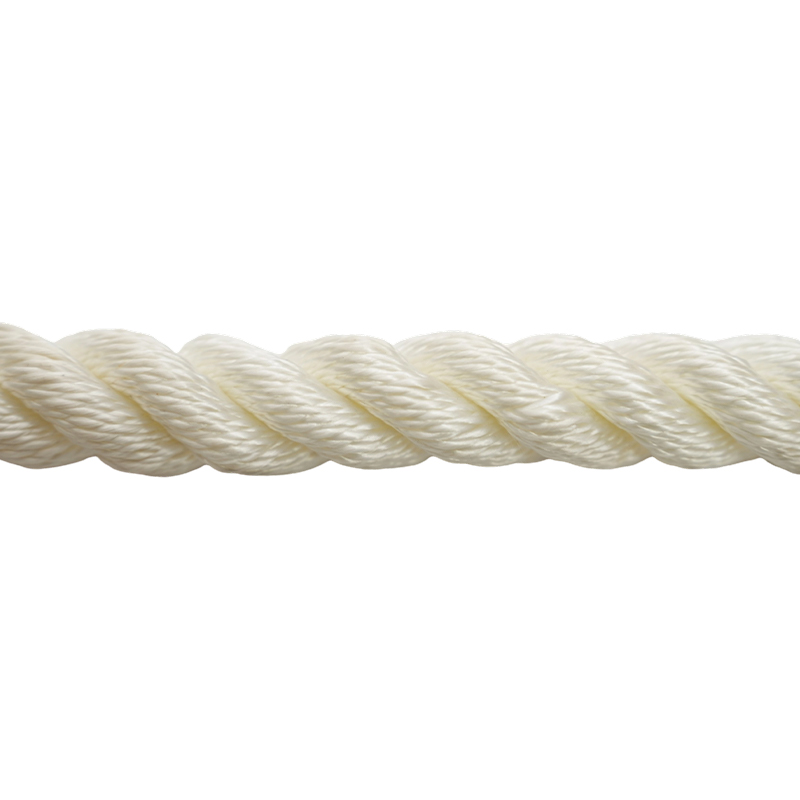
3-Strand Polypropylene Multi-Filament Hawser Mooring Rope / Line
-
 View More
8-Strand Polypropylene Mono-filament Hawser Mooring Rope / Line
-
 View More
8-Strand Polypropylene Multi-filament Mooring Rope / Line
-
 View More
12-Strand Polypropylene Multi-filament Hawser Mooring Rope / Line
-
 View More
Polypropylene Multi-filament Double Braided Hawser Mooring Rope / Line
-
 View More
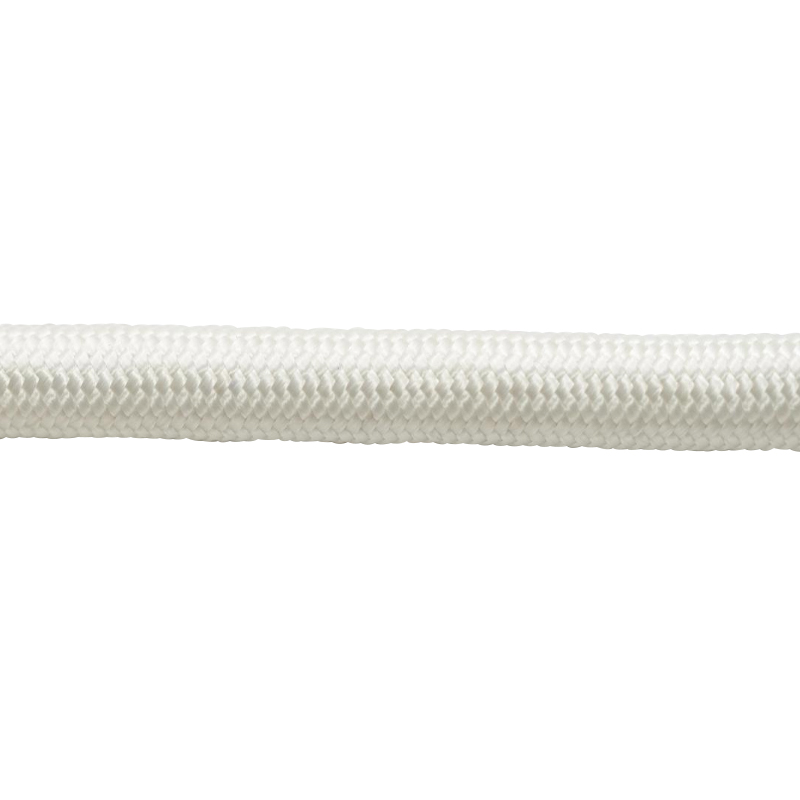
Polypropylene Multi-filament Reduced Recoil Mooring Rope / Line
-
 View More
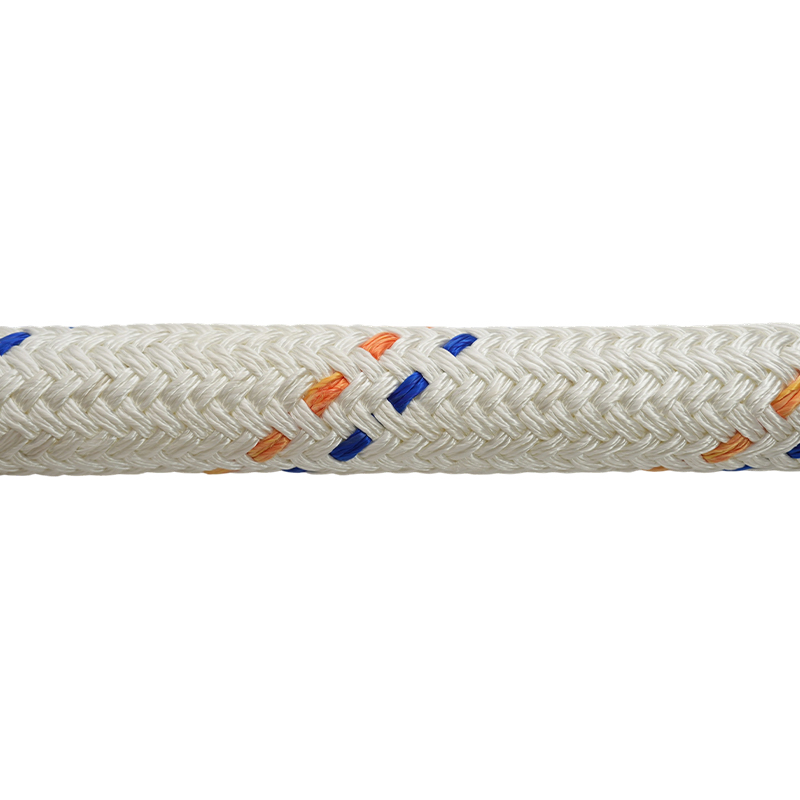
Polypropylene Multi-filament Mooring Tail
-
 View More
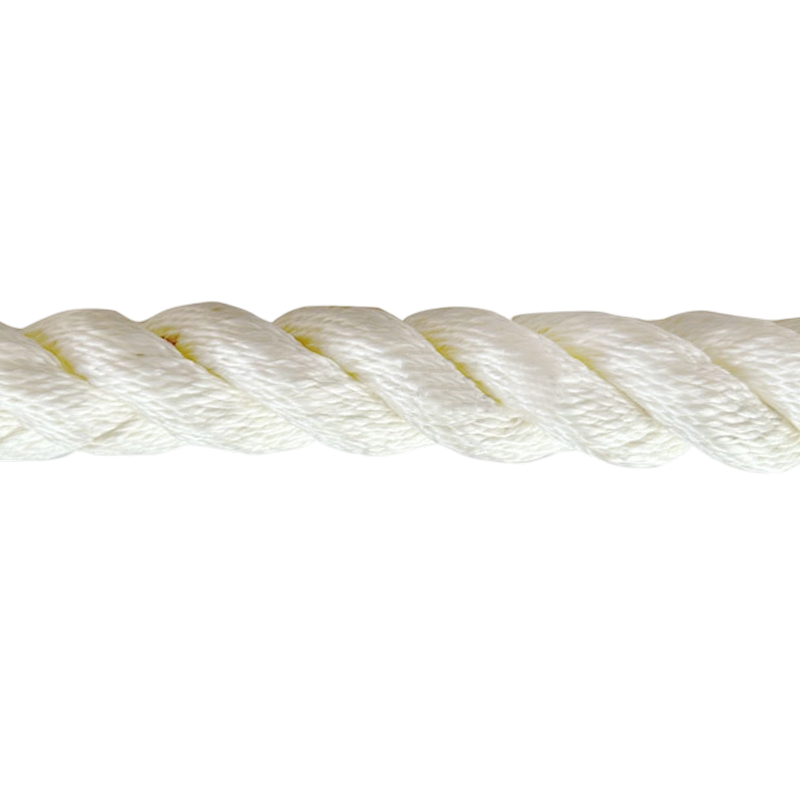
3-Strand Polyester Mooring Rope / Line
-
 View More
8-Strand Polyester Hawser Mooring Rope / Line
-
 View More
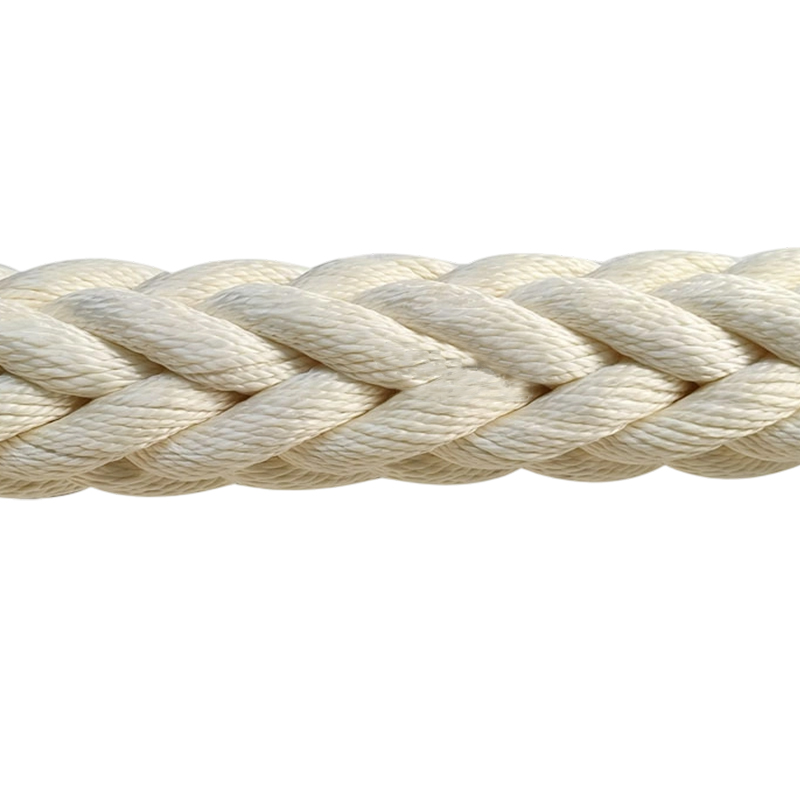
12-Strand Polyester Mooring Rope / Line,Hawser
-
 View More
Polyester Double Braided Hawser Mooring Rope / Line