


 English
 Español
 عربى
عربى
Halyards for Sailboats: Types, Sizing, Slings & Maintenance Guide
Content
- 1 What A Halyard Actually Does On A Sailboat
- 2 Halyard Types And What Each One Is Built For
- 3 The Deck Hardware A Halyard Runs Through
- 4 Choosing The Right Material: Polyester, Dyneema, Vectran, And Technora
- 5 Sizing A Halyard: Diameter And Length
- 6 Halyards, Slings, And Going Aloft Safely
- 7 Signs A Halyard Needs Replacing
- 8 Environmental Factors: Sun, Salt, And Storage
- 9 Racing Versus Cruising: Different Priorities
- 10 Troubleshooting Common Halyard Problems
- 11 Keeping Halyards In Good Condition
- 12 Restringing A Halyard Step By Step
- 13 What Halyards Typically Cost
- 14 Frequently Asked Questions
- 14.1 What is the difference between a halyard and a sheet
- 14.2 How often should sailboat halyards be replaced
- 14.3 Can a single halyard safely be used to hoist a person up the mast
- 14.4 Why does a Dyneema halyard cost more than polyester
- 14.5 What size halyard fits a typical 35 to 40 foot cruising sailboat
- 14.6 Is it normal for a new halyard to stretch initially
- 14.7 Can I use the same halyard as both a lifting line and a safety sling attachment
- 14.8 How do I know if a halyard is the right diameter for my clutch
- 14.9 Do all halyards need to be replaced at the same time
- 14.10 What is the best way to identify halyards at the mast
What A Halyard Actually Does On A Sailboat
A halyard is the line that raises and holds a sail aloft, running from the head of the sail up through a sheave at the masthead and back down to a cleat, clutch, or winch at deck level. Every sailboat carries at least two or three of them - a main halyard, a jib or genoa halyard, and often a dedicated spinnaker halyard - and each one is sized and built differently depending on the load it carries and how often it gets handled. Get the wrong material or diameter and the sail sags, the luff wanders, and the boat loses speed and pointing ability without anyone quite knowing why.
The short answer for most cruising boats: a polyester double braid between 8mm and 12mm, matched to mast height at roughly two and a half times the distance from masthead to deck, replaced every five to eight years depending on use. Racing boats and anything with a permanently hoisted furling sail benefit from a low stretch core such as Dyneema or Vectran instead. The rest of this guide walks through why, with the reasoning and the numbers behind each recommendation, along with the hardware halyards run through, the sling and safety gear used whenever someone goes aloft, and the maintenance habits that keep a set of running rigging working reliably for years.
Halyards sit at the center of a boat's running rigging system, which is the collective term for every line that moves rather than the fixed wire or rod that holds the mast upright. Standing rigging - the shrouds, forestay, and backstay - rarely needs attention beyond periodic inspection. Running rigging, by contrast, is handled constantly, exposed to sun, salt, and friction every time a sail goes up or down, and it wears out on a much shorter cycle. Understanding halyards properly means understanding both the line itself and the deck hardware, sail loads, and safety practices that surround it.
Halyard Types And What Each One Is Built For
Running rigging on a sailboat splits into halyards, which lift sails, and sheets and control lines, which trim them once they are up. Within the halyard family there are three common roles, plus a couple of specialized variants that show up on bigger, older, or more heavily rigged boats.
- Main halyard - raises the mainsail and typically carries the heaviest working load on the boat, often 500 to 1,500 daN on a 10 meter yacht depending on sail area and wind strength. It is usually the thickest and most robust line on board, matched to a dedicated clutch and winch near the mast base or led back to the cockpit.
- Jib or genoa halyard - lifts the headsail, sees more abrasion at the masthead sheave than the main halyard because the sail is hoisted and dropped more often on non-furling boats. On boats with roller furling headsails, this halyard stays up for extended periods and takes on some of the same low-stretch requirements as a furling mainsail halyard.
- Spinnaker halyard - dedicated to downwind sails, usually the lightest line on board since spinnakers load up gradually rather than snapping taut. It often exits the mast at a different point than the main or jib halyard, sometimes through a dedicated block at the very top of the rig.
- Staysail or cutter halyard - found on cutter-rigged boats with an inner forestay, this line raises a staysail set between the mast and the headsail, giving the boat a smaller, more manageable sail option in heavier wind.
- Code zero or asymmetric halyard - increasingly common on modern cruisers, this dedicated halyard handles a light-air reaching sail set on a furling drum, and often uses a torsion-resistant high-tech line since the sail furls around the halyard's own core in some systems.
- Topping lift - not strictly a halyard but often pressed into the same duty, supporting the boom or acting as a second attachment point when someone needs to go aloft.
Boats with in-mast or in-boom furling mainsails add another wrinkle: that halyard stays under tension for the entire season, sometimes for months at a stretch, which pushes owners toward creep resistant fiber even on otherwise modest cruising boats. Statistics from major production boatbuilders show that the large majority of new sailboats over 30 feet now leave the factory with in-mast or in-boom furling mainsails rather than traditional slab-reefed sails, which has quietly shifted halyard material preferences across the entire cruising fleet over the past decade.
The Deck Hardware A Halyard Runs Through
A halyard rarely does its job in isolation. From the masthead sheave down to the cleat, it passes through several pieces of hardware, and each one shapes what diameter, material, and cover the line should have.
Masthead And Exit Sheaves
At the top of the mast, the halyard rides over a sheave - essentially a small pulley wheel - sized to a specific line diameter range. A sheave that is too small for the line forces a tight bend radius that accelerates fatigue in the core fibers, particularly with stiffer high-tech ropes. A sheave that is too large lets a thin line wander side to side and chafe against the sheave box walls.
Rope Clutches And Stoppers
Clutches, sometimes called rope stoppers, lock a halyard in place under load so a winch can be freed up for the next task. Standard cam-style clutches grip the cover of the line, which is exactly why a Technora or reinforced cover matters on halyards that spend long periods locked under tension in an aggressive clutch. Using a line with too soft or worn a cover in an aggressive clutch accelerates cover wear and can eventually let the core slip inside the cover.
Winches
Winches provide the mechanical advantage needed to tension a halyard fully, particularly on boats over about 30 feet where hand tension alone will not remove enough stretch from the line. Line diameter needs to suit the winch drum as well as the clutch - too thin a line can override itself on the drum or slip under heavy load.
Blocks And Turning Points
Wherever a halyard changes direction, whether at the base of the mast or on its way back to a cockpit-mounted clutch bank, it passes through a block. Each turning point adds friction and a small amount of wear, so a halyard led through several blocks on its way to the cockpit will typically show more cover wear over its life than one that runs in a straight line from masthead to a mast-mounted cleat.
Choosing The Right Material: Polyester, Dyneema, Vectran, And Technora
Material choice comes down to one property above all others - stretch under sustained load. A line that elongates lets the luff sag and the draft move aft as wind builds, forcing constant retensioning. A line that barely moves locks the shape in and holds it there.
| Material | Stretch | Weight | Typical Use |
|---|---|---|---|
| Polyester double braid | Moderate | Heavier | Cruising, everyday sailing |
| Dyneema / Spectra core | Very low | Light | Performance cruising, furling mains |
| Vectran core | Lowest, no creep | Heavier than Dyneema | Long offshore passages, racing |
| Technora cover | N/A - cover only | Moderate | Heavily loaded lines in aggressive clutches |
| Nylon | High | Moderate | Rarely used for halyards, better suited to dock lines |
Polyester (often sold under trade names like Dacron) remains the workhorse for most recreational sailors because it resists UV well, runs smoothly through clutches, and costs a fraction of high-tech cordage. Dyneema and Spectra cores deliver the highest strength for their weight and shrug off water absorption, which is why racers and owners of furling mainsails lean toward them despite the higher price. Vectran trades a small weight penalty for virtually zero long-term creep, the slow taffy-like elongation that happens under sustained tension - useful on boats that leave sails hoisted for weeks. When a halyard runs through an aggressive or ceramic-cammed clutch, a Technora cover over a high-tech core improves grip and extends service life without changing the core's stretch characteristics.
Splice-Ability And Hand
Beyond stretch, sailors weighing a purchase should think about how a line feels and behaves in daily use. Polyester double braid has a soft, forgiving hand that is comfortable to grip and easy to splice with basic tools. High-tech cores are stiffer, slicker, and generally require a specific splicing technique and sometimes specialized fids, which is one reason many owners have a rigger perform the initial splice rather than doing it themselves. A soft-hand cover blended over a Dyneema core narrows this gap somewhat, giving some of the grip of polyester with most of the low stretch benefit of the core fiber.
Color Coding
Many sailors choose halyard covers in distinct colors purely for quick identification at the mast or in the cockpit - a red fleck for the main halyard, blue for the jib, and so on. This has no effect on performance but meaningfully reduces confusion during a fast sail change, particularly at night or in a crowded cockpit.

Sizing A Halyard: Diameter And Length
Matching Diameter To Hardware
Diameter is not really about strength for modern high-tech fiber - it is about fit. The line has to match the sheave, clutch, and winch it will run through. Too thin and the line slips or jams in a clutch built for a thicker rope; too thick and it jams a sheave or overloads a winch drum. Most cruising halyards fall between 8mm and 12mm; performance boats often run thinner high-tech line, sometimes down to 6mm, because the fiber carries the same load in a smaller cross-section.
Calculating Length
The standard rule of thumb for halyard length is mast height multiplied by roughly 2.5. That figure accounts for the full hoist to the masthead, the run back down to the cockpit or mast base, and enough working end left over for a proper splice or knot. Fractional rigs sometimes need slightly less length since the forestay attaches below the masthead rather than at the very top. The most reliable method, though, is simply measuring the old halyard before ordering a replacement, since deck layout, block placement, and routing differ from boat to boat even within the same model line.
| Mast Height | Suggested Halyard Length |
|---|---|
| 30 feet | About 75 feet |
| 45 feet | About 112 feet |
| 60 feet | About 150 feet |
| 75 feet | About 188 feet |
Diameter By Boat Size
As a general starting point, small dinghies and daysailers under 20 feet often use halyards as thin as 4mm to 6mm, mid-size cruisers between 30 and 40 feet typically run 8mm to 12mm, and larger cruising or offshore yachts over 45 feet frequently move up to 12mm to 14mm depending on sail area and rig loads. These figures shift depending on whether the boat uses polyester or a high-tech core, since equivalent strength can be achieved in a noticeably smaller diameter with Dyneema or Vectran.
Safety Factor
Riggers commonly size a halyard with a minimum safety factor of around six times the expected working load, which absorbs shock loading from gusts, sudden sail flogging, and the gradual strength loss that comes with age and UV exposure. This is why a line that seems oversized for calm-day sailing is often exactly the right choice once genuinely rough conditions are factored in.
Halyards, Slings, And Going Aloft Safely
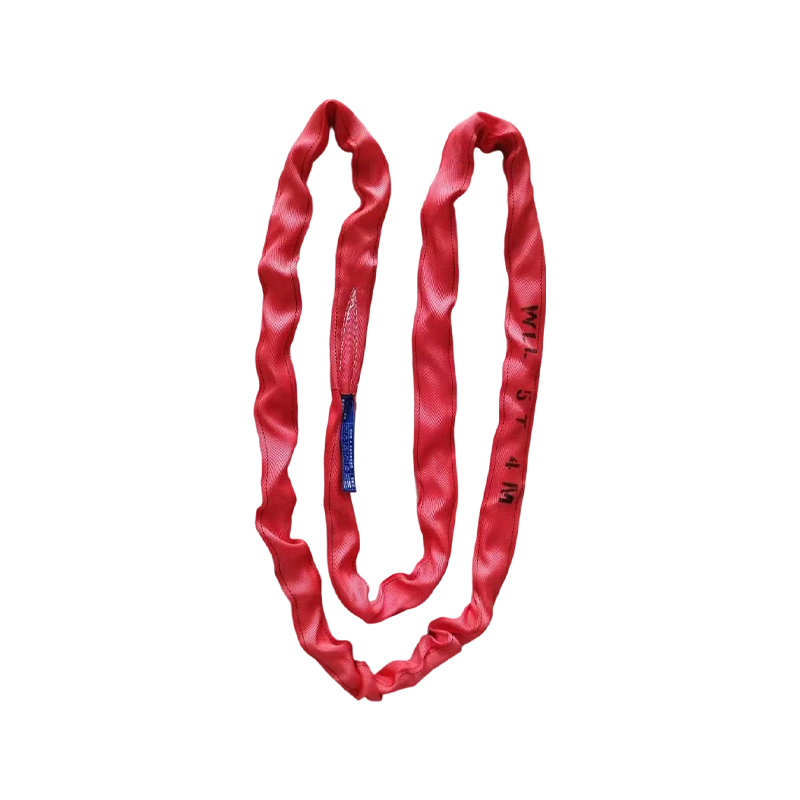
Halyards do more than raise sails - they double as the primary lifting line whenever someone needs to go up the mast to change a bulb, retrieve a lost line, or inspect a fitting. This is where the word sling enters the rigging vocabulary. A properly set up trip aloft uses two halyards: a primary line tied directly to a bosun's chair with a bowline, and a secondary halyard clipped to a climbing harness as backup, so a single point of failure never leaves the climber unsupported.
Several sling components show up around this system:
- A safety sling or lanyard connects the climbing harness to an ascender riding on the secondary halyard, giving an independent backup that shares no hardware with the primary chair.
- A foot sling, usually a length of webbing with a small loop at one end and a large loop at the other, attaches to a friction knot on the halyard and lets a solo climber step up the line almost like climbing a ladder.
- A mast sling, sometimes just called a strop, passes around the mast at waist level so the person aloft can hold a stable position with both hands free for tools.
- A daisy chain sling offers multiple adjustable loop lengths in a single piece of webbing, useful when more than one crew member of different heights shares the same mast climbing kit.
Modern slings are increasingly made from Dyneema tape rather than nylon webbing because it is lighter, more abrasion resistant, and barely stretches under load, which matters when a sling is holding body weight fifty feet above the deck. A typical Dyneema sling runs around 22kN tensile strength at roughly 120cm of usable length, doubled over to shorten it for a custom fit. Whatever sling or chair is chosen, riggers consistently repeat the same rule: never rely on a single halyard alone, and never let anyone stand directly beneath a person working aloft.
Bosun's Chair Versus Climbing Harness
A bosun's chair offers a comfortable, padded seat with tool pockets, ideal for a lengthy job at the masthead, and it asks little of the person being hoisted since the work of raising them falls to whoever is on the winch. A climbing harness, borrowed directly from rock climbing gear, gives more mobility once aloft and a higher working load capacity, and it pairs naturally with mast climbing devices that let a solo sailor ascend without a second person on deck. Many experienced riggers combine both: a chair for comfort during long tasks, worn together with a harness underneath connected by a sling to the secondary halyard for redundancy.
Ascenders And Mechanical Aids
Purpose-built mast climbing systems use a pair of mechanical ascenders that grip a taut halyard and release when moved in one direction, letting a solo sailor step up the line unassisted while a second halyard remains clipped in as a static safety backup. These devices essentially replace hand-tied friction knots, though many sailors still carry the knowledge of a Klemheist or Prusik knot as a low-tech fallback if an ascender is ever unavailable or damaged.
Signs A Halyard Needs Replacing
Age alone is a poor predictor of halyard failure - condition and usage matter far more. A line that lives in gentle climate sun and gets flaked away from UV each season can easily outlast a heavily used racing halyard that is only two years old.
| Symptom | Likely Cause |
|---|---|
| Fuzzy or flattened cover | UV breakdown and general aging of the outer braid |
| Localized stiffness or discoloration | Chafe at a sheave or clutch, often the first failure point |
| Excess stretch or sail no longer sets properly | Core fatigue, especially on polyester lines after years of load cycles |
| Grit visible inside the weave | Trapped dirt acting like tiny blades against the fibers under tension |
| Cover slipping or bunching along the core | Core to cover slippage, common on aging double braids and a sign replacement is due soon |
| Hard, glazed patches | Heat damage from repeated friction at a winch or clutch |
That grit point matters more than most sailors expect: dirt trapped between fibers behaves like miniature saw blades every time the line comes under load, gradually weakening it well before it looks obviously worn from the outside. Because a halyard for a permanently hoisted furling sail is rarely inspected at the masthead end, durability under sustained load becomes more important than hand feel for that particular line, even though the same boat might use a softer, easier handling halyard for a headsail that gets dropped and hoisted often.

Environmental Factors: Sun, Salt, And Storage
Where and how a boat is kept has a bigger effect on halyard lifespan than most owners realize. Ultraviolet exposure is the single biggest cause of long-term fiber degradation, and it accumulates whether or not the boat is actively sailing - a halyard left permanently rigged in strong year-round sun ages faster than one on a boat that spends winters under cover.
- Boats kept in tropical or subtropical climates typically see shorter halyard lifespans purely from UV load, even with light use.
- Salt crystals that form inside the weave after saltwater sailing without a freshwater rinse stiffen the fibers and accelerate internal abrasion.
- Halyards coiled and stored below deck out of direct sun during long lay-up periods age noticeably slower than those left rigged and exposed.
- Mildew and salt buildup on a stored line can be reduced significantly with an occasional freshwater wash before long-term storage.
Boats that spend most of their life on a mooring or dock in strong sun sometimes benefit from removing halyards entirely during long idle periods between sails, storing them coiled in a dry locker rather than leaving them rigged and exposed for weeks at a time.
Racing Versus Cruising: Different Priorities
Racing sailors and cruising sailors often reach different conclusions about the ideal halyard, not because one group is wrong, but because their priorities differ.
| Priority | Racing Focus | Cruising Focus |
|---|---|---|
| Weight aloft | Critical, affects pitching and stability | Rarely noticed |
| Stretch under load | Minimal stretch essential for consistent sail shape | Moderate stretch acceptable |
| Cost | Secondary to performance | Often the deciding factor |
| Hand feel | Secondary, crew wear gloves | Important for bare-handed handling |
A club racer chasing marginal speed gains almost always benefits from a high-tech core even at extra cost, since a halyard that holds its tension without constant regrinding frees up crew attention for trim and tactics. A cruising sailor making the same choice weighs a higher upfront cost against a benefit they may rarely notice day to day, which is why polyester remains dominant on cruising boats even though better performing materials exist.
Troubleshooting Common Halyard Problems
A Halyard That Will Not Run Freely
A halyard that binds or hangs up partway up the mast is often a sign of a slightly oversized line for its sheave, a twisted internal halyard wrapping around another line inside the mast, or accumulated grime inside the sheave box. Stepping down a millimeter or two in diameter often solves persistent friction issues.
Excessive Sail Sag After Hoisting
If a sail loses its shape and the luff sags noticeably within minutes of being fully hoisted, the halyard itself is usually the culprit rather than the sail. This points to stretch from an aging polyester line or from a line that was undersized for the load in the first place.
A Halyard That Slaps The Mast
Halyard slap, the repetitive banging noise against an aluminum mast at anchor, is usually solved by leading the halyard away from the mast with a bungee or clip, or by simply tensioning it enough that it cannot swing freely against the spar.
Difficulty Feeding A New Halyard Through The Mast
When a messenger line gets stuck partway through an internal mast cavity, gently working slack in and out while tapping the mast can dislodge a snag, and lubricating the new line's leading end reduces friction at tight internal turning blocks.
Keeping Halyards In Good Condition
Maintenance is cheap compared with replacement, and most of it takes only a few minutes per season.
- Rinse lines with fresh water after sailing in saltwater to flush out crystallized salt that stiffens fibers over time.
- Wash heavily soiled halyards in a mesh bag with mild soap once or twice a season to remove embedded grit.
- Inspect the section that runs over the masthead sheave closely, since this is where abrasion concentrates.
- Rotate or end-for-end a halyard if only one section shows wear, extending usable life on an otherwise sound line.
- Check whipping and splices for slippage, particularly on lines that see frequent shock loading such as spinnaker halyards.
- Keep a simple log of when each halyard was installed, so replacement timing is based on real service history rather than guesswork.
- Avoid leaving halyards under maximum tension for extended idle periods, since sustained load contributes to long-term creep even in low-stretch fibers.

Restringing A Halyard Step By Step
Replacing a halyard is a manageable job for most owners with the right prep work.
- Inspect the old halyard for wear or damage to confirm replacement is genuinely needed rather than just a clean and rest.
- Choose a replacement matching the old line's diameter and, ideally, its construction so it behaves the same way through existing hardware.
- Tape the new line's end to a lightweight messenger line already threaded through the mast, tapering the joint so it will not snag inside the sheave box.
- Pull the old halyard down slowly from the masthead while the messenger line feeds the new halyard up and through in its place.
- Finish the working end with a proper splice or whipped knot and confirm smooth running through every block and clutch before loading a sail onto it.
- Leave a spare messenger line inside the mast after the job is finished, so a future replacement does not require going aloft again just to thread one through.
What Halyards Typically Cost
Price varies enormously by material, diameter, and length, but a rough sense of relative cost helps with budgeting a full running rigging replacement.
- Polyester double braid is the most affordable option per foot and remains the default choice for most cruising budgets.
- Dyneema or Spectra core lines typically cost several times more per foot than plain polyester, reflecting the more specialized fiber and manufacturing process.
- Vectran core lines sit at a similar or slightly higher price point than Dyneema, trading a little extra weight for near-zero creep.
- Professional splicing, when not done by the owner, adds a modest labor cost per line but is often worth it for high-tech fiber that requires specific technique.
Replacing a full set of halyards on a mid-size cruising boat at once is a reasonable way to standardize on materials and diameters, and many owners choose to phase the upgrade, starting with whichever halyard sees the heaviest use or shows the most wear.
Frequently Asked Questions
What is the difference between a halyard and a sheet
A halyard raises and lowers a sail vertically along the mast, while a sheet controls the sail's horizontal angle once it is already up, usually running from the sail's clew back through a block to a winch.
How often should sailboat halyards be replaced
Most cruising polyester halyards last five to eight years with regular use and proper care, but the real deciding factor is condition rather than a fixed calendar date - a heavily chafed or fatigued line should be replaced sooner, and a well protected one can sometimes run longer.
Can a single halyard safely be used to hoist a person up the mast
Professional riggers and most experienced sailors strongly recommend against relying on one line alone. A primary halyard attached to a bosun's chair should always be backed up by a second halyard and harness with an independent sling and ascender, so no single point of failure can cause a fall.
Why does a Dyneema halyard cost more than polyester
Dyneema and similar high modulus polyethylene fibers deliver dramatically higher strength for a given weight and stretch far less under load, which requires more specialized manufacturing than standard polyester braid, and that cost shows up directly in the retail price.
What size halyard fits a typical 35 to 40 foot cruising sailboat
Most boats in that size range run comfortably on 10mm to 12mm polyester double braid for the main and jib halyards, though many owners downsize by a millimeter or two when switching to a high-tech core since those fibers carry equivalent load in a smaller diameter.
Is it normal for a new halyard to stretch initially
Yes, most lines, especially polyester, experience some initial constructional stretch during the first few uses as the braid settles under load. This is separate from the long-term creep that high-tech fibers are specifically designed to resist, and it typically levels off after a handful of sailing days.
Can I use the same halyard as both a lifting line and a safety sling attachment
A halyard can serve as the primary line for a bosun's chair, but the safety backup should always come from a separate halyard with its own sling or ascender, never from the same line doing double duty for both roles.
How do I know if a halyard is the right diameter for my clutch
Most clutch manufacturers publish a working diameter range on the unit itself or in the manual, and matching the halyard to that range is more important than matching it strictly to load calculations, since an ill-fitting diameter causes slipping or excessive wear regardless of the line's rated strength.
Do all halyards need to be replaced at the same time
Not necessarily. Since different halyards see different loads and handling frequency, it is common and reasonable to replace them individually as each shows wear rather than as a full matched set, unless an owner specifically wants to standardize materials across the whole rig at once.
What is the best way to identify halyards at the mast
Color coded covers are the simplest solution, letting a crew member identify the main, jib, or spinnaker halyard by sight rather than by tracing the line's run, which is especially useful at night or during a fast sail change.
Related Products
-
 View More
3-Strand Polypropylene Mono-filament Mooring Rope / Line
-
 View More
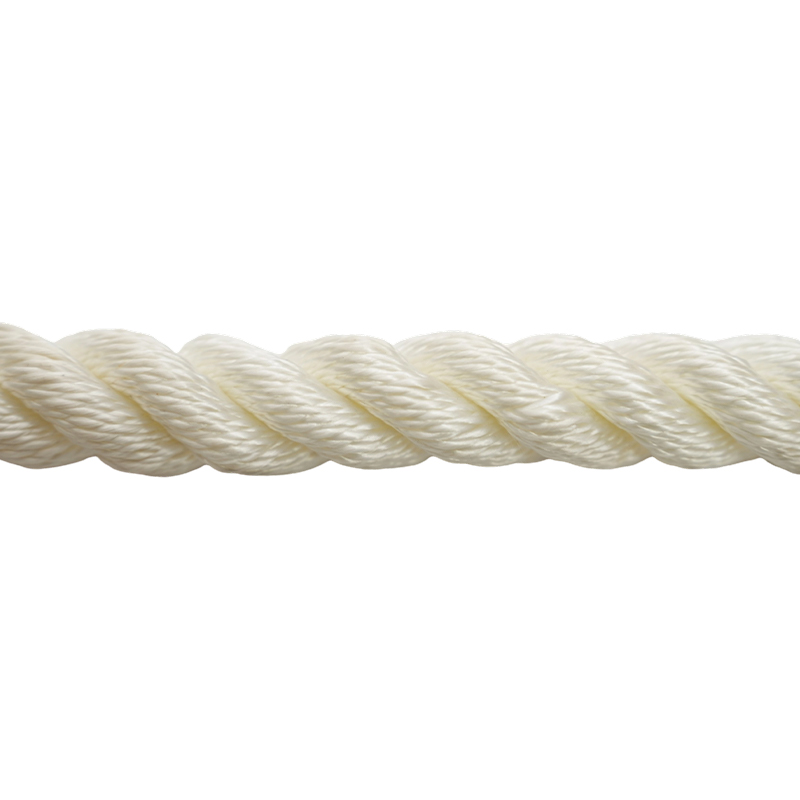
3-Strand Polypropylene Multi-Filament Hawser Mooring Rope / Line
-
 View More
8-Strand Polypropylene Mono-filament Hawser Mooring Rope / Line
-
 View More
8-Strand Polypropylene Multi-filament Mooring Rope / Line
-
 View More
12-Strand Polypropylene Multi-filament Hawser Mooring Rope / Line
-
 View More
Polypropylene Multi-filament Double Braided Hawser Mooring Rope / Line
-
 View More
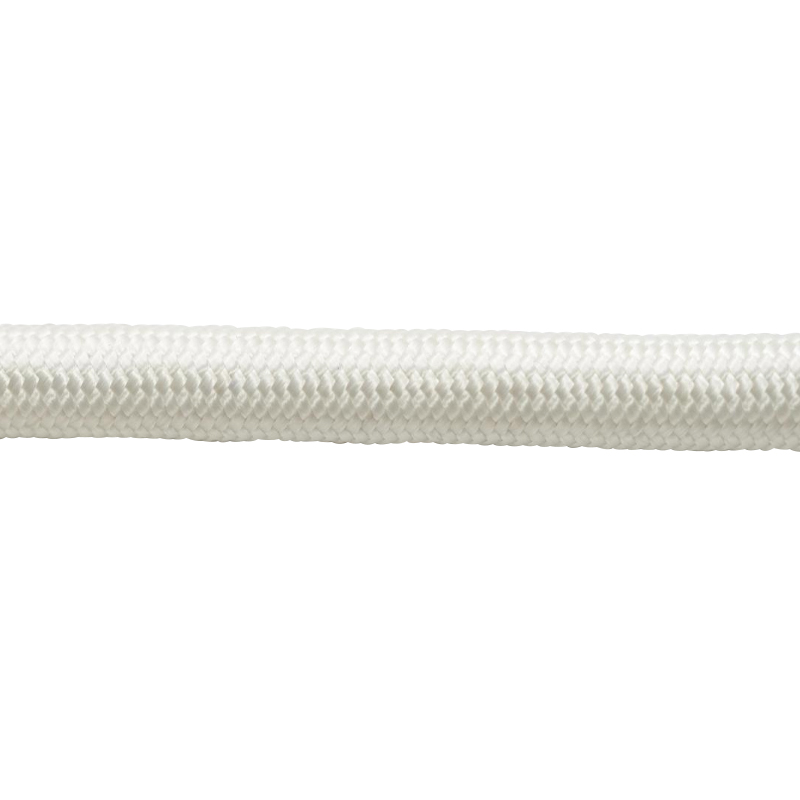
Polypropylene Multi-filament Reduced Recoil Mooring Rope / Line
-
 View More
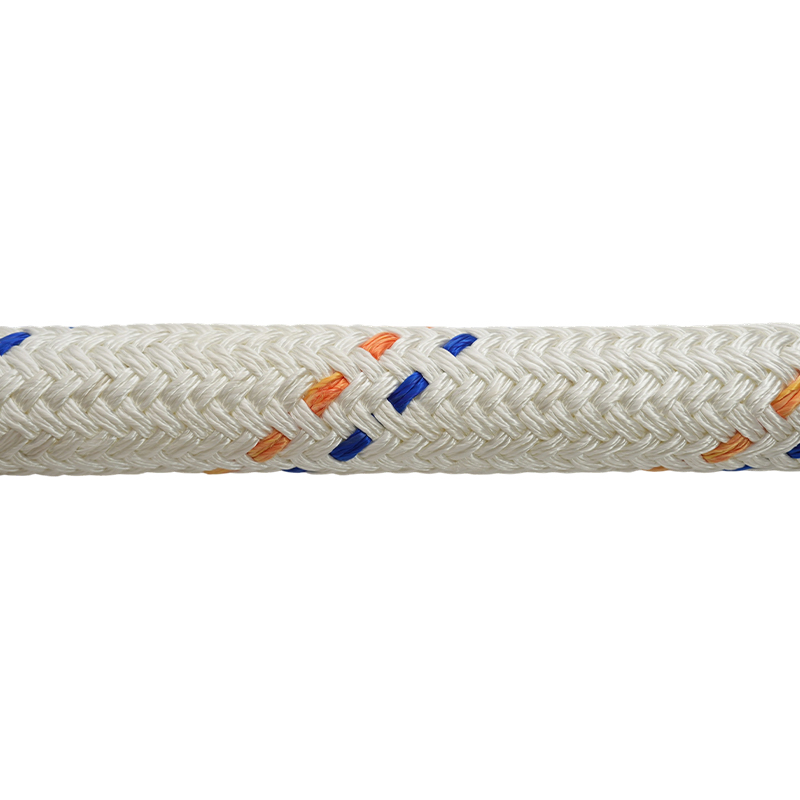
Polypropylene Multi-filament Mooring Tail
-
 View More
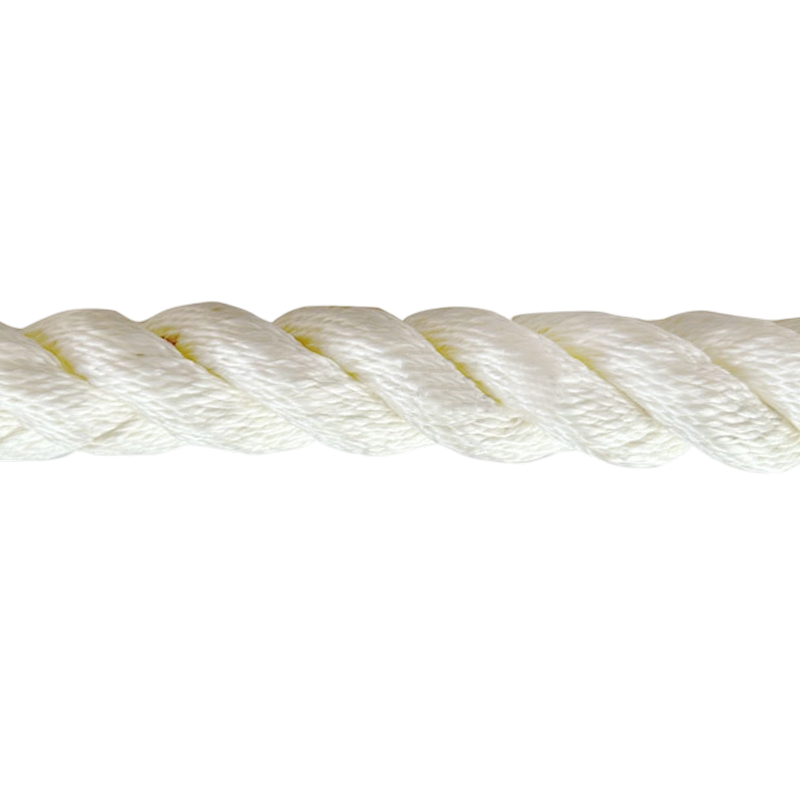
3-Strand Polyester Mooring Rope / Line
-
 View More
8-Strand Polyester Hawser Mooring Rope / Line
-
 View More
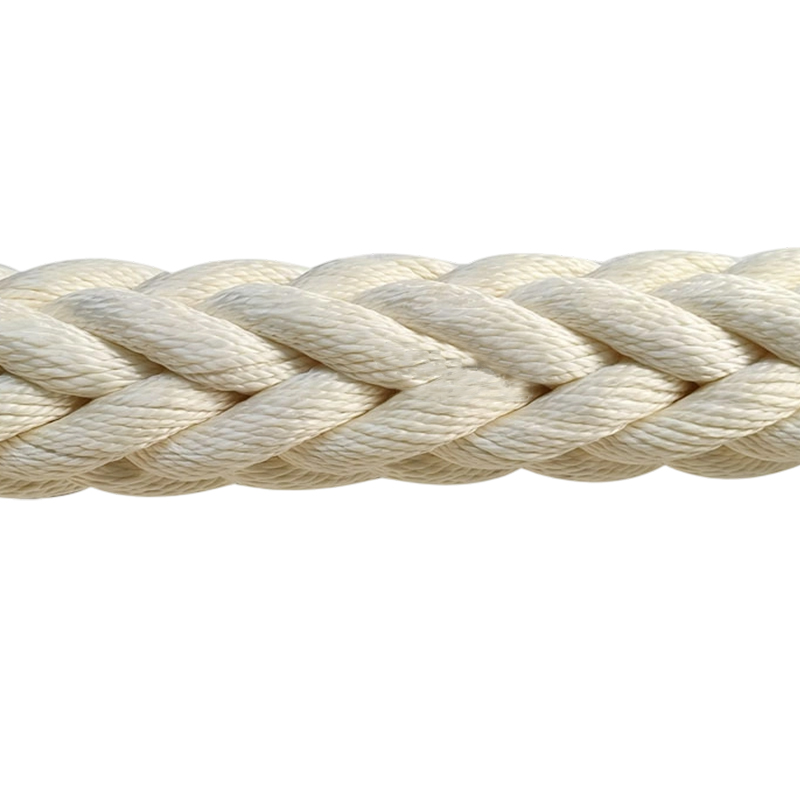
12-Strand Polyester Mooring Rope / Line,Hawser
-
 View More
Polyester Double Braided Hawser Mooring Rope / Line