


 English
 Español
 عربى
عربى
Come and get to know polypropylene rope?
Content
- 1 What is Polypropylene Rope?
- 2 Key Characteristics of Polypropylene Rope
- 3 Applications of Polypropylene Rope
- 4 Purchasing Considerations for Buyers
- 5 Polypropylene Rope vs. Other Synthetic Ropes
- 6
- 7 How to use of Polypropylene Rope
- 8 Maintenance Methods of Polypropylene Rope
- 9 Cleaning Methods of Polypropylene Rope
- 10 Storage Methods of Polypropylene Rope
- 11 Applications of Polypropylene Rope in Different Industries
- 12 Advantages of Polypropylene Rope
- 13
- 14 Disadvantages of Polypropylene Rope
- 15 Environmental Considerations
- 16 Safety Considerations
- 17 Polypropylene Rope in Recreational and Outdoor Activities
- 18 Polypropylene Rope in Transportation and Logistics
- 19 Polypropylene Rope in Agriculture and Farming
- 20 Polypropylene Rope in Construction and Industrial Settings
- 21 Polypropylene Rope in Environmental and Sustainability Considerations
- 22 Polypropylene Rope in Safety and Handling
- 23 How To Judge Whether Polypropylene Rope Is Damaged
- 24 How to Repair Polypropylene Rope
- 25
- 26 Common Problems and Solutions for Polypropylene Rope
- 27 Polypropylene Rope in Future Trends and Innovations
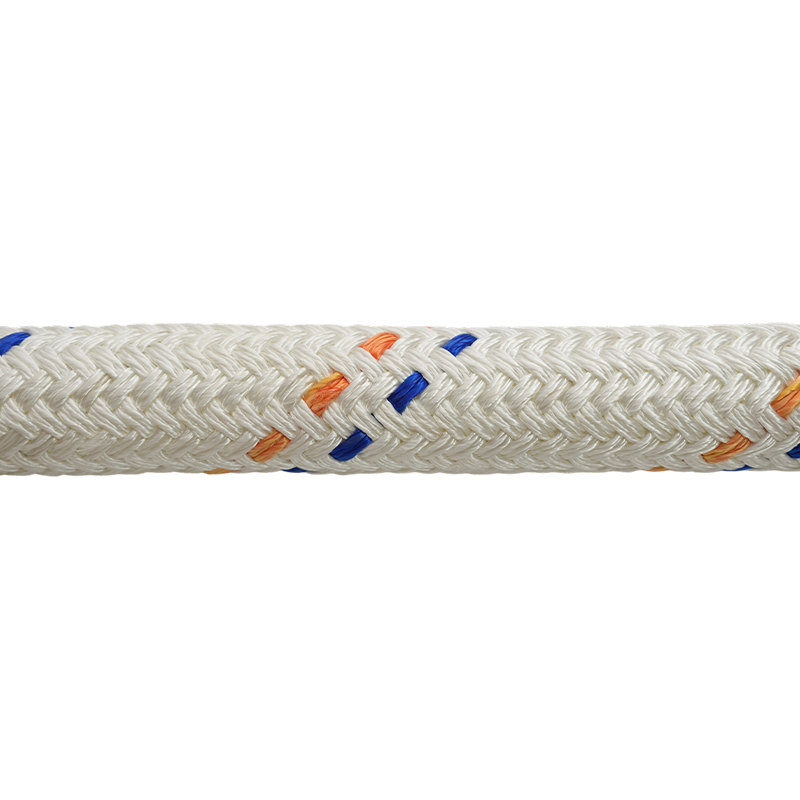
Polypropylene rope, commonly known as PP rope, is a synthetic fiber rope that has gained popularity due to its versatility, durability, and ease of use. It is widely used in various industries, including marine, construction, agriculture, and recreational activities. This guide provides a comprehensive overview of polypropylene rope, including its properties, applications, and purchasing considerations.
What is Polypropylene Rope?
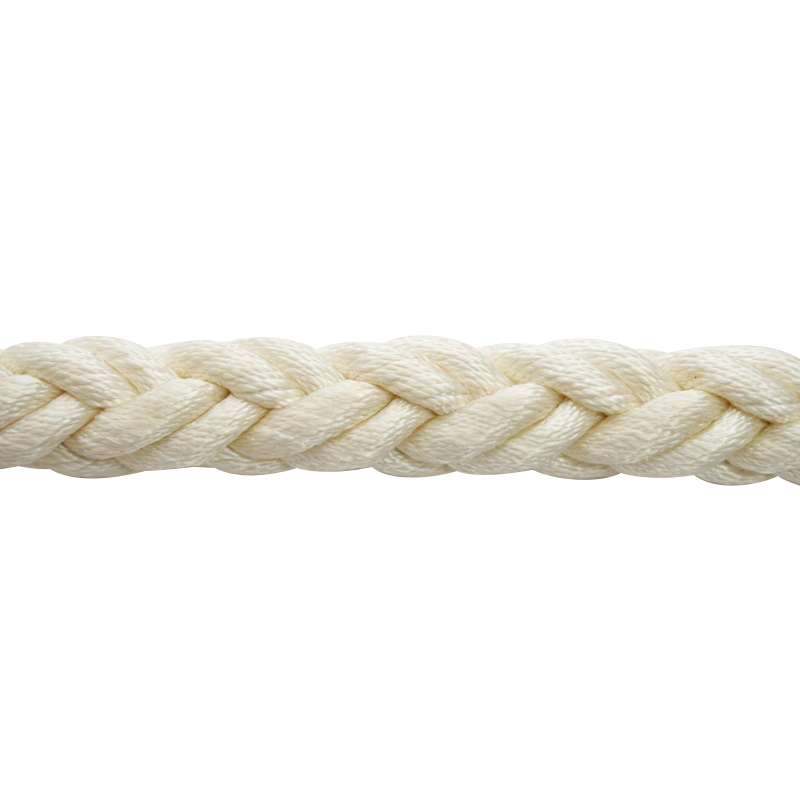
Polypropylene rope is made from polypropylene, a thermoplastic polymer that is known for its durability, flexibility, and resistance to environmental factors. It is a synthetic fiber that is lightweight, buoyant, and resistant to water, chemicals, and UV radiation. These properties make it ideal for a wide range of applications .
Key Characteristics of Polypropylene Rope
Applications of Polypropylene Rope
| Application Area | Specific Uses |
| Marine and Fishing | Mooring, towing, anchoring, fishing nets, marine safety equipment, buoyant lines |
| Agriculture | Securing crops, tying plants, irrigation systems, fencing, agricultural netting |
| Construction | Hoisting, lifting, rigging, securing materials, safety lines, cranes |
| Transportation and Logistics | Securing goods on transport vehicles, towing, packaging, industrial use |
| Industrial and Commercial | Industrial binding, safety equipment, cable railings, general-purpose ropes |
| Recreational and Outdoor | Camping, boating, hiking, outdoor activities, fishing |
| Chemical and Industrial | Handling chemicals, resistance to acids, alkalis, oils, and solvents |
| Specialized Applications | Marine operations, rescue operations, safety nets, towing, and specialized industrial uses |
Purchasing Considerations for Buyers
When purchasing polypropylene rope, buyers should consider several factors to ensure they select the right product for their needs. These include:
Polypropylene Rope vs. Other Synthetic Ropes
When shopping for rope, buyers often compare polypropylene (PP) with other synthetic fibers such as nylon, polyester, and polyethylene. Understanding the differences between these materials can help buyers make informed decisions.
Polypropylene (PP) vs. Nylon
Nylon is a strong and durable synthetic fiber known for its high tensile strength and resistance to abrasion. It is often used in applications requiring high strength and durability. However, nylon is heavier and absorbs water, which can affect its performance in wet conditions.
In contrast, polypropylene is lighter, buoyant, and does not absorb water. This makes it ideal for marine and water-based applications where weight and buoyancy are important factors. While nylon is stronger in terms of tensile strength, polypropylene offers better buoyancy and resistance to water absorption.
Polypropylene vs. Polyester
Polyester is another synthetic fiber known for its strength, durability, and resistance to UV radiation. It is often used in outdoor applications due to its resistance to environmental factors. However, polyester is heavier than polypropylene and can absorb water, which can affect its performance in wet conditions.
Polypropylene, on the other hand, is lighter, buoyant, and does not absorb water. This makes it ideal for applications where buoyancy and water resistance are important. While polyester is stronger in terms of tensile strength, polypropylene offers better buoyancy and resistance to water absorption.
Polypropylene vs. Polyethylene
Polyethylene is a synthetic fiber known for its high strength, durability, and resistance to environmental factors. It is often used in applications requiring high strength and durability. However, polyethylene is heavier and can absorb water, which can affect its performance in wet conditions.
Polypropylene, on the other hand, is lighter, buoyant, and does not absorb water. This makes it ideal for applications where buoyancy and water resistance are important. While polyethylene is stronger in terms of tensile strength, polypropylene offers better buoyancy and resistance to water absorption.
| Characteristic | Polypropylene (PP) | Nylon (PA) | Polyester (PES) | Polyethylene (PE) |
| Abrasion Resistance | Fair | Great | Great | Fair |
| Acid Resistance | Great | Great | Great | Great |
| Alkali Resistance | Great | Great | Great | Great |
| Buoyancy | Floats | Sinks | Slightly Floats | Floats |
| Durability | Good | Great | Fair | Fair |
| Handling | Good | Great | Good | Good |
| Strength | Fair | Great | Good | Good |
| Melting Point | About 150°C (302°F) | About 250°C (484°F) | About 128°C (262°F) | About 128°C (262°F) |
| Rot & Mildew Resistance | Great | Great | Great | Great |
| Shock Loading | Good | Fair | Poor | Good |
| Storage | Wet or Dry | Wet or Dry | Wet or Dry | Wet or Dry |
| UV Resistance | Poor | Great | Fair | Fair |
| Cost | Inexpensive | More Expensive | Moderate | Moderate |
| Applications | Marine, agriculture, general use | Industrial, high-strength applications | Industrial, outdoor | Marine, buoyant applications |
How to use of Polypropylene Rope
| Application Area | Usage Method | Key Considerations |
| Marine and Fishing | Used for mooring, towing, fishing nets, and buoyant lines. | Ensure proper handling to avoid tangling; store in a dry, shaded area to prevent UV damage. |
| Agriculture | Used for tying crops, securing irrigation systems, and fencing. | Ensure the rope is strong enough for the load and environment; avoid exposure to harsh chemicals. |
| Construction | Used for hoisting, rigging, and securing materials. | Regularly inspect for wear and tear; follow safety guidelines for lifting and handling. |
| Transportation and Logistics | Used for securing cargo, towing, and packaging. | Ensure the rope is rated for the weight and load; avoid overloading. |
| Recreational and Outdoor | Used for camping, boating, and outdoor activities. | Handle with care to prevent damage; store properly when not in use. |
| Chemical and Industrial | Used in environments with chemicals and corrosive substances. | Ensure the rope is resistant to the specific chemicals involved; follow manufacturer guidelines. |
| General Use | Used for general-purpose tasks like tying, securing, and general utility. | Choose the appropriate size and strength for the task; inspect regularly for wear. |
Maintenance Methods of Polypropylene Rope
| Maintenance Method | Description |
| Cleaning | Clean the rope regularly with mild soap and water. Avoid using harsh chemicals or solvents that can damage the fibers . |
| Storage | Store the rope in a cool, dry place away from direct sunlight and harsh chemicals. Avoid exposure to extreme temperatures . |
| Inspection | Regularly inspect the rope for signs of wear, damage, or abrasion. Discard any damaged ropes . |
| Handling | Handle the rope carefully to prevent kinking, twisting, or crushing. Avoid sharp edges or rough surfaces that can damage the fibers . |
| Lubrication | Lubricate the rope with a recommended rope lubricant to reduce friction and wear. Ensure the lubricant is compatible with the rope material . |
| Avoiding Damage | Avoid prolonged exposure to direct sunlight, harsh chemicals, and extreme temperatures. Do not drag the rope over rough surfaces or expose it to impact loads . |
Cleaning Methods of Polypropylene Rope
| Cleaning Method | Description |
| Handwashing | Fill a basin or sink with warm water and a mild detergent. Immerse the rope and gently agitate it. Use a soft brush or cloth to scrub away dirt. Rinse thoroughly with clean water and hang to dry in a well-ventilated area . |
| Mild Soap and Water | Use a mild soap and water solution to clean the rope. Avoid harsh chemicals that can damage the fibers. Thoroughly rinse to remove all soap residue . |
| Regular Inspection | Regularly inspect the rope for signs of wear, fraying, or damage. Discard any damaged ropes . |
| Avoid Harsh Chemicals | Avoid using harsh chemicals or solvents that can degrade the fibers. Use environmentally friendly cleaners if possible . |
| Proper Storage | Store the rope in a cool, dry place away from direct sunlight and harsh chemicals. Avoid exposure to extreme temperatures . |
| Thorough Rinsing | Ensure that all soap and dirt are completely washed out during the cleaning process to prevent residue buildup . |
| Avoid Abrasion | Avoid dragging the rope over rough surfaces or exposing it to extreme temperatures for prolonged periods . |
Storage Methods of Polypropylene Rope
| Storage Method | Description |
| Cool, Dry Place | Store the rope in a cool, dry place away from direct sunlight and harsh chemicals. Avoid exposure to extreme temperatures . |
| Avoid Direct Sunlight | Protect the rope from direct sunlight to prevent UV damage and degradation . |
| Avoid Harsh Chemicals | Keep the rope away from harsh chemicals that can degrade the fibers . |
| Regular Inspection | Regularly inspect the rope for signs of wear, fraying, or damage. Discard any damaged ropes . |
| Proper Handling | Handle the rope carefully to prevent kinking, twisting, or crushing. Avoid sharp edges or rough surfaces that can damage the fibers . |
| Storage Containers | Store the rope in a clean, dry container or roll to prevent moisture and physical damage . |
| Avoid Prolonged Exposure | Avoid prolonged exposure to extreme temperatures or harsh environmental conditions . |
Applications of Polypropylene Rope in Different Industries
Marine Industry
The marine industry is one of the largest users of polypropylene rope. Its buoyancy, resistance to water, and durability make it ideal for marine applications such as mooring lines, fishing, and water-based activities. Polypropylene rope is also used in the construction of boats and ships, where it is used for rigging, towing, and securing loads.
Construction Industry
In the construction industry, polypropylene rope is used for a variety of tasks, including lifting, towing, and rigging. Its strength, durability, and resistance to environmental factors make it ideal for construction sites where it is used for tasks such as hoisting, securing materials, and handling equipment.
Agricultural Industry
In the agricultural industry, polypropylene rope is used for tasks such as fencing, irrigation, and animal handling. Its durability and resistance to environmental factors make it ideal for agricultural applications where it is used for tasks such as fencing, irrigation, and animal handling.
Recreational Activities
Polypropylene rope is also used in recreational activities such as camping, hiking, and outdoor sports. Its durability, resistance to environmental factors, and buoyancy make it ideal for recreational activities where it is used for tasks such as camping, hiking, and outdoor sports.
Advantages of Polypropylene Rope
| Advantage | Description |
| High Strength and Durability | Polypropylene rope offers high tensile strength and durability, making it suitable for heavy-duty applications . |
| Lightweight | It is significantly lighter than other types of ropes, such as nylon or natural fiber ropes, making it easy to handle and transport . |
| Water and Chemical Resistance | Polypropylene rope is resistant to water absorption, acids, alkalis, and other chemicals, ensuring long-term performance in various environments . |
| Buoyancy | It floats on water, making it ideal for marine and aquatic applications . |
| Resistance to Environmental Factors | It is resistant to rot, mildew, and UV radiation, ensuring longevity in outdoor and harsh conditions . |
| Cost-Effective | Polypropylene is a cost-effective synthetic material, making it an economical choice for various applications . |
| Versatility | It is used in a wide range of industries, including marine, agriculture, construction, and transportation . |
| Easy Handling and Maintenance | The lightweight and smooth texture of polypropylene rope make it easy to handle and maintain . |
| Recyclability | Polypropylene is recyclable, contributing to environmental sustainability . |
Disadvantages of Polypropylene Rope
| Disadvantage | Description |
| Susceptible to UV Degradation | Prolonged exposure to sunlight can cause it to become brittle and lose its color |
| Low Impact Strength | It has relatively low impact strength compared to other plastics, making it susceptible to cracking or breaking under sudden impacts or heavy loads |
| Flammability | Polypropylene is highly flammable, limiting its use in high-temperature applications |
| Poor Bonding Properties | Due to its low surface energy, it can be challenging to bond with adhesives and coatings |
| Susceptible to High Temperatures | It can become brittle and may burn when exposed to high temperatures |
| Limited UV Resistance | It has limited resistance to ultraviolet (UV) radiation, which can cause it to degrade and become brittle over time |
| Not Ideal for Safety Applications | Due to its susceptibility to environmental factors, it is not recommended for safety ropes exposed to high stresses |
| Pilling When Dried | It can pill when dried in a clothes dryer |
| Environmental Impact | It is derived from non-renewable fossil fuels and is not biodegradable, though recycling initiatives can help mitigate this issue |
Environmental Considerations
When purchasing polypropylene rope, buyers should also consider the environmental impact of the product. Polypropylene is a synthetic fiber that is not biodegradable, which means it can contribute to environmental pollution if not disposed of properly. However, polypropylene is recyclable, and many manufacturers are working on developing more sustainable and eco-friendly alternatives.
Safety Considerations
When using polypropylene rope, buyers should also consider safety factors. Polypropylene rope is generally safe to use, but it is important to follow proper handling and storage procedures to ensure safety. Buyers should also consider the load capacity of the rope and ensure that it is used within its recommended limits.
Polypropylene Rope in Recreational and Outdoor Activities
Polypropylene rope is not only used in industrial and commercial settings but also in recreational and outdoor activities. Its lightweight, buoyant, and durable nature makes it ideal for a wide range of recreational uses.
Camping and Hiking
For campers and hikers, polypropylene rope is a popular choice for various tasks. It is used for setting up tents, securing gear, and creating makeshift shelters. Its buoyancy and resistance to water make it ideal for use in wet or rainy conditions. Additionally, its durability ensures that it can withstand the rigors of outdoor activities.
Fishing and Water-Based Activities
Polypropylene rope is widely used in fishing and other water-based activities. Its buoyancy and resistance to water make it ideal for fishing lines, mooring lines, and other marine applications. It is also used in water sports such as kayaking, boating, and water skiing, where its strength and durability are essential.
Outdoor Sports and Recreation
In outdoor sports and recreation, polypropylene rope is used for a variety of activities. It is used in climbing, rappelling, and other adventure sports where its strength and durability are crucial. It is also used in activities such as zip-lining, where its lightweight and buoyant properties make it ideal for use in various environments.
Polypropylene Rope in Transportation and Logistics
In the transportation and logistics industry, polypropylene rope is used for a variety of tasks. It is used for securing loads on trucks, ships, and other vehicles. Its strength and durability make it ideal for use in transportation and logistics, where it is used for tasks such as towing, rigging, and handling goods.
Polypropylene Rope in Agriculture and Farming
In agriculture and farming, polypropylene rope is used for a variety of tasks. It is used for fencing, irrigation, and animal handling. Its durability and resistance to environmental factors make it ideal for agricultural applications where it is used for tasks such as fencing, irrigation, and animal handling.
Polypropylene Rope in Construction and Industrial Settings
In construction and industrial settings, polypropylene rope is used for a variety of tasks. It is used for lifting, towing, and rigging. Its strength and durability make it ideal for construction sites where it is used for tasks such as hoisting, securing materials, and handling equipment.
Polypropylene Rope in Environmental and Sustainability Considerations
When purchasing polypropylene rope, buyers should also consider the environmental impact of the product. Polypropylene is a synthetic fiber that is not biodegradable, which means it can contribute to environmental pollution if not disposed of properly. However, polypropylene is recyclable, and many manufacturers are working on developing more sustainable and eco-friendly alternatives.
Polypropylene Rope in Safety and Handling
When using polypropylene rope, buyers should also consider safety factors. Polypropylene rope is generally safe to use, but it is important to follow proper handling and storage procedures to ensure safety. Buyers should also consider the load capacity of the rope and ensure that it is used within its recommended limits.
How To Judge Whether Polypropylene Rope Is Damaged
| Inspection Method | Description |
| Visual Inspection | Examine the rope for visible signs of damage, such as broken filaments, abrasions, or discoloration. Look for any signs of wear or damage on the surface . |
| Rag and Visual Method | Use a rag to gently drag across the rope to detect broken wires or abrasions. If the rag becomes snagged, stop and inspect the area closely . |
| Diameter Measurement | Measure the rope's diameter at various points and compare it to the manufacturer's specifications. Variations in diameter may indicate internal or external damage . |
| Internal Damage Assessment | For internal damage, twist the strands open to check for powdered fibers or other signs of internal damage. If in doubt, consider laboratory testing or tension tests . |
| Chemical and Environmental Exposure | Check for exposure to chemicals, UV radiation, or extreme temperatures, which can degrade the rope's integrity . |
| Professional Inspection | If in doubt, consult a professional or use advanced inspection methods such as visual or thermal imaging to assess the rope's condition . |
How to Repair Polypropylene Rope
| Repair Method | Description |
| Splicing | Separate the strands of the rope and tuck the ends into the strands to create a splice. This method is suitable for joining or repairing the end of the rope. |
| Re-splicing | For a worn-out eye or damaged area, shorten the rope, re-splice, and reweave the rope. This involves removing the core and inspecting for damage. |
| Heat Welding | Use a speed tip welding technique to melt and fuse the plastic. This method is suitable for joining or repairing polypropylene parts. |
| Epoxy Glue | Use a two-part epoxy glue to join or repair polypropylene parts. This method is suitable for minor repairs. |
| Replacement | If the rope is severely damaged, it may be necessary to replace the entire rope or the affected part. |
| Cleaning and Inspection | Clean the rope and inspect for damage before attempting any repair. Ensure the rope is free from debris and damage. |

Common Problems and Solutions for Polypropylene Rope
| Problem | Possible Cause | Solution |
| Black Spots | Raw material quality issues, overheating of the screw, high head pressure, wear of the barrel, poor venting, impurities | Improve raw material quality, adjust temperature and pressure, clean the barrel, ensure proper venting |
| Broken Strands | Inappropriate processing temperature, impurities, poor melting, changes in material properties, poor venting, mismatched traction | Adjust processing temperature, remove impurities, ensure proper venting, match traction |
| Hollow Areas | Poor venting, poor melting | Improve venting, ensure proper melting |
| Extrusion Issues | Uneven feed, uneven temperature, poor mixing, uneven pressure | Ensure uniform feed, adjust temperature, improve mixing, adjust pressure |
| Surface Defects | Poor surface finish, uneven temperature, impurities | Improve surface treatment, adjust temperature, clean materials |
| Color Variations | Inconsistent material composition, thermal degradation | Check material composition, adjust temperature, ensure proper mixing |
| Mechanical Failure | Poor material properties, improper processing parameters | Improve material quality, adjust processing parameters, ensure proper handling |
Polypropylene Rope in Future Trends and Innovations
The future of polypropylene rope is likely to be shaped by ongoing research and development in materials science, manufacturing technologies, and sustainability practices. Innovations in polypropylene formulations, such as the development of biodegradable or recyclable polypropylene, could lead to more sustainable and eco-friendly rope options. Additionally, advancements in manufacturing processes could lead to more efficient and cost-effective production of polypropylene rope.
Sustainability and Environmental Considerations
As awareness of environmental issues grows, there is increasing demand for sustainable and eco-friendly products. The development of biodegradable or recyclable polypropylene rope could address these concerns and meet the needs of environmentally conscious consumers and businesses. Additionally, efforts to reduce waste and improve recycling rates could lead to more sustainable practices in the production and disposal of polypropylene rope.
Technological Advancements
Advancements in technology, such as 3D printing and additive manufacturing, could potentially revolutionize the production of polypropylene rope. These technologies could enable the production of custom-designed and specialized ropes tailored to specific applications, reducing waste and improving efficiency. Additionally, the integration of smart materials and sensors into polypropylene rope could enhance its functionality and performance in various applications.
Polypropylene rope is a versatile and durable synthetic fiber that is widely used in various industries and applications. Its unique properties, such as buoyancy, durability, and resistance to environmental factors, make it an ideal choice for a wide range of applications. When purchasing polypropylene rope, buyers should consider factors such as material, construction, size, color, certification, and supplier reputation to ensure they select the right product for their needs. By understanding the differences between polypropylene and other synthetic fibers, buyers can make informed decisions and choose the right product for their specific applications. The global market for polypropylene rope is dynamic and competitive, with ongoing innovations and developments shaping the future of this important industry.
PREV:Comprehensive Overview of Polyester Rope
NEXT:IMO Issues New Regulations, Improved Safety Requirements for Mooring Equipment
NEXT:IMO Issues New Regulations, Improved Safety Requirements for Mooring Equipment
Related Products
-
 View More
3-Strand Polypropylene Mono-filament Mooring Rope / Line
-
 View More
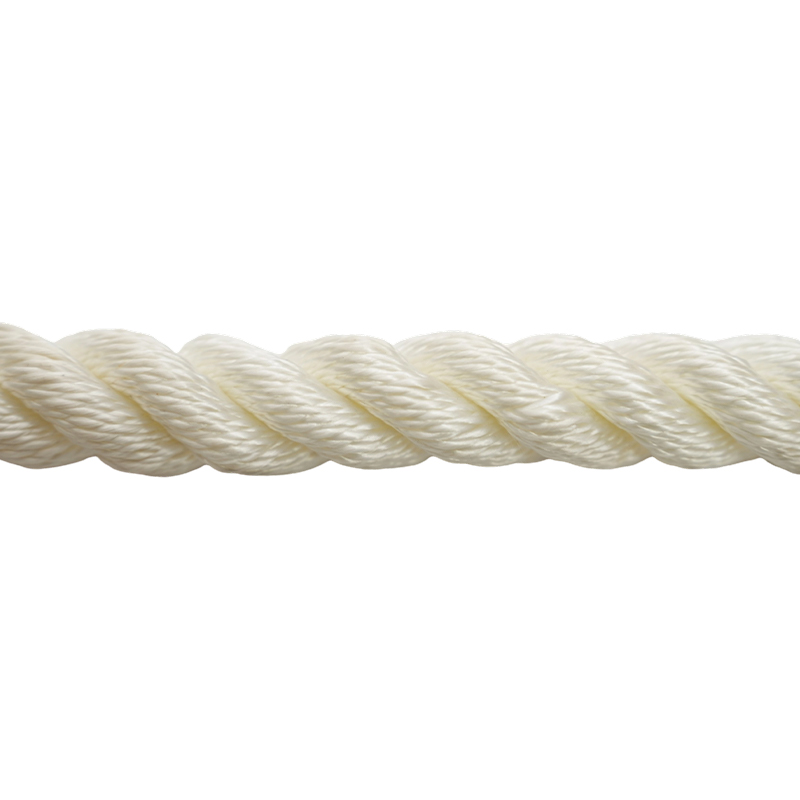
3-Strand Polypropylene Multi-Filament Hawser Mooring Rope / Line
-
 View More
8-Strand Polypropylene Mono-filament Hawser Mooring Rope / Line
-
 View More
8-Strand Polypropylene Multi-filament Mooring Rope / Line
-
 View More
12-Strand Polypropylene Multi-filament Hawser Mooring Rope / Line
-
 View More
Polypropylene Multi-filament Double Braided Hawser Mooring Rope / Line
-
 View More
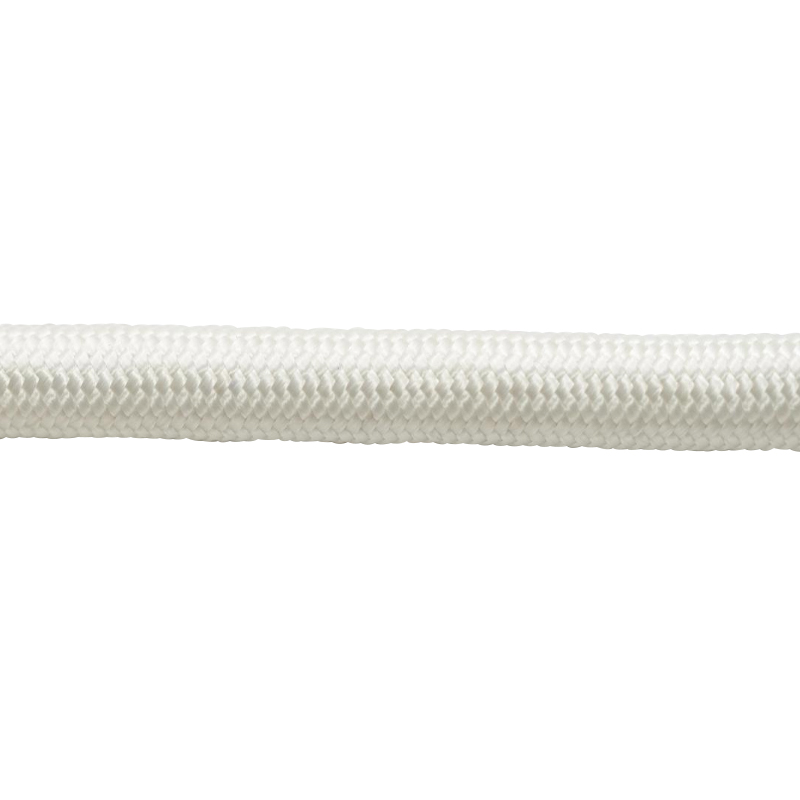
Polypropylene Multi-filament Reduced Recoil Mooring Rope / Line
-
 View More
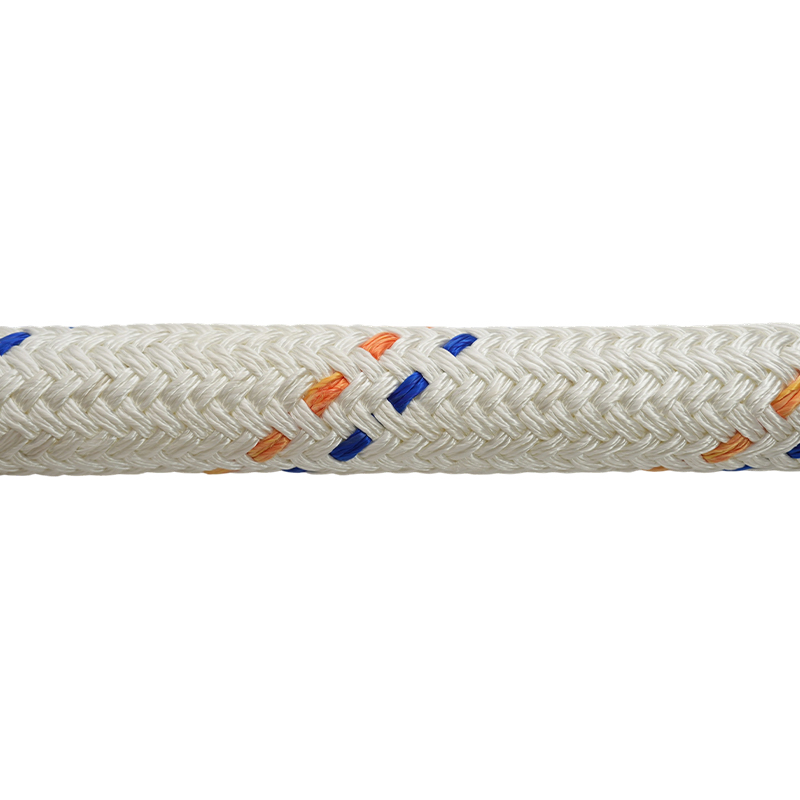
Polypropylene Multi-filament Mooring Tail
-
 View More
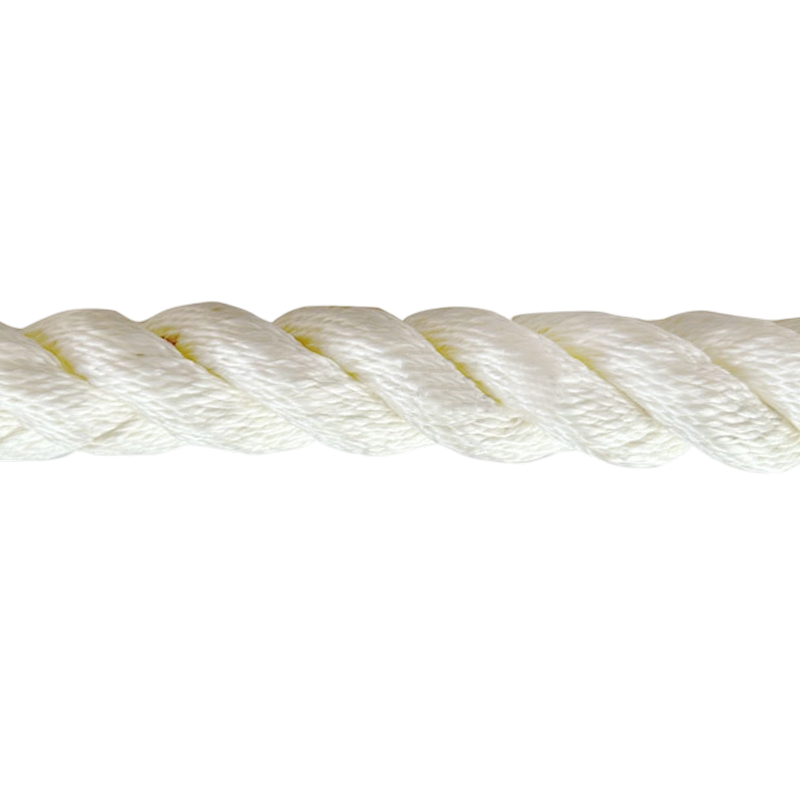
3-Strand Polyester Mooring Rope / Line
-
 View More
8-Strand Polyester Hawser Mooring Rope / Line
-
 View More
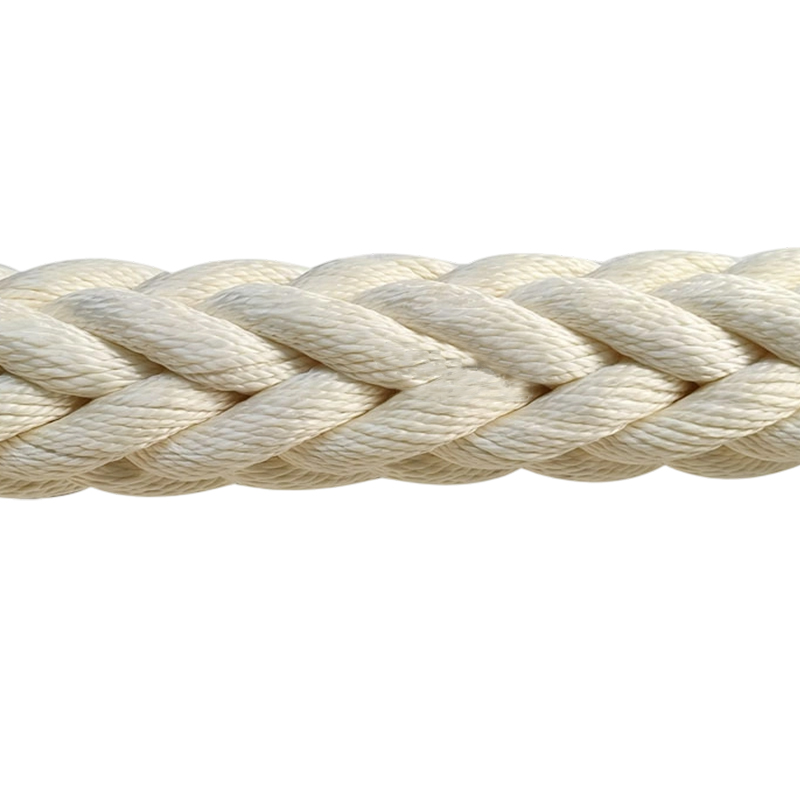
12-Strand Polyester Mooring Rope / Line,Hawser
-
 View More
Polyester Double Braided Hawser Mooring Rope / Line