


 English
 Español
 عربى
عربى
Comprehensive Overview of Polyester Rope
Content
- 1 Introduction to Polyester Rope
- 2 1. What is Polyester Rope?
- 3 2. Manufacturing and Standards
- 4 3. Types of Polyester Rope
- 5 4. Applications and Uses of Polyester Rope
- 6 5. Maintenance and Care of Polyester Rope
- 7 6. Comparison with Other Materials
- 8 7. Buyer’s Guide: How to Choose the Right Polyester Rope
- 9 8. Safety and Usage Tips of Polyester Rope
- 10 9. Common Issues and Troubleshooting of Polyester Rope
- 11 10. Cost and Pricing
- 12 11. Where to Buy and Purchase
- 13 12. Customer Reviews and Feedback
- 14 13. Advanced Topics and Specialized Applications
- 15 14. Frequently Asked Questions (FAQs) for Buyers
- 16 15. Buyer’s Guide to Selecting the Right Polyester Rope for Specific Applications
- 17 16. Safety and Maintenance Tips for Specific Applications
- 18 17. Environmental and Regulatory Considerations
- 19 18. Future Trends and Innovations
- 20 19. Conclusion for Buyers
Introduction to Polyester Rope
Polyester rope is favored for its high tensile strength, which enables it to support heavy loads without breaking. This strength is crucial for applications in the maritime, climbing, and industrial sectors where safety and reliability are paramount. The strong fiber composition of polyester ensures that the rope can withstand significant wear and tear over time, translating to a longer lifespan and fewer replacements, even under constant or extreme use.

1. What is Polyester Rope?
Polyester rope is made from polyester fibers, which are synthetic polymers. These fibers are typically produced from polyethylene terephthalate (PET), a common plastic. The fibers are twisted together to form a rope.
1.2. Key Characteristics
- Strength: Polyester rope is strong and durable, making it suitable for heavy-duty applications.
- Durability: It is resistant to UV radiation, moisture, and chemicals.
- Flexibility: Polyester rope is flexible and can be used in a variety of applications.
- Resistance: It is resistant to abrasion, UV radiation, and chemical degradation.
1.3. Common Applications
- Marine: Used in boating, fishing, and marine equipment.
- Industrial: Used in construction, lifting, and rigging.
- Recreational: Used in camping, hiking, and outdoor activities.
2. Manufacturing and Standards
2.1. Manufacturing Process
Polyester rope is manufactured through a process of extruding polyester fibers into filaments, which are then twisted together to form the rope. The manufacturing process can be customized to meet specific requirements, such as diameter, strength, and length.
2.2. Standards and Specifications
Polyester rope is often produced according to international standards, such as ISO recommendations. For example, ISO Recommendation R 1141 outlines the specifications for three-strand polyester multifilament ropes, including construction, marking, and packing requirements .
2.3. Quality Control
Quality control is essential in the production of polyester rope to ensure that the product meets the required standards. This includes testing for strength, durability, and resistance to environmental factors.
3. Types of Polyester Rope
| Type of Rope | Description | Diameter Range | Applications | Key Characteristics |
| Braided Polyester Rope | A strong, multi-strand rope made from high-quality polyester fibers. | 2 mm to 20 mm | Industries, shipping, hoist applications | High strength, durability, available in various strand configurations (e.g., 3-strand, 4-strand, 8-strand) |
| Twisted Polyester Rope | A rope made from twisted polyester yarn. | 2 mm to 20 mm | Various applications | High strength, low stretch, resistance to abrasion and UV radiation |
| Double Braided Polyester Rope | A strong, non-stretch rope with high tensile strength. | Various sizes | Marine, industrial applications | Stronger than nylon, ideal for lifting applications |
| Polyester Yarn Rope | Made from polyester yarn. | Various sizes | Textile production, DIY, industrial applications | Strong and durable |
| Polyester Core Rope | A rope with a polyester core. | Various sizes | Marine, industrial applications | Strong and durable |
| Polyester Hollow Braid Rope | A hollow braid rope made from polyester. | Various sizes | Marine, industrial applications | Strong and durable |
| Polyester Single Braid Rope | A single-strand braid rope. | Various sizes | Marine, industrial applications | Strong and durable |
| Polyester Double Braid Rope | A double-strand braid rope. | Various sizes | Marine, industrial applications | Strong and durable |
| Polyester Twisted Rope | A twisted rope made from polyester yarn. | 2 mm to 20 mm | Various applications | High strength and durability |
4. Applications and Uses of Polyester Rope
| Application Area | Specific Uses | Key Characteristics | Notes |
| Maritime | Mooring, towing, anchoring, fender lines, safety lanyards | High tensile strength, resistance to water and UV radiation | Used in ship operations and port activities |
| Construction | Lifting, rigging, securing loads, hoisting | High strength, durability, resistance to abrasion | Used in construction sites and industrial applications |
| Outdoor and Recreation | Climbing, camping, outdoor activities, DIY projects | Versatile, resistance to environmental factors | Used in recreational and outdoor activities |
| Industrial | General industrial applications, manufacturing, transportation | High strength, durability, resistance to chemicals | Used in various industrial settings |
| Agriculture | Animal ties, farm work, binding materials | Strength and durability | Used in agricultural and farming activities |
| Transportation | Securing goods on vehicles, cargo operations | Strength and reliability | Used in logistics and transportation |
| Textile and Craft | Textile production, DIY projects, decorative uses | Aesthetic appeal, variety of colors | Used in creative and decorative applications |
5. Maintenance and Care of Polyester Rope
| Maintenance Task | Description | Frequency | Notes |
| Inspection | Regularly inspect the rope for signs of wear, damage, or abrasion. | Before and after each use | Check for cuts, abrasions, or wear. Discard damaged ropes. |
| Cleaning | Clean the rope with a mild soap solution and rinse thoroughly with clean water. | As needed, especially after exposure to dirt or contaminants | Avoid harsh chemicals or solvents that can damage the fibers. |
| Rinsing and Drying | Rinse the rope thoroughly with clean water and allow it to air dry. | After cleaning | Avoid using a pressure washer, as it can damage the fibers. |
| Storage | Store the rope in a cool, dry, and dark place. | Long-term storage | Avoid exposure to direct sunlight and corrosive substances. |
| Lubrication | Apply a recommended rope lubricant to reduce friction and wear. | As needed | Use a lubricant recommended by the manufacturer. |
| Handling | Handle the rope carefully to avoid kinking, twisting, or crushing. | During use and storage | Avoid sharp edges or rough surfaces that can damage the fibers. |
6. Comparison with Other Materials
6.1. Comparison with Nylon and Polypropylene
Polyester rope is often compared with nylon and polypropylene ropes. While all are synthetic, polyester is known for its strength and durability, while nylon and polypropylene are valued for their flexibility and cost-effectiveness.
6.2. Comparison with Natural Fibers
Natural fibers such as cotton and hemp are less durable and are not suitable for heavy-duty applications. Polyester offers superior performance in terms of strength and durability.

7. Buyer’s Guide: How to Choose the Right Polyester Rope
For buyers, selecting the right polyester rope is crucial to ensure safety, performance, and longevity. Here’s a comprehensive guide to help you make an informed decision.
7.1. Key Factors to Consider
- Application: The intended use of the rope (e.g., marine, industrial, recreational) will determine the required strength and durability.
- Strength and Load Capacity: Ensure the rope’s breaking strength is sufficient for the intended load.
- Diameter and Length: The size of the rope should match the application’s requirements.
- Environmental Conditions: Consider the environment where the rope will be used (e.g., exposure to UV, moisture, chemicals).
- Certifications and Standards: Look for ropes that meet international standards (e.g., ISO, ISO R 1141).
7.2. Common Specifications to Look For
- Breaking Strength: The maximum load the rope can handle before breaking.
- Sheath and Core: The construction of the rope (e.g., three-strand, multifilament).
- Lay Direction: The direction in which the strands are twisted (e.g., Z-lay, S-lay).
- Marking and Labeling: Ensure the rope is properly labeled with specifications and manufacturer information.
7.3. Common Mistakes to Avoid
- Overloading: Using a rope beyond its rated capacity can lead to failure.
- Improper Handling: Rough handling can damage the rope and reduce its lifespan.
- Neglecting Maintenance: Failing to clean, inspect, and store the rope properly can lead to premature failure.
8. Safety and Usage Tips of Polyester Rope
| Safety and Usage Tips | Description |
| Inspect Regularly | Always inspect the rope for signs of wear, damage, or degradation before and after each use. |
| Keep Clean and Dry | Maintain the rope clean and dry to extend its life. |
| Avoid Harsh Conditions | Avoid contact with acids, alkalis, organic solvents, and sharp edges. |
| Proper Handling | Handle the rope carefully to avoid kinking, twisting, or crushing. |
| Check for Wear and Tear | Regularly inspect for abrasion, fraying, or any form of damage. |
| Safe Load Limits | Understand the working load limit (WLL) and avoid exceeding it. |
| Avoid Elevated Temperatures | Do not use the rope in applications involving elevated temperatures or dynamic loading. |
| Use in Recommended Applications | Use the rope in the recommended manner and for intended applications. |
9. Common Issues and Troubleshooting of Polyester Rope
| Issue | Description | Possible Causes | Solutions |
| Wear and Abrasion | Visible signs of wear or abrasion on the rope surface. | Improper handling, contact with sharp edges, or excessive friction. | Avoid contact with sharp objects, use proper handling techniques, and inspect regularly. |
| Fraying or Splitting | The rope begins to fray or split at the ends or along the length. | Excessive tension, improper storage, or exposure to harsh conditions. | Reduce tension, store properly, and avoid exposure to harsh environments. |
| Stiffness or Reduced Flexibility | The rope becomes stiff or difficult to handle. | Exposure to cold temperatures, improper storage, or aging. | Store in a controlled environment, avoid extreme temperatures, and inspect for aging. |
| Reduced Strength or Breakage | The rope breaks or fails under normal loads. | Fatigue, overloading, or material degradation. | Avoid overloading, inspect regularly, and replace when signs of wear are present. |
| Surface Contamination | Dirt, oil, or other substances on the rope surface. | Exposure to contaminants or improper cleaning. | Clean the rope with mild soap and water, avoid harsh chemicals. |
| Kinking or Twisting | The rope becomes kinked or twisted during use. | Improper handling or storage. | Handle carefully, avoid sharp bends, and store properly. |
| Corrosion or Chemical Damage | Signs of chemical damage or corrosion. | Exposure to chemicals, acids, or alkalis. | Avoid exposure to harmful substances, use protective coatings if necessary. |
10. Cost and Pricing
10.1. Factors Influencing Cost
- Material and Quality: Higher-quality materials and better manufacturing processes can increase the cost.
- Size and Length: Larger or longer ropes are generally more expensive.
- Brand and Branding: Premium brands may charge more for their products.
- Market Demand: Supply and demand can affect pricing.
10.2. Cost-Effectiveness
- Long-Term Investment: While polyester rope may have a higher initial cost, its durability and longevity make it a cost-effective choice.
- Cost vs. Safety: Investing in a higher-quality rope can reduce the risk of accidents and damage.
11. Where to Buy and Purchase
11.1. Retailers and Suppliers
- Specialized Retailers: Companies that specialize in ropes, marine equipment, and industrial supplies.Yangzhou Jushen Rope Co., Ltd
- Online Marketplaces: Online platforms such as Amazon, eBay, and specialized industrial suppliers.
- Local Suppliers: Local hardware stores, marine supply shops, and industrial suppliers.
11.2. Online vs. In-Store
- Online Shopping: Offers convenience, price comparisons, and a wide selection.
- In-Store Shopping: Allows for hands-on inspection and expert advice.
12. Customer Reviews and Feedback
12.1. Importance of Reviews
- Product Quality: Reviews can provide insights into the performance and durability of the rope.
- User Experience: Feedback from other users can help identify potential issues or strengths.
12.2. How to Read Reviews
- Look for Consistency: Pay attention to consistent feedback from multiple users.
- Check for Specifics: Look for detailed reviews that mention specific features or issues.
13. Advanced Topics and Specialized Applications
13.1. High-Performance Polyester Ropes
- Specialized Applications: In high-stress environments, such as offshore oil rigs, aerospace, or extreme marine conditions, specialized polyester ropes are used. These ropes are designed to withstand extreme loads, high temperatures, and harsh environments.
- Multi-Strand and Multifilament Constructions: These ropes are made from multiple strands of high-strength fibers, offering superior strength and durability.
- Coated and Treated Ropes: Some ropes are treated with coatings to enhance resistance to UV, chemicals, and abrasion.
13.2. Custom-Made Ropes
- Custom Solutions: For specific applications, custom-made ropes can be produced to meet exact specifications. This includes custom lengths, diameters, and strength ratings.
- Specialized Markings and Labels: Custom labels and markings can be added to identify specific ropes for specific uses.

14. Frequently Asked Questions (FAQs) for Buyers
14.1. What is the difference between polyester and nylon rope?
- Polyester: Known for its strength, durability, and resistance to UV radiation and chemicals. It is often used in marine and industrial applications.
- Nylon: More flexible and elastic, but less resistant to UV and chemical degradation. It is often used in lighter applications.
14.2. How long does a polyester rope last?
- The lifespan of a polyester rope depends on usage, maintenance, and environmental conditions. With proper care, it can last for many years.
14.3. Can polyester rope be used in saltwater?
- Yes, polyester rope is resistant to saltwater and is commonly used in marine applications.
14.4. How do I know if a rope is strong enough for my needs?
- Check the rope’s breaking strength, which is usually indicated on the label. Ensure it exceeds the maximum load you will apply.
14.5. Can I repair a damaged polyester rope?
- Minor damage can be repaired by splicing or using rope repair kits, but significant damage may require replacement.
15. Buyer’s Guide to Selecting the Right Polyester Rope for Specific Applications
15.1. Marine Applications
- Boating and Fishing: Polyester rope is ideal for marine environments due to its resistance to UV, saltwater, and chemicals. It is commonly used for lines, anchors, and rigging.
- Marine Equipment: Used in winches, pulleys, and other marine equipment.
- Fishing Gear: Used in nets, lines, and other fishing equipment.
15.2. Industrial Applications
- Construction and Rigging: Used in lifting, hoisting, and rigging. It is valued for its strength and durability.
- Construction Sites: Used for securing materials, equipment, and structures.
- Industrial Equipment: Used in machinery, vehicles, and other industrial applications.
15.3. Recreational Applications
- Camping and Hiking: Used for tents, ropes, and equipment.
- Outdoor Activities: Used in climbing, hiking, and outdoor sports.
- Recreational Equipment: Used in playgrounds, parks, and recreational facilities.
16. Safety and Maintenance Tips for Specific Applications
16.1. Marine Applications
- Regular Inspection: Check for signs of wear, damage, or abrasion.
- Proper Storage: Store in a clean, dry, and cool environment.
- Avoid Overloading: Do not exceed the rope’s rated load capacity.
16.2. Industrial Applications
- Safe Handling: Use the correct knots and techniques to avoid injury.
- Regular Maintenance: Inspect and maintain the rope regularly.
- Use of PPE: Wear gloves, safety glasses, and other PPE when handling heavy loads.
16.3. Recreational Applications
- Safe Use: Follow instructions for use and avoid misuse.
- Regular Cleaning: Clean the rope after use to prevent damage.
- Proper Storage: Store in a dry and protected environment.
17. Environmental and Regulatory Considerations
17.1. Environmental Regulations
- Recycling and Disposal: While polyester is recyclable, proper disposal is important to minimize environmental impact. Many regions have regulations for the disposal of synthetic materials.
- Sustainable Practices: Increasingly, manufacturers are adopting sustainable practices, such as using recycled materials and reducing waste.
17.2. Compliance with Standards
- International Standards: Compliance with international standards (e.g., ISO, ASTM, EN) ensures that ropes meet quality and safety requirements.
- Certifications: Look for ropes that are certified by recognized organizations to ensure quality and safety.
18. Future Trends and Innovations
18.1. Technological Advancements
- Smart Ropes: Integration of sensors and technology into ropes for real-time monitoring of load, tension, and wear.
- Advanced Materials: Development of new synthetic fibers with improved strength, durability, and environmental resistance.
18.2. Sustainability and Innovation
- Eco-Friendly Alternatives: Research into biodegradable and recyclable synthetic fibers.
- Sustainable Manufacturing: Efforts to reduce the environmental impact of production and disposal.
19. Conclusion for Buyers
Polyester rope is a versatile and durable synthetic fiber that is widely used in various applications. Understanding its properties, applications, and maintenance is essential for buyers to ensure safety, performance, and longevity. By considering the key factors, following best practices, and staying informed about the latest trends, buyers can make informed decisions and make the most of their polyester rope investments.
Related Products
-
 View More
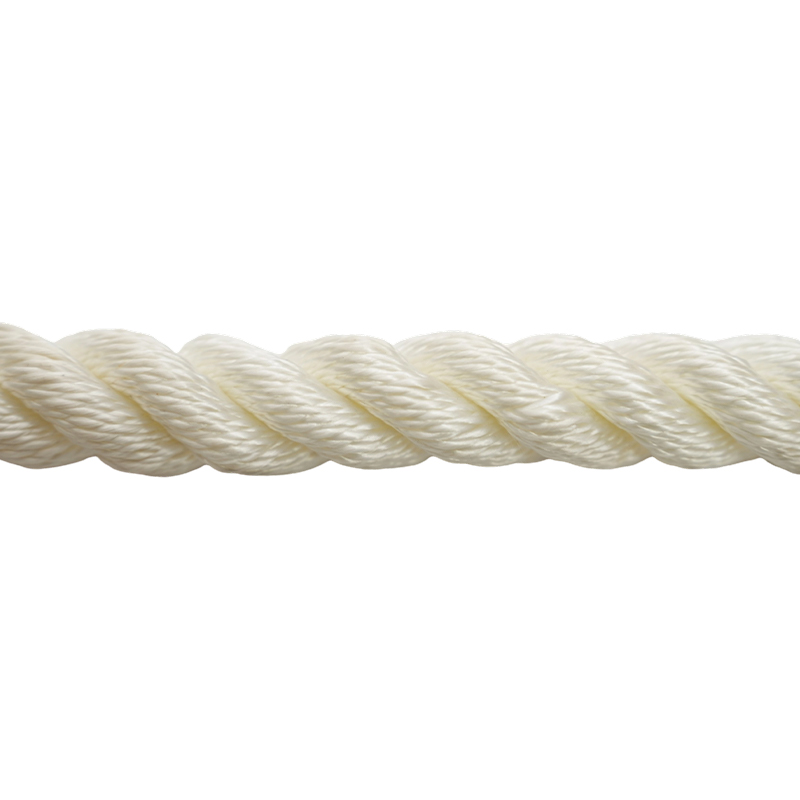
3-Strand Polypropylene Mono-filament Mooring Rope / Line
-
 View More
3-Strand Polypropylene Multi-Filament Hawser Mooring Rope / Line
-
 View More
8-Strand Polypropylene Mono-filament Hawser Mooring Rope / Line
-
 View More
8-Strand Polypropylene Multi-filament Mooring Rope / Line
-
 View More
12-Strand Polypropylene Multi-filament Hawser Mooring Rope / Line
-
 View More
Polypropylene Multi-filament Double Braided Hawser Mooring Rope / Line
-
 View More
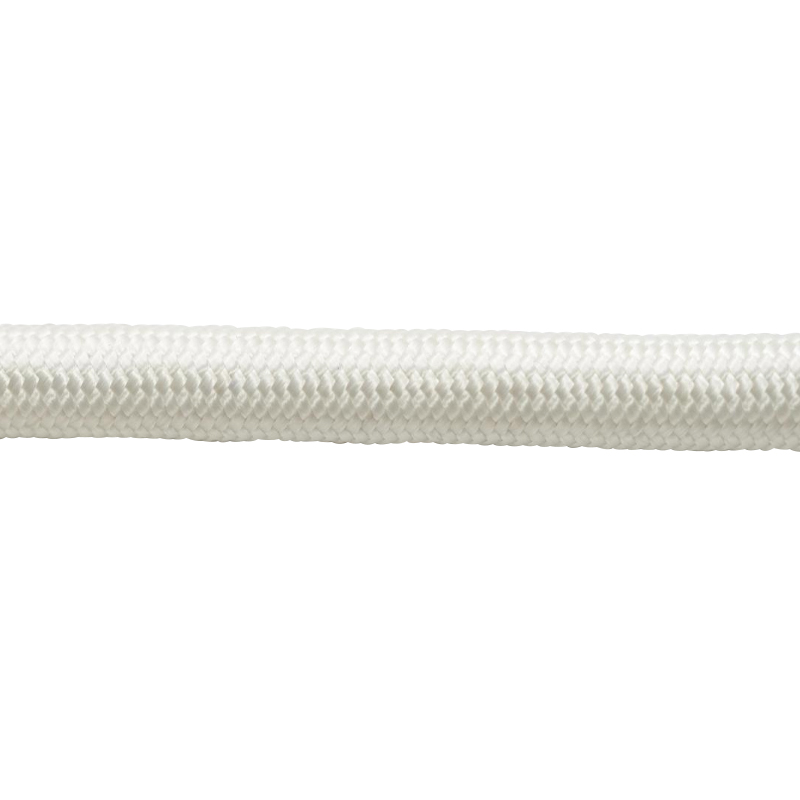
Polypropylene Multi-filament Reduced Recoil Mooring Rope / Line
-
 View More
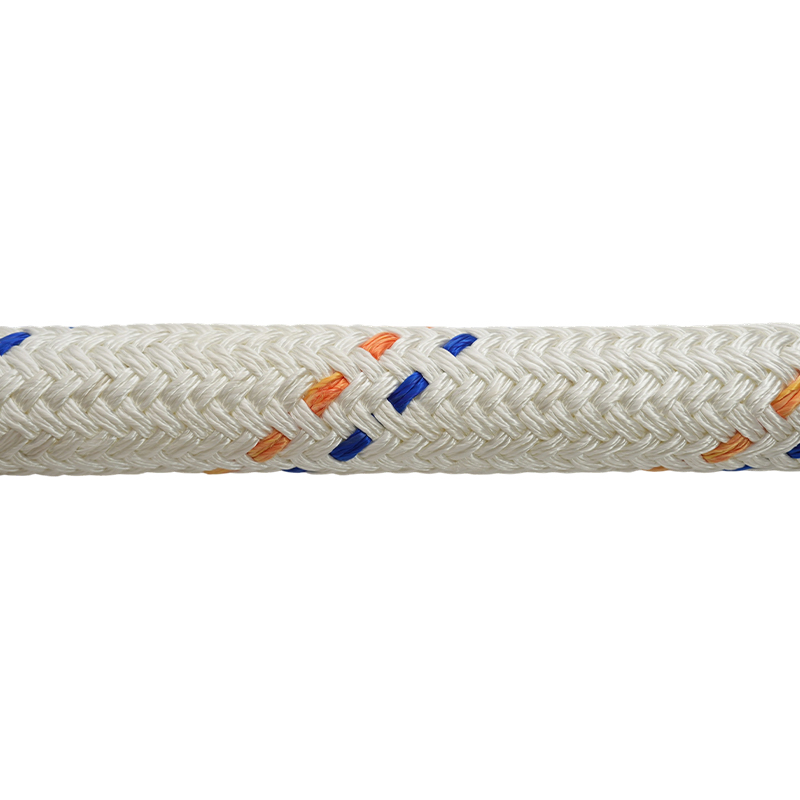
Polypropylene Multi-filament Mooring Tail
-
 View More
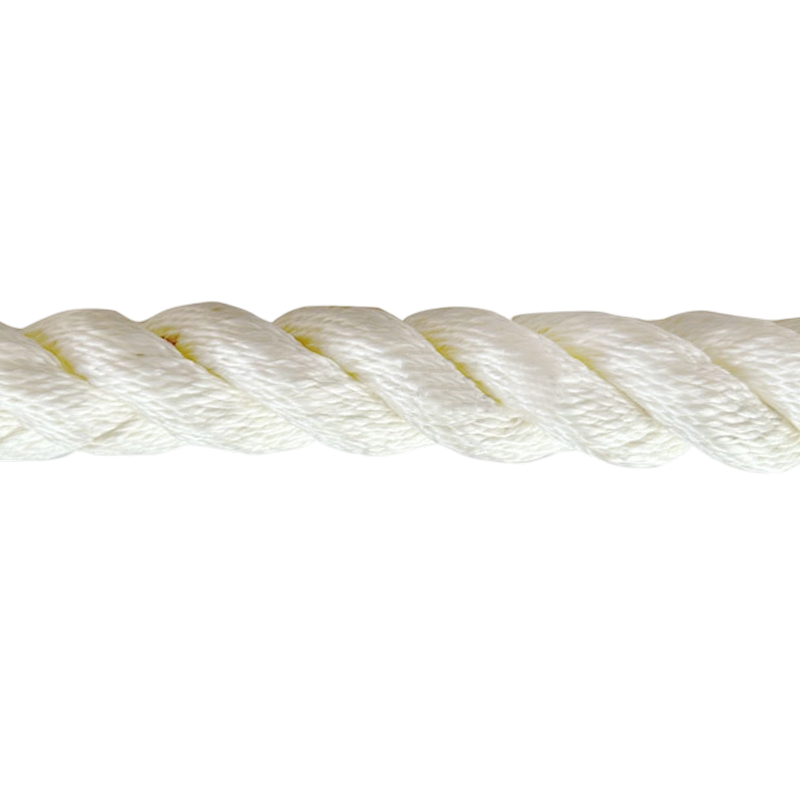
3-Strand Polyester Mooring Rope / Line
-
 View More
8-Strand Polyester Hawser Mooring Rope / Line
-
 View More
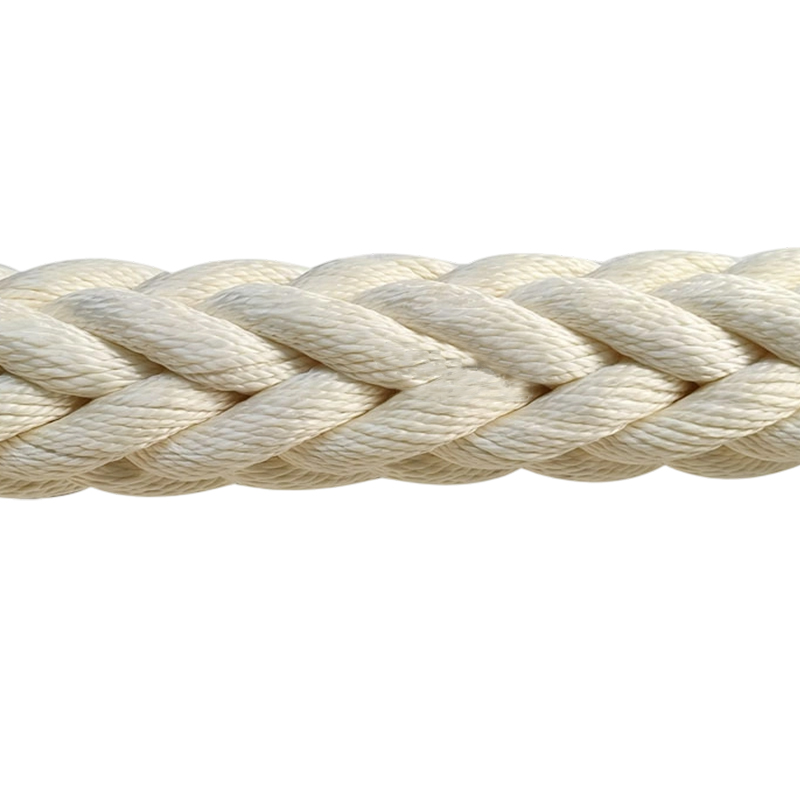
12-Strand Polyester Mooring Rope / Line,Hawser
-
 View More
Polyester Double Braided Hawser Mooring Rope / Line