


 English
 Español
 عربى
عربى
Rope Size Chart in mm: Mooring Rope Diameter Guide
Content
- 1 Rope Size Chart in mm: The Direct Answer
- 2 How to Read a Rope Size Chart in mm Correctly
- 3 Mooring Rope Diameter and Breaking Strength: The Real Relationship
- 4 Comparing Rope Materials at the Same Diameter
- 5 Choosing the Correct Mooring Rope Size for a Vessel
- 6 Common Mistakes When Matching Rope Diameter to Hardware
- 7 Measuring Existing Rope Accurately Before Replacement
- 8 How Splicing and Knots Affect Effective Rope Diameter and Strength
- 9 Storage, Handling, and Environmental Effects on Rope Sizing Over Time
- 10 Regional Sizing Conventions and Metric Versus Imperial Habits
- 11 Frequently Asked Questions About Rope Size Charts and Mooring Rope
- 11.1 What mm size mooring rope do I need for a 12 meter boat?
- 11.2 Is a thicker rope always stronger?
- 11.3 Why does my rope measure a different size than the label says?
- 11.4 Can I mix inch and mm sizing when replacing rope?
- 11.5 Does rope diameter affect how easily it runs through a winch?
- 11.6 How often should mooring rope be inspected for wear that changes its effective diameter?
- 11.7 Should spring lines be the same diameter as bow and stern lines?
- 11.8 Does a spliced eye change what diameter I should choose?
- 11.9 Is it better to size up if I am unsure between two diameters on the chart?
- 11.10 Do floating ropes need different diameter sizing compared with sinking ropes?
- 11.11 How much shorter does a mooring rope get after the first few uses?
Rope Size Chart in mm: The Direct Answer
A rope size chart in mm lists rope diameter in millimeters alongside its approximate inch equivalent, typical breaking strength, and recommended working load. For general Mooring Rope use on boats and vessels, diameters commonly range from 10mm on small tenders up to 40mm or more on commercial vessels, with the rule of thumb being roughly 1mm of diameter for every 500kg to 600kg of vessel displacement under normal conditions. The sections below expand on this quick answer, covering conversion figures, strength data, material differences, hardware compatibility, storage, splicing effects, regional sizing habits, and a long list of frequently asked questions so that the full picture is available in one place rather than scattered across several sources.
| Diameter (mm) | Diameter (inch) | Typical Use |
|---|---|---|
| 6mm | 1/4 inch | Flag halyards, light utility lines |
| 8mm | 5/16 inch | Dinghies, small utility lines |
| 10mm | 3/8 inch | Small runabouts, fender lines |
| 12mm | 1/2 inch | Mid-size sailboats, dock lines |
| 14mm | 9/16 inch | Cruisers up to 10 meters |
| 16mm | 5/8 inch | Standard mooring rope, 10 to 15 meter vessels |
| 18mm | 11/16 inch | Larger motor cruisers |
| 20mm | 3/4 inch | Motor yachts, workboats |
| 22mm | 7/8 inch | Larger workboats, small tugs |
| 24mm | 15/16 inch | Larger commercial vessels |
| 28mm | 1-1/8 inch | Tugs, terminal mooring lines |
| 32mm to 40mm | 1-1/4 to 1-5/8 inch | Barges, heavy terminal mooring, harbor tugs |
How to Read a Rope Size Chart in mm Correctly
A rope size chart in mm only tells part of the story if it is read in isolation. The nominal diameter printed on a spec sheet is measured under a light reference load, usually around 5 percent of the rated breaking strength, because rope is a flexible structure that compresses slightly under any tension. This means the same rope labeled 16mm can measure anywhere from 15.4mm to 16.6mm depending on how tightly it was wound, how much it has been handled, and whether it is wet or dry at the time of measurement.
Construction Changes the Feel of the Same mm Size
Three-strand twisted Mooring Rope tends to measure slightly larger for the same rated diameter compared with an eight-plait or double braid rope of identical strength, because the twisted construction has more surface bulk relative to its core strength. A 16mm three-strand line and a 14mm double braid line can carry very similar working loads, which is why diameter alone should never be the only figure used when replacing rope.
Tolerance Bands to Expect
Most rope manufacturers work to a tolerance of plus or minus 5 percent on nominal diameter. On a 20mm rope that is a spread of roughly 19mm to 21mm, which rarely affects performance but can matter when a rope has to pass through a tight fairlead, chock, or self-tailing winch drum with limited clearance.
Why Some Charts List a Range Instead of a Single Figure
Some manufacturer charts publish a diameter range rather than one fixed number, especially for natural fiber look-alike ropes and softer lay constructions. This happens because softer or more elastic constructions settle to a slightly smaller working diameter once they have been under load for the first time, sometimes called bedding in, and the chart accounts for that early change so that buyers are not surprised when a brand new coil measures larger than expected on the shelf.

Mooring Rope Diameter and Breaking Strength: The Real Relationship
Breaking strength does not scale in a straight line with diameter. Because strength is tied to the cross-sectional area of the fiber bundle, strength increases roughly with the square of the diameter, so doubling the diameter of a Mooring Rope can increase breaking strength by nearly four times rather than two. This is why a jump from 12mm to 16mm produces a bigger strength gain than the diameter difference alone would suggest.
- 10mm polyester double braid: approximately 1,500kgf minimum breaking load
- 12mm polyester double braid: approximately 2,200kgf minimum breaking load
- 14mm polyester double braid: approximately 3,000kgf minimum breaking load
- 16mm polyester double braid: approximately 3,800kgf minimum breaking load
- 18mm polyester double braid: approximately 4,600kgf minimum breaking load
- 20mm polyester double braid: approximately 5,500kgf minimum breaking load
- 22mm polyester double braid: approximately 6,600kgf minimum breaking load
- 24mm polyester double braid: approximately 7,700kgf minimum breaking load
- 28mm polyester double braid: approximately 10,500kgf minimum breaking load
- 32mm polyester double braid: approximately 13,500kgf minimum breaking load
- 36mm polyester double braid: approximately 16,800kgf minimum breaking load
- 40mm polyester double braid: approximately 20,500kgf minimum breaking load
These figures are typical published ranges for standard double braid polyester construction and will vary between manufacturers, so the datasheet for the specific rope on hand should always be the final reference point rather than a general chart.
Working Load Is Not Breaking Load
Working load limit is normally set at a fraction of breaking strength, commonly one fifth to one sixth for fiber rope used in dynamic mooring situations, to account for shock loading, chafe, UV degradation over time, and knots or splices that reduce effective strength. A 20mm mooring line rated at 5,500kgf breaking strength should realistically be treated as good for continuous working loads closer to 900kgf to 1,100kgf.
How Age and Wear Reduce Effective Strength Without Changing Diameter
A rope can retain close to its original mm measurement while losing a meaningful share of its original strength. Repeated UV exposure breaks down surface fibers even when the core is largely intact, and constant flexing over a single chock point work-hardens fibers and makes them more brittle. A rope that still measures correctly on a rope size chart in mm after two or three seasons of hard use may only retain 60 to 80 percent of its original rated strength, which is one reason experienced boat owners replace mooring lines on a schedule rather than waiting for visible failure.
Comparing Rope Materials at the Same Diameter
Two ropes of identical mm diameter can behave completely differently depending on the fiber used. Choosing purely from a rope size chart in mm without considering material can lead to a line that is technically thick enough but performs poorly for the intended job.
| Material | Relative Strength | Stretch Under Load | Best Fit |
|---|---|---|---|
| Nylon | High | High, 15 to 25 percent | Anchor rode, shock absorption |
| Polyester | High | Low, around 8 to 12 percent | General mooring rope, dock lines |
| Polypropylene | Moderate | Moderate | Floating lines, temporary lines |
| HMPE core blends | Very high | Very low | High load, low stretch applications |
| Manila and natural fiber | Lower | Moderate, changes with moisture | Traditional or decorative applications |
Polyester remains the most common choice for Mooring Rope because it combines low stretch with good abrasion resistance and resists UV breakdown better than nylon over years of outdoor exposure. Nylon is favored where some elasticity helps absorb sudden snatch loads, such as anchor rode in a seaway.
Why Stretch Percentage Matters as Much as Diameter
A thicker rope with high stretch can sometimes allow more total movement of a vessel at the dock than a slightly thinner low stretch line, which matters in tight marina berths where fenders and neighboring boats leave little room for surge. Matching stretch behavior to the berth, not just picking the biggest number on a rope size chart in mm, produces a safer and more comfortable mooring setup.
Core and Cover Ratios in Braided Construction
In double braid rope, the load-bearing core typically carries 60 to 70 percent of total strength while the cover provides abrasion protection and a comfortable grip. Two ropes of the same mm diameter and material can still differ in strength if one manufacturer uses a thicker cover and thinner core to achieve a particular hand feel, which is another reason brand-specific data sheets matter more than a generic chart.

Choosing the Correct Mooring Rope Size for a Vessel
Selecting from a rope size chart in mm should start with vessel displacement rather than length alone, since two boats of the same length can have very different weight and windage. A common starting formula used across the trade divides displacement in kilograms by roughly 500 to 600 to arrive at a suggested diameter in millimeters, then adjusts upward for high windage vessels or exposed berths.
- Vessels under 8 meters and light displacement: 10mm to 12mm mooring rope is typically adequate
- Vessels 8 to 12 meters: 12mm to 16mm is the common range
- Vessels 12 to 18 meters: 16mm to 20mm is standard
- Vessels 18 to 25 meters or high windage designs: 20mm to 28mm is common
- Commercial vessels, tugs, and barges: 28mm and above, often specified per terminal or classification requirements
Cleat and Bollard Compatibility
Diameter must also match the deck hardware. A rope that is too thick will not seat properly in a chock or fairlead and will chafe rapidly at the contact point, while a rope that is too thin on a large cleat will not hold its wraps securely and can slip under load. As a general guide, the horn length of a cleat should be at least eight times the rope diameter for a secure and easily released cleat hitch.
Adjusting for Sailboats Versus Motor Yachts
Sailboats typically carry less windage forward and aft compared with flybridge motor yachts of similar length, since a motor yacht superstructure catches significantly more wind. It is common practice to size mooring rope one step larger than the displacement formula suggests on high freeboard motor yachts, and one step smaller on low profile racing sailboats where weight saving is a priority and shelter is usually better managed.
Catamarans and Multihulls
Catamarans often need two separate bow lines and two stern lines rather than a single heavier line, since load is split across two hulls and two sets of cleats. Each individual line on a catamaran can often be sized one step smaller than the single-hull equivalent formula would suggest, because total holding capacity is the sum of both lines working together rather than one line alone.
Spring Lines and Their Sizing Logic
Spring lines resist fore and aft movement rather than pulling the vessel directly against the dock, and they are frequently subjected to the highest dynamic loads of any mooring line during wake, current, or tidal surge. Many experienced skippers size spring lines one increment larger on the rope size chart in mm than the bow and stern lines on the same vessel for this reason.
Common Mistakes When Matching Rope Diameter to Hardware
Sizing mistakes are more common than diameter miscalculations. The rope size chart in mm is only useful once these practical issues are also accounted for.
- Buying rope based on the size of the rope being replaced without checking whether the original size was actually correct for the vessel
- Ignoring the difference between nominal diameter and actual measured diameter after months of use and UV exposure
- Choosing a rope purely by breaking strength while overlooking chafe resistance, which is often the actual failure point on a dock line
- Selecting a diameter too small to fit comfortably and safely in a self-tailing winch, causing slippage under load
- Mixing rope types on the same vessel, such as pairing a stretchy nylon Mooring Rope with a low-stretch polyester spring line, which can create uneven load sharing between lines
- Assuming a rope size chart in mm from one manufacturer applies directly to another brand without checking the actual data sheet, since construction and fiber grade differ between suppliers
- Overlooking chock radius, since a small chock radius combined with a stiff, thick rope can create sharp bending stress right where the line needs the most flexibility
- Storing new rope coiled tightly in direct sun before first use, which can begin UV degradation before the rope has even been put into service
Measuring Existing Rope Accurately Before Replacement
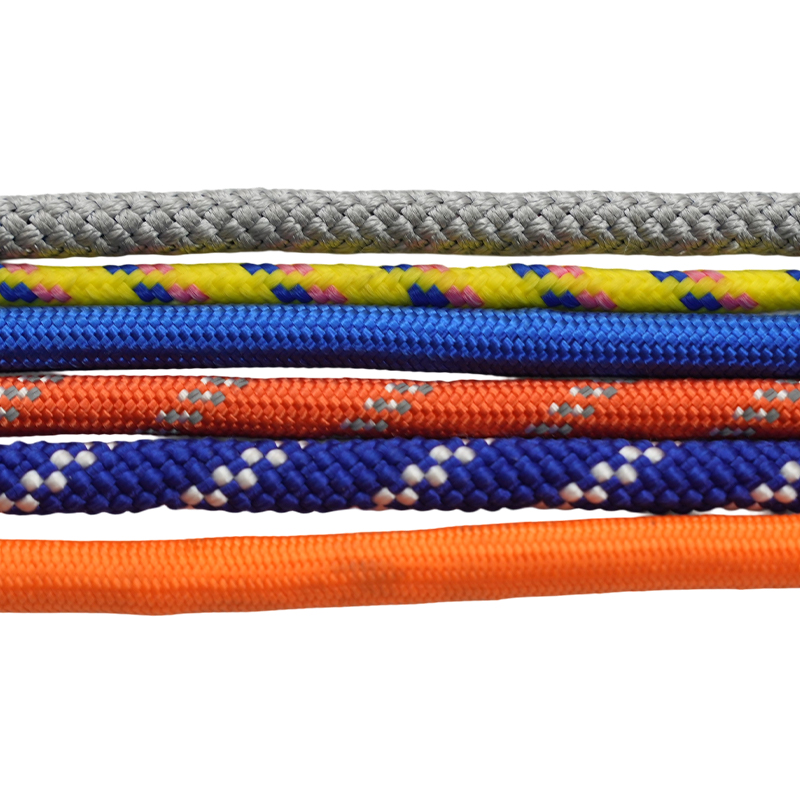
When there is no label or spec sheet available, physically measuring the old rope is the most reliable way to select a replacement size from a rope size chart in mm.
- Lay the rope flat on a hard surface without pulling it taut, since stretching it changes the apparent diameter
- Wrap a soft measuring tape or string once fully around the rope circumference
- Divide the circumference measurement by 3.14 to calculate the diameter
- Round to the nearest standard trade size on the mm chart, since ropes are not typically produced in every single millimeter increment
- Check the result against the vessel displacement guidance to confirm the old size was appropriate in the first place
- Compare the measurement at three different points along the rope length, since a rope that has seen heavy chafe at one section may read thinner there than elsewhere
Calipers give a faster reading but tend to compress soft rope construction and can under-read by half a millimeter or more, so the circumference method is generally considered more accurate for braided Mooring Rope.
How Splicing and Knots Affect Effective Rope Diameter and Strength
A rope size chart in mm assumes a straight, unmodified section of line, but almost every mooring rope in service has at least one spliced eye, and many have knots added for temporary adjustments. A properly formed eye splice typically retains 90 to 95 percent of the rope's straight line breaking strength, which is far better than most knots manage.
Knot Strength Loss Compared With Splicing
A simple bowline, one of the most common knots used to form a temporary loop in mooring rope, commonly reduces strength by around 30 to 40 percent compared with an unknotted section, because the tight bend radius inside the knot concentrates stress on a small portion of the fibers. This is one of the most overlooked factors when sailors rely on chart-based strength figures without accounting for how the rope will actually be rigged.
Whipping and Melting Rope Ends
Synthetic rope ends should be whipped or heat sealed immediately after cutting to prevent the strands or braid from unraveling, since an unraveled end effectively increases the working diameter at that point while reducing the number of load-bearing fibers reaching the cleat or splice, undermining both the fit and the strength assumptions taken from the original mm chart.
Storage, Handling, and Environmental Effects on Rope Sizing Over Time
Rope diameter and strength are not fixed for the life of the product. Environmental exposure gradually changes both figures, and understanding this helps explain why a rope size chart in mm should be treated as a starting reference rather than a permanent guarantee.
- Constant sun exposure degrades polypropylene faster than polyester or nylon, often shortening its useful service life to two or three seasons in strong sun climates
- Saltwater crystallization inside the rope core can add abrasive particles between fibers, accelerating internal wear that is not visible from the outside
- Rope stored wet in a sealed locker without airflow is prone to mildew, which weakens natural fiber lines far more than synthetic ones
- Rope that is repeatedly bent sharply around the same small radius, such as a tight chock, develops localized fatigue well before the rest of the line shows wear
- Freezing temperatures make some synthetic fibers temporarily stiffer, which can make handling more difficult in cold climates even though rated strength is largely unaffected
Rotating Mooring Lines to Extend Service Life
Periodically reversing which end of a mooring rope is spliced to the cleat, and rotating which line is used as the primary spring versus a secondary breast line, spreads wear more evenly across the full length of rope rather than concentrating fatigue at one fixed contact point.
rope.jpg)
Regional Sizing Conventions and Metric Versus Imperial Habits
Most of the world outside North America specifies rope by millimeter diameter as the default, which is why a rope size chart in mm is the primary reference for European, Asian, and Australian buyers, while some North American suppliers still lead with inch fractions and list millimeters as a secondary conversion. This difference occasionally causes confusion when importing Mooring Rope internationally, since a rope sold as a rounded inch size, such as five eighths inch, is not always an exact match for the closest rounded millimeter size, such as 16mm, due to how each manufacturer rounds its trade sizes.
Why Small Rounding Differences Matter for Bulk Orders
A one millimeter difference across a large bulk mooring rope order for a marina or shipping terminal can add up to a noticeable difference in total fiber weight and cost, so buyers working across metric and imperial supply chains are advised to confirm actual measured diameter and weight per meter rather than relying on the trade name alone.
Frequently Asked Questions About Rope Size Charts and Mooring Rope
What mm size mooring rope do I need for a 12 meter boat?
Most 12 meter cruising boats of moderate displacement are comfortably served by 14mm to 16mm mooring rope, with 16mm being the safer default for exposed berths or higher windage hulls.
Is a thicker rope always stronger?
Generally yes for the same material and construction, since strength increases with cross-sectional area, but material and construction quality can outweigh diameter alone. A high quality 14mm polyester line can match or exceed the strength of a lower quality 16mm line.
Why does my rope measure a different size than the label says?
Manufacturing tolerance of around plus or minus 5 percent, along with wear, water absorption, and measurement method, all cause small variations from the nominal mm size printed on the packaging.
Can I mix inch and mm sizing when replacing rope?
Yes, since both are just measurement systems for the same physical diameter. Using a conversion chart to match the closest available size in the other unit works fine as long as the resulting diameter fits the hardware correctly.
Does rope diameter affect how easily it runs through a winch?
Yes, diameter needs to match the winch drum grooves and self-tailing jaws closely. Rope that is too thin will slip in a self-tailer, while rope that is too thick may not seat in the grooves at all.
How often should mooring rope be inspected for wear that changes its effective diameter?
A visual and hand-feel inspection every few months is reasonable for regularly used lines, checking closely at chocks, cleats, and any point of constant chafe where fibers can thin out well before the rest of the line shows wear.
Should spring lines be the same diameter as bow and stern lines?
Not necessarily. Spring lines often see the highest dynamic loads on a moored vessel, so many owners choose one size larger for spring lines than for the primary bow and stern lines.
Does a spliced eye change what diameter I should choose?
The diameter selection itself does not usually change, but it is worth confirming that the finished eye splice still passes freely through the intended cleat, bollard, or fairlead, since a splice adds bulk at that section of the line.
Is it better to size up if I am unsure between two diameters on the chart?
In most cases yes, since a slightly larger rope adds a safety margin at a modest cost, as long as the size still fits the vessel's cleats, chocks, and winches without binding or excessive bulk.
Do floating ropes need different diameter sizing compared with sinking ropes?
Diameter selection follows the same displacement and hardware logic regardless of whether the rope floats, but floating polypropylene lines are generally lower strength per millimeter than polyester, so a floating line intended for the same load may need to be one size larger.
How much shorter does a mooring rope get after the first few uses?
Most synthetic mooring rope constructions settle slightly during their first period of real use, sometimes shortening by one to three percent of total length as the fibers bed in, which is a normal part of the break-in process rather than a defect.
PREV:Halyards for Sailboats: Types, Sizing, Slings & Maintenance Guide
NEXT:What Is a Rope Ruler and Why It Matters for Mooring Rope?
NEXT:What Is a Rope Ruler and Why It Matters for Mooring Rope?
Related Products
-
 View More
3-Strand Polypropylene Mono-filament Mooring Rope / Line
-
 View More
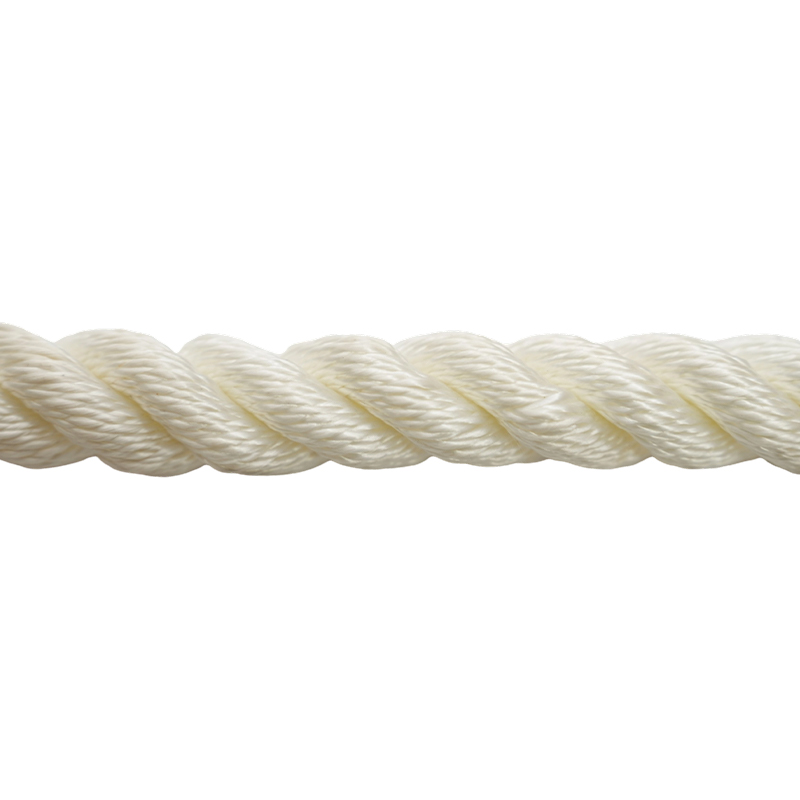
3-Strand Polypropylene Multi-Filament Hawser Mooring Rope / Line
-
 View More
8-Strand Polypropylene Mono-filament Hawser Mooring Rope / Line
-
 View More
8-Strand Polypropylene Multi-filament Mooring Rope / Line
-
 View More
12-Strand Polypropylene Multi-filament Hawser Mooring Rope / Line
-
 View More
Polypropylene Multi-filament Double Braided Hawser Mooring Rope / Line
-
 View More
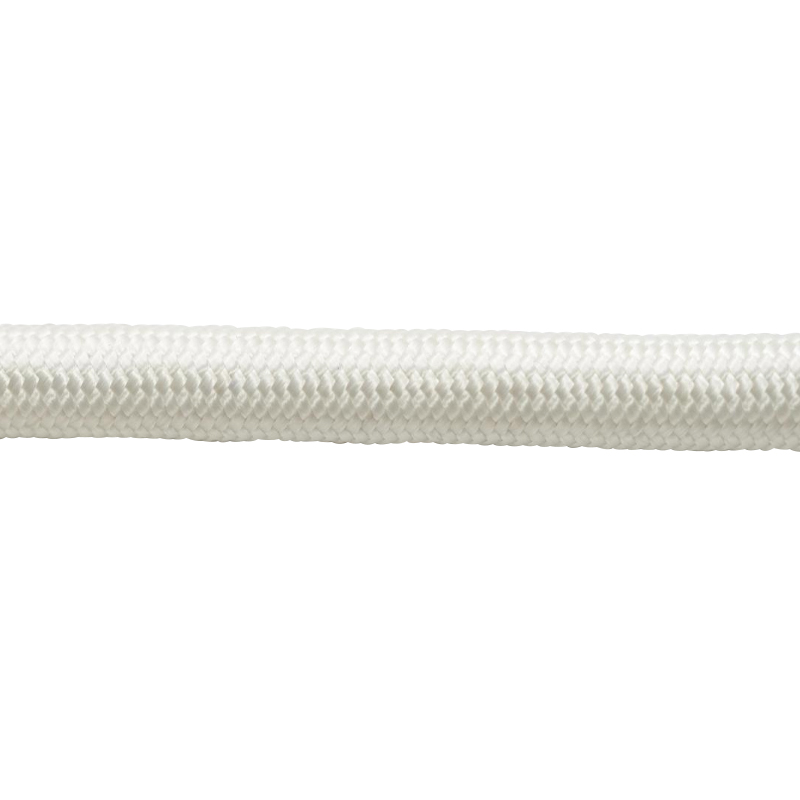
Polypropylene Multi-filament Reduced Recoil Mooring Rope / Line
-
 View More
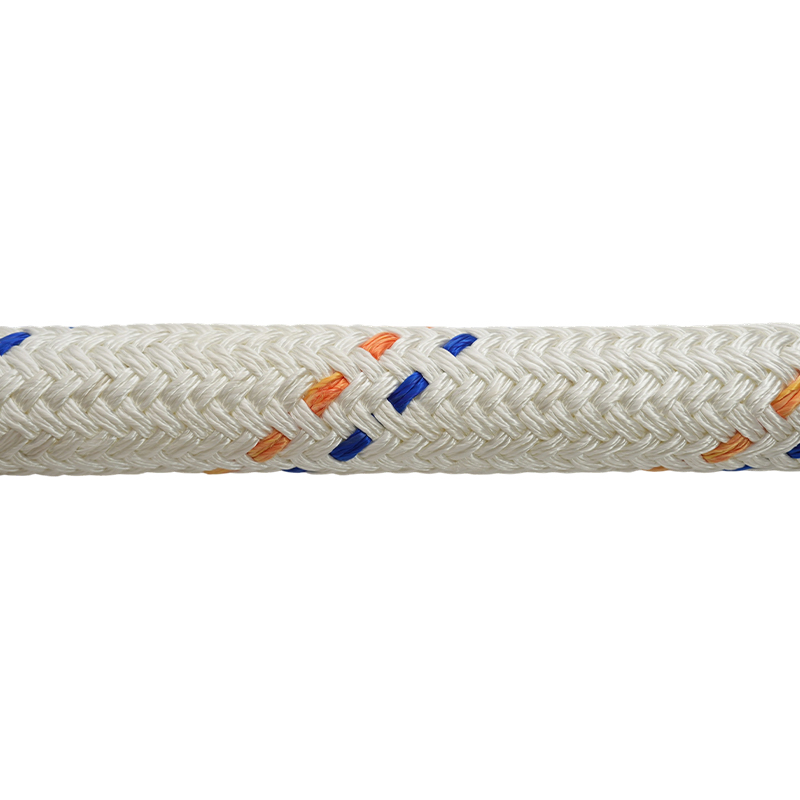
Polypropylene Multi-filament Mooring Tail
-
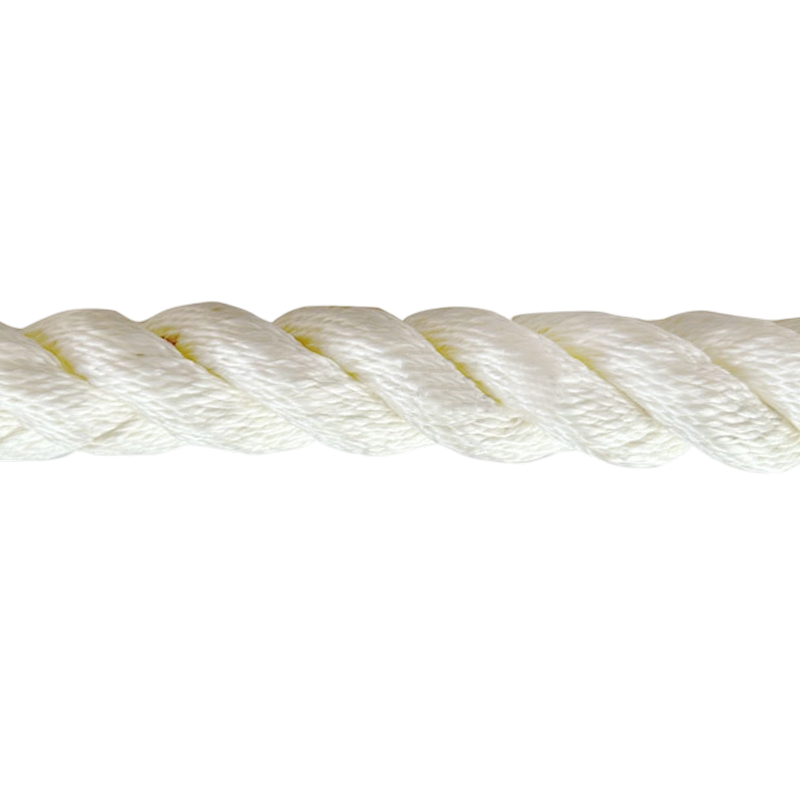 View More
3-Strand Polyester Mooring Rope / Line
-
 View More
8-Strand Polyester Hawser Mooring Rope / Line
-
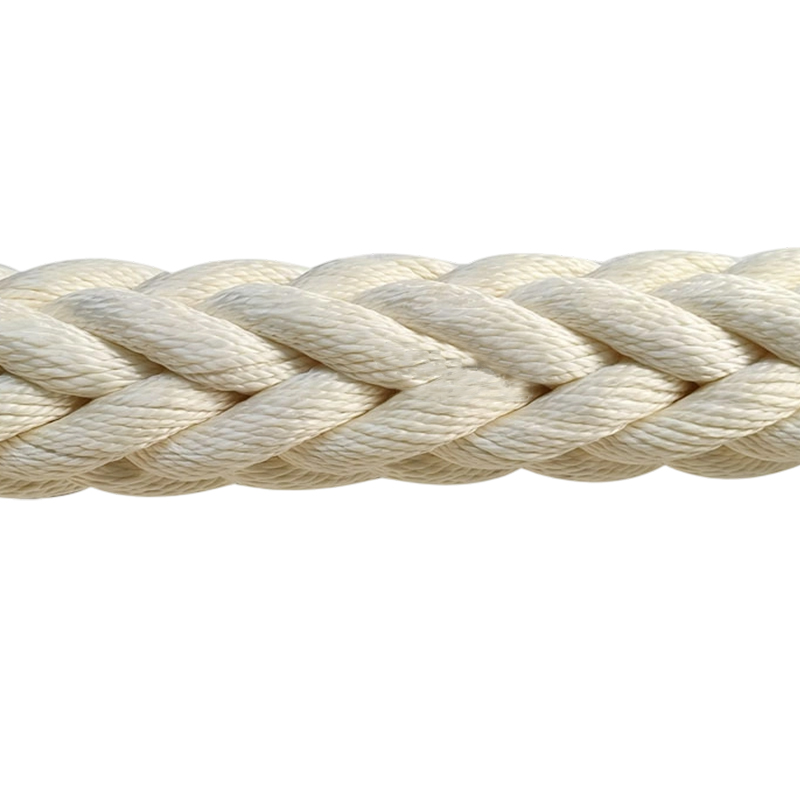 View More
12-Strand Polyester Mooring Rope / Line,Hawser
-
 View More
Polyester Double Braided Hawser Mooring Rope / Line