


 English
 Español
 عربى
عربى
How do you calculate mooring rope?
Content
The Core Logic of Mooring Rope Calculation
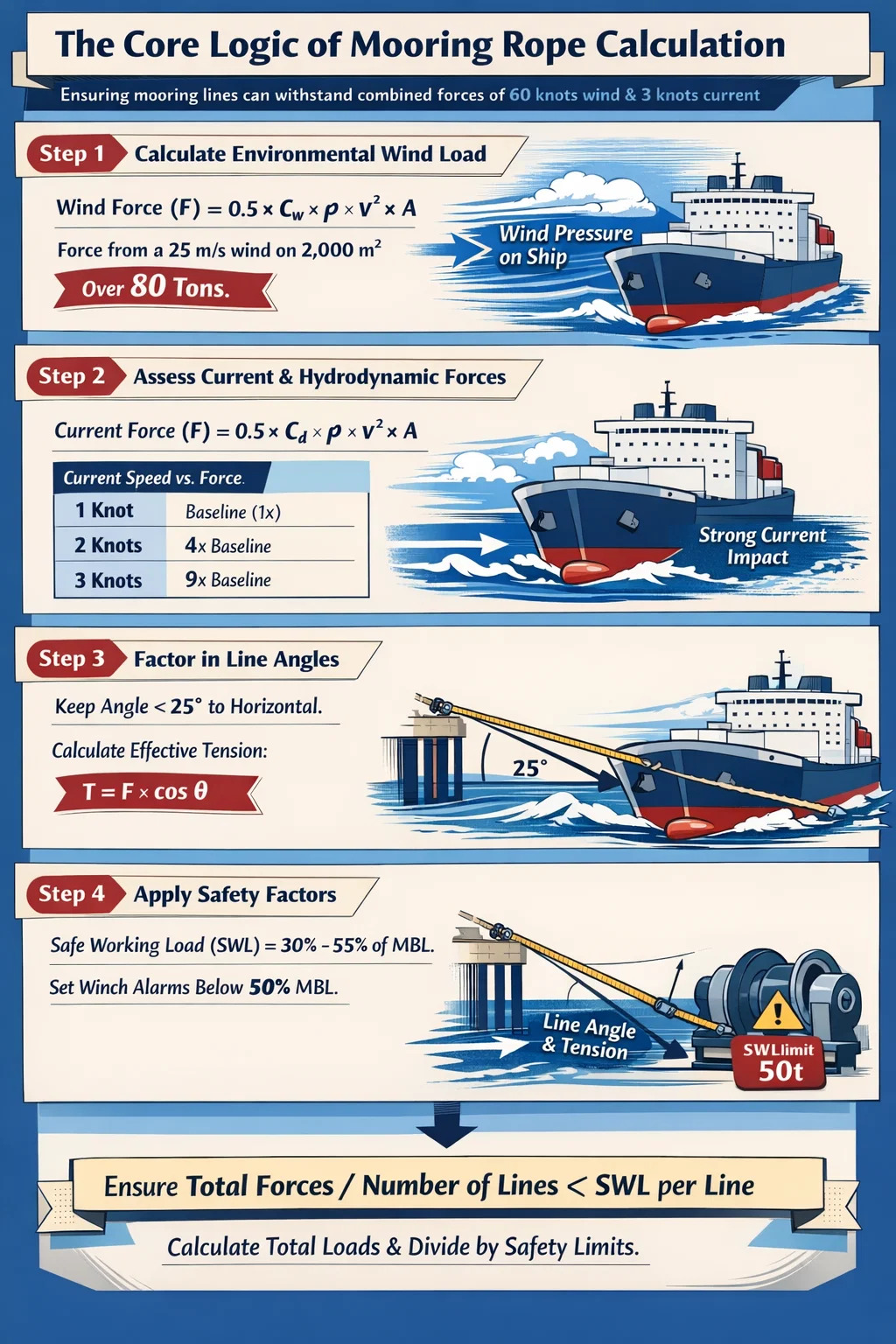
To determine the requirements for a mooring rope, you must calculate the total environmental forces acting on the vessel—primarily wind and current— and ensure the Minimum Breaking Load (MBL) of the selected lines exceeds these forces by a specific safety margin. For most standard merchant vessels, the cumulative strength of the mooring system must be able to withstand a 60-knot wind and a 3-knot current simultaneously.
The calculation is not just about choosing a thick rope; it involves analyzing the vessel's Equipment Number (EN), the windage area, and the angle of the lines relative to the pier. A direct conclusion for a standard 50,000 DWT bulk carrier might involve using 12 to 16 individual mooring lines, each with an MBL of approximately 50 to 65 tons, depending on the specific port conditions.
Step 1: Calculating Environmental Wind Load
Wind is often the most aggressive force pushing a ship away from the dock. The force exerted by the wind depends on the lateral windage area (the side profile of the ship above the waterline).
The Transverse Wind Force Formula
To find the pressure, engineers use the formula where force equals the wind pressure coefficient multiplied by the air density, wind velocity squared, and the projected area. In practical maritime terms, for a ship with a lateral area of 2,000 square meters facing a 25 m/s wind, the force can exceed 80 tons of lateral pull.
- Identify the ship's profile area in its ballast (empty) condition, as this presents the maximum surface to the wind.
- Account for the wind drag coefficient, which varies based on the hull shape and superstructure design.
- Determine the maximum expected gust speed at the specific port or terminal.
Step 2: Assessing Current and Hydrodynamic Forces
While wind hits the top, the current pushes the hull below the waterline. Water is much denser than air, so even a slow-moving current can exert massive pressure on a mooring line.
The force of the current increases with the square of the velocity. If the current speed doubles, the force quadruples. For a vessel docked in a river with a 4-knot current, the longitudinal force trying to slide the ship along the pier can be immense, requiring heavy-duty spring lines to counteract the motion.
| Current Speed (Knots) | Relative Force Increase | Typical Impact on Mooring Line |
|---|---|---|
| 1 Knot | Baseline (1x) | Standard tension |
| 2 Knots | 4x Baseline | High tension, monitor winches |
| 3 Knots | 9x Baseline | Maximum limit for standard setup |
Step 3: Factor in Line Angles and Geometry
A mooring rope is rarely pulled in a perfectly straight horizontal line. The effectiveness of the rope decreases as the angle between the rope and the direction of the force increases.
Vertical and Horizontal Efficiency
If a rope is sent to a high pier at a steep vertical angle, its ability to pull the ship horizontally toward the dock is significantly reduced. You must calculate the effective tension using trigonometry (cosine of the angle). As a rule of thumb, mooring lines should be kept as long as possible and at an angle of less than 25 degrees to the horizontal to maintain efficiency.
Step 4: Safety Factors and Working Load Limits
You should never load a mooring line to its full breaking strength. Doing so would lead to immediate failure at the slightest gust of wind.
The Safe Working Load (SWL) is typically calculated as a percentage of the MBL. For synthetic fiber ropes, the working tension during normal operations should be kept below 30% to 55% of the MBL. If a rope has an MBL of 100 tons, the winches should be set to render or alarm if the tension exceeds 50 tons to provide a buffer for dynamic surges caused by passing ships.
In summary, calculating a mooring rope system requires summing the wind force and current force, dividing that total by the number of effective lines in that direction, and then applying a safety factor to ensure each line is operating well within its structural limits.
Related Products
-
 View More
3-Strand Polypropylene Mono-filament Mooring Rope / Line
-
 View More
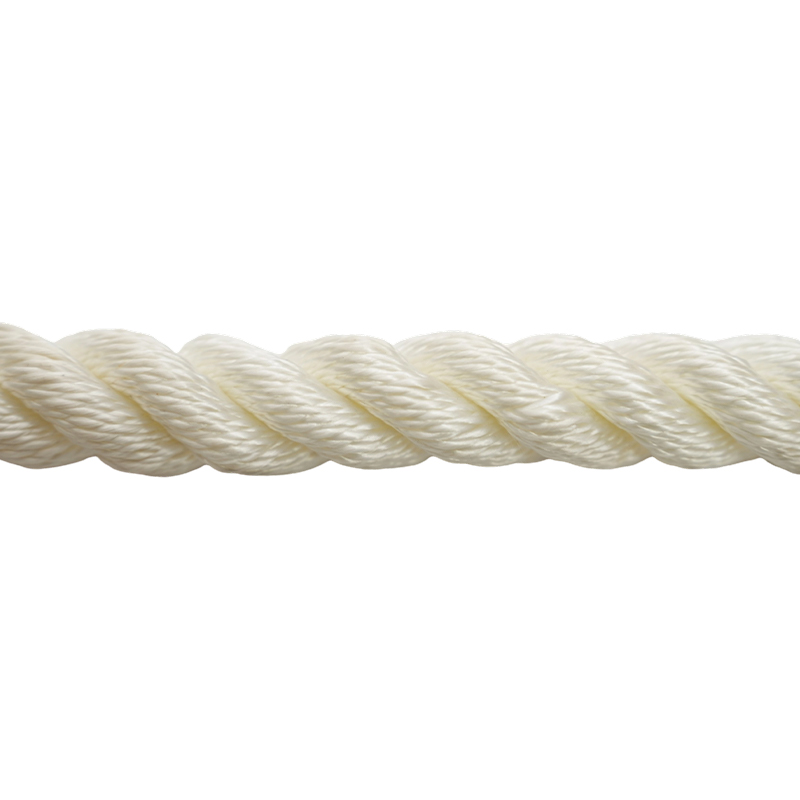
3-Strand Polypropylene Multi-Filament Hawser Mooring Rope / Line
-
 View More
8-Strand Polypropylene Mono-filament Hawser Mooring Rope / Line
-
 View More
8-Strand Polypropylene Multi-filament Mooring Rope / Line
-
 View More
12-Strand Polypropylene Multi-filament Hawser Mooring Rope / Line
-
 View More
Polypropylene Multi-filament Double Braided Hawser Mooring Rope / Line
-
 View More
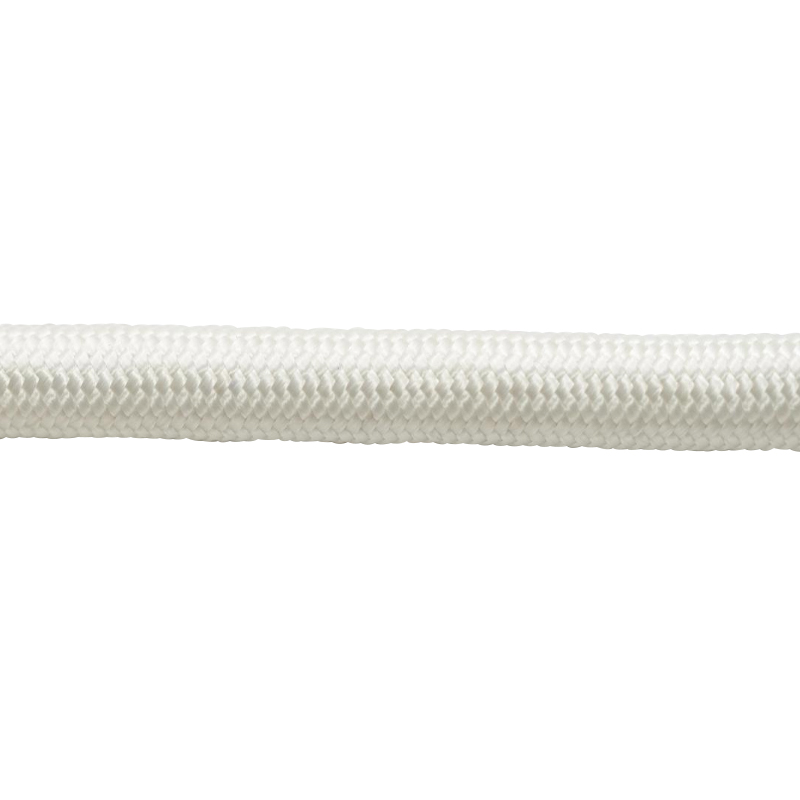
Polypropylene Multi-filament Reduced Recoil Mooring Rope / Line
-
 View More
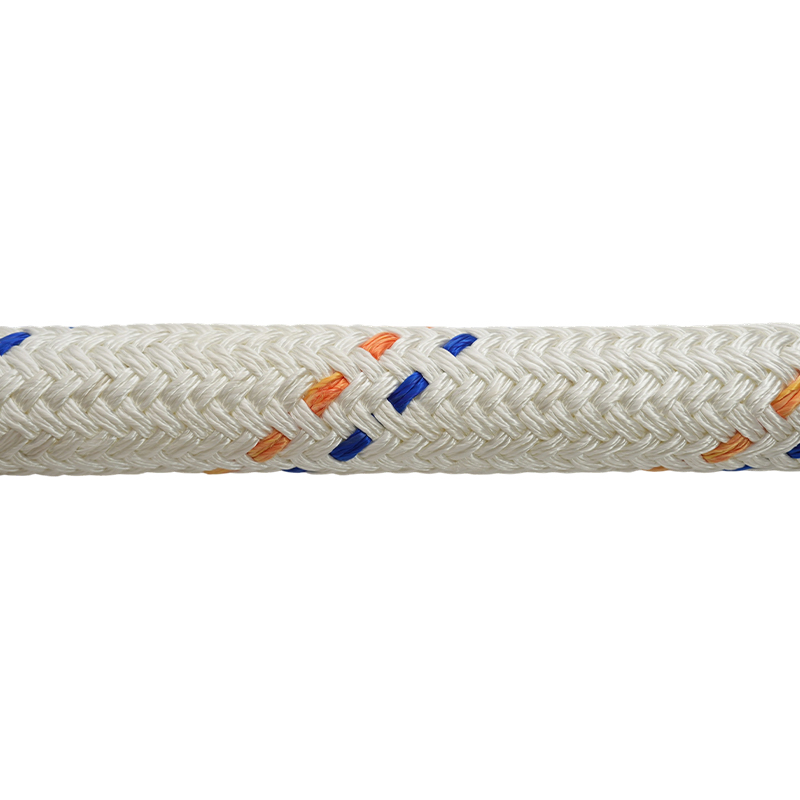
Polypropylene Multi-filament Mooring Tail
-
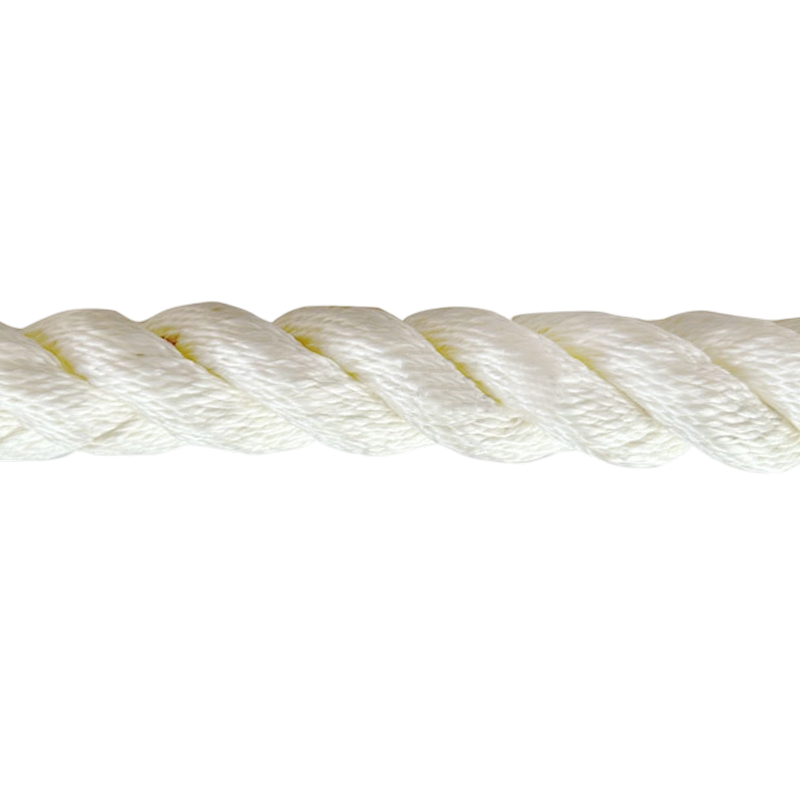 View More
3-Strand Polyester Mooring Rope / Line
-
 View More
8-Strand Polyester Hawser Mooring Rope / Line
-
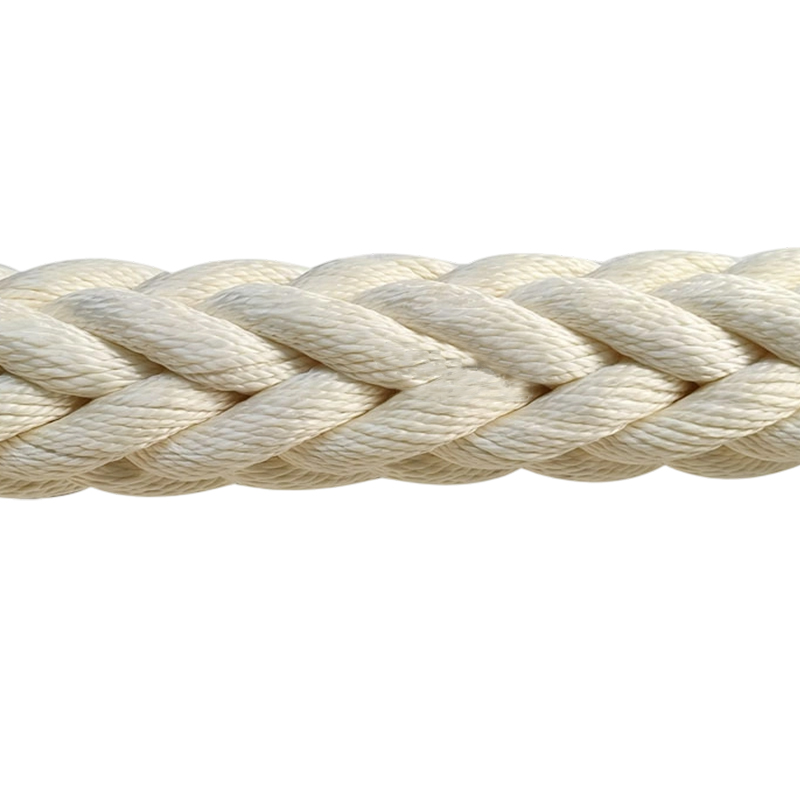 View More
12-Strand Polyester Mooring Rope / Line,Hawser
-
 View More
Polyester Double Braided Hawser Mooring Rope / Line