


 English
 Español
 عربى
عربى
What size mooring rope do I need?
Content
Quick Answer: Selecting the Right Mooring Rope Size
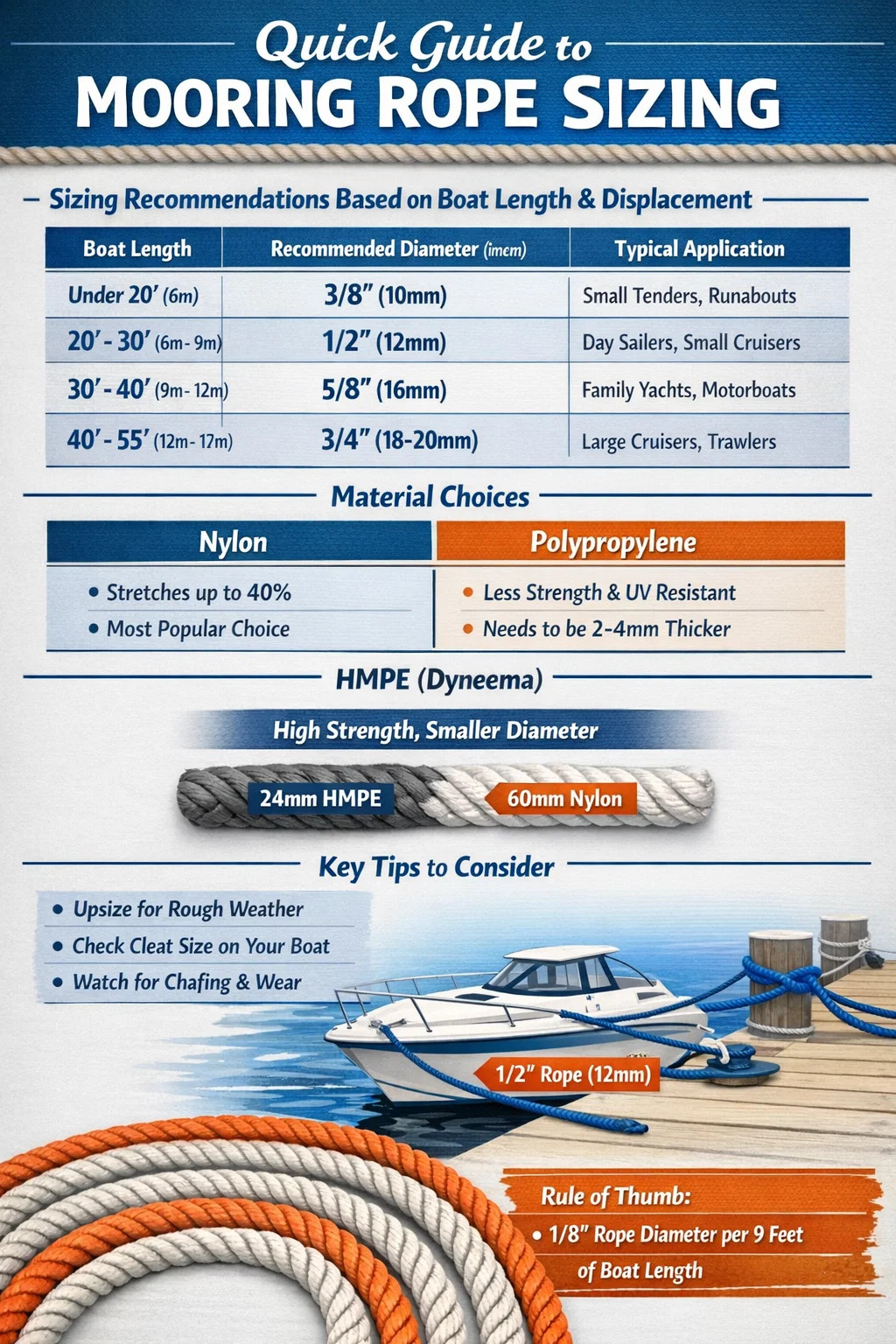
The size of the mooring rope you need is primarily dictated by your vessel's overall length (LOA) and its displacement. As a definitive rule of thumb for standard recreational boats, you should use a rope diameter of 1/8 inch for every 9 feet of boat length, with a minimum starting size of 3/8 inch (approx. 10mm). For example, a 30-foot boat typically requires a 1/2 inch (12mm) diameter line, while a 40-foot boat necessitates a 5/8 inch (16mm) line. However, for commercial vessels or ships, the selection must follow the Equipment Number (EN) calculation specified by classification societies.
Sizing Guidelines Based on Boat Displacement and Length
Choosing a mooring rope involves more than just matching the length of the hull; you must account for the mass the rope has to hold against wind and tidal surge. A heavier boat generates more kinetic energy when moving against its lines, requiring a thicker diameter to absorb that energy without snapping.
| Boat Length (ft/m) | Recommended Diameter (inches) | Recommended Diameter (mm) | Typical Application |
|---|---|---|---|
| Under 20' / 6m | 3/8" | 10mm | Small tenders, runabouts |
| 20' - 30' / 6m - 9m | 1/2" | 12mm | Day sailers, small cruisers |
| 30' - 40' / 9m - 12m | 5/8" | 16mm | Family yachts, motorboats |
| 40' - 55' / 12m - 17m | 3/4" | 18-20mm | Large cruisers, trawlers |
Material Choice Impacts Required Thickness
The diameter of the mooring rope is intrinsically linked to its material composition. A thinner rope made of high-strength material can often outperform a thicker rope of lower quality.
Nylon vs. Polypropylene Sizing
Nylon is the industry standard for permanent docking because it can stretch up to 40% before breaking, which cushions the boat. If you choose Polypropylene—which is weaker and less elastic—you must increase the diameter by at least 2mm to 4mm to achieve the same breaking strength as Nylon. However, Polypropylene is rarely recommended for primary mooring lines due to its poor UV resistance.
The Case for HMPE (Dyneema)
In commercial shipping, High-Modulus Polyethylene (HMPE) allows for a significantly smaller mooring rope diameter. An HMPE line of 24mm can have a breaking strength of over 45 tons, whereas a conventional Nylon line would need to be over 60mm to match it. This reduction in size makes manual handling much safer for the crew.
Environmental Factors and Safety Margins
When deciding what size mooring rope to buy, consider where the boat is kept. The standard charts assume "fair weather" conditions. If your slip is exposed to high winds or heavy currents, you should "upsize" your lines.
- For exposed coastal areas with significant tidal lift, increase the diameter by one size (e.g., move from 1/2" to 5/8").
- Always account for the "chafing factor." A thicker mooring rope provides more sacrificial material. If a line rubs against a rough dock edge, a 16mm rope will survive significantly longer than a 12mm rope before the structural core is compromised.
- Check the cleat size on your boat. There is no point in buying a 20mm mooring line if your deck cleats are only 6 inches long; the rope will be too thick to wrap securely in a proper cleat hitch.
Summary of Mooring Line Requirements
Ultimately, the best mooring rope is the one that balances strength with elasticity. While it is tempting to go as thick as possible, a rope that is too oversized for a small boat will be too stiff, won't stretch to absorb shocks, and will put unnecessary strain on your boat's hardware. Stick to the 1/8" per 9 feet rule for Nylon, and always inspect your lines for stiffening or fraying, as a worn 16mm rope may have less strength than a brand new 12mm rope.
Related Products
-
 View More
3-Strand Polypropylene Mono-filament Mooring Rope / Line
-
 View More
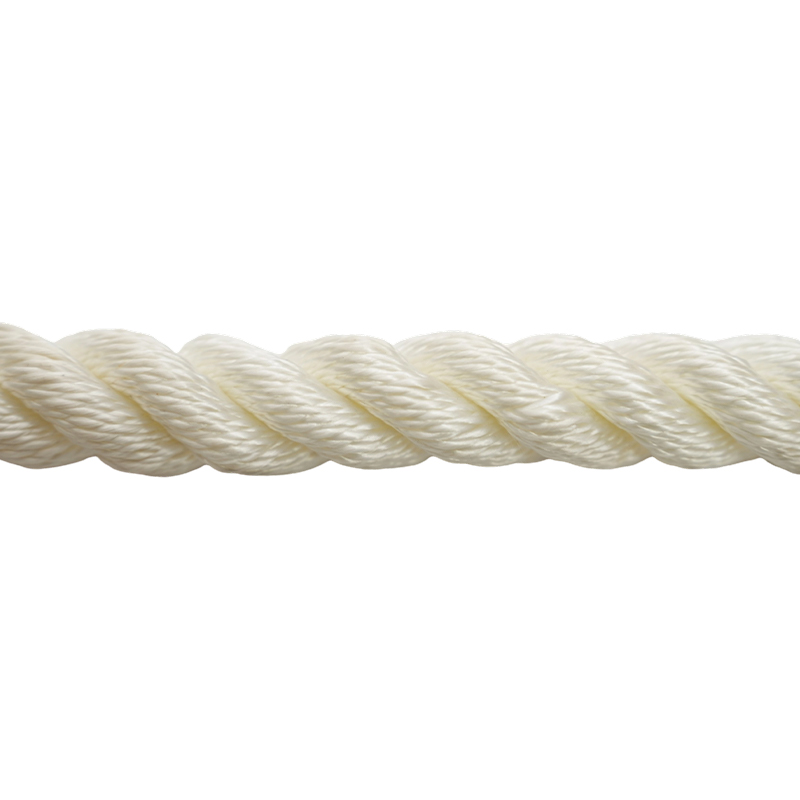
3-Strand Polypropylene Multi-Filament Hawser Mooring Rope / Line
-
 View More
8-Strand Polypropylene Mono-filament Hawser Mooring Rope / Line
-
 View More
8-Strand Polypropylene Multi-filament Mooring Rope / Line
-
 View More
12-Strand Polypropylene Multi-filament Hawser Mooring Rope / Line
-
 View More
Polypropylene Multi-filament Double Braided Hawser Mooring Rope / Line
-
 View More
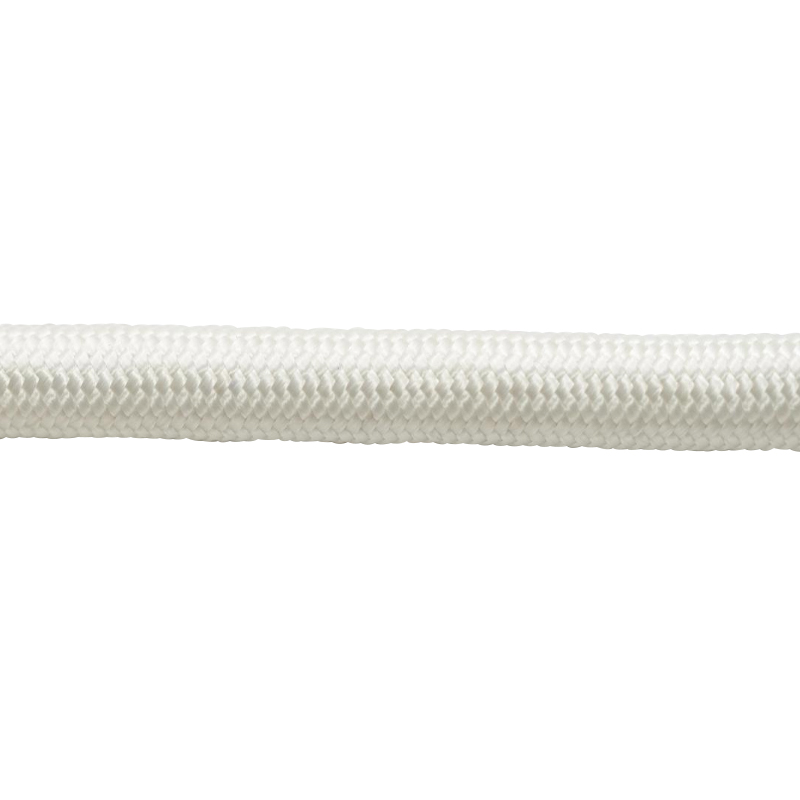
Polypropylene Multi-filament Reduced Recoil Mooring Rope / Line
-
 View More
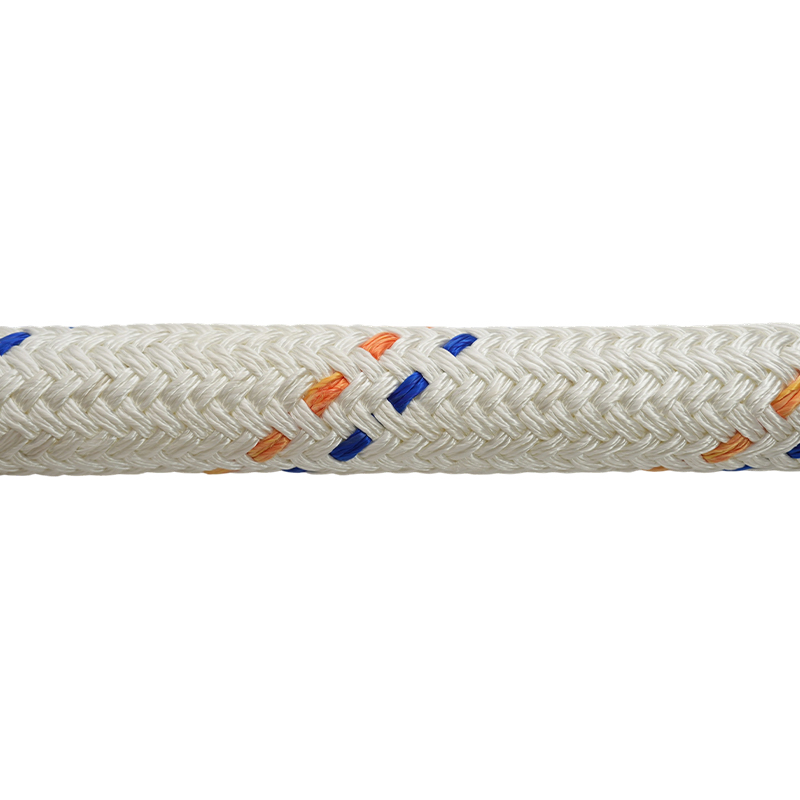
Polypropylene Multi-filament Mooring Tail
-
 View More
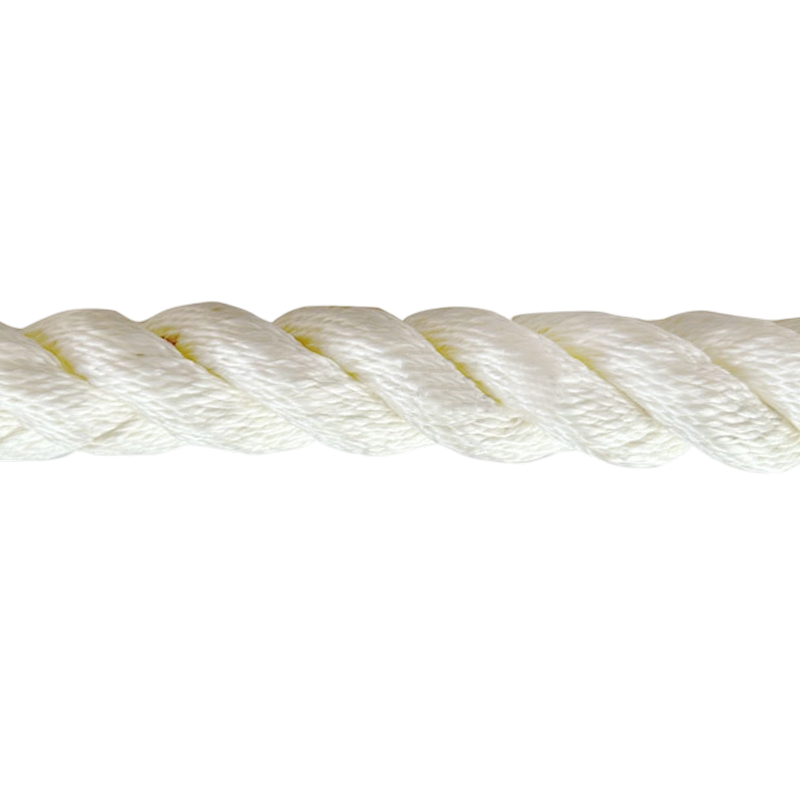
3-Strand Polyester Mooring Rope / Line
-
 View More
8-Strand Polyester Hawser Mooring Rope / Line
-
 View More
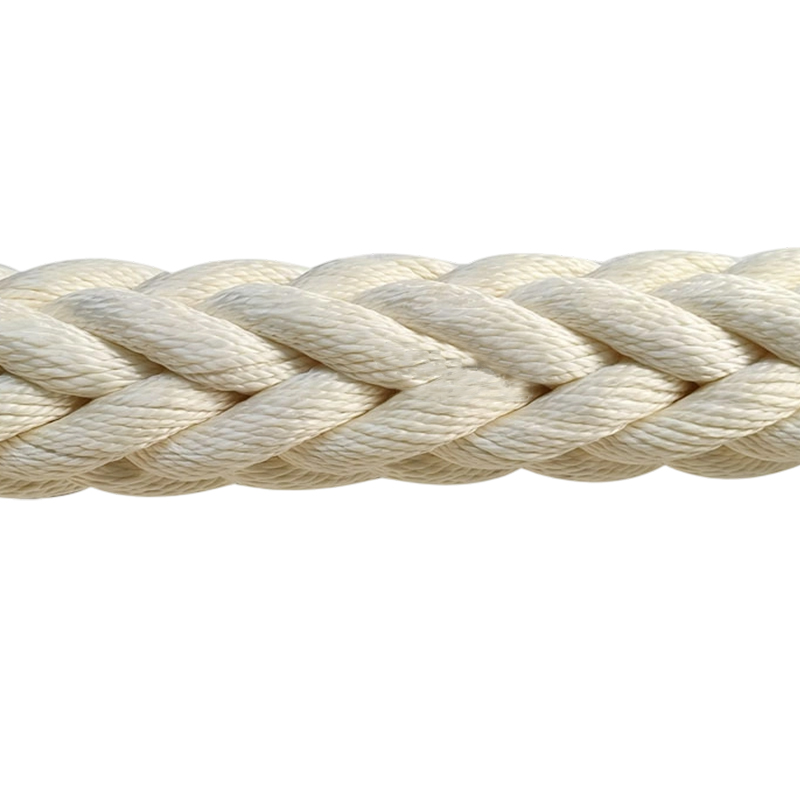
12-Strand Polyester Mooring Rope / Line,Hawser
-
 View More
Polyester Double Braided Hawser Mooring Rope / Line