


 English
 Español
 عربى
عربى
How to use a mooring rope?
Content
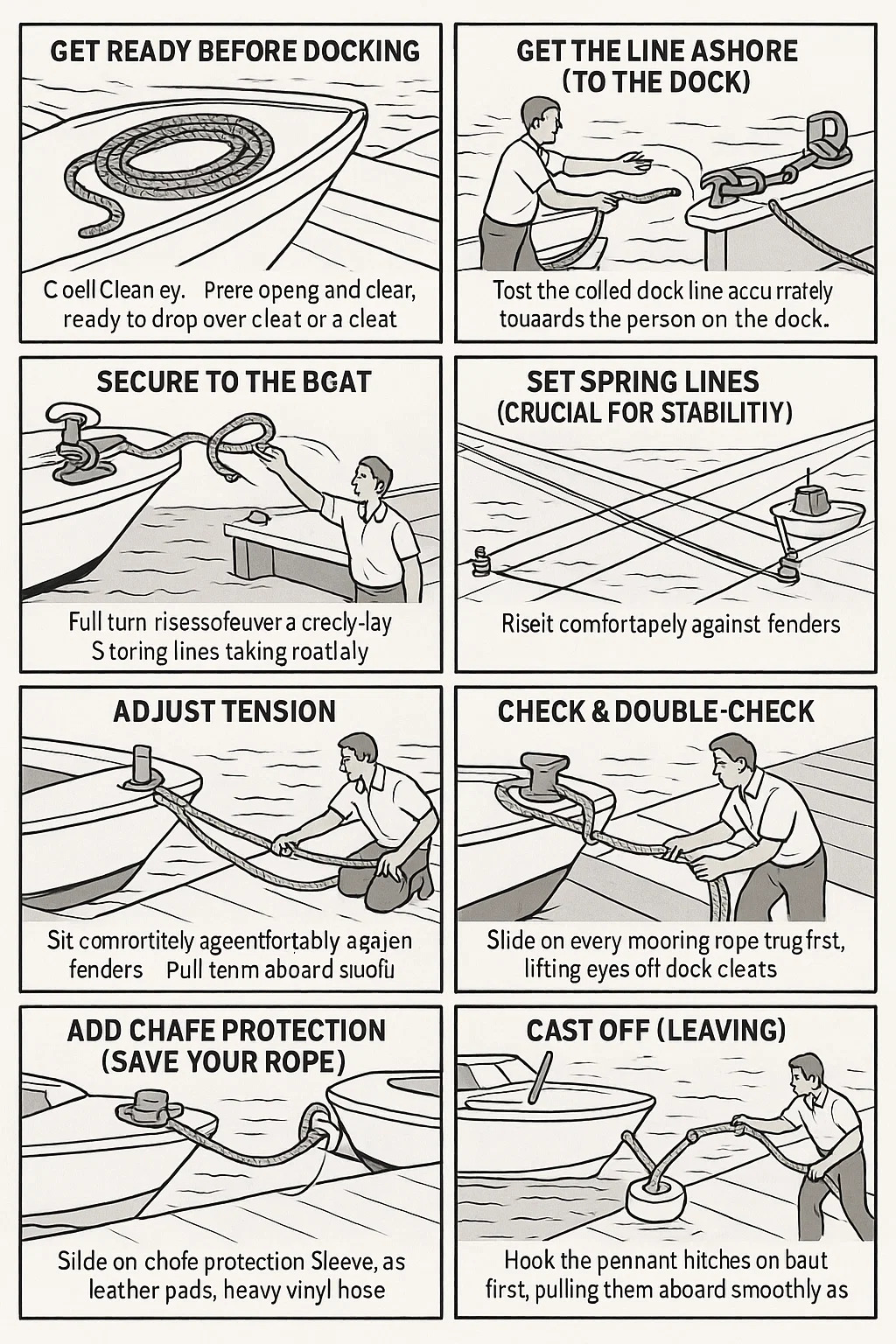
Here's how boaters actually use mooring ropes at the dock or on a buoy, step-by-step:
1.Get Ready Before Docking:
Coil Clean: Have your mooring ropes untangled and neatly coiled on deck before you reach the dock or buoy. Bow, stern, and spring lines should be easy to grab.
Loop Ready: Make sure the spliced eyes are open and clear, ready to drop over a cleat or post.
2.Get the Line Ashore (To the Dock):
Heave-Ho!: Toss the coiled dock line (not the whole rope!) accurately towards the person on the dock, or gently hand it to them if close enough. Aim for their hands, not the water!
Secure One End First: The person on the dock (or you, if jumping off) quickly loops the eye over the correct dock cleat or bollard. Usually, you secure the bow line first to stop the front swinging.
3.Secure to the Boat:
Cleat Hitch: Pull the rope snug on the boat. Wrap the mooring line around the boat's cleat properly:
One full turn around the base.
Cross over the top horns in a figure-eight pattern.
Finish with a simple hitch (tuck the end under the last turn). Pull tight. Never just wrap it loosely – it must hold under strain.
4.Set Spring Lines (Crucial for Stability):
Angle is Key: Don't just tie straight out from the boat. Run ropes forward and backward from the boat's middle to distant dock cleats.
Stop Surge: A forward spring line runs from a boat cleat near the back to a dock cleat further forward. This stops the boat from moving backward.
Stop Drift: An aft spring line runs from a boat cleat near the front to a dock cleat further back. This stops the boat from moving forward.
These crossed angles are what really lock the boat in place against wind and current.
5.Adjust Tension:
Snug, Not Banjo-String Tight: Tighten each dock line so it's firm, but leave a little give. Overtightening strains everything; too loose lets the boat bang the dock. The boat should sit comfortably against fenders without jerking the ropes taut suddenly.
6.Check & Double-Check:
Tug hard on every mooring rope. Is the cleat hitch secure? Is the eye properly seated on the dock cleat? Are spring lines taking the load correctly? Make sure nothing's rubbing sharply against edges.
7.Add Chafe Protection (Save Your Rope!):
Slide on leather pads, heavy vinyl hose, or woven sleeves anywhere the mooring line rubs against the boat's edge, a dock corner, or a metal chock. Tie them securely in place. This prevents the rope wearing through prematurely.
8.Using a Mooring Buoy (Pickup):
Hook the Pennant: Slowly motor up to the buoy. Use a boat hook to grab the floating pennant line attached to it.
Secure the Loop: Quickly pass the pennant's eye over a strong cleat on your bow deck, using a proper cleat hitch. You're now tied to the buoy's anchor system.
9.Cast Off (Leaving):
Reverse the process. Untie the cleat hitches on the boat first. Signal the dock helper (or step back aboard). They lift the eyes off the dock cleats and hand you the dock lines. Pull them aboard smoothly as you move away.
Related Products
-
 View More
3-Strand Polypropylene Mono-filament Mooring Rope / Line
-
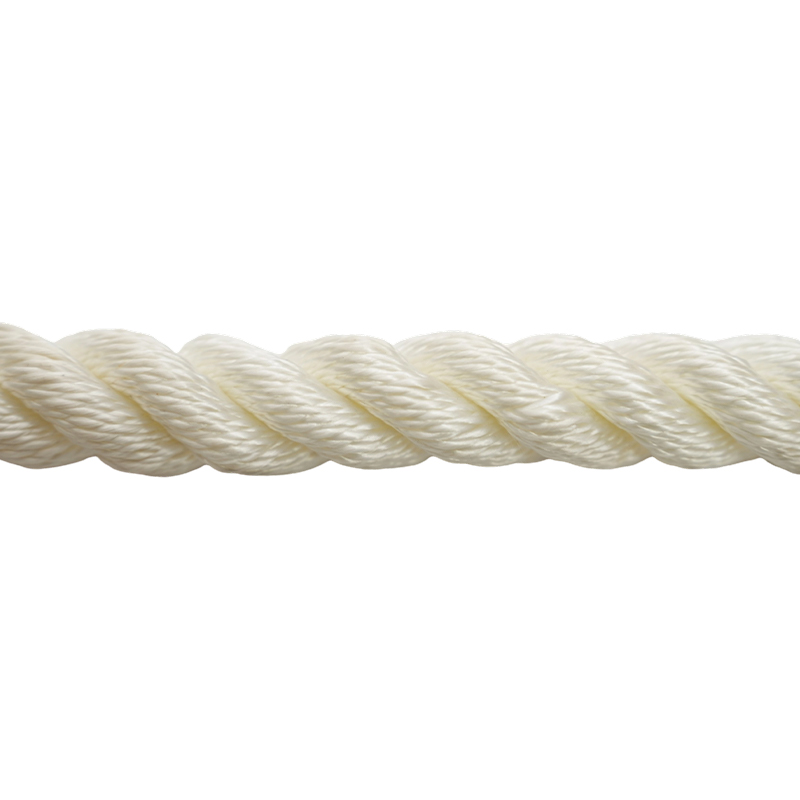 View More
3-Strand Polypropylene Multi-Filament Hawser Mooring Rope / Line
-
 View More
8-Strand Polypropylene Mono-filament Hawser Mooring Rope / Line
-
 View More
8-Strand Polypropylene Multi-filament Mooring Rope / Line
-
 View More
12-Strand Polypropylene Multi-filament Hawser Mooring Rope / Line
-
 View More
Polypropylene Multi-filament Double Braided Hawser Mooring Rope / Line
-
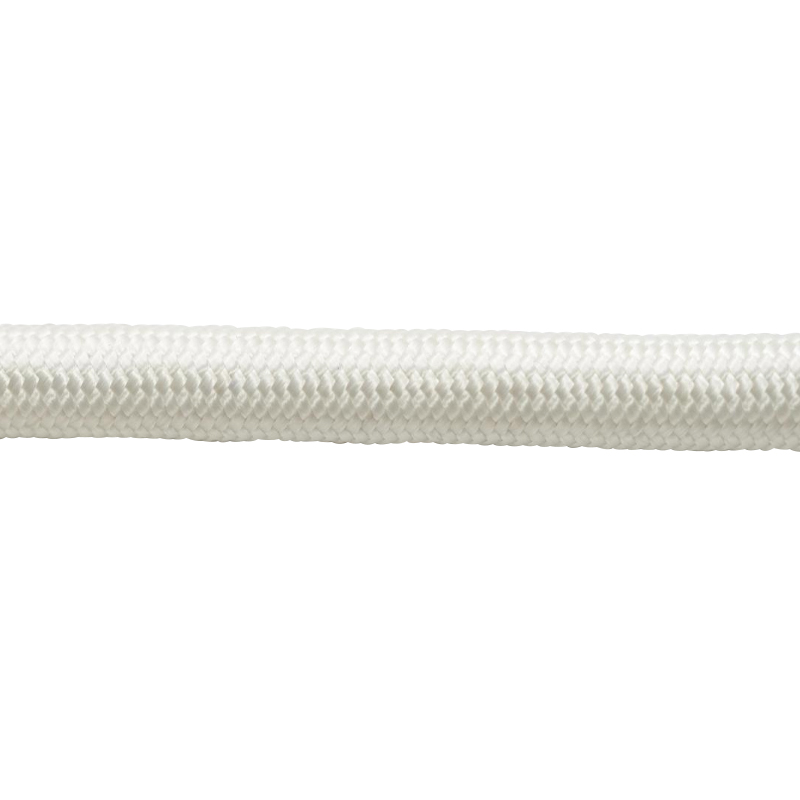 View More
Polypropylene Multi-filament Reduced Recoil Mooring Rope / Line
-
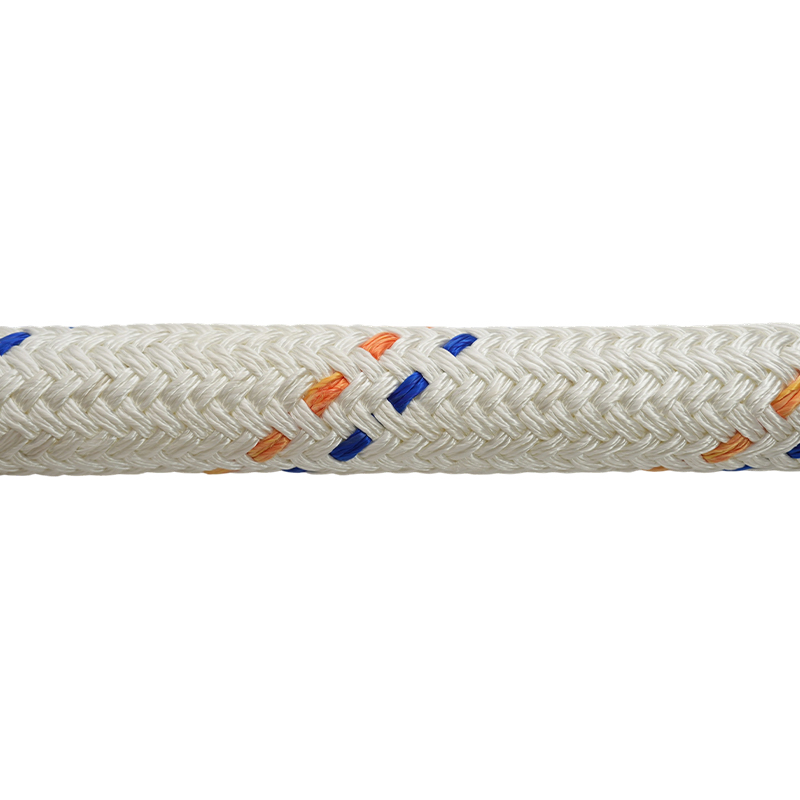 View More
Polypropylene Multi-filament Mooring Tail
-
 View More
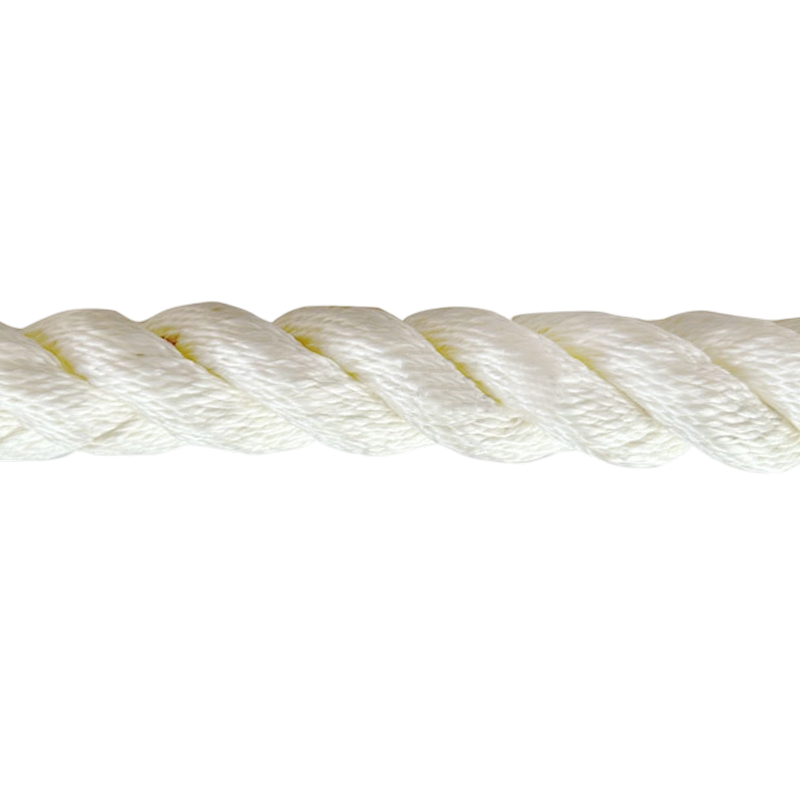
3-Strand Polyester Mooring Rope / Line
-
 View More
8-Strand Polyester Hawser Mooring Rope / Line
-
 View More
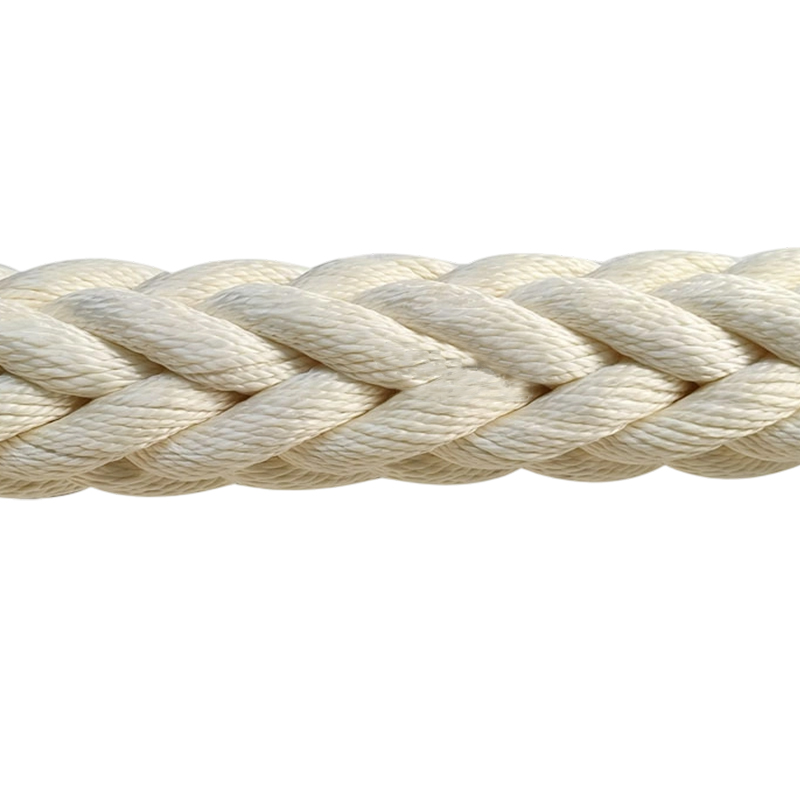
12-Strand Polyester Mooring Rope / Line,Hawser
-
 View More
Polyester Double Braided Hawser Mooring Rope / Line