


 English
 Español
 عربى
عربى
What is another name for a mooring rope?
Content
Here's what folks actually call mooring ropes out on the water or at the dock, using everyday language:
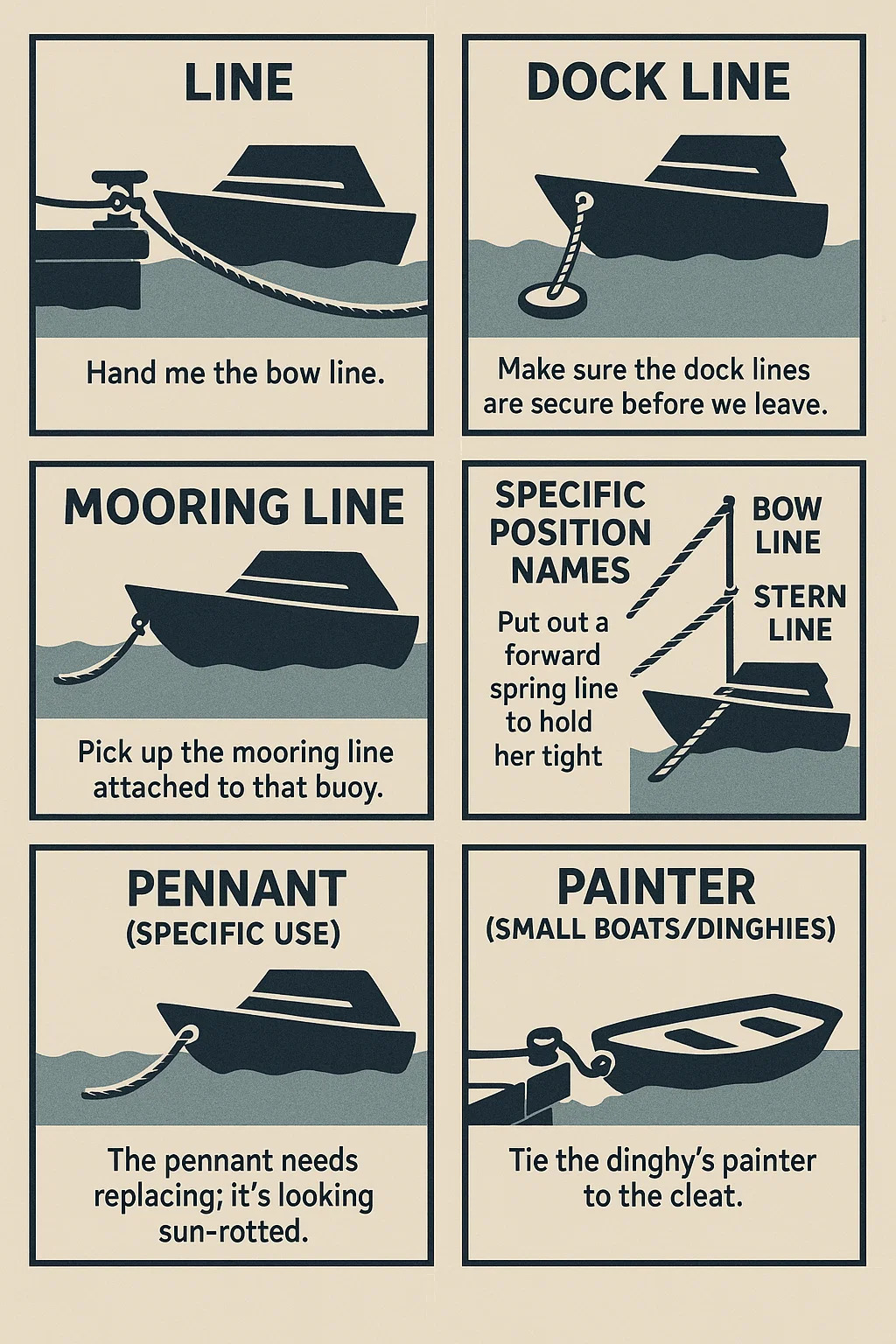
■"Line":
This is the most common swap-out in boating talk. Instead of "rope," sailors and boaters usually say "line." So, "Hand me the bow line" or "Check the stern line" means the rope securing the boat. It's the go-to nautical term.
■"Dock Line":
When the rope is specifically used to tie the boat to a dock or pier, this is the clear, descriptive name everyone uses. "Make sure the dock lines are secure before we leave." It tells you exactly where it's being used.
■"Mooring Line":
A slightly more formal term, but still very common, especially when talking about securing to a fixed buoy or anchor point instead of a dock. "We need to pick up the mooring line attached to that buoy." It emphasizes the action of mooring.
■Specific Position Names:
Boats use several ropes, each with a job based on location:
"Bow Line": The rope at the very front (bow) of the boat.
"Stern Line": The rope at the very back (stern) of the boat.
"Spring Line": Ropes angled forward or backward from the boat's middle. They stop the boat from moving front-to-back ("surge"). "Put out a forward spring line to hold her tight."
■"Pennant" (Specific Use):
This refers only to the floating rope that connects a moored boat to the buoy itself. "The pennant needs replacing; it's looking sun-rotted."
■"Painter" (Small Boats/Dinghies):
On small boats, like dinghies or tenders, the rope tied to the front ring is often called the "painter". "Tie the dinghy's painter to the cleat."
Related Products
-
 View More
3-Strand Polypropylene Mono-filament Mooring Rope / Line
-
 View More
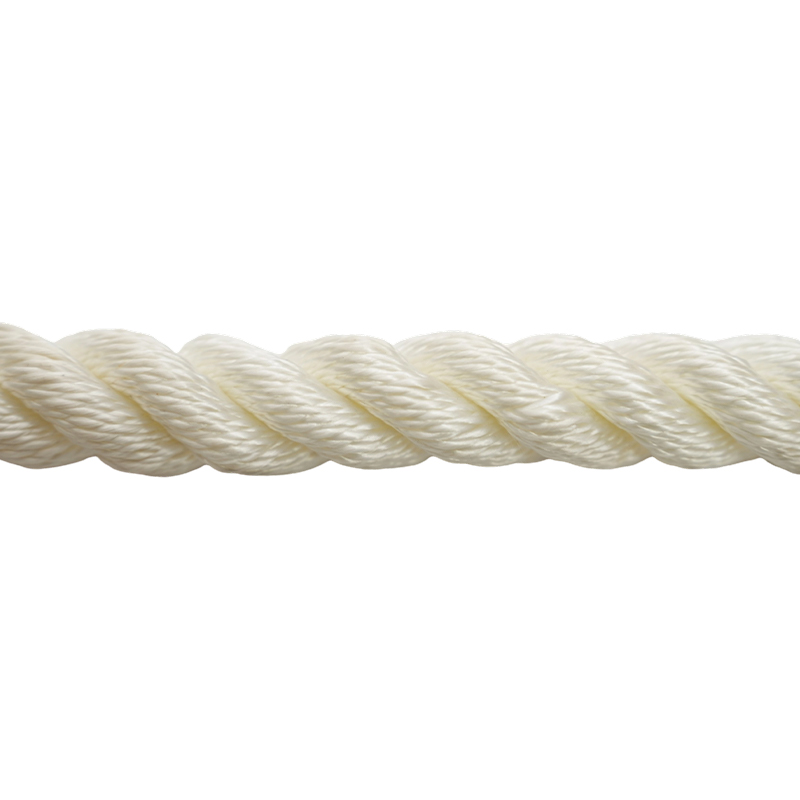
3-Strand Polypropylene Multi-Filament Hawser Mooring Rope / Line
-
 View More
8-Strand Polypropylene Mono-filament Hawser Mooring Rope / Line
-
 View More
8-Strand Polypropylene Multi-filament Mooring Rope / Line
-
 View More
12-Strand Polypropylene Multi-filament Hawser Mooring Rope / Line
-
 View More
Polypropylene Multi-filament Double Braided Hawser Mooring Rope / Line
-
 View More
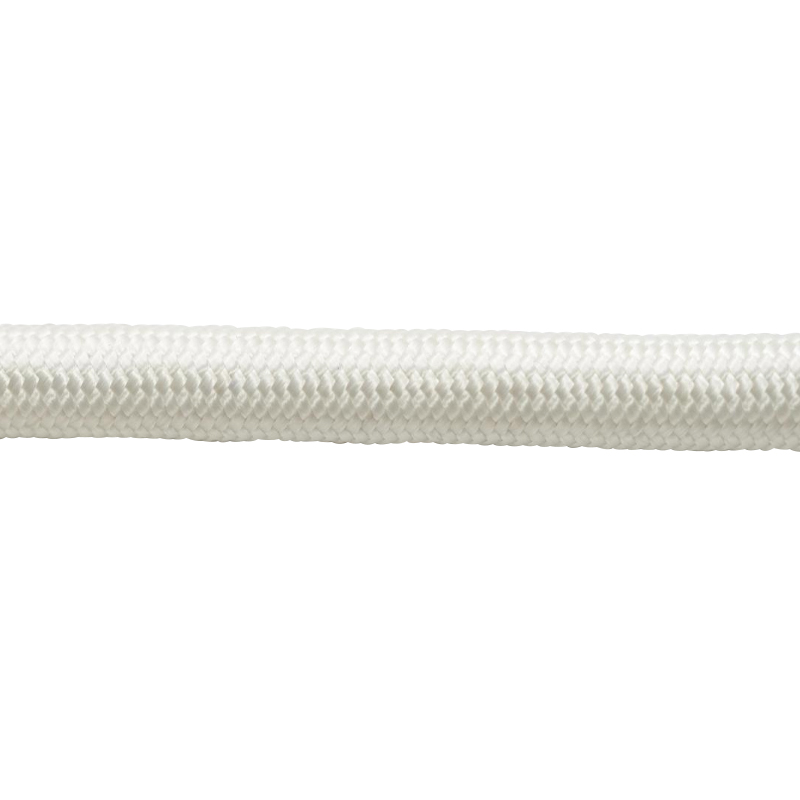
Polypropylene Multi-filament Reduced Recoil Mooring Rope / Line
-
 View More
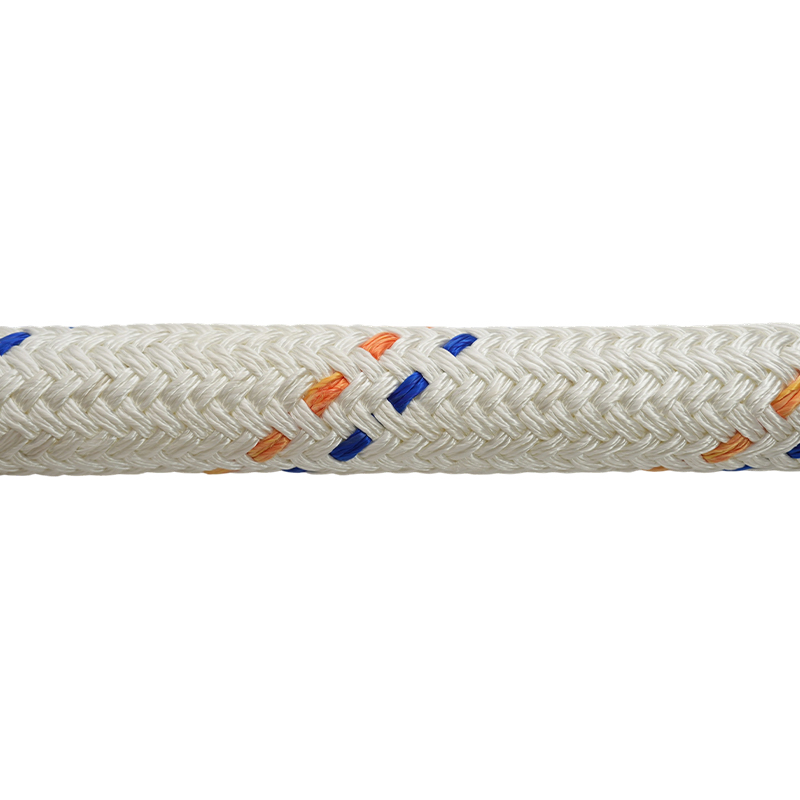
Polypropylene Multi-filament Mooring Tail
-
 View More
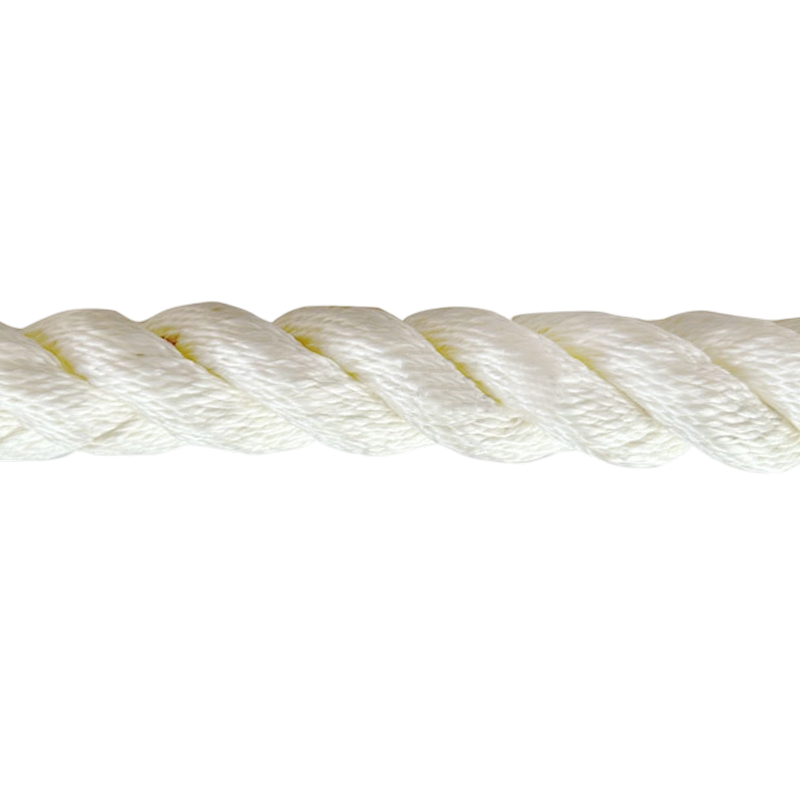
3-Strand Polyester Mooring Rope / Line
-
 View More
8-Strand Polyester Hawser Mooring Rope / Line
-
 View More
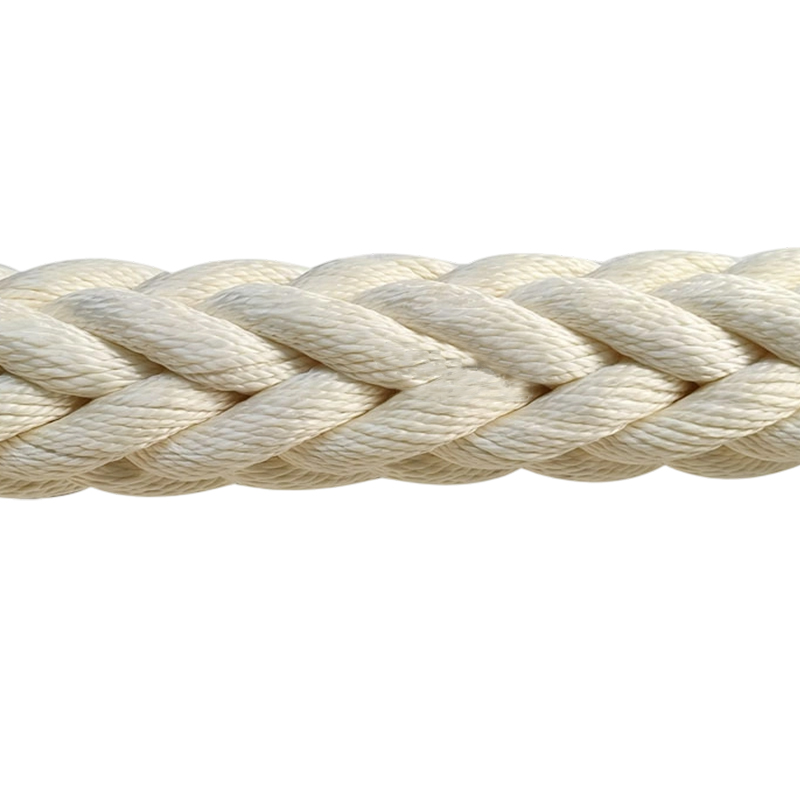
12-Strand Polyester Mooring Rope / Line,Hawser
-
 View More
Polyester Double Braided Hawser Mooring Rope / Line