


 English
 Español
 عربى
عربىNews
Home / News / Industry News / What is a heavy mooring rope? (Related knowledge and introductory guide)

Content
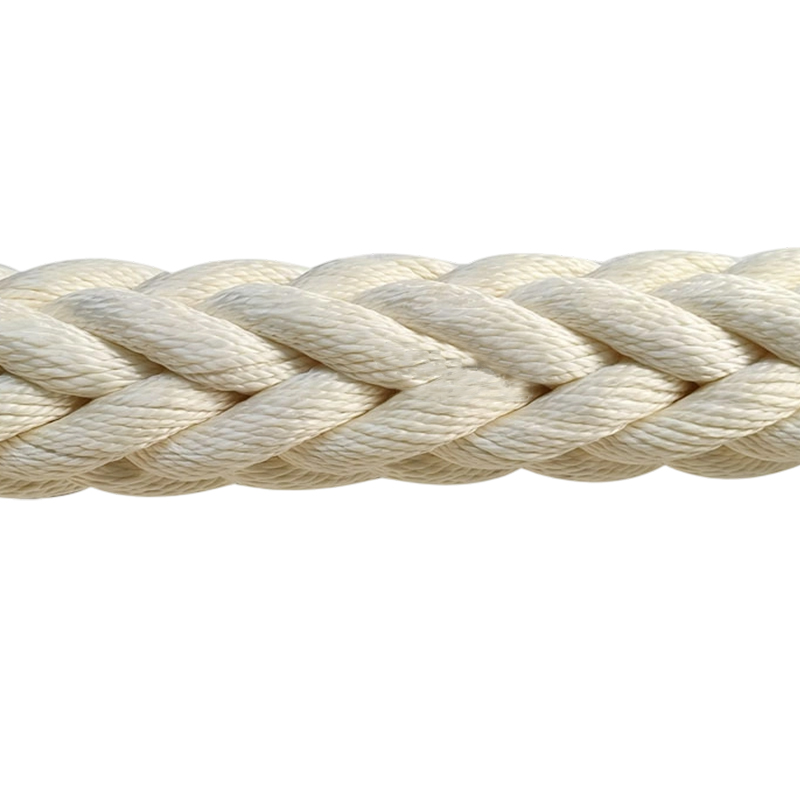
When vessels are docked in port or at sea, they need to be securely fastened with special ropes to prevent them from drifting away or being affected by wind and waves. Heavy mooring ropes are robust ropes specifically designed for this task, used to secure large vessels such as oil tankers, container ships, and cruise ships.
Their main characteristics and functions can be understood from the following aspects:
The most significant characteristic of heavy mooring ropes is their robustness.
Withstanding immense tensile force: They must be able to withstand the weight of giant vessels and the immense tensile forces caused by wind, currents, and tides. They act like the "steel arms" of the vessel, securely anchoring it to the berth.
Sophisticated materials: They are not made of simple hemp rope. To achieve the necessary strength and durability, modern heavy mooring ropes are made of high-strength synthetic fibers (such as nylon, polyester, or ultra-high molecular weight polyethylene) or are constructed from twisted steel wires.
Shock absorption: Vessels at berth are not completely stationary. Wind, waves, and tides cause the hull to sway and move slightly. Excellent mooring ropes need to possess a certain degree of elasticity (especially synthetic fiber ropes) to act like "springs," absorbing these sudden impacts and preventing damage to the ropes themselves or the mooring equipment on the ship.
Preventing collisions: They ensure a safe distance is maintained between the vessel and the dock, preventing the hull from colliding with the dock due to swaying.
Resistance to harsh environments: The marine environment is very harsh, and the ropes need to be exposed to sunlight, seawater, and oil spills for extended periods. Heavy mooring ropes must be designed with wear resistance, UV resistance, and chemical corrosion resistance in mind to ensure a long service life.
Ensuring operational safety: In busy ports, mooring operations need to be fast and safe. These ropes are critical equipment for ensuring the safety of port workers and vessels.
Mechanical assistance required: Due to the large size and weight of heavy mooring ropes, crew members usually cannot handle them manually and require the assistance of mechanical equipment such as winches on board.
Regular inspections: Like any important safety equipment, these mooring ropes require regular thorough inspections and maintenance to ensure there are no broken strands, excessive wear, or aging, and to keep them in optimal condition at all times.

 View More
 View More
 View More
 View More
 View More
 View More
 View More
 View More
 View More
 View More
 View More
 View More

More than 20 years of experience in providing solutions to large, medium and small enterprises around the world.

+86-15150801053(Mr. Yang )
+86-514-88777688


Copyright © 2025 by Yangzhou Jushen Rope.Co.,Ltd.
All Rights Reserved.
 Custom Mooring Rope Factory

