


 English
 Español
 عربى
عربى
What material is used for ship mooring lines?
Content
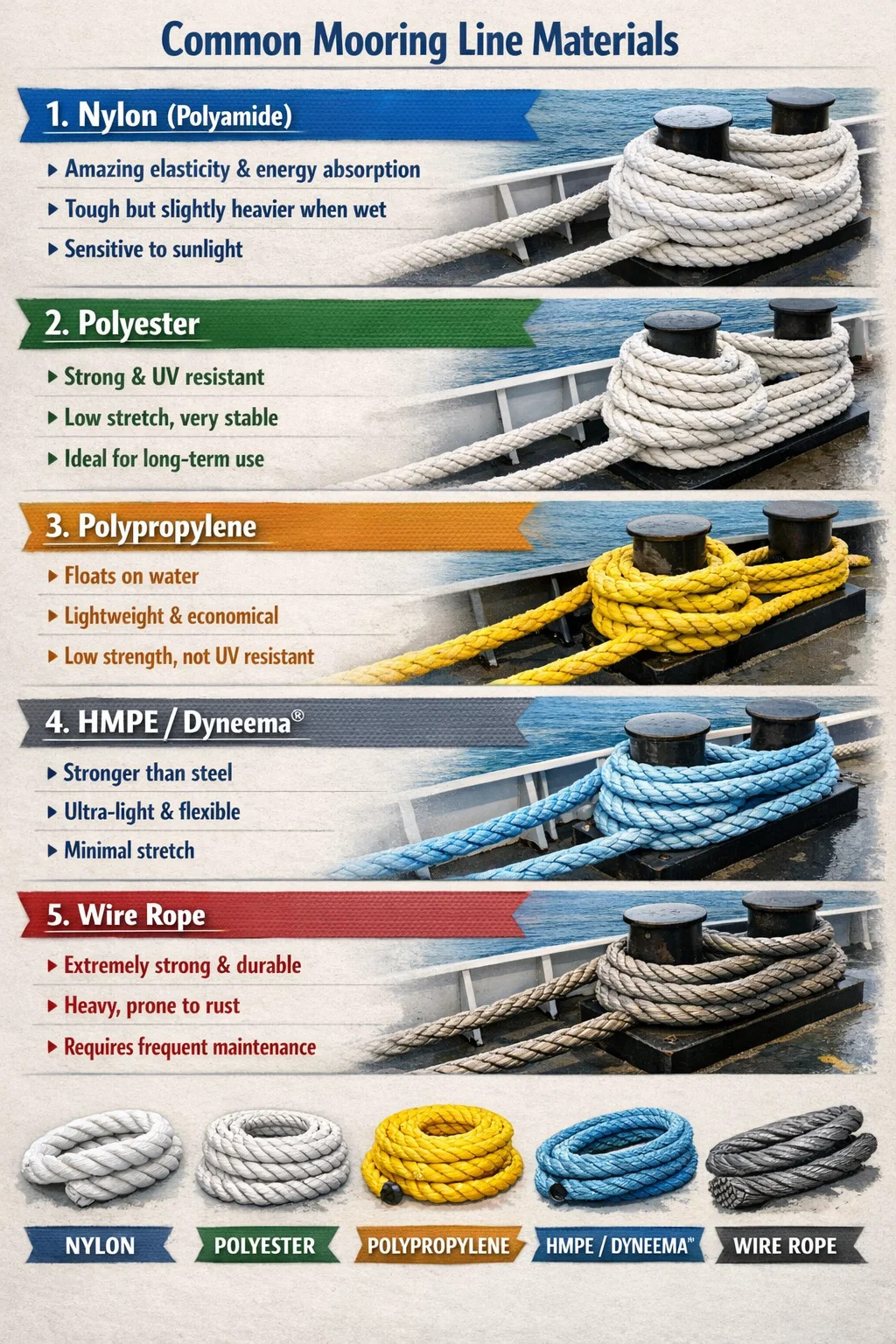
Mooring lines are the lifelines of a ship when it is berthed. To cope with different sea conditions and vessel tonnages, these ropes are made from a variety of materials.
● Common Mooring Line Materials
1. Nylon (Nylon/Polyamide)
Nylon is a classic choice for mooring operations, known for its excellent "toughness."
Amazing elasticity: It has the best elasticity of all materials, stretching like a rubber band and cushioning the impact of waves.
Excellent energy absorption: When the ship is violently shaken by wind and waves, nylon ropes can absorb a huge amount of kinetic energy, protecting the mooring posts on the ship from being damaged.
Minor drawback: Nylon becomes slightly heavier when wet, and its strength decreases slightly. Prolonged exposure to sunlight also easily causes aging.
2. Polyester
If nylon is a "spring," then polyester is the "steady older brother."
Strong and durable: It has excellent wear resistance and is not afraid of UV exposure, making it suitable for long-term outdoor use.
No shrinkage: Unlike nylon, its strength does not decrease when wet, and its size is very stable.
Low stretch: Its elasticity is not as good as nylon, but it performs very well in situations where the ship needs to be "firmly secured."
3. Polypropylene
This is a very affordable and lightweight material, commonly found on many small and medium-sized vessels.
A rope that floats: The biggest feature of polypropylene is its low density, allowing it to float on the water. This is very safe during operation, as ropes that fall into the water will not get tangled in the propeller.
Economical and lightweight: It is very light, making it easy for crew members to handle, and the price is relatively affordable.
Disadvantage: Its strength is relatively low, and it is very susceptible to sun damage. If used for a long time in direct sunlight, the fibers can easily become brittle.
4. High-Performance Polyethylene (HMPE/Dyneema)
This is a high-tech "dark horse" in the mooring field and is currently the preferred choice for top-tier vessels.
Stronger than steel wire: At the same thickness, its strength can even exceed that of steel wire ropes, but its weight is only a fraction of that of steel wire. Easy to operate: Because it is light and soft, a rope that previously required several people to pull can now be easily handled by one or two people.
Almost no stretching: It has very low elasticity, providing very precise positioning.
5. Wire Rope
Although synthetic fibers are becoming increasingly popular, wire ropes can still be found on some supertankers or at long-term fixed berths.
Hard and indestructible: Wire ropes have almost no elasticity and are very hard, able to withstand the most extreme forces.
High temperature and wear resistance: In harsh environments and docks with severe friction, the durability of wire ropes is irreplaceable.
Difficult to maintain: Wire ropes are very heavy, prone to rust, and require frequent oiling and maintenance. Improper handling can also easily cause injuries.
PREV:How many types of mooring ropes are there? Do you want to know?
NEXT:What is a heavy mooring rope? (Related knowledge and introductory guide)
NEXT:What is a heavy mooring rope? (Related knowledge and introductory guide)
Related Products
-
 View More
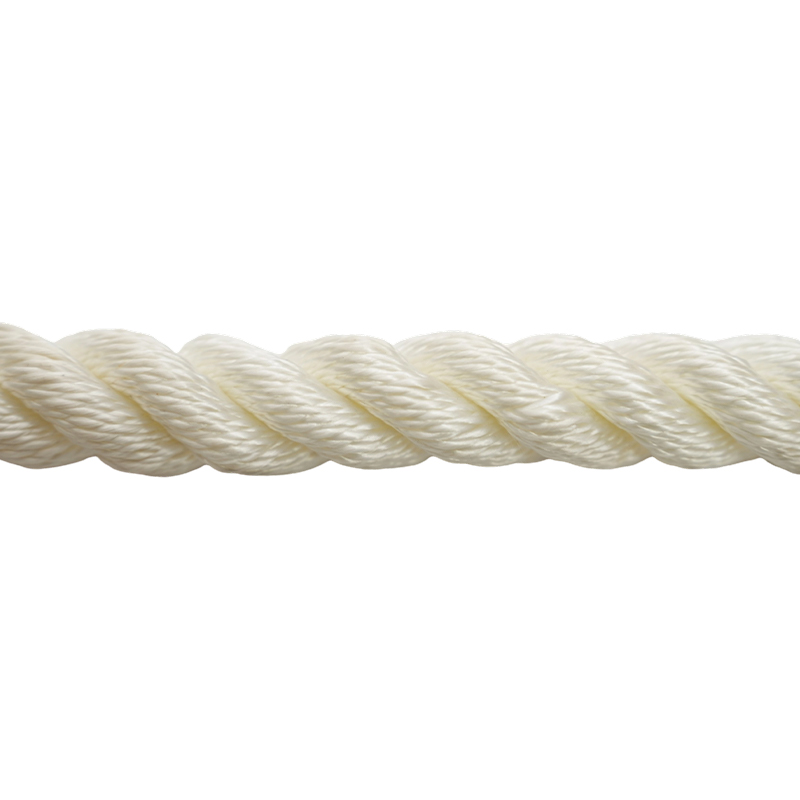
3-Strand Polypropylene Mono-filament Mooring Rope / Line
-
 View More
3-Strand Polypropylene Multi-Filament Hawser Mooring Rope / Line
-
 View More
8-Strand Polypropylene Mono-filament Hawser Mooring Rope / Line
-
 View More
8-Strand Polypropylene Multi-filament Mooring Rope / Line
-
 View More
12-Strand Polypropylene Multi-filament Hawser Mooring Rope / Line
-
 View More
Polypropylene Multi-filament Double Braided Hawser Mooring Rope / Line
-
 View More
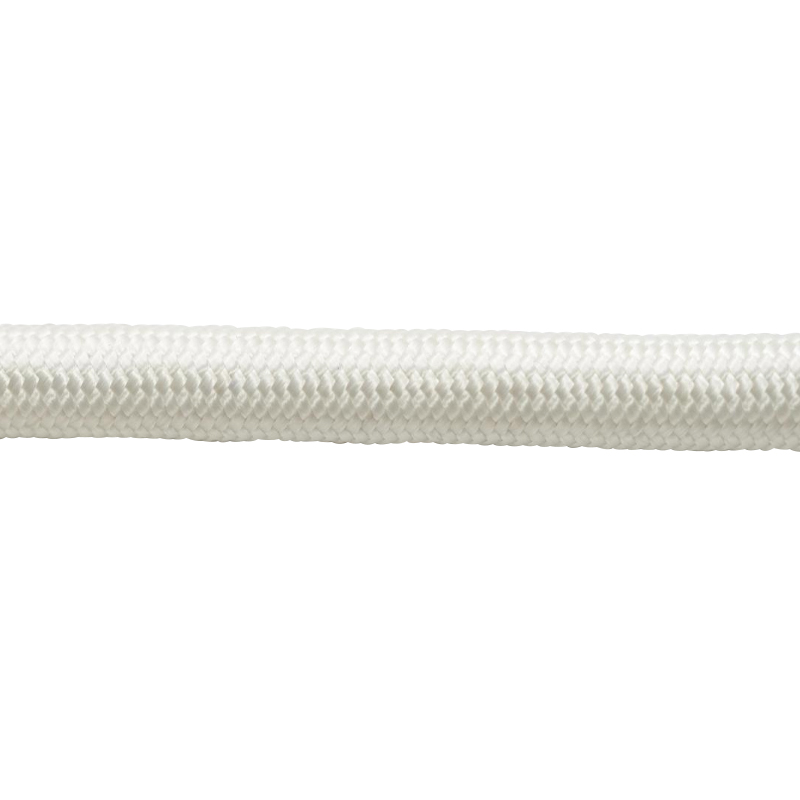
Polypropylene Multi-filament Reduced Recoil Mooring Rope / Line
-
 View More
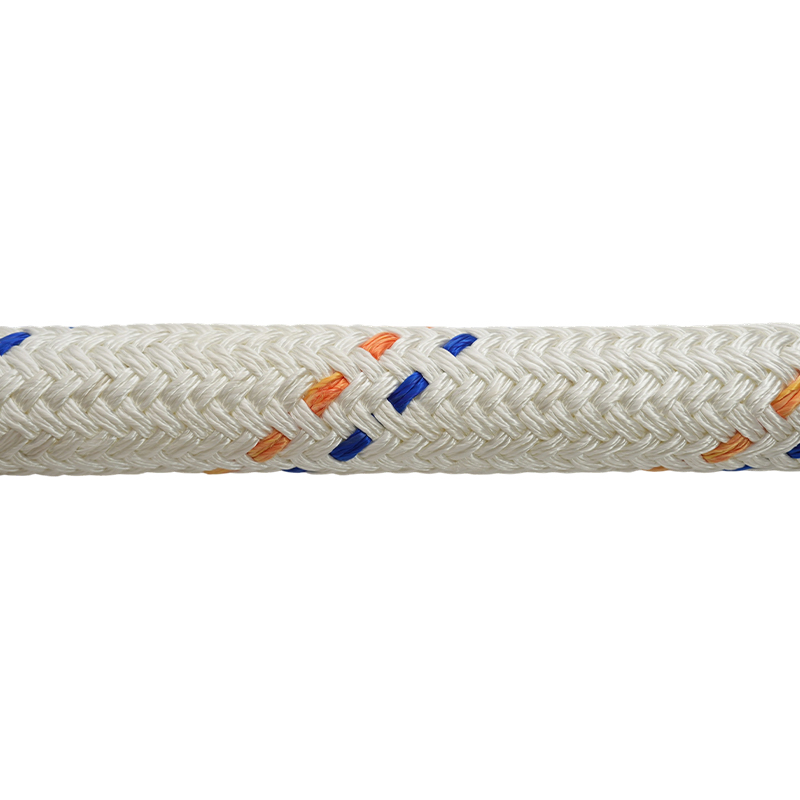
Polypropylene Multi-filament Mooring Tail
-
 View More
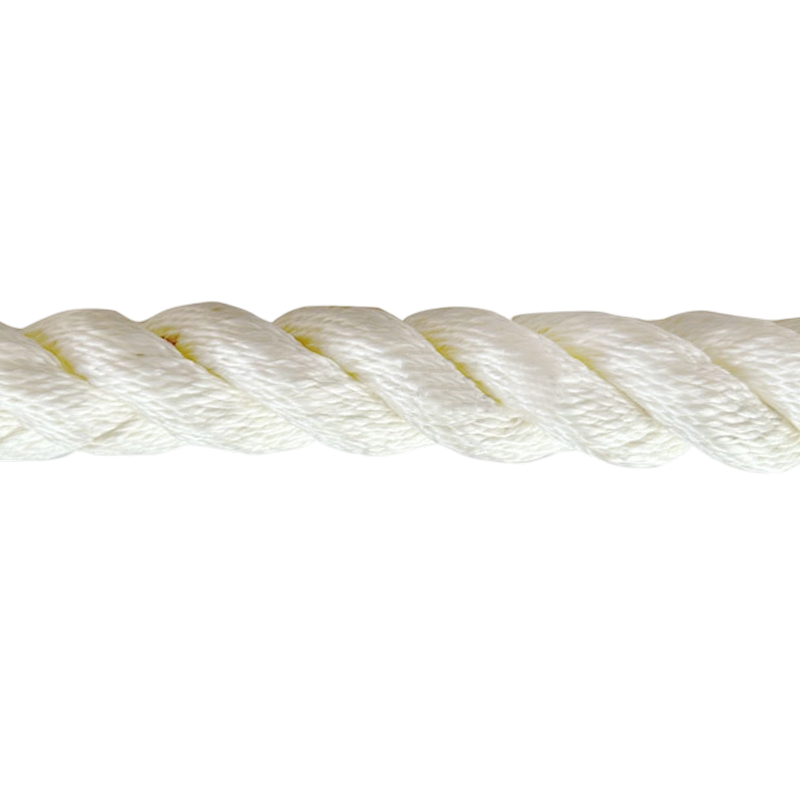
3-Strand Polyester Mooring Rope / Line
-
 View More
8-Strand Polyester Hawser Mooring Rope / Line
-
 View More
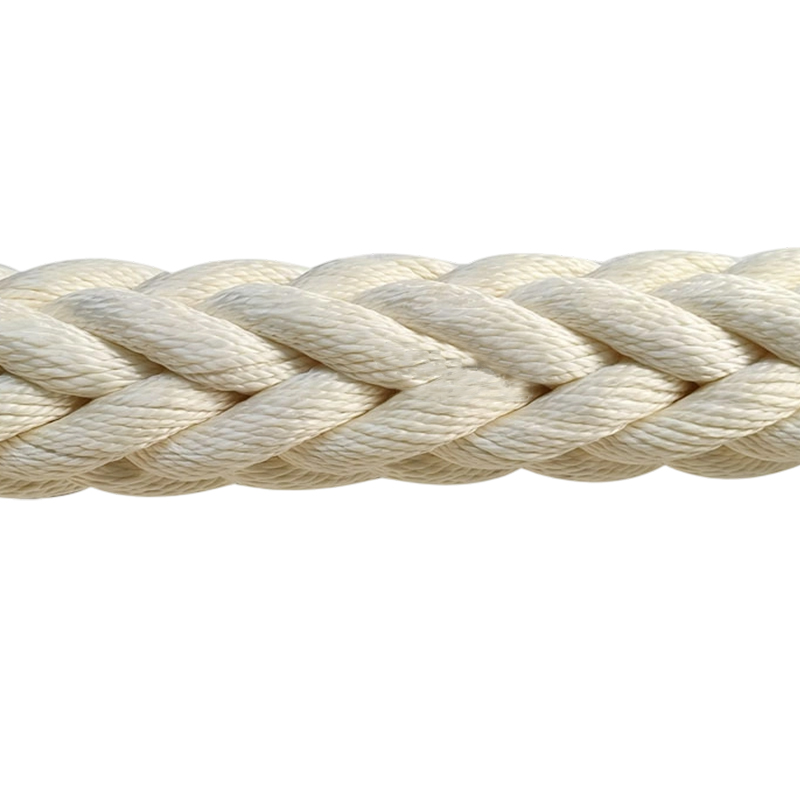
12-Strand Polyester Mooring Rope / Line,Hawser
-
 View More
Polyester Double Braided Hawser Mooring Rope / Line