


 English
 Español
 عربى
عربى
What Is Rope Whipping and Why Does It Matter?
Content
- 1 What Is Rope Whipping and Why Does It Matter
- 2 The Main Types of Rope Whipping Explained
- 3 How to Whip a Rope End: Step-by-Step Process
- 4 Comparing Whipping Methods for Different Rope Applications
- 5 Choosing the Right Whipping Twine for Your Mooring Rope
- 6 Rope Whipping in the Context of Mooring Rope Maintenance
- 7 Whipping Techniques for Different Mooring Rope Constructions
- 8 Professional Tips for Long-Lasting Rope Whipping
- 9 Storing Mooring Rope with Proper Whipping in Place
- 10 Common Rope Whipping Mistakes and How to Avoid Them
- 11 What to Look for When Sourcing High-Quality Mooring Rope
- 12 Bringing It All Together: Whipping as a Pillar of Rope Care
Rope Maintenance Guide
What Is Rope Whipping and Why Does It Matter
Rope whipping is the process of binding the cut end of a rope with thin twine, thread, or cord to prevent the strands from unraveling. Without proper whipping, the end of a rope can fray within days of being cut, making it difficult to thread through cleats, blocks, or fairleads — and ultimately shortening the usable life of the rope significantly. For anyone working with a mooring rope, understanding and applying correct whipping techniques is one of the most fundamental maintenance skills available.
The good news is direct: a properly whipped rope end adds virtually no cost and takes less than five minutes to complete, yet it can extend the service life of a mooring rope by months or even years. Whether you are managing a commercial harbor fleet or a single leisure vessel, whipping is a non-negotiable step after cutting any line.
A standard mooring rope used in commercial port operations is typically replaced every 2–5 years, depending on load cycles, UV exposure, and maintenance routine. Consistent whipping is one of the simplest ways to push that service life toward the upper end of that range.
The Main Types of Rope Whipping Explained
There are several established whipping methods, and choosing the right one depends on the rope type, the intended use, and the tools available. Below is a breakdown of the most widely used techniques:
01
Common Whipping
This is the most basic and quickest method. A length of whipping twine is wound tightly around the rope end and tucked under the final turns to lock it. Common whipping is best for temporary applications or ropes that will not be subjected to heavy pulling forces. It can loosen over time if the rope is regularly loaded and released.
02
West Country Whipping
This involves alternating half hitches along the rope end, producing a more secure and visually distinctive pattern. West Country whipping is considered more durable than common whipping because each half hitch acts as an independent lock. It is particularly popular among traditional sailing communities and is suitable for natural-fiber ropes used as mooring lines.
03
Sailmaker's Whipping
Regarded as the strongest and most permanent form of hand whipping, the sailmaker's method uses a needle and thread to pass the twine through the strands of the rope itself. This technique is highly recommended for three-strand mooring rope and any line that experiences repeated tension and release cycles. The needle-through-strand technique locks the whipping so firmly that it is almost impossible to dislodge accidentally.
04
Whipping with Heat Shrink
For synthetic ropes — particularly braided polyester or nylon mooring rope — a heat-shrink sleeve applied after a basic whipping provides a durable, waterproof termination. The combination of mechanical binding and heat-sealed outer layer is particularly effective in harsh marine environments where salt water, UV radiation, and abrasion are constant factors.
How to Whip a Rope End: Step-by-Step Process
The following guide covers the sailmaker's whipping method, which is the most appropriate technique for a mooring rope in regular service. You will need waxed whipping twine, a sailmaker's needle, and scissors.
Step 1 — Cut and Prepare the Rope End
Use a sharp blade or hot-cut tool to make a clean, square cut. For synthetic mooring rope, a heated cutter seals the fibers momentarily and prevents initial fraying while you work. Unlay the strands back approximately 25–30mm if you are using the sailmaker's method.
Step 2 — Thread the Needle and Anchor the Twine
Thread a length of waxed twine about 600–700mm long through the needle. Lay the twine parallel to the rope, running the tail back along the rope toward its working end. Begin wrapping the main length of twine firmly over the tail and the rope. Aim for a whipping length that equals 1.5 to 2 times the diameter of the rope. For a 32mm mooring rope, that means a whipping band roughly 48–64mm wide.
Step 3 — Pass the Needle Through the Strands
Once the whipping band is wound, pass the needle and twine between two strands of the rope at the far end of the whipping. Bring the twine up along the groove between strands, return it through the whipping band, and repeat for each strand groove. This process locks the whipping to the rope body itself, not just around it.
Step 4 — Finish and Tension
After passing through all strand grooves, tie off the twine with two half hitches under the last turn of whipping. Pull firmly to seat the knot, then trim the tail flush. The finished whipping should be uniformly tight across its entire width — any loose turns reduce the effectiveness substantially.
Step 5 — Inspect Before Service
Before the rope goes back into use as a mooring line, flex the whipped end several times and check that no turns slip. A correctly applied sailmaker's whipping on a quality mooring rope will not require replacement for 12–18 months under normal operating conditions.
Comparing Whipping Methods for Different Rope Applications
Choosing the wrong whipping method for a high-load mooring rope can result in premature end failure, increased fraying, and potential line parting at the termination. The table below summarizes the performance characteristics of each method across the most relevant criteria:
| Method | Durability | Suitable Rope Type | Time to Apply | Tools Required | Recommended For |
|---|---|---|---|---|---|
| Common Whipping | Low–Medium | All types | 1–2 minutes | Twine only | Temporary use, low-load lines |
| West Country Whipping | Medium | Natural fiber, 3-strand | 2–4 minutes | Twine only | Traditional mooring lines, anchor rodes |
| Sailmaker's Whipping | High | 3-strand, twisted rope | 4–8 minutes | Needle + twine | Mooring rope, dock lines, halyards |
| Heat Shrink Whipping | Very High | Synthetic braided rope | 3–5 minutes | Heat gun + sleeve | High-wear synthetic mooring rope |
Choosing the Right Whipping Twine for Your Mooring Rope
The twine you choose for whipping should be compatible with the rope material, the working environment, and the load characteristics of the line. Using the wrong twine on a heavy mooring rope is one of the most common mistakes made by inexperienced handlers — a thin cotton twine on a 48mm polypropylene mooring line will fail almost immediately under tension.
Waxed Polyester Twine
The standard choice for marine applications. Waxed polyester resists water absorption, UV degradation, and abrasion. It grips well against both natural and synthetic rope surfaces. For mooring rope diameters above 24mm, a 1.5mm polyester whipping twine is the recommended minimum gauge. Available in a range of colors, it allows for color-coding of different rope functions in a mooring system.
Nylon Twine
Nylon offers higher stretch than polyester, which can be an advantage on shock-absorbing mooring rope where dynamic loading is common. However, nylon absorbs more moisture than polyester and may require more frequent replacement in fully submerged or tidal-zone applications. It is an excellent choice for dock lines that regularly go slack and come under load with vessel movement.
Linen or Hemp Twine
Traditional rigging twine made from natural fibers remains popular for natural-fiber mooring rope such as manila. Hemp and linen twine swell when wet, which actually tightens the whipping further — a useful property for ropes that are frequently wetted and dried. They are, however, less durable in saltwater environments and typically need replacement every 6–12 months.
Dyneema or Spectra Thread
For high-performance synthetic rope used in demanding mooring applications — such as port tug lines or high-tension ship-to-shore mooring systems — ultra-high molecular weight polyethylene (UHMWPE) thread provides exceptional strength-to-diameter ratio. A 0.8mm UHMWPE thread can exceed the breaking load of a 2mm polyester twine at a fraction of the diameter, keeping the whipping compact on high-tech braided ropes.

Rope Whipping in the Context of Mooring Rope Maintenance
A mooring rope is one of the most mechanically demanding items aboard any vessel or at any berth. It must absorb surge loads, resist chafe at fairleads and cleats, tolerate UV radiation over long periods, and maintain reliable end fittings through thousands of use cycles. Whipping is just one element of a comprehensive maintenance program, but it is the most frequently neglected.
When to Re-Whip a Mooring Rope
Regular inspection of whipping integrity should be included in every mooring rope maintenance schedule. The following conditions indicate that re-whipping is necessary:
- Any individual turn of twine has loosened or begun to separate from the rope surface
- Fraying or strand separation is visible beyond the leading edge of the whipping band
- The whipping has moved along the rope from its original position due to repeated load cycling
- Discoloration or brittleness in the twine material, indicating UV or chemical degradation
- After any incident where the rope end was caught in machinery or pulled hard across an abrasive surface
The Relationship Between Whipping and Overall Rope Lifespan
Research from industrial rope testing consistently shows that end failure — not mid-line failure — is the most common cause of mooring rope retirement. End degradation typically begins at the cut face and progresses inward through the strands. A well-maintained whipping acts as a physical barrier, preventing moisture infiltration and mechanical abrasion from attacking the rope's core fibers at their most exposed point.
A mooring rope with regularly inspected and refreshed whipping can realistically extend its inspection-to-replacement interval by 20–35% compared to an unwhipped or poorly whipped equivalent rope. In commercial port operations, where a single large-diameter mooring rope may cost several hundred dollars, this represents genuine operational savings at scale.
Whipping vs. Heat Sealing: Which Is Better for Synthetic Mooring Rope?
Many handlers of synthetic mooring rope use a gas torch or heat knife to melt the rope end as a quick alternative to whipping. While this approach does prevent immediate fraying, it creates a hard, brittle cap of fused fiber that can crack under flexing and actually creates a stress concentration point at the rope end. Studies comparing heat-sealed vs. whipped synthetic rope ends show that the heat-sealed end begins to fail at the fused zone after fewer load cycles than a properly whipped equivalent. The best practice is to combine both: heat-seal as a first step to stabilize the cut, then apply a proper whipping over the sealed end.
Whipping Techniques for Different Mooring Rope Constructions
Not all mooring rope is constructed the same way, and the optimal whipping approach varies depending on the construction type. The three main categories are three-strand twisted rope, double-braid rope, and parallel or core-fiber rope.
Three-Strand Twisted Mooring Rope
Three-strand is the traditional construction for mooring rope and is the easiest to whip effectively. The defined grooves between strands allow needle passage in the sailmaker's method without difficulty. The rule of thumb for three-strand whipping length is: the width of the whipping band should equal 1.5 times the rope's diameter. For a 40mm mooring rope, that equates to a 60mm whipping band. Three-strand rope responds very well to West Country whipping as an alternative when needles are not available.
Double-Braid (Braid-on-Braid) Mooring Rope
Double-braid construction, where an inner core braid is surrounded by an outer braid cover, presents a more uniform cylindrical surface without defined strand grooves. For this reason, the sailmaker's needle method requires passing the needle through the outer braid itself rather than between strands. This is only possible with a fine needle and requires more force. Many riggers prefer the heat-shrink method for double-braid mooring rope, as it grips the smooth surface more uniformly than twine wrapping alone.
Parallel-Core High-Performance Mooring Rope
High-performance mooring rope used in commercial and offshore applications often features parallel fiber cores (Dyneema, Vectran, or similar) within a protective jacket. These ropes require specialized whipping: the jacket and core must be treated separately in many cases, and the whipping must cover the zone where jacket and core are cut. For parallel-core rope, a tapered whipping that gradually decreases in tension toward the rope body helps distribute load away from the cut end and reduces the stress concentration that can accelerate end failure.

Professional Tips for Long-Lasting Rope Whipping
The difference between a whipping that lasts six months and one that lasts two years often comes down to technique details that are not covered in basic instruction. The following observations are drawn from practical experience with high-cycle mooring operations:
1
Always wax your twine before use. Pre-waxed twine is available commercially, but running any twine through a block of beeswax before whipping significantly improves grip and resistance to moisture. Even a single pass through solid wax is enough to make a measurable difference in whipping longevity.
2
Wind under tension. Every turn of twine should be applied with firm, consistent pulling pressure. A loosely wound whipping — even if the knot-off is neat — will walk along the rope and loosen rapidly. Use a serving mallet or your thumb to press each turn tightly against the previous one as you wind.
3
Match twine diameter to rope diameter. For ropes under 16mm, 0.5–1.0mm twine is appropriate. For ropes 16–32mm, use 1.0–1.5mm twine. For heavy mooring rope above 32mm, 1.5–2.0mm twine is the correct range. Under-gauge twine cuts into the rope surface under load rather than gripping it.
4
Apply two whipping bands on high-load rope ends. For any mooring rope that experiences regular surge loading — as is common at commercial berths with large vessel traffic — a second whipping band applied 10–15mm back from the first provides a secondary defense if the first band is damaged. This is especially valuable on rope ends that pass through metal fairleads.
5
Color-code by function. Using different twine colors for different rope functions (red for bow lines, blue for stern lines, yellow for spring lines, for example) is a harbor management practice that prevents handling errors in low-visibility conditions. It adds no cost and makes rope management considerably faster for dock crews working under time pressure.
6
Inspect after every major tidal cycle or weather event. Mooring rope that has been under extreme load during a storm should have its whipping checked before the next operational use. High surge loads can cause even a well-applied whipping to rotate slightly around the rope end, compromising its coverage and leaving the strand tips partially exposed.
Storing Mooring Rope with Proper Whipping in Place
Correct storage of mooring rope is inseparable from maintaining the integrity of its whipping. A rope coiled and stored wet, or left in direct sunlight for extended periods, degrades both the rope fibers and the whipping material simultaneously. The following storage guidelines apply specifically to maintaining whipped rope ends in operational condition:
Dry Before Coiling
A mooring rope brought aboard after use should be flaked or coiled loosely and allowed to dry before being stored in a locker or bag. Trapping moisture inside a tight coil accelerates mildew growth on natural-fiber twine whippings and, in the case of synthetic twine, creates conditions for galvanic-type degradation if the rope is near any metal fittings.
Avoid Tight Bunching at the Rope End
When a rope is coiled and secured with a stop knot, avoid placing the stop knot directly over the whipping band. Sustained compression from a tightly wound stop knot can deform the whipping and loosen individual turns without any obvious visual damage until the rope is fully extended. Instead, secure the coil at a point at least 300mm from the whipped end.
UV Protection for Long-Term Storage
Ultraviolet radiation is the primary enemy of both synthetic rope fibers and polyester whipping twine during long-term outdoor storage. A mooring rope stored on an open deck for more than two weeks should be covered with a UV-resistant bag or canvas cover. UV exposure can reduce the tensile strength of unprotected polyester whipping twine by up to 40% over a single summer season in equatorial or high-altitude environments.
Label and Date Each Rope
For fleets operating multiple mooring ropes, labeling each rope with its commissioning date and the date of its last whipping inspection creates a simple maintenance log that prevents ropes from remaining in service past their reliable operational period. A tag or permanent marker notation at the whipped end is the most practical location, as it is the point most frequently handled during deployment and recovery.
Common Rope Whipping Mistakes and How to Avoid Them
Even experienced rope handlers make avoidable errors with whipping. Understanding these pitfalls saves both time and material cost — particularly when working with expensive synthetic mooring rope where a failed end can compromise the safety of an entire mooring arrangement.
Whipping that is too short
A whipping band that covers less than the rope's own diameter in width is effectively decorative — it does not provide enough grip to prevent strand separation under load. This is perhaps the most common mistake across all skill levels. Always measure and mark the required whipping length before you begin winding.
Starting the whipping too far from the rope end
If there is any gap between the cut face of the rope and the nearest edge of the whipping, fraying will begin immediately in that unprotected zone. The whipping must begin flush with — or within 1–2mm of — the cut end of the rope. For a mooring rope, any exposed strand tips are a starting point for progressive unraveling.
Using the wrong knot to finish off
Finishing a whipping with an overhand knot sitting on the rope surface creates a lump that can catch on cleats and fairleads during handling. The correct finish is two half hitches passed under the last two or three turns of the whipping so the knot is buried and flush. On a heavily used mooring rope, a protruding knot catches abrasion loads and is the first point to fail.
Applying whipping after the rope has already frayed
Once fraying has started beyond 5–10mm of strand separation, whipping alone is not sufficient to restore the end. In this situation, the rope must be cut back to a clean face beyond the frayed zone before whipping is applied. Whipping over frayed strands simply encapsulates the damage without restoring structural integrity.
Assuming heat-sealing replaces whipping on synthetic mooring rope
As noted in an earlier section, heat-sealing creates a brittle cap that cracks under repeated flexing. On a dynamic mooring rope — particularly a nylon spring line that stretches and recovers with vessel motion — the heat-sealed cap typically cracks within the first 50–100 load cycles. Whipping must still be applied over the sealed end for any rope intended for repeated mooring service.
What to Look for When Sourcing High-Quality Mooring Rope
Rope whipping is an investment in the end-life of the rope, but that investment is only worthwhile if the rope itself is of sufficient quality to justify it. When evaluating mooring rope from manufacturers or suppliers, several key factors determine whether the product will perform reliably under repeated whipping and operational loading.
Construction Consistency
A quality mooring rope has consistent strand twist angle along its entire length. Inconsistent twist — visible as variations in the spacing between strand ridges — indicates uneven fiber tension during manufacturing, which creates weak points that accelerate under the cyclic loading typical of mooring service. When cut for whipping, a well-manufactured rope will have uniform strand cross-sections and no loose fibers in the core.
Surface Finish and Lubrication
Quality mooring rope for heavy-duty applications is often treated with a lubricating compound that reduces internal fiber friction under load. This compound also helps whipping twine grip the surface without cutting in. A rope surface that feels dry and rough to the touch may indicate insufficient lubrication, which accelerates internal abrasion and makes whipping twine more likely to dig into the outer fibers rather than bind around them.
Material Grade and Breaking Load
The stated breaking load of a mooring rope should be accompanied by the test method used. For commercial mooring applications, a safety factor of at least 6:1 is typically applied — meaning the maximum expected working load should not exceed one-sixth of the rope's minimum breaking load. A 32mm polyester mooring rope from a reputable manufacturer typically has a minimum breaking load of 8–12 tonnes, giving a working load capacity of approximately 1.3–2 tonnes at 6:1 safety factor.
End Preparation from the Manufacturer
Some mooring rope is supplied with factory-applied whipping or heat-sealed ends. While this is a convenience, factory ends should still be inspected on receipt — poor factory whipping is not uncommon, particularly on rope purchased from intermediary suppliers rather than direct manufacturers. If the factory whipping is loose, incorrectly sized, or positioned away from the cut face, it should be removed and reapplied before the rope enters service.
Bringing It All Together: Whipping as a Pillar of Rope Care
Rope whipping is neither complicated nor expensive, but it requires consistent application and periodic inspection to deliver real value. For any operation that relies on mooring rope — from a single berth managing one vessel to a commercial port with dozens of lines in daily rotation — whipping is the end-of-rope solution that prevents the most common form of rope failure before it begins.
The core principles are straightforward: use the right method for the rope construction, match twine gauge to rope diameter, apply the whipping band flush with the cut end, wind under consistent tension, and finish with a buried, flush knot. Inspect regularly, re-whip proactively, and never rely on heat-sealing alone as a substitute for a properly applied whipping on any rope expected to perform in real mooring service.
A mooring rope that is properly whipped, regularly inspected, and correctly stored will reliably outlast one that receives no end care by a significant margin — making rope whipping one of the highest-return maintenance investments in any maritime or mooring rope management program.
5 min
Time to apply sailmaker's whipping on a standard mooring rope
+30%
Typical lifespan extension with consistent end maintenance
4
Core whipping techniques suited to different rope types and applications
Related Products
-
 View More
3-Strand Polypropylene Mono-filament Mooring Rope / Line
-
 View More
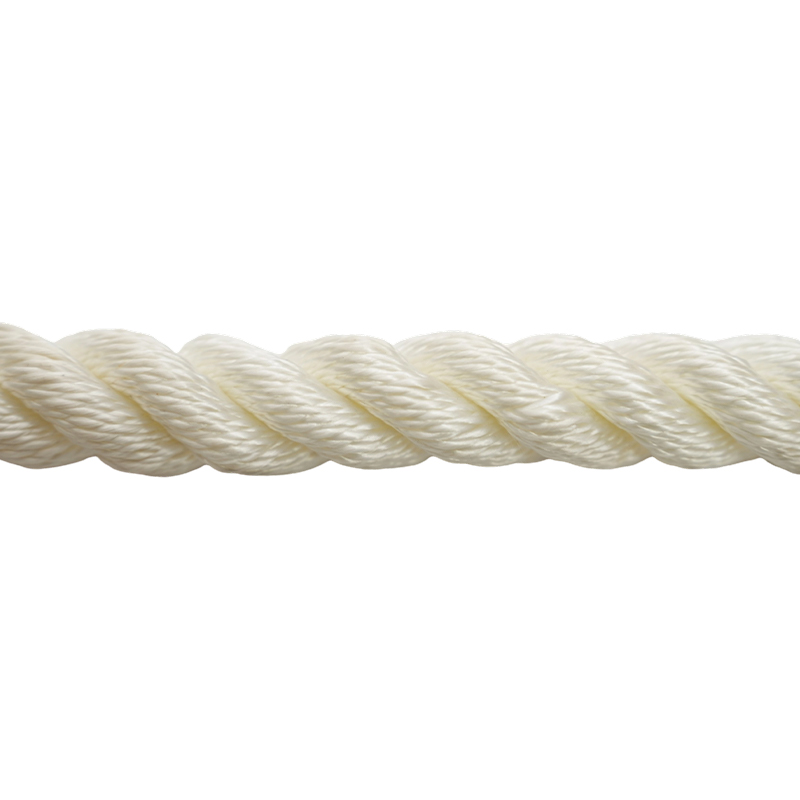
3-Strand Polypropylene Multi-Filament Hawser Mooring Rope / Line
-
 View More
8-Strand Polypropylene Mono-filament Hawser Mooring Rope / Line
-
 View More
8-Strand Polypropylene Multi-filament Mooring Rope / Line
-
 View More
12-Strand Polypropylene Multi-filament Hawser Mooring Rope / Line
-
 View More
Polypropylene Multi-filament Double Braided Hawser Mooring Rope / Line
-
 View More
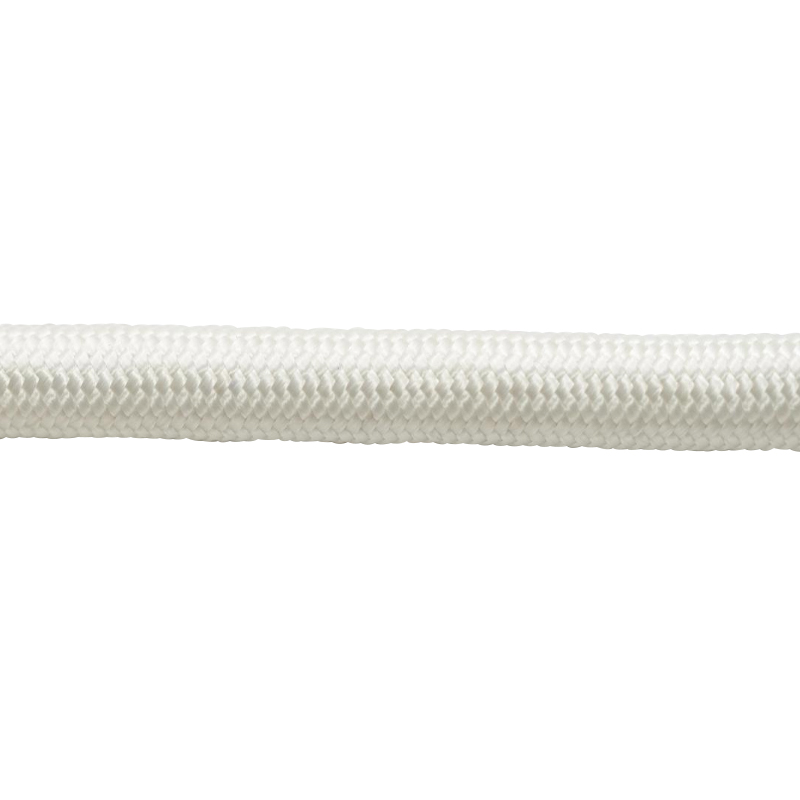
Polypropylene Multi-filament Reduced Recoil Mooring Rope / Line
-
 View More
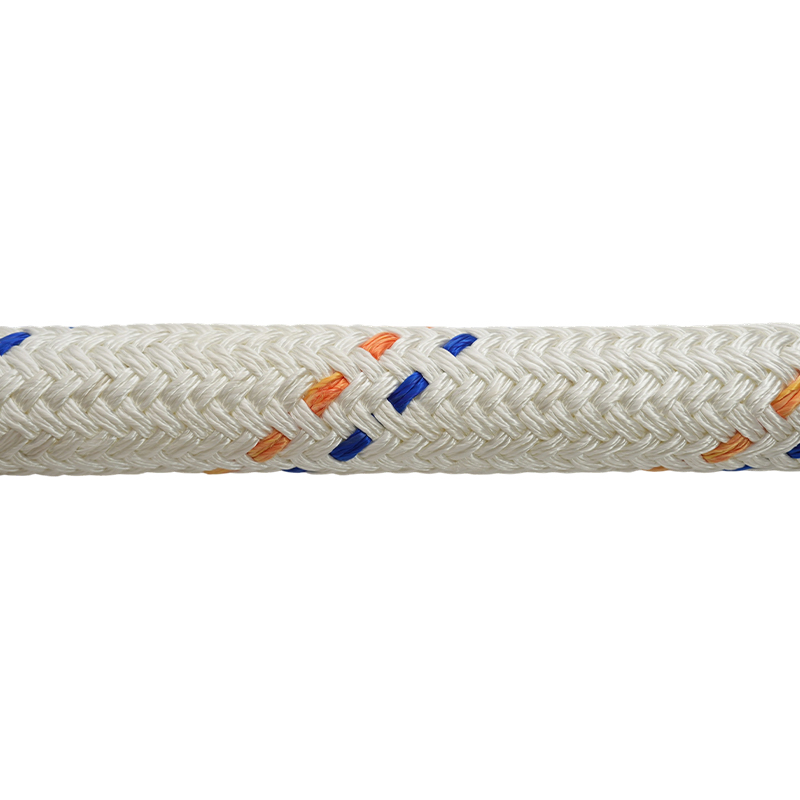
Polypropylene Multi-filament Mooring Tail
-
 View More
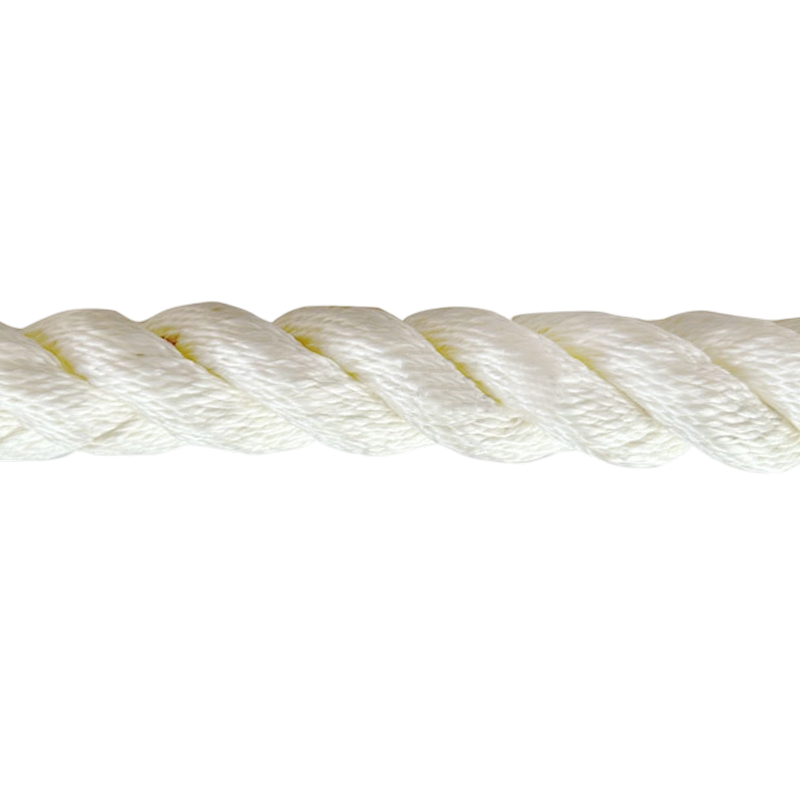
3-Strand Polyester Mooring Rope / Line
-
 View More
8-Strand Polyester Hawser Mooring Rope / Line
-
 View More
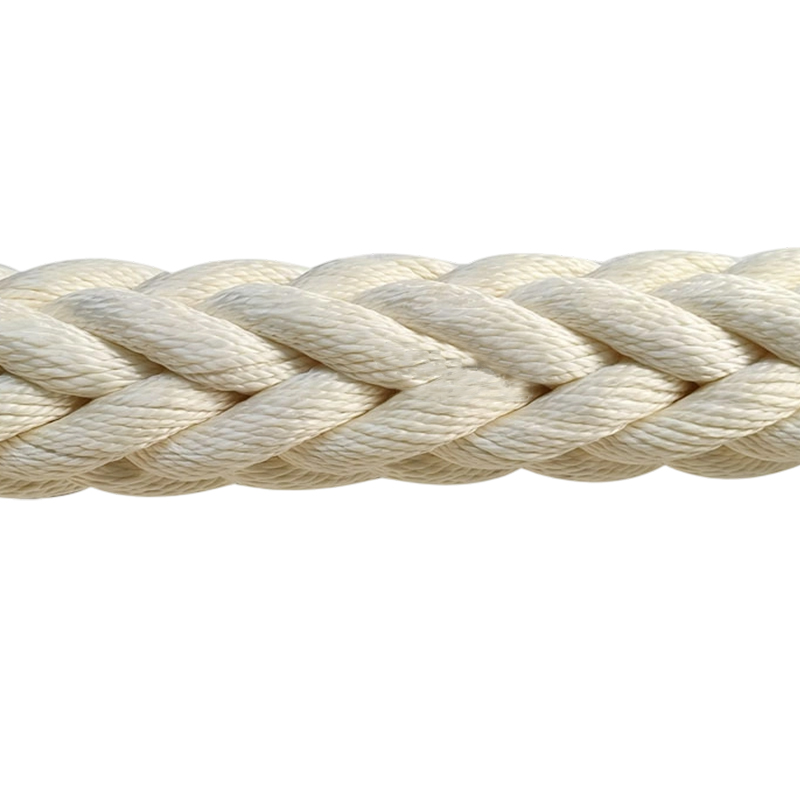
12-Strand Polyester Mooring Rope / Line,Hawser
-
 View More
Polyester Double Braided Hawser Mooring Rope / Line