


 English
 Español
 عربى
عربى
What is the lifespan of a mooring line?
Content
There's no fixed "shelf life" for a mooring line. It's like the shoes we wear; those used daily for hiking will wear out faster than those only worn occasionally for walks.
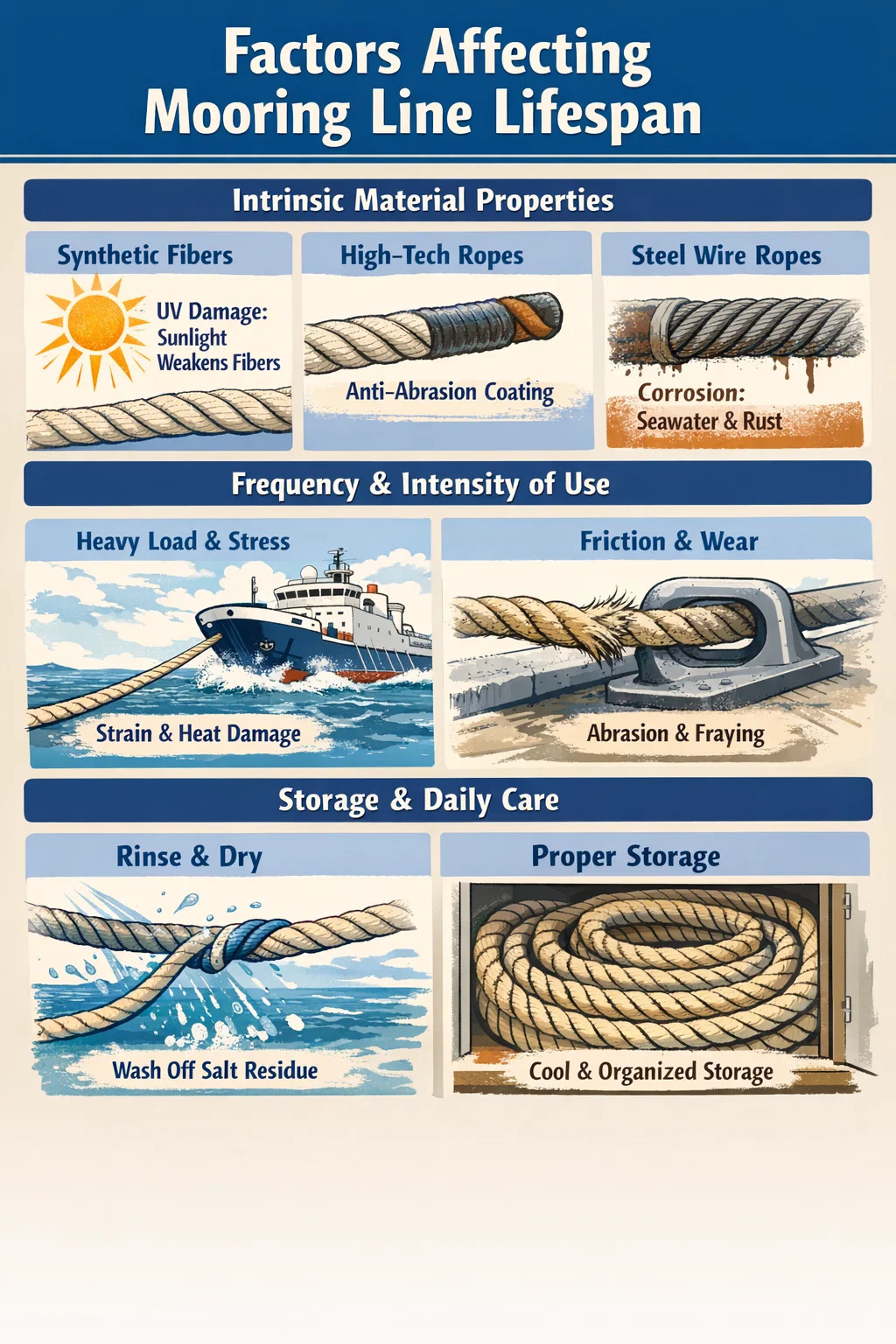
Factors affecting mooring line lifespan:
1. Intrinsic material properties
Different materials have inherently different resistance to aging.
Synthetic fibers: For example, nylon or polyester. Their biggest enemy is ultraviolet radiation from sunlight. Prolonged exposure to sunlight makes the fibers brittle and lose elasticity.
High-tech materials: Some high-end mooring lines have special anti-abrasion coatings on their surface, and their lifespan is usually much longer than ordinary polypropylene ropes.
Steel wire ropes: Their nemesis is seawater corrosion. If the anti-rust oil is not applied frequently, rust will significantly reduce their lifespan.
2. Frequency and intensity of use
"Work intensity": If the ship is frequently moored in ports with strong winds, rough seas, and large tidal ranges, the rope will be repeatedly stretched and contracted under strong forces, causing heat generation and gradual fatigue of the internal fibers.
Friction damage: This is the most common "cause of death" for mooring lines. If the rope passes through fairleads or over dock edges without protective covers, prolonged and repeated friction will fray or even break the rope.
3. Storage and daily care
Washing and drying: Salt crystals from seawater act like tiny blades, cutting and damaging the fibers inside the rope. Rinsing with fresh water after each use can significantly extend its lifespan.
Storage environment: The lifespan of a mooring line will be vastly different depending on whether it's haphazardly piled on the deck in the sun or neatly coiled and stored in a cool, well-ventilated rope locker.
Related Products
-
 View More
3-Strand Polypropylene Mono-filament Mooring Rope / Line
-
 View More
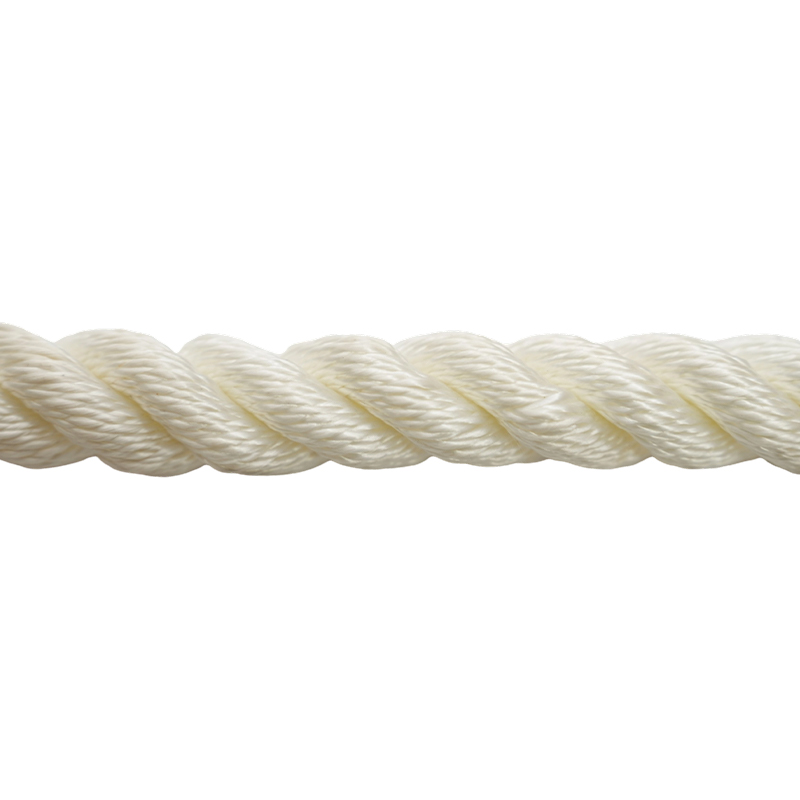
3-Strand Polypropylene Multi-Filament Hawser Mooring Rope / Line
-
 View More
8-Strand Polypropylene Mono-filament Hawser Mooring Rope / Line
-
 View More
8-Strand Polypropylene Multi-filament Mooring Rope / Line
-
 View More
12-Strand Polypropylene Multi-filament Hawser Mooring Rope / Line
-
 View More
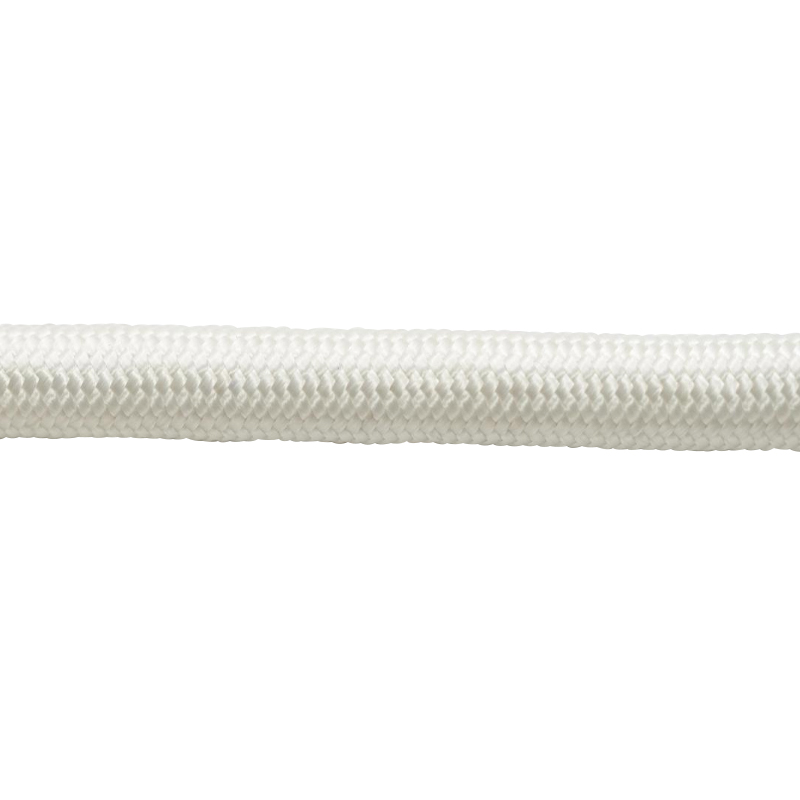
Polypropylene Multi-filament Double Braided Hawser Mooring Rope / Line
-
 View More
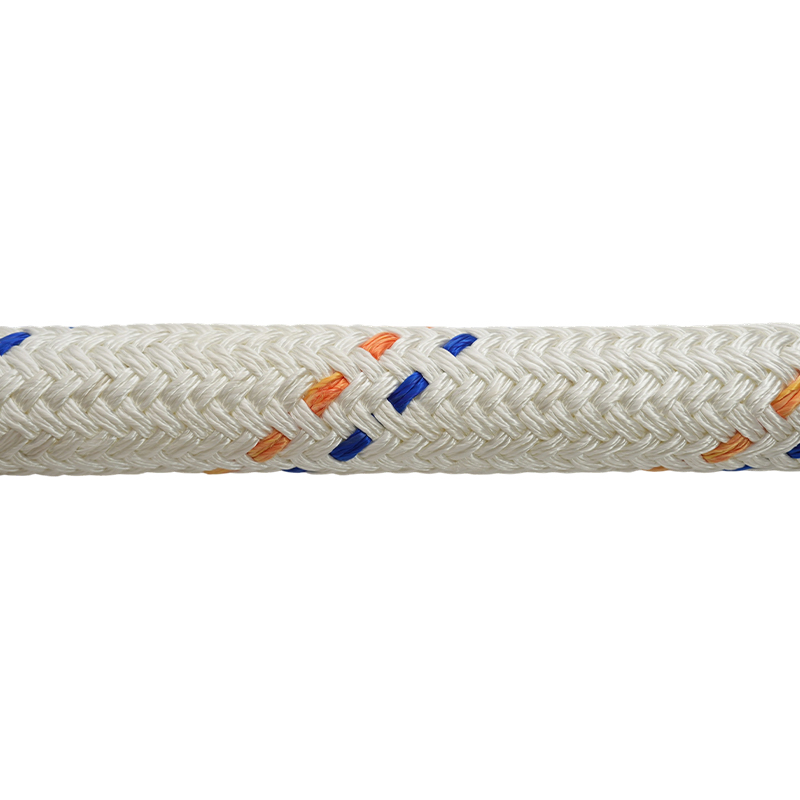
Polypropylene Multi-filament Reduced Recoil Mooring Rope / Line
-
 View More
Polypropylene Multi-filament Mooring Tail
-
 View More
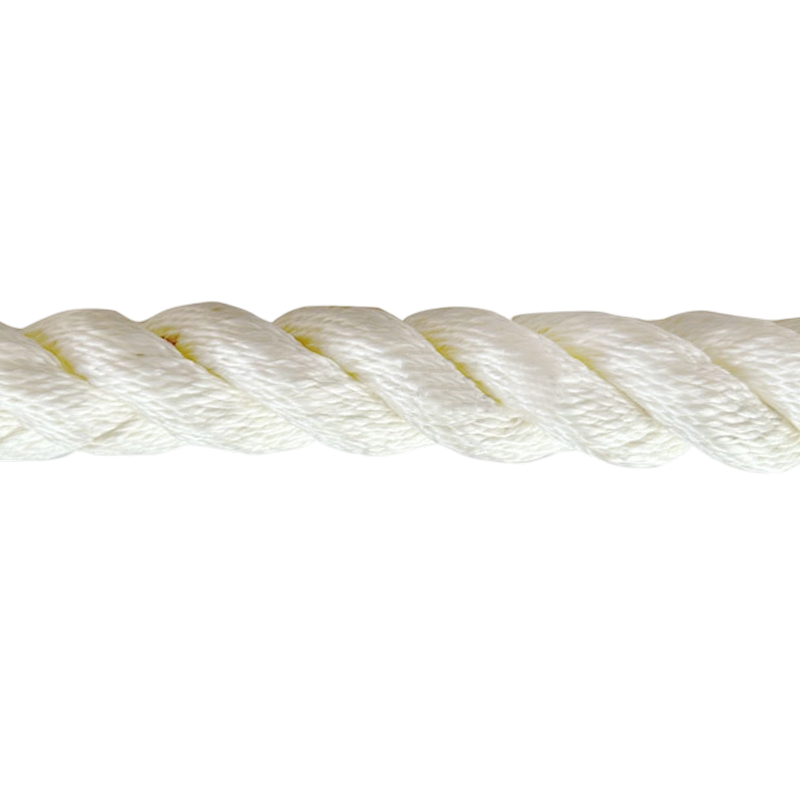
3-Strand Polyester Mooring Rope / Line
-
 View More
8-Strand Polyester Hawser Mooring Rope / Line
-
 View More
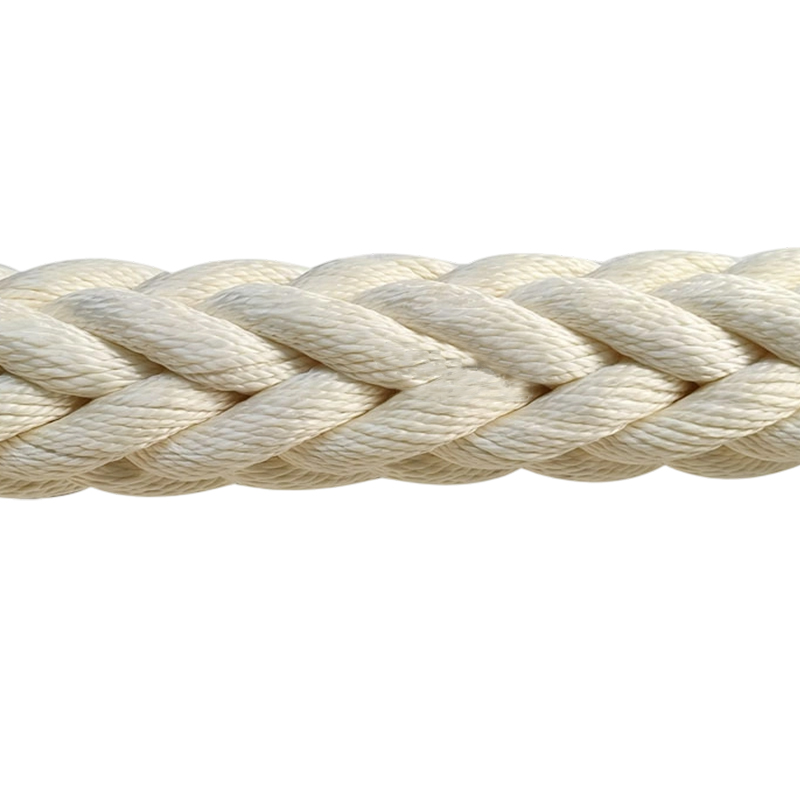
12-Strand Polyester Mooring Rope / Line,Hawser
-
 View More
Polyester Double Braided Hawser Mooring Rope / Line