


 English
 Español
 عربى
عربى
How long is a mooring rope?
Content
Determining the ideal length for a mooring rope is similar to choosing a clothing size; there's no single, universally applicable standard length. It depends on the size of your boat, its location, and how you plan to moor it.
If the rope is too short, it can cause severe damage during high tide; if it's too long, the excess rope piled on the deck is both unsightly and a tripping hazard.
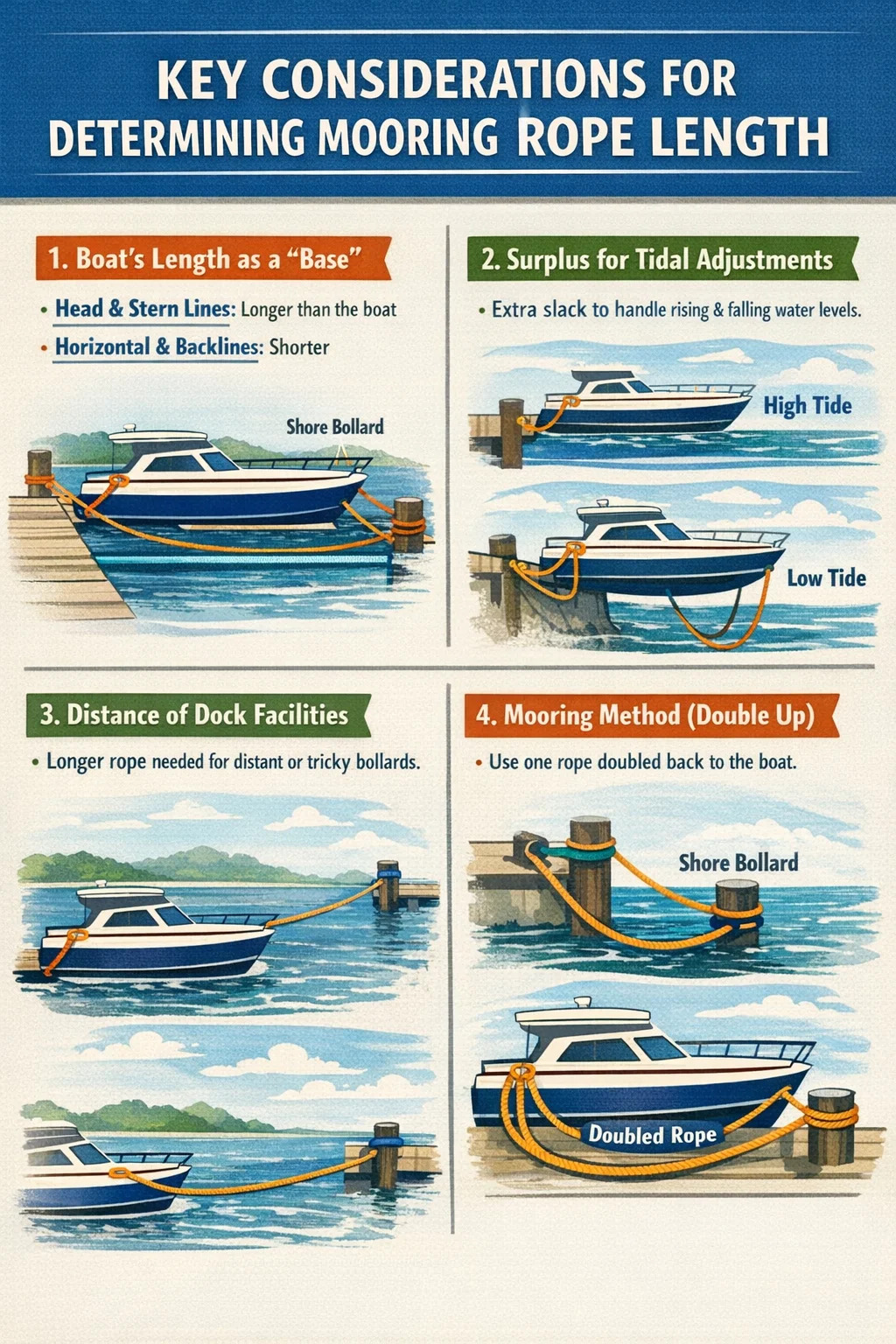
● Key Considerations for Determining Mooring Rope Length
1. The Boat's Length as a "Base"
Generally, the mooring rope is prepared based on the boat's actual length.
Head and Stern Lines: These two main lines are usually longer than the boat's hull. This allows the rope to extend diagonally from the bow towards the shore bollards when the boat is docked, providing sufficient angle to stabilize the vessel.
Horizontal and Backline Lines: The horizontal lines, responsible for pulling the boat towards the shore, can be shorter; while the backline lines, which are used for crisscrossing, require a moderate length.
2. "Surplus" for Tidal Adjustments
This is the most easily overlooked point by beginners.
If the water level fluctuates greatly where you're moored, your mooring rope must have sufficient slack.
Imagine if the rope is just the right length; when the tide recedes, the boat will be suspended in mid-air, or the tension will be so great that the rope will snap. Therefore, the extra length allows the boat to rise and fall smoothly with the water level.
3. Distance of Dock Facilities
Not every dock has mooring bollards right next to your boat.
Sometimes the bollards on shore are far away, or you need to maneuver the rope around obstacles. In these cases, you'll need a longer mooring rope.
Experienced captains usually carry several extra-long mooring ropes in case of poorly designed temporary berths.
4. Mooring Method (Double Up)
Sometimes, for safety, we use a "double-rope" method, which means using two ropes at the same location.
If you plan to use a long rope folded back (one end tied to the boat, the middle looped around the shore bollard, and the other end returned to the boat), then the rope should be at least twice the length you would normally need. This method is very convenient when leaving the dock; you can simply untie one end on the boat to retrieve the rope.
PREV:What is the lifespan of a mooring line?
NEXT:How to attach a mooring line to a boat? I'll show you how.
NEXT:How to attach a mooring line to a boat? I'll show you how.
Related Products
-
 View More
3-Strand Polypropylene Mono-filament Mooring Rope / Line
-
 View More
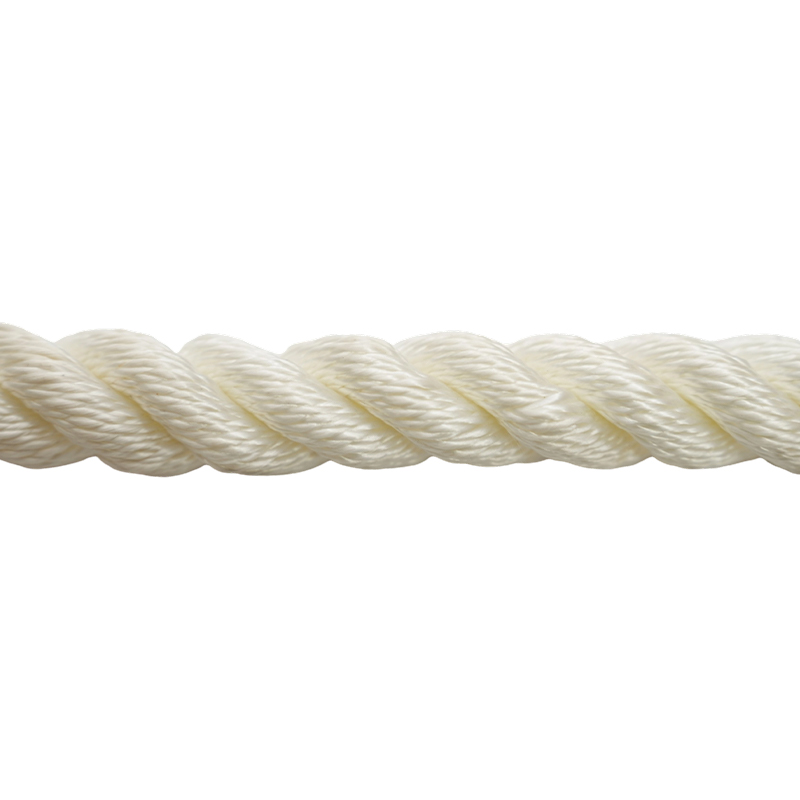
3-Strand Polypropylene Multi-Filament Hawser Mooring Rope / Line
-
 View More
8-Strand Polypropylene Mono-filament Hawser Mooring Rope / Line
-
 View More
8-Strand Polypropylene Multi-filament Mooring Rope / Line
-
 View More
12-Strand Polypropylene Multi-filament Hawser Mooring Rope / Line
-
 View More
Polypropylene Multi-filament Double Braided Hawser Mooring Rope / Line
-
 View More
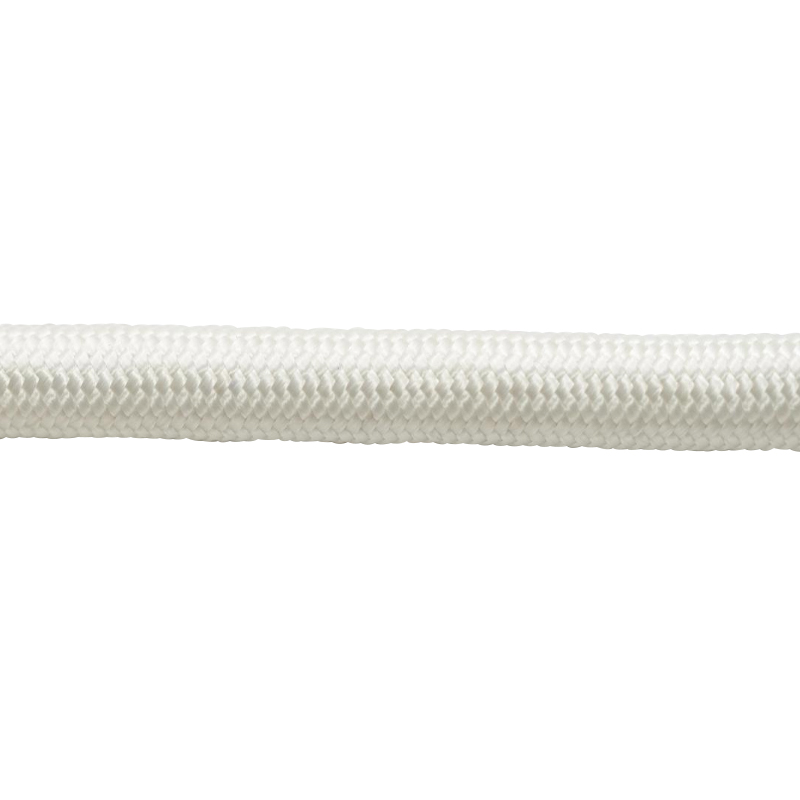
Polypropylene Multi-filament Reduced Recoil Mooring Rope / Line
-
 View More
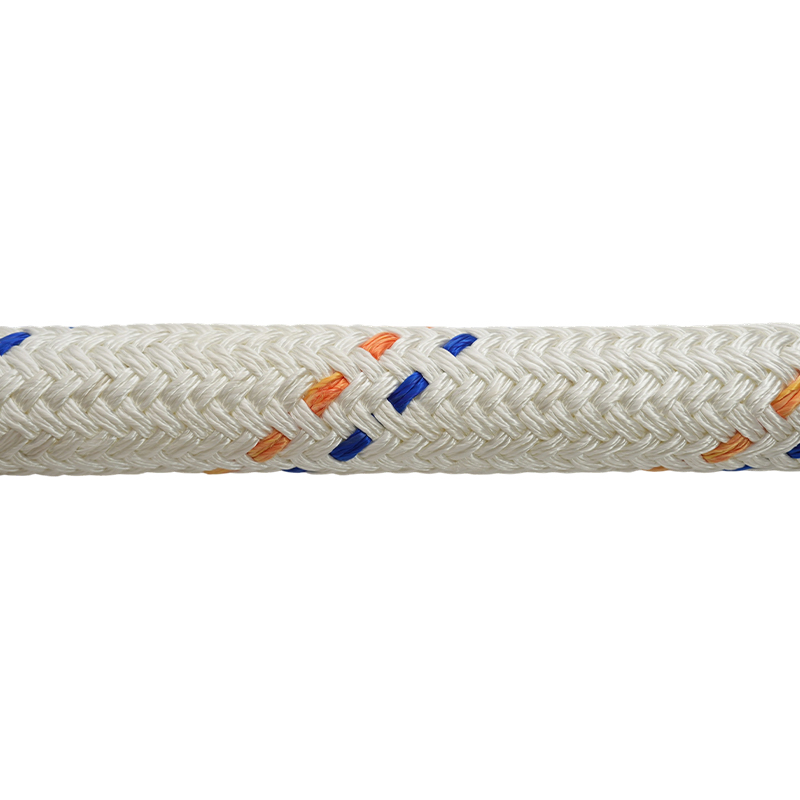
Polypropylene Multi-filament Mooring Tail
-
 View More
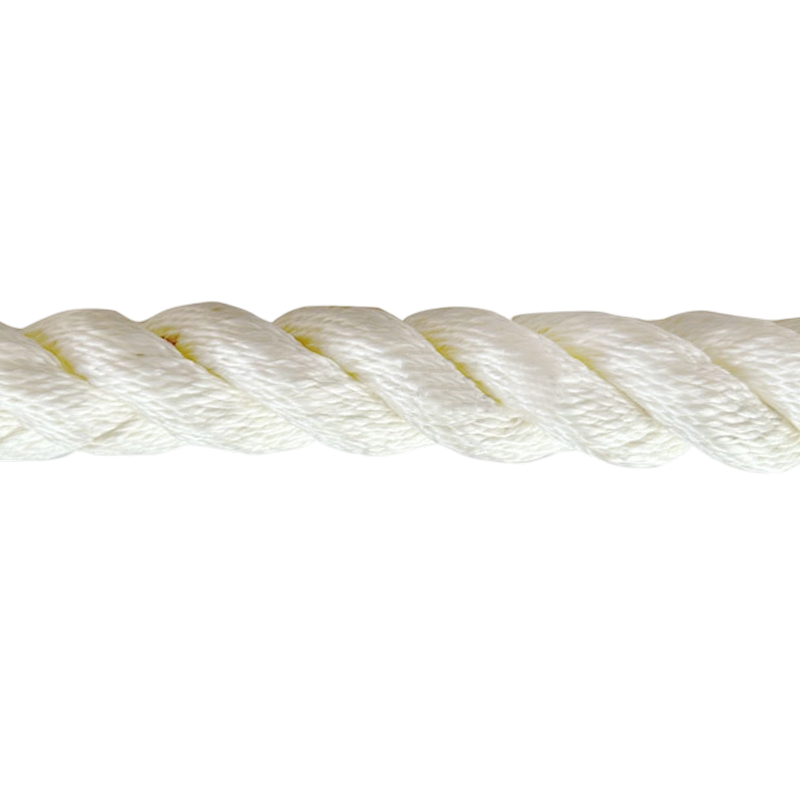
3-Strand Polyester Mooring Rope / Line
-
 View More
8-Strand Polyester Hawser Mooring Rope / Line
-
 View More
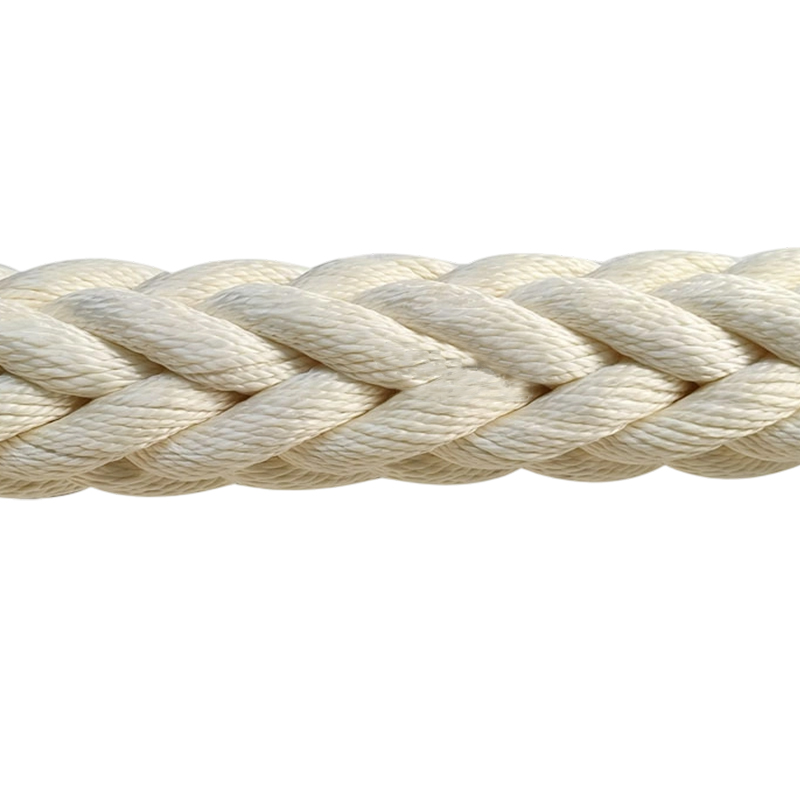
12-Strand Polyester Mooring Rope / Line,Hawser
-
 View More
Polyester Double Braided Hawser Mooring Rope / Line