


 English
 Español
 عربى
عربى
A Comprehensive Guide to Nylon Rope for Buyers
Content
- 1 1. What is Nylon Rope?
- 2 2. How is Nylon Rope Made?
- 3 3. Applications of Nylon Rope
- 4 4. Types of Nylon Rope
- 5 5. How to Choose the Right Nylon Rope
- 6 6. Usage Tips of Nylon Rope
- 7
- 8 7. Precautions for Use Nylon Rope
- 9 8. Storage Tips of Nylon Rope
- 10 9. Manufacturing and Specifications
- 11 10. Where to Buy Nylon Rope
- 12 11. Common Mistakes When Buying Nylon Rope
- 13 12. How to Maintain and Care for Nylon Rope
- 14 13. Comparing Nylon Rope with Other Synthetic Ropes
- 15 14. Common Uses of Nylon Rope in Specific Industries
- 16 15. The Role of Nylon Rope in Safety and Risk Management
- 17
- 18 16. The Economic Impact of Nylon Rope on Industries
- 19 17. The Role of Innovation in Nylon Rope Development
- 20 18. The Role of Nylon Rope in Education and Training
- 21 19. The Cultural and Social Impact of Nylon Rope
- 22 20. The Role of Nylon Rope in Art and Design
- 23 21. The Role of Nylon Rope in Emergency and Disaster Response
- 24 22. The Role of Nylon Rope in Environmental Conservation and Sustainability
- 25 23. The Role of Nylon Rope in Global Trade and Commerce
- 26
- 27 24. Environmental Impact and Sustainability
- 28 25. Future Trends in Nylon Rope Technology
Nylon rope is a synthetic fiber rope made from nylon, a synthetic polymer first developed by DuPont in 1935 . It is known for its durability, elasticity, and resistance to wear, making it a popular choice in various industries . For buyers, understanding the properties, applications, and uses of nylon rope is essential for making informed purchasing decisions.
1. What is Nylon Rope?
Nylon rope is a synthetic fiber rope made from nylon, a synthetic polymer. It is known for its strength, durability, and resistance to abrasion, weather, and chemicals . It is widely used in marine, agricultural, construction, and industrial applications .

Key Characteristics of Nylon Rope:
- High Strength and Durability: Nylon rope is strong and can withstand heavy loads and impacts .
- Elasticity: Nylon has a certain amount of elasticity, which allows it to absorb shock and reduce the impact of sudden loads .
- Resistance to Weather and Chemicals: Nylon is resistant to moisture, UV radiation, and many chemicals .
- Good Knot-Holding Characteristics: Nylon rope is easy to tie and secure, making it ideal for climbing and other applications .
- Longevity: Nylon rope lasts longer than natural fiber ropes, often 4-5 times longer .
| Characteristic | Description |
| Material | Nylon (Polyamide) |
| Density | 1.14 g/cm³ |
| Melting Point | 215°C (220°C) |
| Strength | High tensile strength, high strength-to-weight ratio |
| Elasticity | Good elasticity, can stretch 15-30% |
| Durability | High durability, resistant to abrasion and chemicals |
| Resistance to Environmental Factors | Resistant to UV radiation, moisture, and weather conditions |
| Chemical Resistance | Resistant to acids, solvents, and alkalis |
| Water Absorption | Slightly hygroscopic (absorbs moisture) |
| Applications | Used in marine, construction, towing, and industrial applications |
| Construction | Available in twisted, braided, and multi-strand constructions |
| Color | Typically white |
| Temperature Resistance | Resistant to temperatures up to 80°C |
2. How is Nylon Rope Made?
Nylon is a synthetic polymer produced through a chemical reaction involving diamines and dicarboxylic acids. The process involves condensation polymerization, where monomers are linked together to form long polymer chains . The resulting nylon is then extruded into fibers and woven into rope .
The "Nylon Rope Trick" Experiment: A simple experiment can demonstrate the formation of nylon fibers, though industrial production is more complex .
3. Applications of Nylon Rope
Nylon rope is used in a wide range of applications due to its versatility and durability:
- Marine and Shipping: Used for mooring lines, anchor lines, and towing ropes .
- Construction and Industrial: Used for lifting, pulling, and securing equipment .
- Agriculture and Farming: Used for tying and securing equipment .
- Climbing and Safety: Used in climbing, safety lines, and harnesses .
- General Use: Used for tying, securing, and general-purpose applications .
| Application | Description |
| Marine | Nylon rope is widely used in marine applications, including mooring lines, anchor lines, towing ropes, and docking lines. Its high strength, durability, and resistance to UV radiation and water make it ideal for harsh marine environments . |
| Construction | Nylon rope is used in construction for lifting, hoisting, securing loads, and general-purpose utility. It is trusted for its strength and durability in construction and hardware settings . |
| Industrial | Nylon rope is used in industrial applications such as rigging, lifting equipment, and securing loads. Its abrasion resistance and strength make it suitable for heavy-duty tasks . |
| Safety and Rescue | Nylon rope is used in safety lines, rappelling, and rescue operations due to its elasticity and shock-absorbing properties . |
| Outdoor and Recreation | Nylon rope is ideal for camping, hiking, boating, and climbing due to its lightweight nature, abrasion resistance, and strength . |
| General Purpose | Nylon rope is used in a variety of everyday applications, including tie-downs, slings, and general-purpose tasks . |
| Agricultural | Nylon rope is used in agricultural applications, such as tying down crops and securing equipment . |
| Transportation | Nylon rope is used in aerial applications, such as tying down aircraft and repairing reefer malfunctioning in the marine sector . |
4. Types of Nylon Rope
| Type | Description |
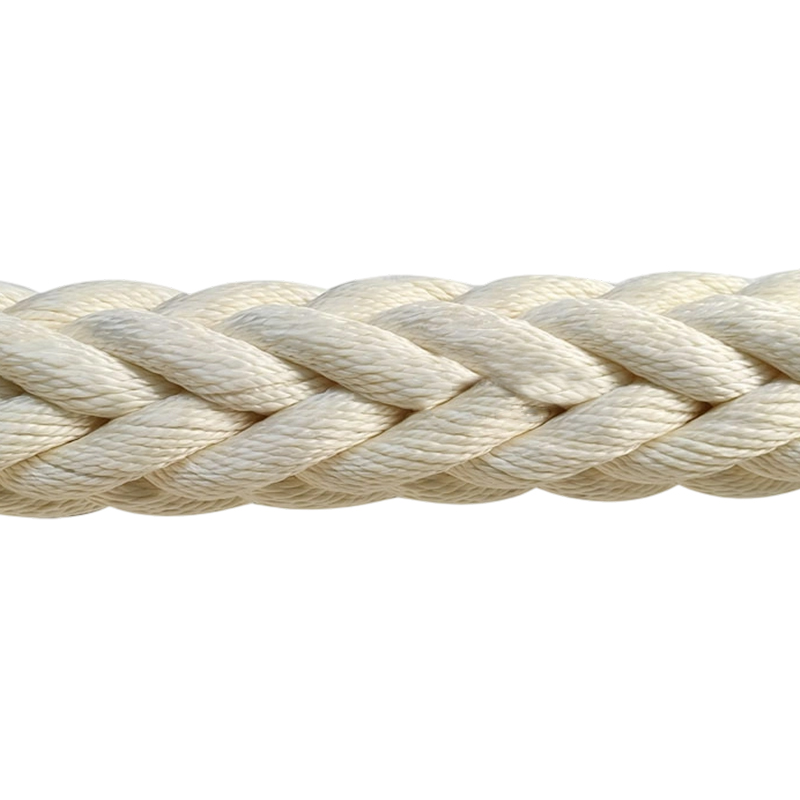
| 8-Strand Nylon Rope | A common type of nylon rope with 8 strands, often used for general-purpose applications. It is known for its strength and durability . |
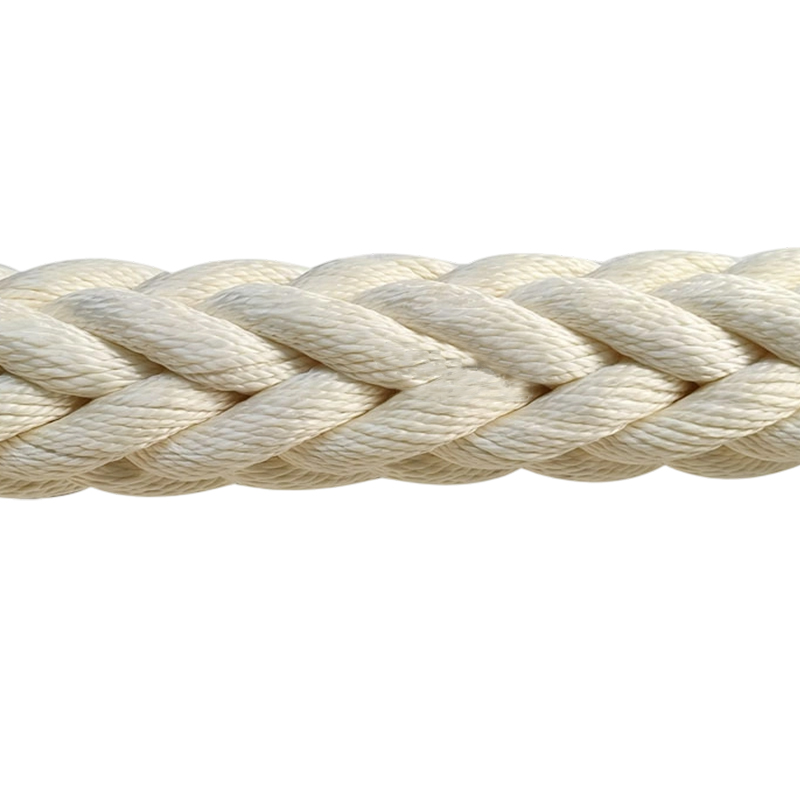
| Braided Nylon Rope | A type of nylon rope constructed by braiding multiple strands together, offering high strength and flexibility. It is commonly used in marine and industrial applications . |
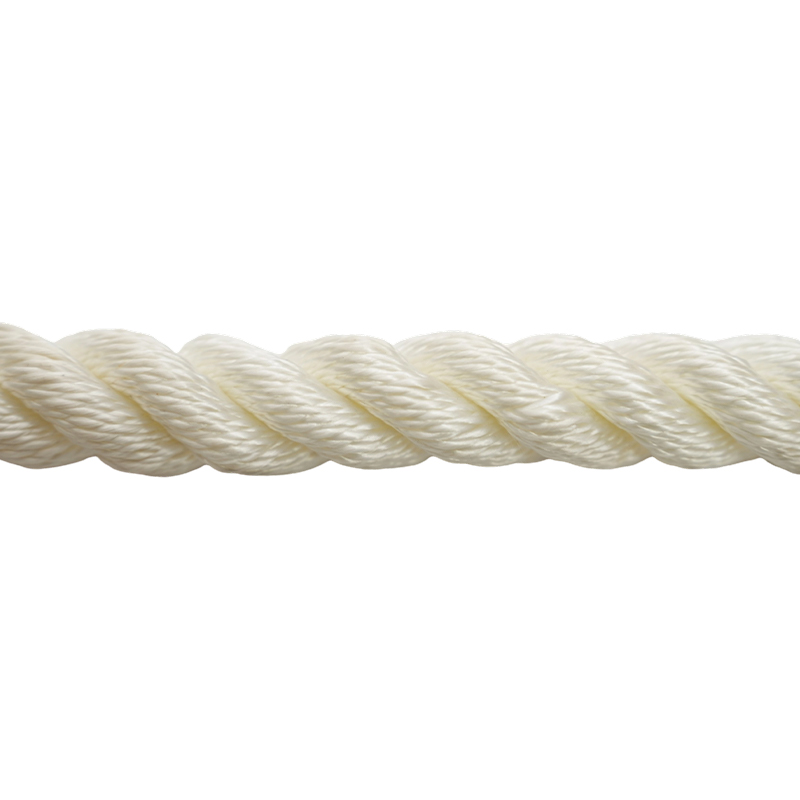
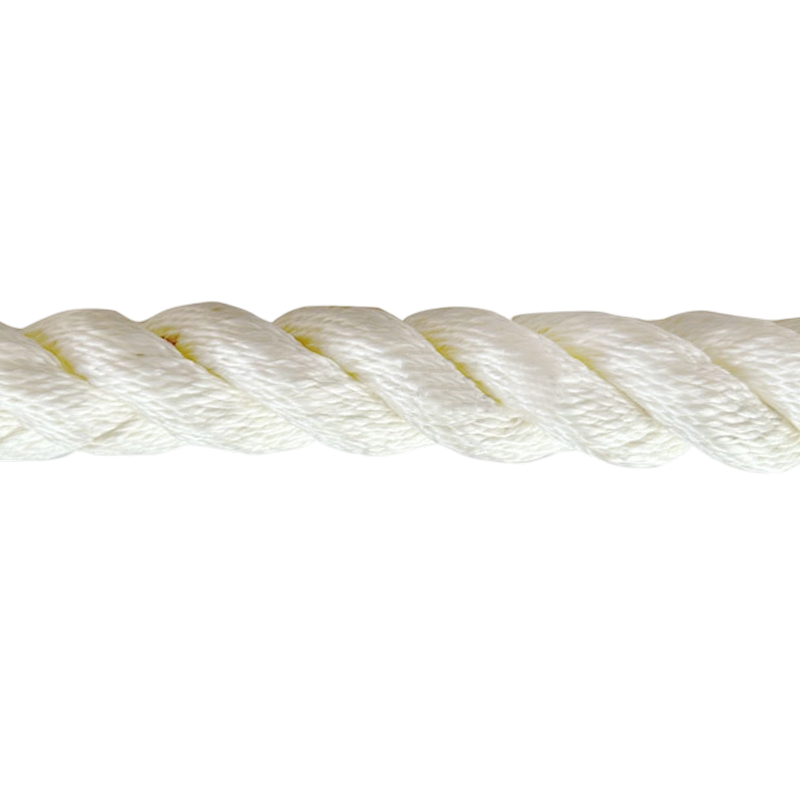
| Twisted Nylon Rope | A type of nylon rope constructed by twisting multiple strands together, offering good strength and durability. It is used in various applications, including towing and lifting . |
| Solid Braid Nylon Rope | A type of nylon rope with a solid braid construction, offering high strength and resistance to abrasion. It is often used in applications requiring high strength and durability . |
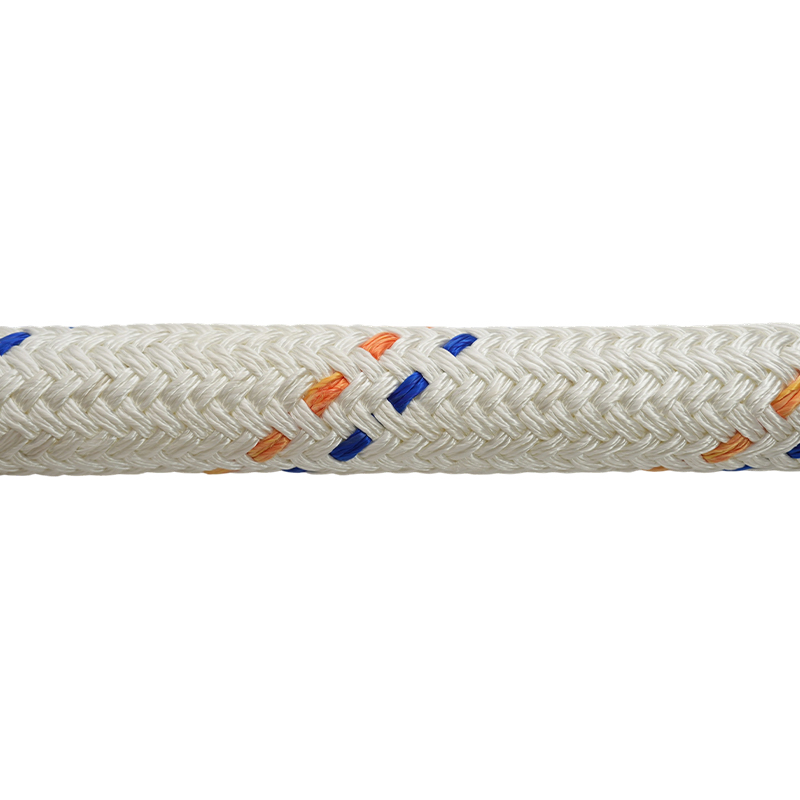
| Double Braid Nylon Rope | A type of nylon rope with a double braid construction, offering high strength and flexibility. It is commonly used in marine and industrial applications . |
| Nylon Rope with Different Diameters | Nylon ropes are available in various diameters, ranging from small to large sizes, to suit different applications. The diameter is often measured in inches or millimeters . |
| Nylon Rope with Different Strengths | Nylon ropes are available in various strengths, measured by tensile strength and weight. The strength is often indicated by the diameter and the material used . |
| Nylon Rope with Different Applications | Nylon ropes are used in a wide range of applications, including marine, construction, towing, and general-purpose uses. The type of nylon rope used depends on the specific application requirements . |
5. How to Choose the Right Nylon Rope
| Selection Criteria | Description |
| Diameter | The diameter of the rope should be chosen based on the weight of the load it will be carrying. A thicker rope can carry more weight . |
| Length | The length of the rope should be chosen based on the distance it will need to cover. The length should be sufficient for the intended application . |
| Strength | The strength of the rope is typically measured by its breaking strength, which is the maximum load it can withstand before breaking. This is often indicated in pounds or kilograms . |
| Application | The type of application (e.g., marine, construction, towing, or general-purpose) should determine the type of nylon rope to use. Different applications may require different strengths and durability . |
| Material and Construction | Nylon ropes are available in various constructions, such as twisted, braided, or solid braid, each offering different levels of strength, flexibility, and durability . |
| Environmental Conditions | Consider the environmental conditions in which the rope will be used, such as exposure to UV radiation, moisture, or chemicals. Nylon ropes are generally resistant to these factors . |
| Safety Factor | In some applications, such as lifting and hoisting, a safety factor is applied to ensure the rope can handle loads beyond its breaking strength. This is often specified in regulatory standards . |
| Cost and Availability | Consider the cost and availability of the rope. Nylon ropes are widely available and can be purchased in various sizes and configurations . |
6. Usage Tips of Nylon Rope
| Tip | Description |
| Proper Handling | Always handle nylon rope with care to avoid abrasion and damage. Avoid sharp edges or rough surfaces that could damage the rope. |
| Storage | Store nylon rope in a dry, cool, and well-ventilated area to prevent moisture damage and UV exposure. Keep it away from direct sunlight and chemicals. |
| Cleaning | Clean nylon rope with mild detergents and water. Rinse thoroughly and allow it to dry completely before storage. Avoid harsh chemicals or solvents. |
| Load Capacity | Ensure the rope is used within its rated load capacity. Overloading can lead to breakage or failure. Always follow manufacturer guidelines for load limits. |
| Application-Specific Use | Use the appropriate type of nylon rope for the intended application. For example, use a stronger rope for heavy-duty tasks and a lighter one for general use. |
| Safety Precautions | When using nylon rope in climbing or high-risk applications, always use proper safety equipment and follow safety protocols. |
| Inspection | Regularly inspect the rope for signs of wear, damage, or abrasion. Replace any damaged or worn-out ropes immediately. |
| Environmental Considerations | Avoid using nylon rope in environments with extreme temperatures, chemicals, or corrosive substances, as these can degrade the rope. |

7. Precautions for Use Nylon Rope
| Precaution | Description |
| Handling | Always handle nylon rope with care to avoid abrasion and damage. Avoid sharp edges or rough surfaces that could damage the rope . |
| Storage | Store nylon rope in a dry, cool, and well-ventilated area to prevent moisture damage and UV exposure. Keep it away from direct sunlight and chemicals . |
| Cleaning | Clean nylon rope with mild detergents and water. Rinse thoroughly and allow it to dry completely before storage. Avoid harsh chemicals or solvents . |
| Load Capacity | Ensure the rope is used within its rated load capacity. Overloading can lead to breakage or failure. Always follow manufacturer guidelines for load limits . |
| Application-Specific Use | Use the appropriate type of nylon rope for the intended application. For example, use a stronger rope for heavy-duty tasks and a lighter one for general use . |
| Safety Precautions | When using nylon rope in climbing or high-risk applications, always use proper safety equipment and follow safety protocols . |
| Inspection | Regularly inspect the rope for signs of wear, damage, or abrasion. Replace any damaged or worn-out ropes immediately . |
| Environmental Considerations | Avoid using nylon rope in environments with extreme temperatures, chemicals, or corrosive substances, as these can degrade the rope . |
8. Storage Tips of Nylon Rope
| Storage Tips | Details |
| Environment | Store in a dry, cool, and well-ventilated environment, away from direct sunlight and extreme temperatures . |
| Avoid Exposure | Avoid exposure to heat, direct sunlight, chemicals, and corrosive substances . |
| Storage Method | Store on reels or in rope bags, avoiding direct contact with the ground or sharp objects . |
| Humidity and Moisture | Keep away from moisture and high humidity to prevent damage and deterioration . |
| Handling | Avoid overloading, twisting, or kinking the rope during storage or use . |
| Inspection | Regularly inspect for damage, fraying, or wear and replace as needed . |
| Cleaning | Clean with mild soap and water, avoid harsh chemicals . |
9. Manufacturing and Specifications
Nylon rope is manufactured using a process that involves the polymerization of monomers to form nylon fibers . The rope can be produced in various constructions, such as twisted, braided, or plaited strands, and in different diameters and lengths . The manufacturing process ensures that the rope meets specific standards, such as ISO 9002, to ensure quality and consistency .
10. Where to Buy Nylon Rope
Nylon rope is available from various suppliers, including manufacturers, wholesalers, and online retailers . Buyers can purchase in bulk or in smaller quantities for testing and sampling . Yangzhou Jushen Rope Co., Ltd
11. Common Mistakes When Buying Nylon Rope
When purchasing nylon rope, buyers may make several common mistakes that can lead to suboptimal performance or safety issues:
- Choosing the Wrong Diameter: Using a rope that is too thin for the intended load can lead to breakage or failure.
- Ignoring Load Capacity: Not checking the rated load capacity of the rope can lead to accidents or equipment damage.
- Neglecting Environmental Factors: Using nylon rope in wet conditions can reduce its strength, so it is important to consider the environment in which the rope will be used.
- Improper Storage: Storing nylon rope in direct sunlight or extreme temperatures can degrade its properties over time.
12. How to Maintain and Care for Nylon Rope
Proper maintenance is essential to ensure the longevity and performance of nylon rope. Here are some tips for maintaining nylon rope:
- Storage: Store nylon rope in a cool, dry place away from direct sunlight and extreme temperatures.
- Cleaning: Clean the rope with mild soap and water, and avoid using harsh chemicals or solvents.
- Handling: Avoid sharp edges or abrasive surfaces that could damage the rope.
- Inspection: Regularly inspect the rope for signs of wear, damage, or degradation.
| Care Aspect | Details |
| Cleaning | Clean the rope regularly with mild soap and water, avoiding harsh chemicals or solvents that can damage the fibers . |
| Storage | Store the rope in a dry, well-ventilated area, away from direct sunlight and moisture to prevent mold growth and degradation . |
| Handling | Avoid contact with sharp edges, acids, and corrosive substances, as they can cause damage or wear . |
| Inspection | Regularly inspect the rope for signs of wear, fraying, or damage, and replace any worn or damaged sections . |
| Avoiding Damage | Avoid overloading, twisting, or kinking the rope, and do not leave it under tension for extended periods . |
| Drying | If the rope becomes wet, hang it in large loops to air-dry at room temperature, avoiding direct heat or sunlight . |
13. Comparing Nylon Rope with Other Synthetic Ropes
Nylon rope is just one of several synthetic ropes available on the market. Other common synthetic ropes include polyester, polypropylene, and polyethylene. Each has its own advantages and disadvantages:
- Polyester Rope: Strong, resistant to UV damage, and often used in marine applications.
- Polypropylene Rope: Lightweight and buoyant, often used in marine and fishing applications.
- Polyethylene Rope: Strong and lightweight, often used in high-strength applications.
Each type of rope has its own strengths and weaknesses, and the choice depends on the specific application and requirements.
| Characteristic | Nylon Rope | Polyester Rope | Polypropylene Rope |
| Strength | Strong, especially under steady pressure | Strong, retains strength when wet | Strong, lightweight, and durable |
| Flexibility | High elasticity, good for shock absorption | Less flexible, less stretch | Low stretch, good for water applications |
| Water Resistance | Loses strength when wet | Better resistance to water | Resists water absorption |
| Abrasion Resistance | Lesser abrasion resistance | Greater abrasion resistance | Good resistance to chemicals and water |
| Heat Resistance | Less heat resistance | More heat resistance | Good resistance to heat |
| Applications | Ideal for dynamic tasks, shock absorption | Used in flag poles, tie-downs | Used in water sports, towing |
14. Common Uses of Nylon Rope in Specific Industries
Nylon rope is used in a wide range of industries, each with specific requirements and applications:
- Marine Industry: Used for mooring, towing, and anchoring. Nylon rope is preferred for its strength and resistance to water.
- Construction Industry: Used for lifting, pulling, and securing equipment. Its durability makes it ideal for heavy-duty applications.
- Agricultural Industry: Used for tying and securing equipment, such as hay bales or farm equipment.
- Climbing and Safety: Used in climbing, safety lines, and harnesses due to its strength and elasticity.
- General Use: Used for tying, securing, and general-purpose applications in both industrial and residential settings.
15. The Role of Nylon Rope in Safety and Risk Management
In many industries, safety is paramount, and nylon rope plays a critical role in ensuring the safety of workers and equipment. From construction sites to marine operations, the use of nylon rope is often tied to safety protocols and regulations.
- Safety Protocols: In industries like construction, marine, and climbing, nylon rope is used in conjunction with safety harnesses, pulleys, and other equipment to prevent falls and accidents.
- Regulatory Compliance: Many industries have strict regulations regarding the use of ropes and safety equipment. Buyers must ensure that the nylon rope they purchase meets industry standards and safety requirements.
- Training and Education: Proper training on the use and handling of nylon rope is essential to prevent accidents and ensure worker safety.

16. The Economic Impact of Nylon Rope on Industries
Nylon rope is not just a product; it is a component of larger economic systems. The production, distribution, and use of nylon rope contribute to the economy in several ways:
- Job Creation: The manufacturing, distribution, and installation of nylon rope create jobs in various sectors.
- Cost Savings: The durability and longevity of nylon rope reduce the need for frequent replacements, leading to cost savings for businesses.
- Global Trade: Nylon rope is a global product, with production and trade occurring across multiple countries, contributing to international trade and economic growth.
17. The Role of Innovation in Nylon Rope Development
Innovation is a key driver in the development of nylon rope and its applications. Advances in materials science, manufacturing processes, and technology are continuously improving the performance and versatility of nylon rope.
- Material Science: Research into new polymers and composites is leading to stronger, lighter, and more durable nylon ropes.
- Manufacturing Processes: Advances in manufacturing techniques are making it possible to produce nylon rope more efficiently and with greater precision.
- Smart Technology: The integration of smart technology into ropes, such as sensors and monitoring systems, is opening up new possibilities for real-time monitoring and safety.
18. The Role of Nylon Rope in Education and Training
Nylon rope is not only a practical tool but also a valuable educational resource. In schools, universities, and vocational training programs, nylon rope is used to teach students about physics, engineering, and practical skills.
- Physics and Engineering: Nylon rope is used in experiments to demonstrate concepts such as tension, force, and elasticity.
- Practical Skills: In vocational training, nylon rope is used to teach students how to tie knots, handle equipment, and perform basic repairs.
- Safety Education: In safety training programs, nylon rope is used to demonstrate proper handling and use of safety equipment.
19. The Cultural and Social Impact of Nylon Rope
Nylon rope has played a role in shaping cultural and social practices in various societies. From maritime traditions to industrial practices, the use of nylon rope has influenced how people live and work.
- Maritime Culture: In coastal communities, nylon rope is a symbol of resilience and adaptability, reflecting the challenges and triumphs of maritime life.
- Industrial Society: In industrialized societies, nylon rope represents the shift from manual labor to mechanized production.
- Globalization: The global trade of nylon rope reflects the interconnectedness of the modern world.
20. The Role of Nylon Rope in Art and Design
Nylon rope has also found its place in the world of art and design. Artists and designers use nylon rope to create sculptures, installations, and decorative elements.
- Sculpture and Installation Art: Nylon rope is used to create dynamic and interactive art pieces that engage viewers.
- Textile and Craft: In textile and craft traditions, nylon rope is used to create unique and durable textiles.
- Fashion and Design: In fashion and design, nylon rope is used to create accessories, jewelry, and decorative elements.
21. The Role of Nylon Rope in Emergency and Disaster Response
In emergency and disaster response scenarios, nylon rope is a critical tool for rescue operations, relief efforts, and infrastructure recovery. Its strength, durability, and versatility make it an essential resource in times of crisis.
- Rescue Operations: Nylon rope is used in search and rescue operations, such as lifting people or equipment from dangerous locations.
- Relief Efforts: In disaster-stricken areas, nylon rope is used for building temporary shelters, securing supplies, and providing access to affected areas.
- Infrastructure Recovery: After natural disasters, nylon rope is used in rebuilding efforts, such as repairing damaged structures and restoring essential services.
22. The Role of Nylon Rope in Environmental Conservation and Sustainability
In an era of increasing environmental awareness, the role of nylon rope in environmental conservation and sustainability is becoming more prominent. While nylon is a synthetic material and not biodegradable, its durability and longevity make it a sustainable choice in many applications.
- Longevity and Durability: Nylon rope lasts longer than natural fibers, reducing the need for frequent replacements and minimizing waste.
- Recycling and Reuse: While nylon is not easily biodegradable, it is recyclable in some cases, and efforts are being made to develop more sustainable alternatives.
- Environmental Impact: The production of nylon rope involves energy-intensive processes, but its long lifespan and durability make it a more sustainable choice in the long term.
23. The Role of Nylon Rope in Global Trade and Commerce
Nylon rope is a global product, with production, distribution, and trade occurring across multiple countries. The global nature of the nylon rope industry reflects the interconnectedness of the modern world.
- Global Production: Nylon rope is produced in various countries, with major manufacturing hubs in Asia, Europe, and North America.
- International Trade: The global trade of nylon rope involves complex supply chains and logistics, with products moving across borders for various markets.
- Economic Impact: The nylon rope industry contributes to the global economy through job creation, trade, and investment.
24. Environmental Impact and Sustainability
As a synthetic material, nylon rope is not biodegradable and can contribute to environmental pollution if not disposed of properly. However, nylon is recyclable in some cases, though the process is not as straightforward as with natural fibers. For environmentally conscious buyers, it is important to consider the end-of-life options for nylon rope. Some manufacturers are exploring more sustainable alternatives, such as biodegradable synthetic fibers or recycled materials.
25. Future Trends in Nylon Rope Technology
The development of nylon rope technology is ongoing, with several trends shaping the future of the industry:
- Improved Durability and Performance: Advances in polymer science are leading to stronger, more durable nylon ropes.
- Environmental Sustainability: Research into biodegradable and recyclable synthetic materials is increasing.
- Smart Ropes: The integration of sensors and smart technology into ropes for real-time monitoring and safety.
- Customization: The ability to produce custom-sized and specialized ropes for specific applications.
Related Products
-
 View More
3-Strand Polypropylene Mono-filament Mooring Rope / Line
-
 View More
3-Strand Polypropylene Multi-Filament Hawser Mooring Rope / Line
-
 View More
8-Strand Polypropylene Mono-filament Hawser Mooring Rope / Line
-
 View More
8-Strand Polypropylene Multi-filament Mooring Rope / Line
-
 View More
12-Strand Polypropylene Multi-filament Hawser Mooring Rope / Line
-
 View More
Polypropylene Multi-filament Double Braided Hawser Mooring Rope / Line
-
 View More
Polypropylene Multi-filament Reduced Recoil Mooring Rope / Line
-
 View More
Polypropylene Multi-filament Mooring Tail
-
 View More
3-Strand Polyester Mooring Rope / Line
-
 View More
8-Strand Polyester Hawser Mooring Rope / Line
-
 View More
12-Strand Polyester Mooring Rope / Line,Hawser
-
 View More
Polyester Double Braided Hawser Mooring Rope / Line