


 English
 Español
 عربى
عربى
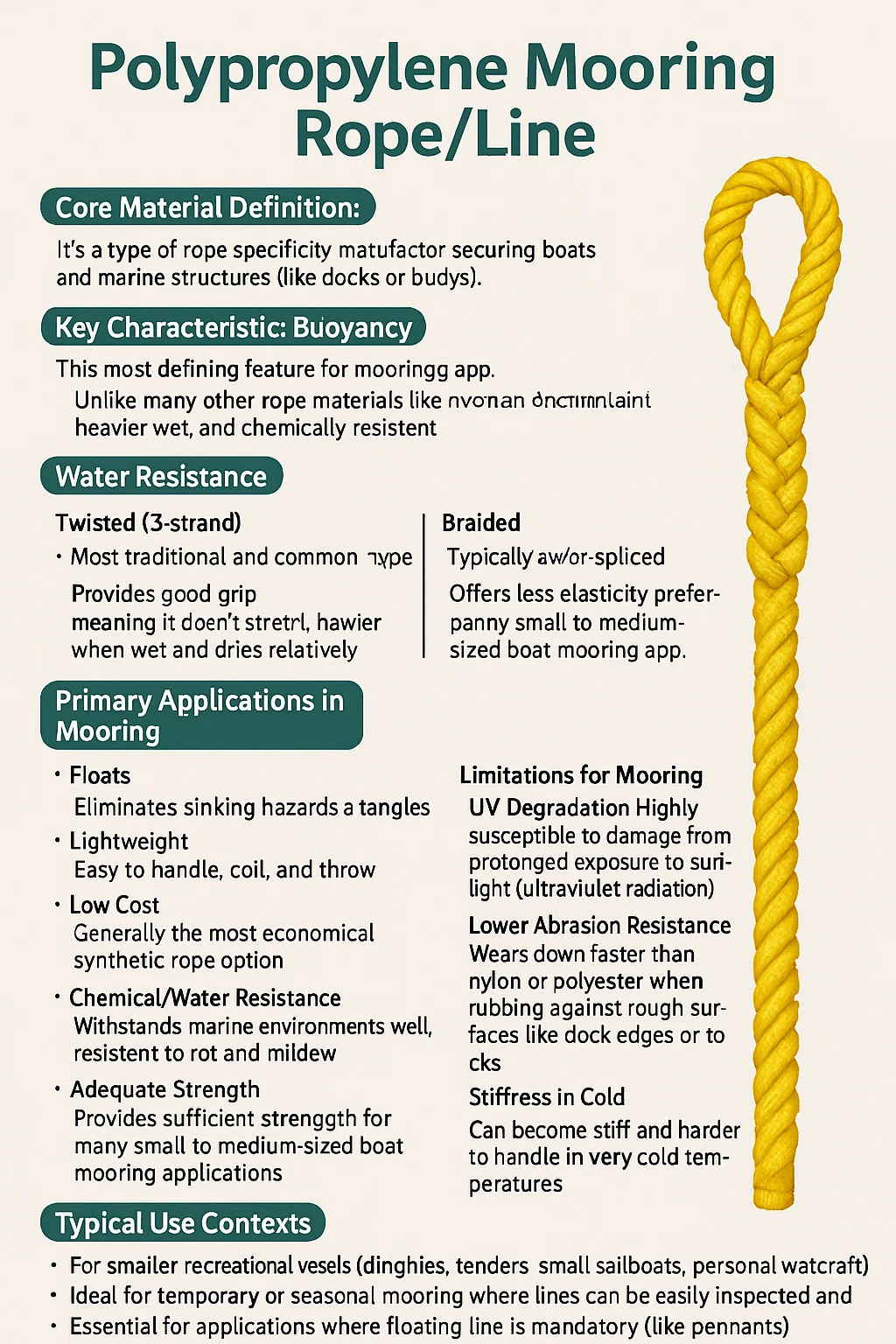
What is polypropylene mooring rope/line?
Here's a point-by-point explanation of polypropylene mooring rope/line:
●Core Material Definition:
It's a type of rope specifically manufactured for securing boats and marine structures (like docks or buoys).
The essential raw material is polypropylene (PP), a synthetic plastic polymer known for being lightweight and chemically resistant.
●Key Characteristic: Buoyancy:
This is the most defining feature for mooring applications.
Unlike many other rope materials (like nylon or polyester), polypropylene rope floats on water.
This buoyancy prevents the rope from sinking and getting tangled in propellers, underwater obstacles, or the seabed, which is a significant safety and convenience advantage in marine environments.
●Water Resistance:
Polypropylene has extremely low water absorption.
It doesn't soak up water, meaning it doesn't become significantly heavier when wet and dries relatively quickly.
This inherent resistance also makes it highly resistant to rot, mildew, and most chemicals found in marine settings.
●Common Constructions:
Polypropylene mooring lines are typically available in two main constructions:
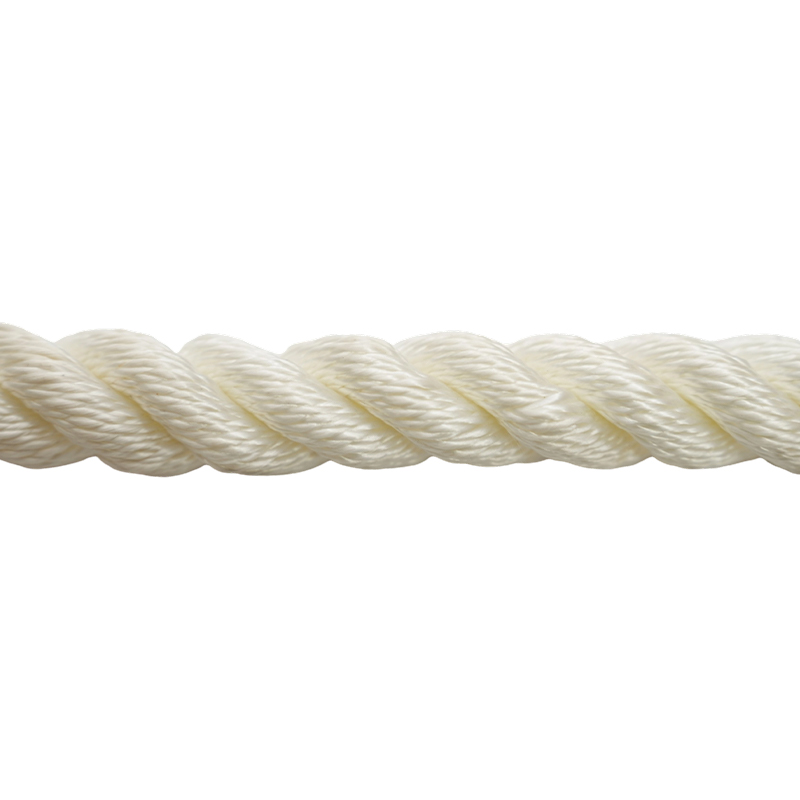
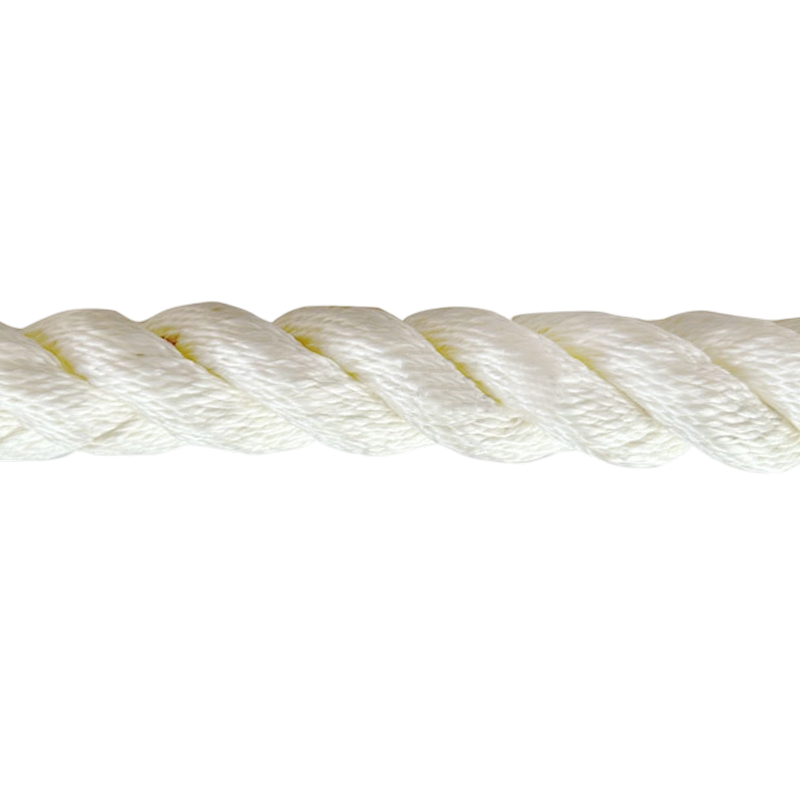
Twisted (3-Strand): The most traditional and common type. It's relatively inexpensive, provides good grip, and has some natural stretch under load. Often used for general-purpose mooring.
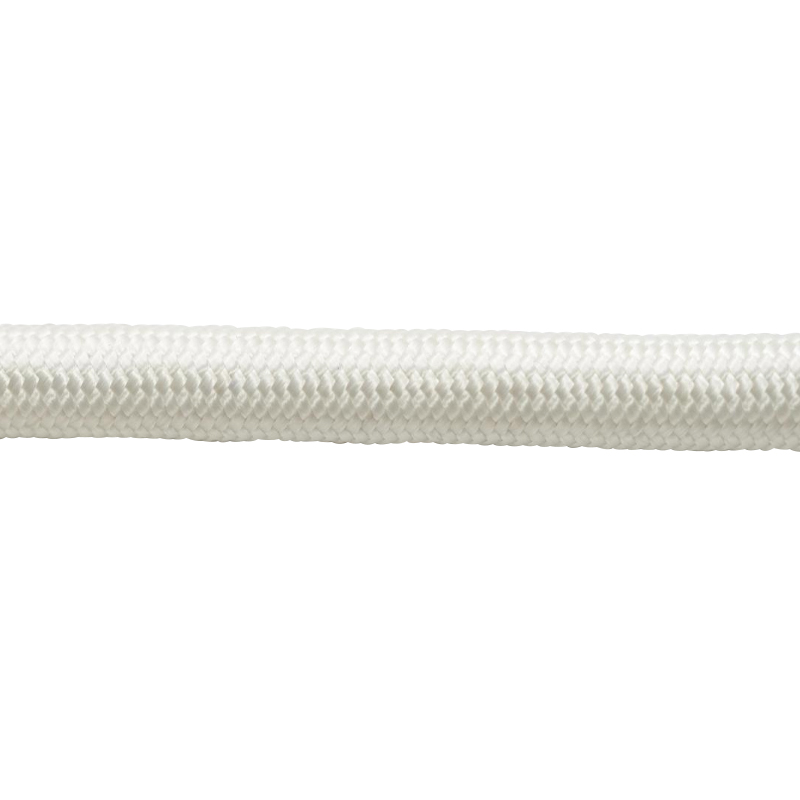
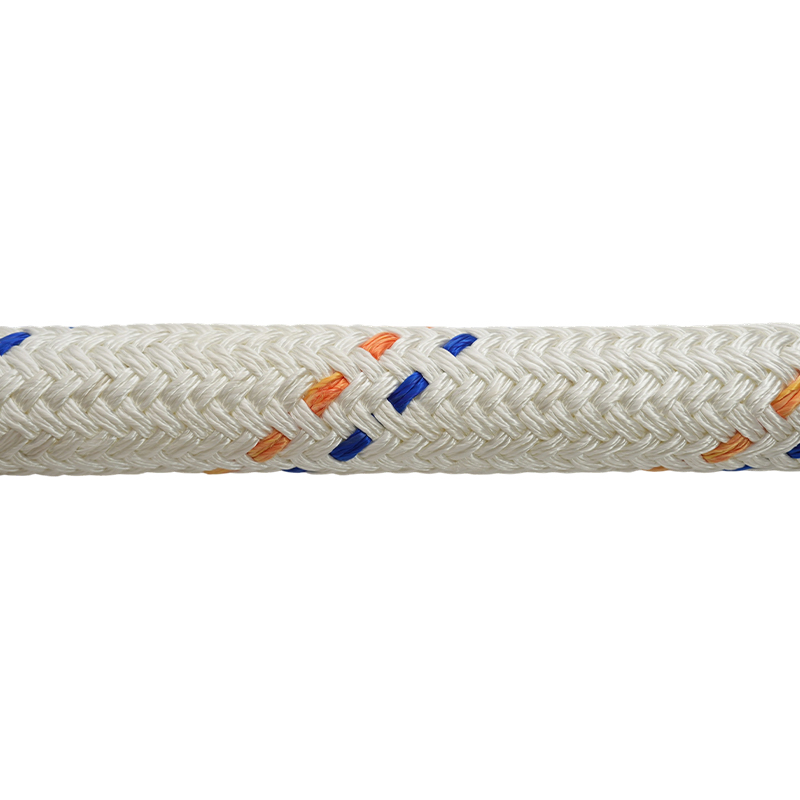
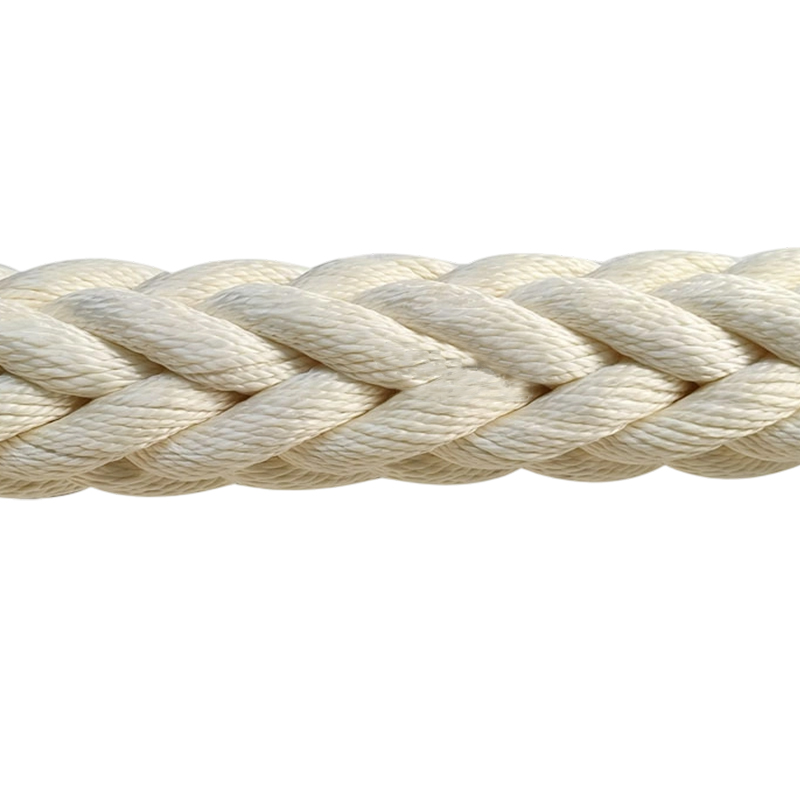
Braided: Can be solid braid or double braid (braid-over-braid). Offers a smoother feel, higher strength-to-diameter ratio than twisted, better abrasion resistance, and potentially less stretch. Often preferred for more demanding applications or where handling is a priority.
Both types usually have heat-fused or spliced loops ("eyes") at the ends for easy attachment to cleats or rings.
●Primary Applications in Mooring:
Temporary Mooring/Docking: Frequently used for securing dinghies, tenders, small recreational boats, or pontoons at docks or buoys, especially where the buoyancy benefit is crucial.
Mooring Pennants: The floating section of a mooring system, connecting the buoy on the surface to the heavier, sinking chain or sinker line below. Its buoyancy keeps this critical section visible and prevents it from sinking and chafing on the seabed.
Towing Lines: Its floating nature makes it a common choice for water-ski ropes or general light-duty boat towing to avoid propeller entanglement.
Marker Lines / Temporary Anchoring: Used for temporary buoy deployments or marker lines where sinking is undesirable.
●Advantages for Mooring:
Floats: Eliminates sinking hazards and tangles.
Lightweight: Easy to handle, coil, and throw.
Low Cost: Generally the most economical synthetic rope option.
Chemical/Water Resistance: Withstands marine environments well, resistant to rot and mildew.
Adequate Strength: Provides sufficient strength for many small to medium-sized boat mooring applications.
●Limitations for Mooring:
UV Degradation: Highly susceptible to damage from prolonged exposure to sunlight (ultraviolet radiation). This significantly reduces its lifespan unless treated or protected.
Lower Abrasion Resistance: Wears down faster than nylon or polyester when rubbing against rough surfaces like dock edges or rocks.
Stiffness in Cold: Can become stiff and harder to handle in very cold temperatures.
Limited Stretch/Shock Absorption: Offers less elasticity compared to nylon. This means it transmits sudden loads (like wave surges) more directly to the boat's cleats and the anchor point, which can be a disadvantage in rougher conditions.
Lower Melting Point: More prone to damage from friction heat (e.g., during fast payout under high load) than some other synthetics.
●Typical Use Contexts:
Best suited for smaller recreational vessels (dinghies, tenders, small sailboats, personal watercraft).
Ideal for temporary or seasonal mooring where lines can be easily inspected and replaced.
Essential for applications where floating line is mandatory (like pennants).
Commonly used where cost is a primary factor and the limitations are acceptable for the intended use.
Related Products
-
 View More
3-Strand Polypropylene Mono-filament Mooring Rope / Line
-
 View More
3-Strand Polypropylene Multi-Filament Hawser Mooring Rope / Line
-
 View More
8-Strand Polypropylene Mono-filament Hawser Mooring Rope / Line
-
 View More
8-Strand Polypropylene Multi-filament Mooring Rope / Line
-
 View More
12-Strand Polypropylene Multi-filament Hawser Mooring Rope / Line
-
 View More
Polypropylene Multi-filament Double Braided Hawser Mooring Rope / Line
-
 View More
Polypropylene Multi-filament Reduced Recoil Mooring Rope / Line
-
 View More
Polypropylene Multi-filament Mooring Tail
-
 View More
3-Strand Polyester Mooring Rope / Line
-
 View More
8-Strand Polyester Hawser Mooring Rope / Line
-
 View More
12-Strand Polyester Mooring Rope / Line,Hawser
-
 View More
Polyester Double Braided Hawser Mooring Rope / Line