


 English
 Español
 عربى
عربى
How do you identify a mooring rope?
Content
Here's how to spot a mooring rope by its everyday features:
▸Thick and Sturdy Look:
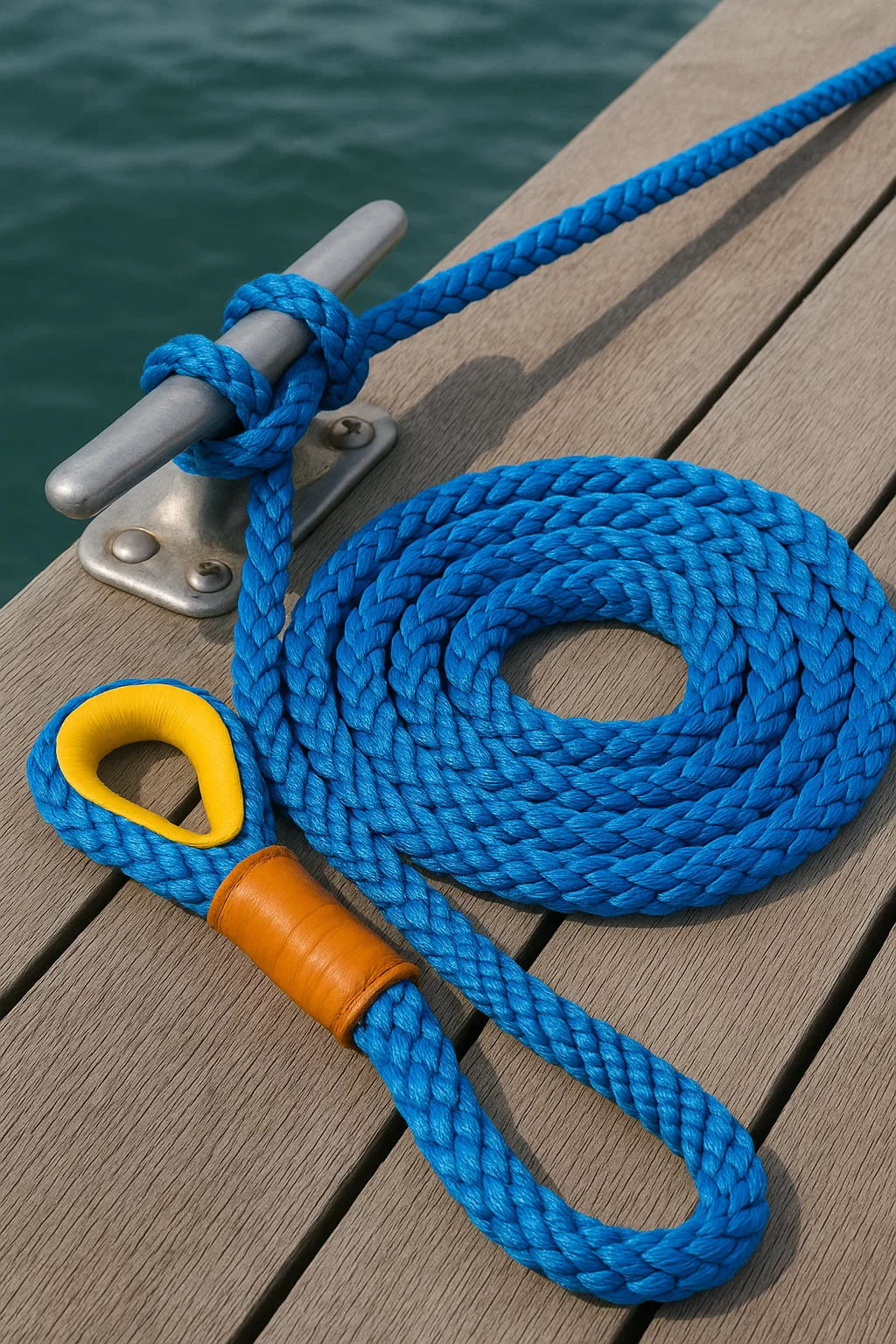
It's noticeably thicker and heavier than ropes used for tying down tarps or general chores. You can tell it's built for holding something substantial, like a boat.
▸Bright Colors:
You'll usually see them in eye-catching colors like bright blue, yellow, orange, green, or red. This isn't just for show – it makes the rope easy to spot on the dock or in the water.
▸Loops at the Ends (Spliced Eyes):
Almost every mooring rope has a strong, permanent loop neatly woven into each end. This loop is how it hooks securely onto the boat's cleat or the dock's post. It's a major clue.
▸Metal Inserts in the Loops (Often):
Peek inside those end loops. Most of the time, you'll find a smooth, teardrop-shaped metal piece (called a thimble) tucked inside. This protects the rope from wearing out quickly where it attaches and keeps the loop open.
▸Tough Feel and Construction:
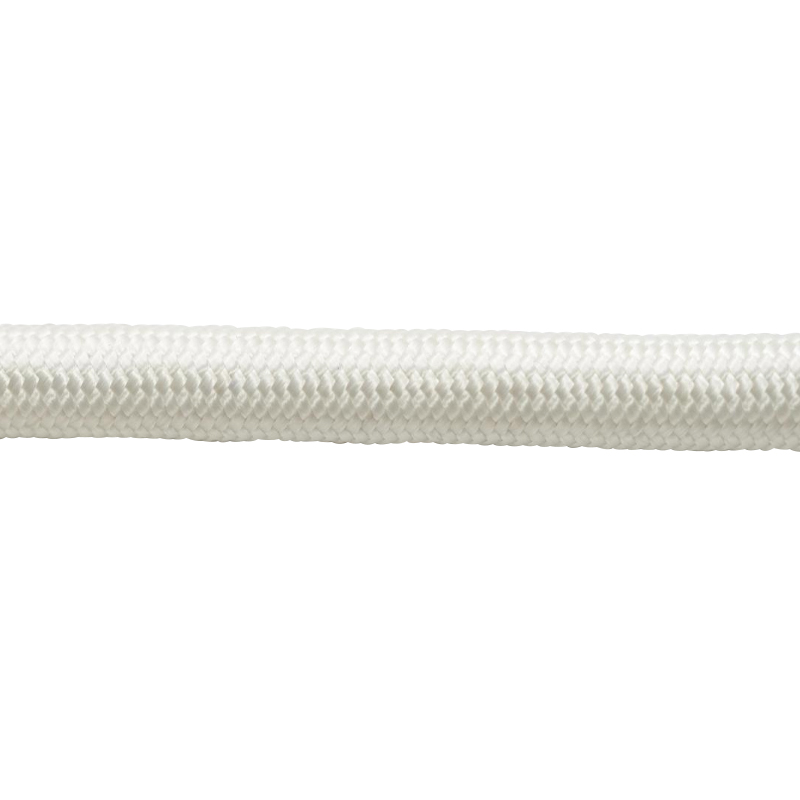
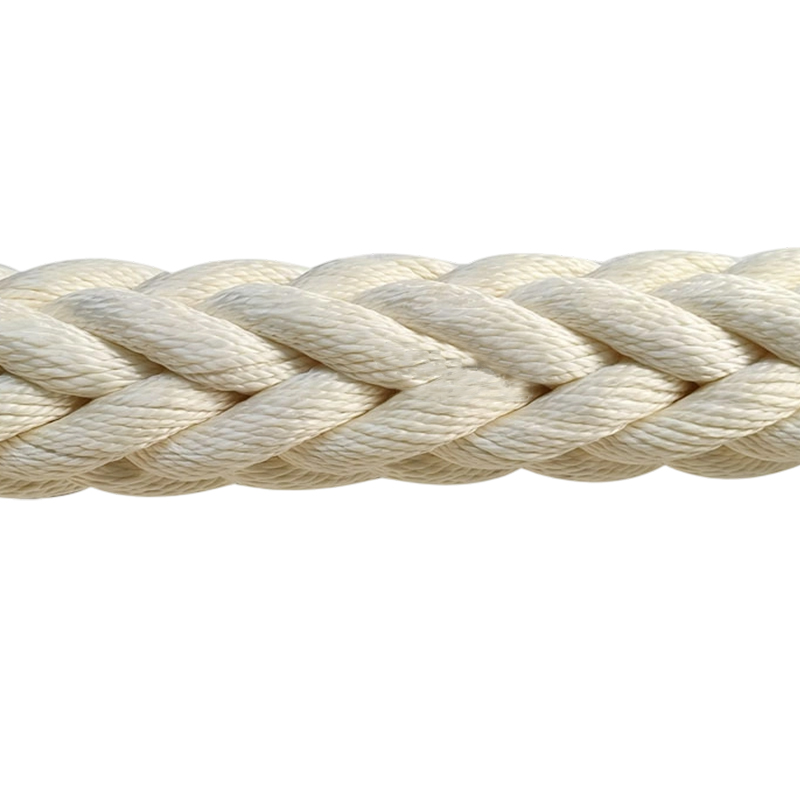
Smooth and Braided: Feels dense and solid, like a thick, round cord. The surface often has a tight woven pattern.
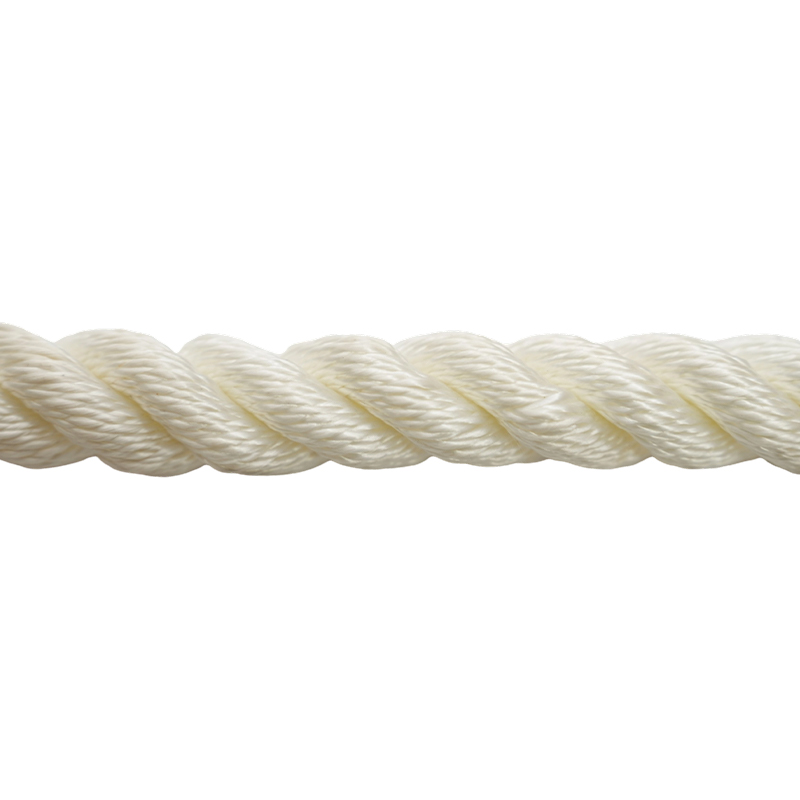
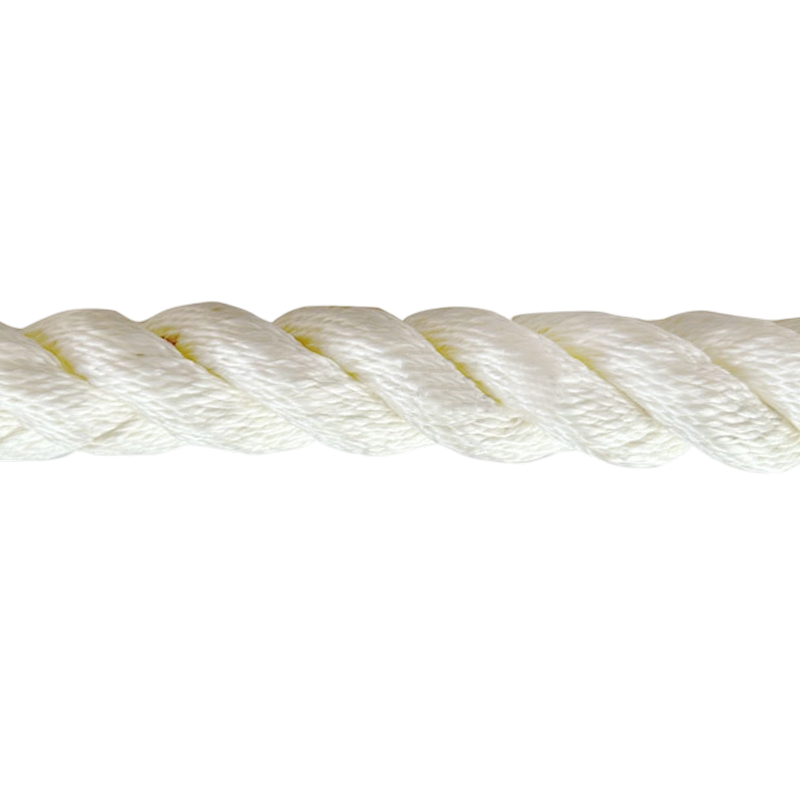
Textured and Twisted: Looks and feels like three thick strands tightly twisted together, giving it a classic, grippy rope texture.
▸Extra Protection at Wear Points:
Check near the loops or along the length. You might see patches of leather stitched on, or a sleeve of tough plastic or rubber hose slipped over the rope. This guards against rubbing on rough dock edges or boat fittings.
▸Where You See It:
It's actively being used: coiled neatly on a boat deck, hanging from dock cleats, or clearly connecting a boat to a dock or a mooring buoy out in the water. It's not tucked away in storage; it's doing its job holding the boat in place.
Related Products
-
 View More
3-Strand Polypropylene Mono-filament Mooring Rope / Line
-
 View More
3-Strand Polypropylene Multi-Filament Hawser Mooring Rope / Line
-
 View More
8-Strand Polypropylene Mono-filament Hawser Mooring Rope / Line
-
 View More
8-Strand Polypropylene Multi-filament Mooring Rope / Line
-
 View More
12-Strand Polypropylene Multi-filament Hawser Mooring Rope / Line
-
 View More
Polypropylene Multi-filament Double Braided Hawser Mooring Rope / Line
-
 View More
Polypropylene Multi-filament Reduced Recoil Mooring Rope / Line
-
 View More
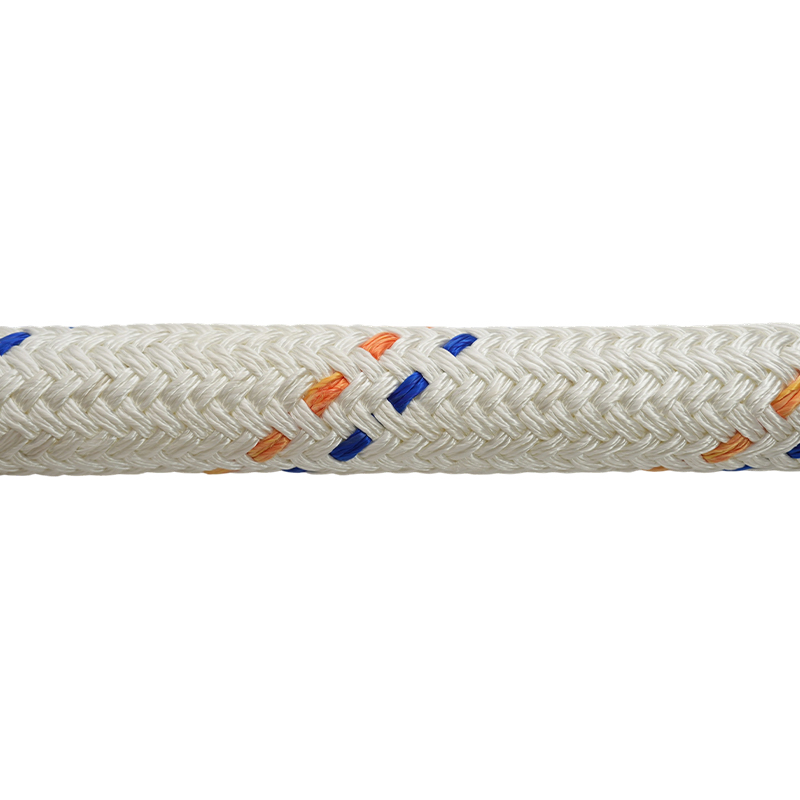
Polypropylene Multi-filament Mooring Tail
-
 View More
3-Strand Polyester Mooring Rope / Line
-
 View More
8-Strand Polyester Hawser Mooring Rope / Line
-
 View More
12-Strand Polyester Mooring Rope / Line,Hawser
-
 View More
Polyester Double Braided Hawser Mooring Rope / Line