


 English
 Español
 عربى
عربى
What mooring ropes are good?
Content
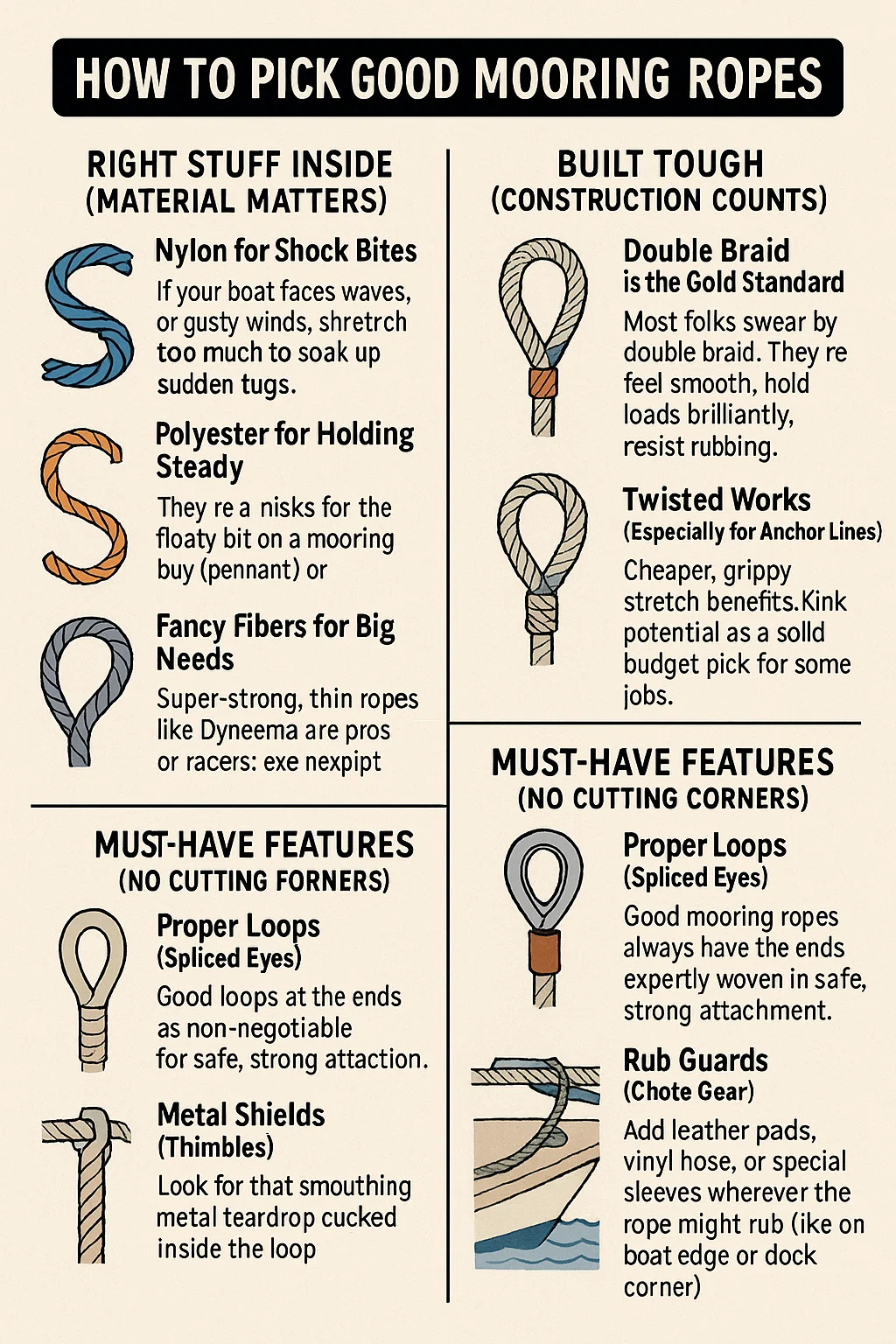
Here's how to pick good mooring ropes using practical, everyday thinking:
●Right Stuff Inside (Material Matters):
•Nylon for Shock Bites: If your boat faces waves or gusty winds, nylon mooring ropes are winners. They stretch just enough to soak up sudden tugs like a shock absorber, saving your boat's fittings. They're strong and handle rubbing well.
•Polyester for Holding Steady: When you need the boat to stay exactly put (like in a tight slip or permanent spot), polyester mooring ropes are tops. They barely stretch, resist sun damage fiercely, and shrug off wear and tear. They cost a bit more but last.
•Skip Weak Floaters for Main Jobs: Polypropylene ropes float and are cheap, but sun rots them fast, they wear quickly, and snap easier. Only use them for the floaty bit on a mooring buoy (pennant) or maybe a tiny dinghy. Not for serious boat-holding.
•Fancy Fibers for Big Needs: Super-strong, thin ropes (like Dyneema) are for pros or racers needing max strength/no stretch. Pricey and need expert splicing.
●Built Tough (Construction Counts):
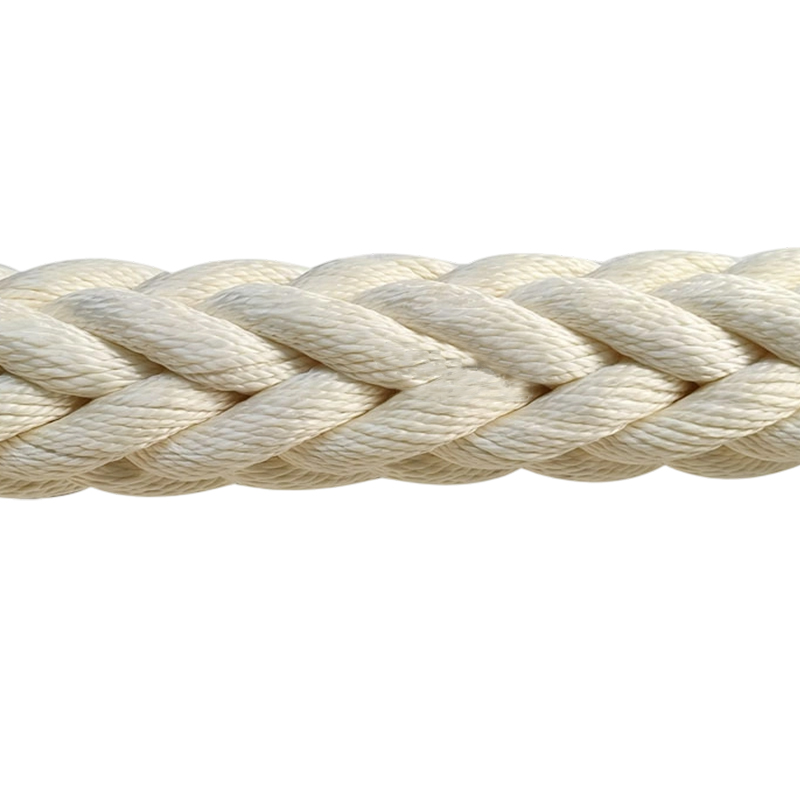
•Double Braid is the Gold Standard: Most folks swear by double braid mooring ropes. They feel smooth, hold loads brilliantly, resist rubbing, and last ages. The best mix of strength, handling, and toughness for dock lines.
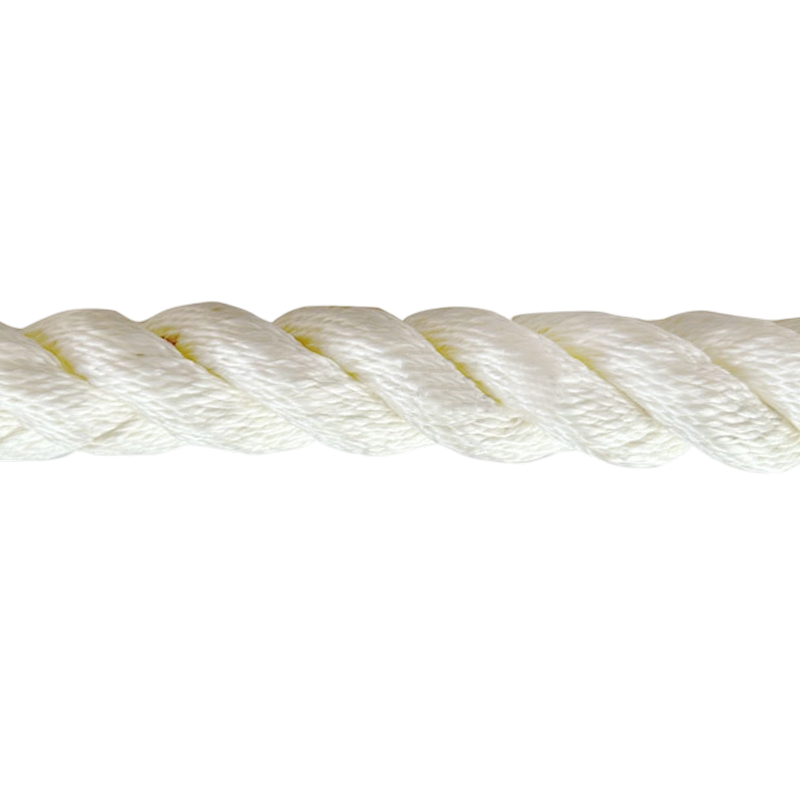
•Twisted Works (Especially for Anchor Lines): Twisted (3-strand) nylon is cheaper, grippy, and fine for anchor lines where stretch helps. Can kink if coiled badly. A solid budget pick for some jobs.
●Must-Have Features (No Cutting Corners):
•Proper Loops (Spliced Eyes): Good mooring ropes always have the ends expertly woven into solid loops (eyes). This is non-negotiable for safe, strong attachment. No knots!
•Metal Shields (Thimbles): Look for that smooth metal teardrop tucked inside the loop. It stops the rope crushing on the cleat and prevents wear. Essential for longevity.
•Rub Guards (Chafe Gear): Smart owners add leather pads, vinyl hose, or special sleeves anywhere the rope might rub (like on the boat edge or dock corner). This single step makes mooring ropes last way longer.
●Fit for Purpose (Size & Use):
•Thick Enough for Your Boat: Match the rope thickness to your boat's size and weight. A small skiff needs thinner lines than a heavy cruiser. •Too thin risks breaking; too thick is just bulky and costly. Ask at the marine store for sizing advice.
•Long Enough to Work Right: Mooring ropes need enough length to tie properly using spring lines (angled for control). Too short limits this and strains everything.
•Built for Your Spot: Calm marina? Standard nylon double braid is fine. •Rough, open dock or permanent mooring? Polyester double braid handles constant sun and weather better.
Related Products
-
 View More
3-Strand Polypropylene Mono-filament Mooring Rope / Line
-
 View More
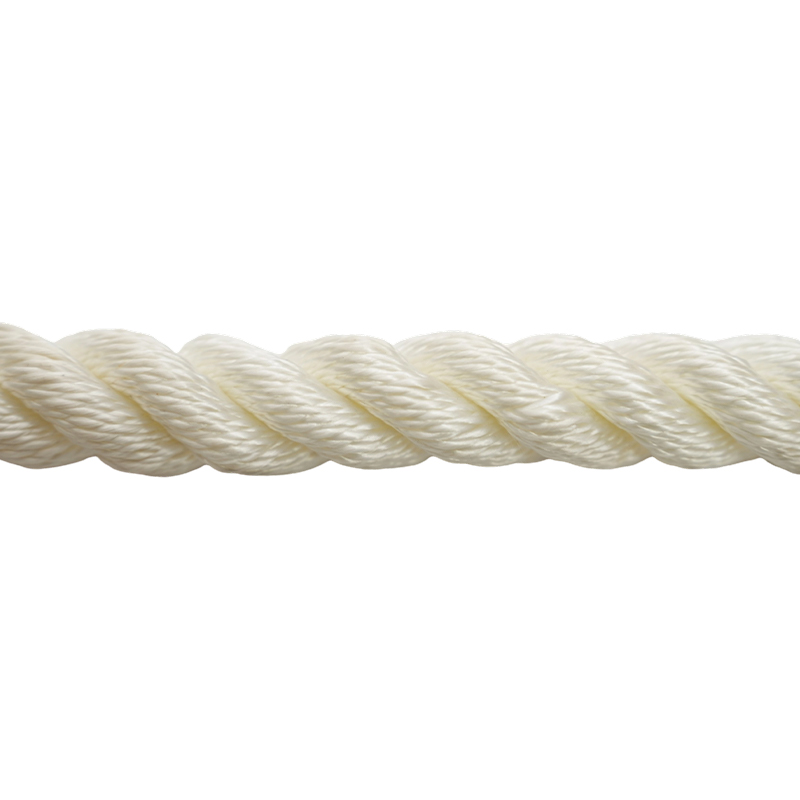
3-Strand Polypropylene Multi-Filament Hawser Mooring Rope / Line
-
 View More
8-Strand Polypropylene Mono-filament Hawser Mooring Rope / Line
-
 View More
8-Strand Polypropylene Multi-filament Mooring Rope / Line
-
 View More
12-Strand Polypropylene Multi-filament Hawser Mooring Rope / Line
-
 View More
Polypropylene Multi-filament Double Braided Hawser Mooring Rope / Line
-
 View More
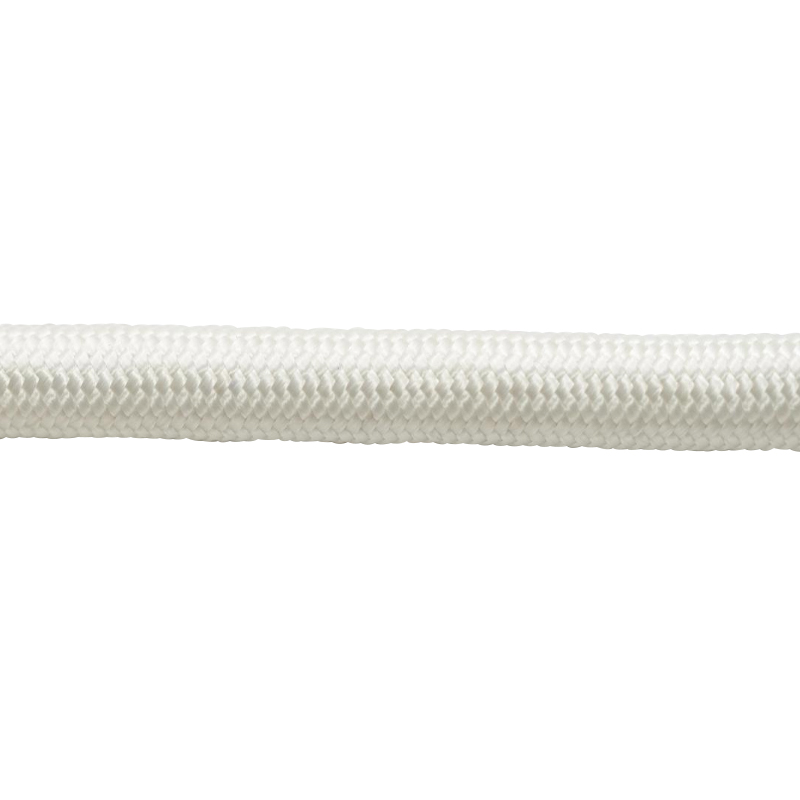
Polypropylene Multi-filament Reduced Recoil Mooring Rope / Line
-
 View More
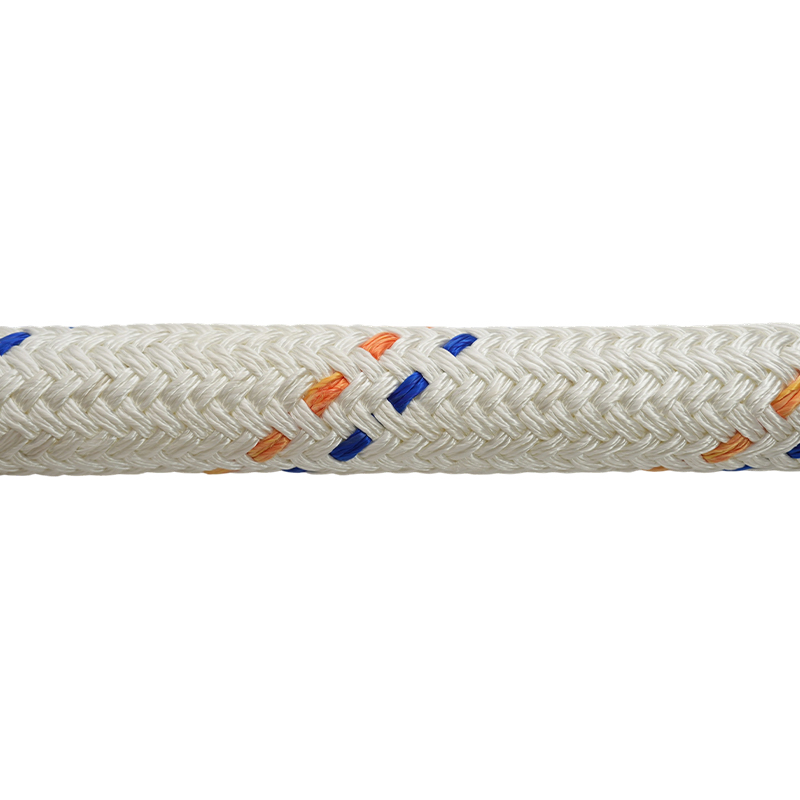
Polypropylene Multi-filament Mooring Tail
-
 View More
3-Strand Polyester Mooring Rope / Line
-
 View More
8-Strand Polyester Hawser Mooring Rope / Line
-
 View More
12-Strand Polyester Mooring Rope / Line,Hawser
-
 View More
Polyester Double Braided Hawser Mooring Rope / Line