


 English
 Español
 عربى
عربى
What do you use for mooring line?
Content
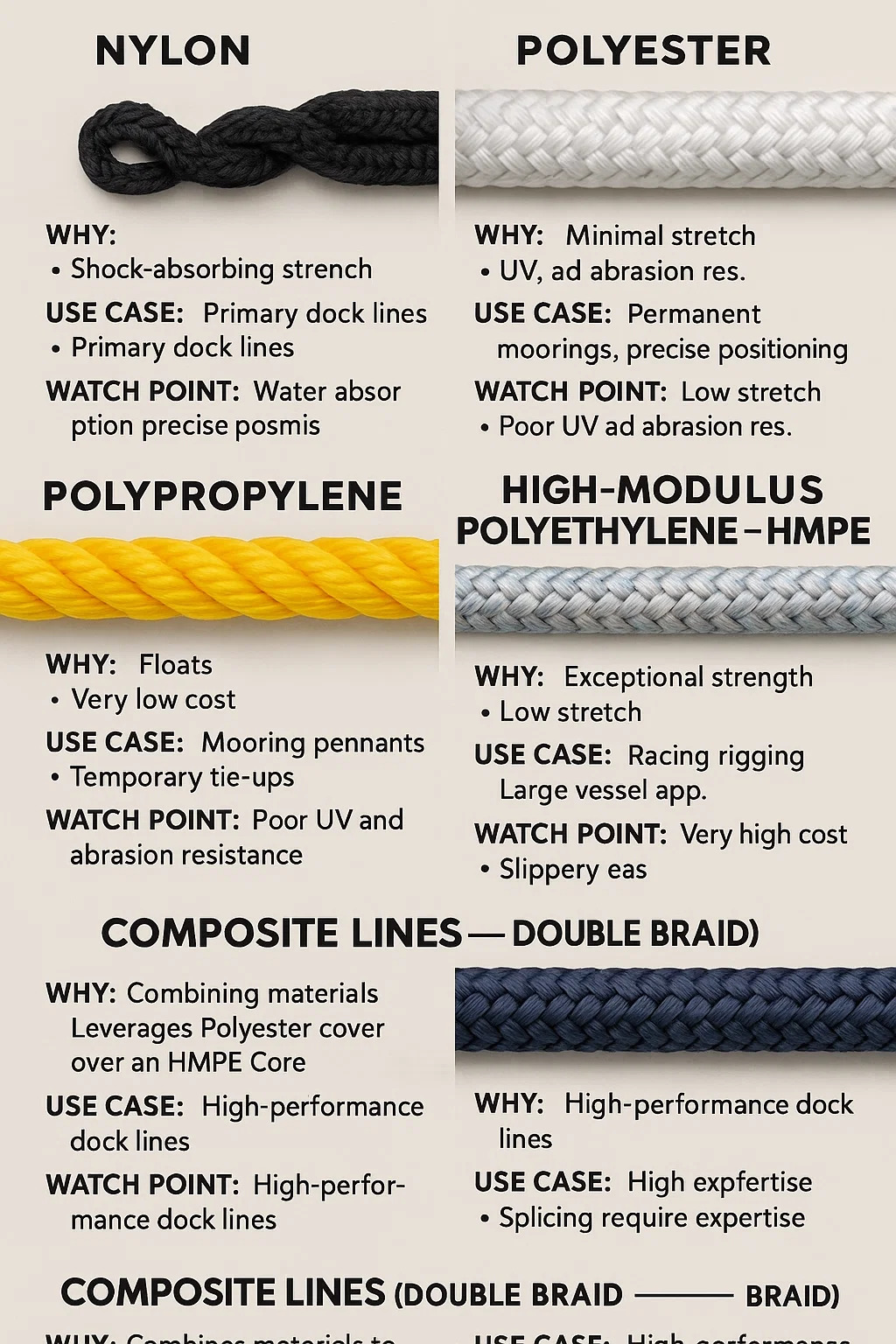
Here's a breakdown of what's commonly used for mooring lines, focusing on materials and constructions favored by experienced boaters:
▸Nylon (Twisted or Double Braid):
Why: Prized for its shock-absorbing stretch, crucial for handling sudden loads from waves, wind gusts, or boat wakes. Offers good overall strength and abrasion resistance at a reasonable cost.
Use Case: The go-to choice for primary dock lines on recreational powerboats and sailboats, especially where wave action or surge is common. Also standard for anchor rodes.
Watch Point: Absorbs water, becoming heavier and slightly weaker when saturated. UV resistance is moderate – requires inspection.
▸Polyester (Double Braid is Most Common):
Why: Known for minimal stretch, holding the boat firmly in position. Excellent UV and abrasion resistance, and doesn't absorb water. Strong and durable.
Use Case: Preferred for permanent moorings, sailboat standing rigging (shrouds/stays), and dock lines where precise positioning is critical (e.g., large vessels, tight slips). Often used on long-term cruising boats.
Watch Point: Less forgiving than nylon on cleats and fittings during sudden loads due to low stretch. Usually costs more than nylon.
▸Polypropylene (Usually Twisted 3-Strand):
Why: Its defining feature is that it floats. Very low cost and lightweight. Resists water absorption.
Use Case: Primarily used for mooring pennants (the floating line connecting a buoy to the boat's chain). Sometimes used for temporary tie-ups of small boats/dinghies or water-ski ropes.
Watch Point: Weakest common material, degrades rapidly in sunlight (poor UV resistance), lower abrasion resistance, stiffens in cold. Avoid for critical, permanent dock lines.
▸High-Modulus Polyethylene - HMPE (e.g., Dyneema, Spectra - Braided Constructions):
Why: Offers exceptional strength for its diameter and very low stretch. Lightweight, floats, and has excellent abrasion resistance.
Use Case: High-performance applications like racing sailboat running rigging, replacing wire rope on large vessels where weight/size savings are vital, or as the core in composite dock lines for mega-yachts.
Watch Point: Very high cost. Requires specialized splicing. Can be slippery on winches or cleats. Sensitive to heat generated by friction.
▸Composite Lines (Often Double Braid):
Why: Combines materials to leverage their strengths. The most common blend is a Polyester Cover over an HMPE Core.
Use Case: The cover provides excellent UV and abrasion resistance and good handling grip. The core provides high strength and low stretch. Used for high-performance dock lines on demanding vessels where low stretch and durability are paramount.
Watch Point: Higher cost than single-material lines. Splicing requires expertise to handle both core and cover properly.
Related Products
-
 View More
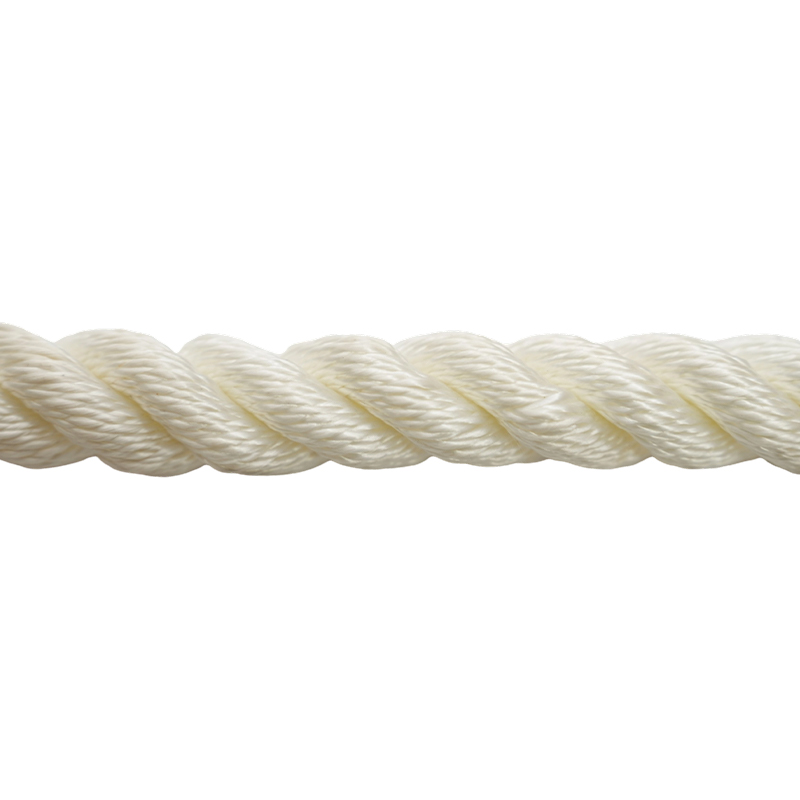
3-Strand Polypropylene Mono-filament Mooring Rope / Line
-
 View More
3-Strand Polypropylene Multi-Filament Hawser Mooring Rope / Line
-
 View More
8-Strand Polypropylene Mono-filament Hawser Mooring Rope / Line
-
 View More
8-Strand Polypropylene Multi-filament Mooring Rope / Line
-
 View More
12-Strand Polypropylene Multi-filament Hawser Mooring Rope / Line
-
 View More
Polypropylene Multi-filament Double Braided Hawser Mooring Rope / Line
-
 View More
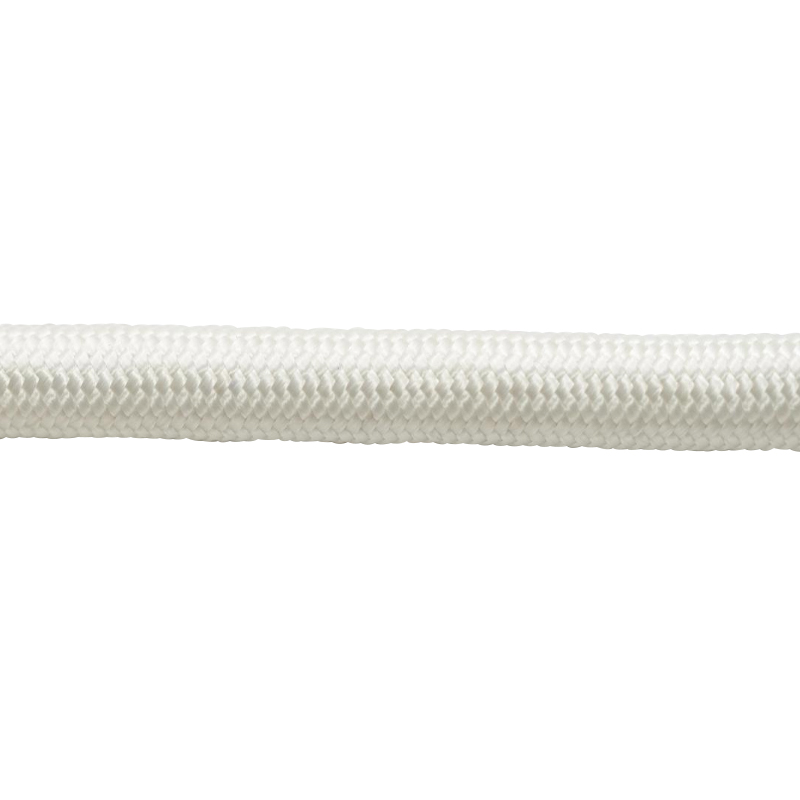
Polypropylene Multi-filament Reduced Recoil Mooring Rope / Line
-
 View More
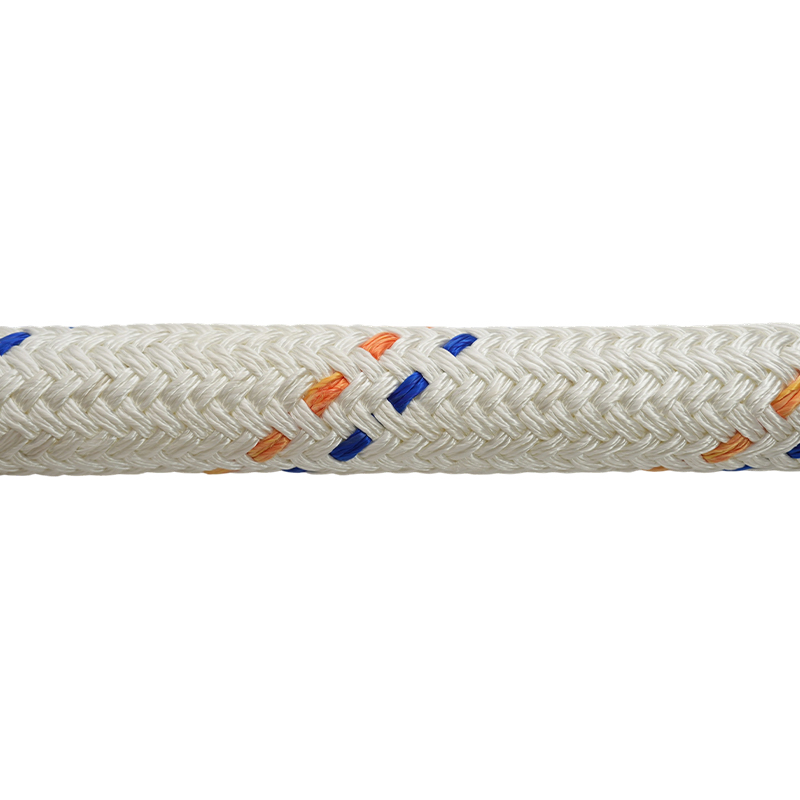
Polypropylene Multi-filament Mooring Tail
-
 View More
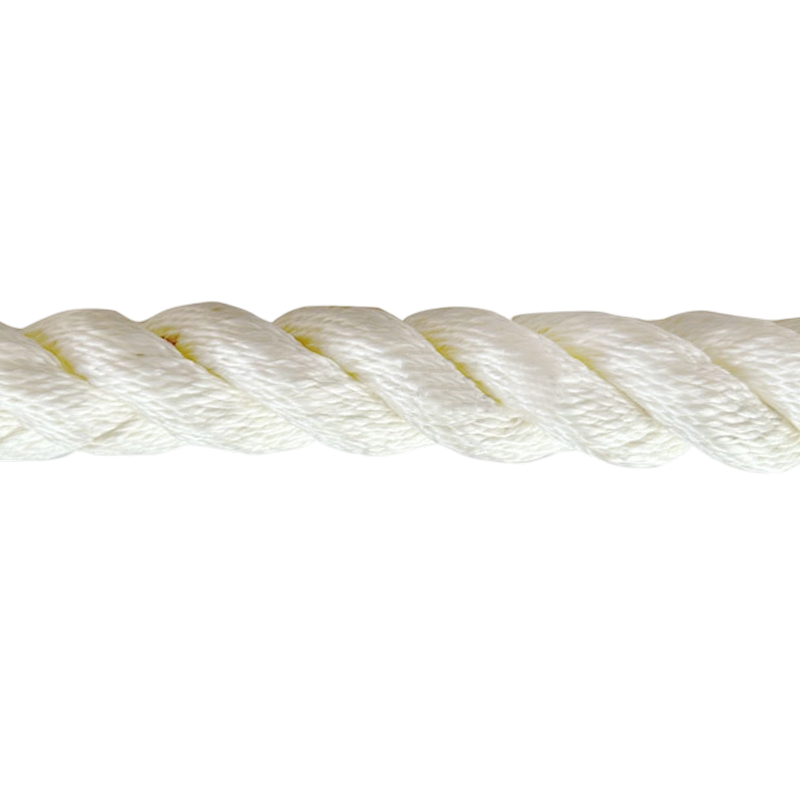
3-Strand Polyester Mooring Rope / Line
-
 View More
8-Strand Polyester Hawser Mooring Rope / Line
-
 View More
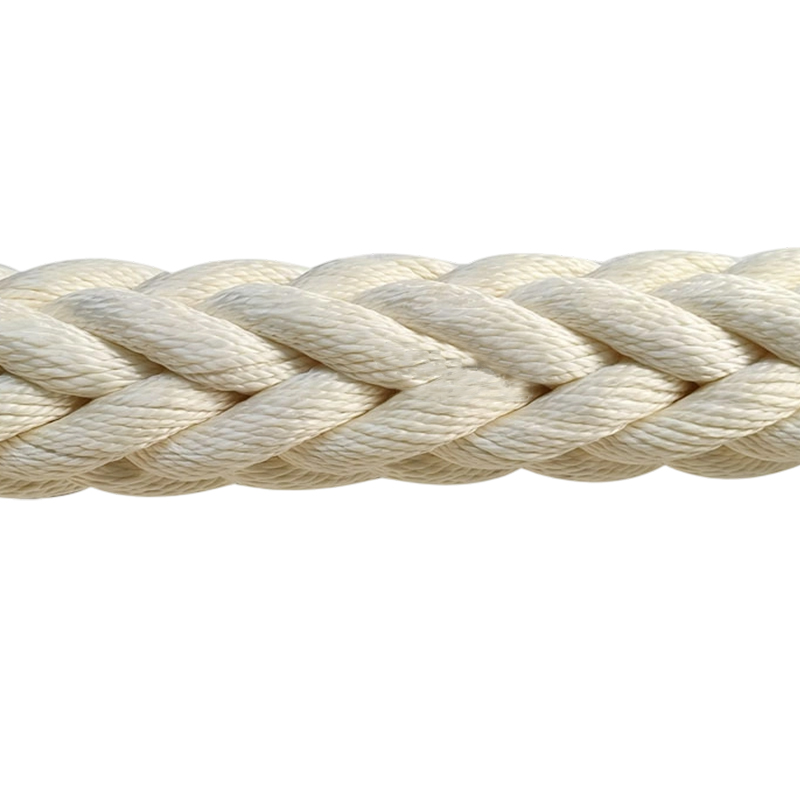
12-Strand Polyester Mooring Rope / Line,Hawser
-
 View More
Polyester Double Braided Hawser Mooring Rope / Line