


 English
 Español
 عربى
عربى
How does weather affect mooring rope?
Content
- 1 How UV Radiation Degrades Mooring Rope Over Time
- 2 Temperature Extremes and Their Effect on Rope Strength and Flexibility
- 3 Wind Load and Dynamic Stress on Mooring Lines
- 4 Saltwater, Humidity, and Chemical Corrosion of Mooring Rope Fibers
- 5 Storm Conditions and Emergency Mooring Demands
- 6 Rain, Ice, and Snow Loading on Mooring Systems
- 7 How Different Mooring Rope Types Respond to Weather Conditions
- 8 Inspection Schedules Based on Weather Exposure
- 9 Practical Measures to Protect Mooring Ropes from Weather Damage
- 10 Seasonal Weather Patterns and Long-Term Mooring Rope Planning
Weather is one of the most significant factors affecting the performance and lifespan of mooring rope. Extreme temperatures, prolonged UV exposure, and high moisture can reduce rope tensile strength by 30–60% within just a few years if the wrong material is selected or maintenance is neglected. Whether you're managing a commercial port, a marina, or a private vessel, understanding how environmental conditions interact with your mooring lines is critical for both safety and cost control.
How UV Radiation Degrades Mooring Rope Over Time
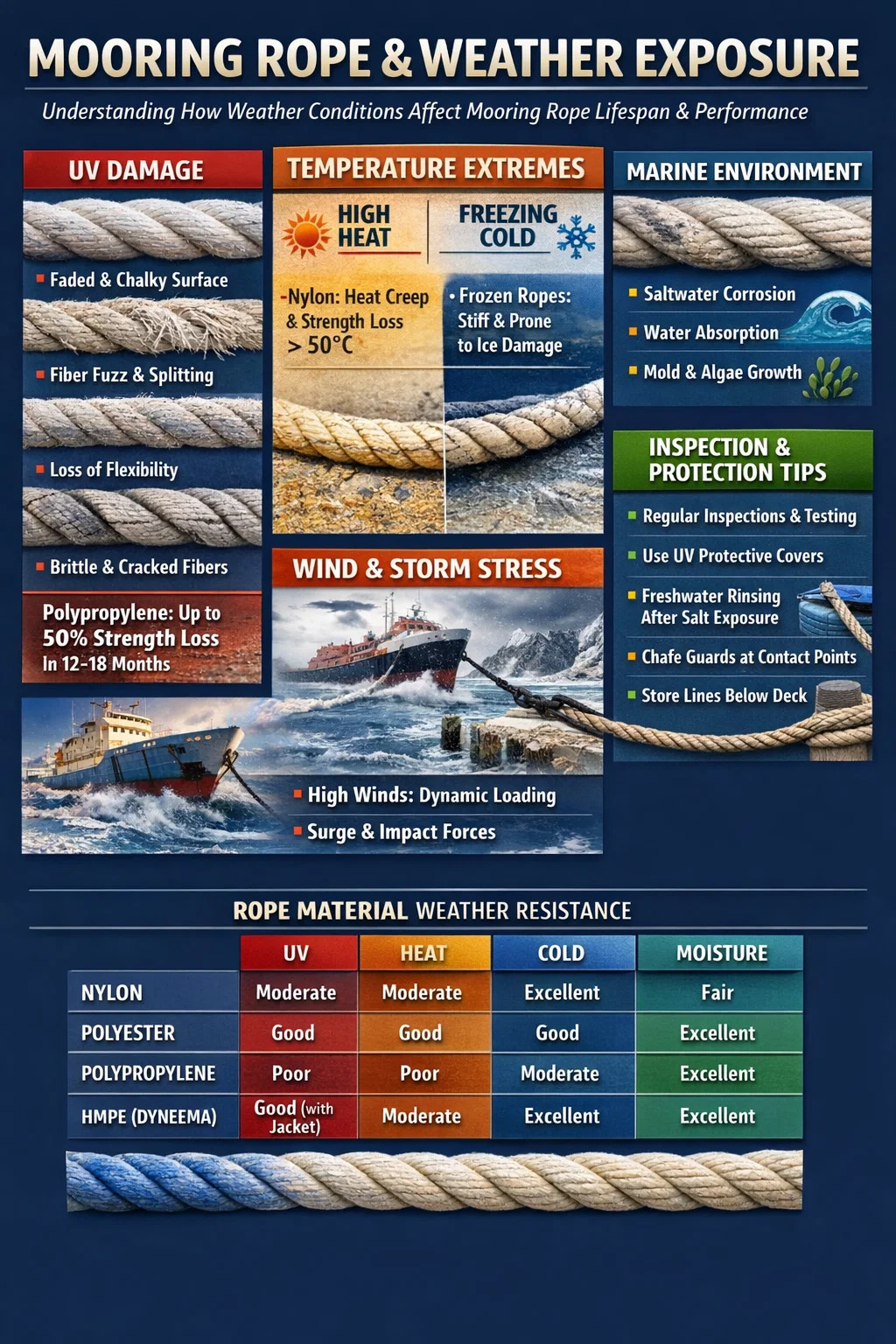
Ultraviolet radiation is among the most destructive environmental forces acting on synthetic mooring ropes. Polyester, polypropylene, and nylon — the three most common materials used in mooring lines — all absorb UV energy, which breaks down polymer chains at a molecular level. This process, known as photodegradation, causes fibers to become brittle, discolored, and structurally weakened over time.
Polypropylene ropes are particularly vulnerable. Studies conducted in tropical marine environments show that unprotected polypropylene mooring lines can lose up to 50% of their original break strength after 12–18 months of continuous sun exposure. Polyester performs significantly better, retaining roughly 70–80% of its strength under the same conditions due to its more UV-resistant molecular structure.
Visible signs of UV damage in mooring rope include:
- Chalky or faded surface coloration
- Surface fiber fuzz or "hairing" on the rope's exterior
- Loss of flexibility — the rope becomes stiff and difficult to handle
- Cracking or splitting along the braid or lay pattern
To extend rope service life in high-UV climates, operators in regions like Southeast Asia, the Middle East, and the Caribbean often coat ropes with UV-inhibiting jackets or store lines below deck when not in use. Some manufacturers now incorporate UV stabilizers directly into the fiber during production, which can extend service life by an additional 2–3 years compared to untreated alternatives.
Temperature Extremes and Their Effect on Rope Strength and Flexibility
Temperature affects mooring rope behavior in two opposing ways depending on whether conditions are hot or cold. Both extremes present serious risks that are often underestimated by vessel operators focused only on the rope's nominal breaking strength.
High Temperatures
Nylon mooring ropes are highly susceptible to heat creep — a gradual, permanent elongation that occurs when the rope is under sustained load in warm conditions. At temperatures above 50°C (122°F), nylon begins to lose its elastic recovery, meaning the rope stretches but does not return to its original length. This can be dangerous in tidal environments where precise positioning is required. At 80°C, nylon retains only about 75% of its room-temperature strength, according to published data from rope manufacturers including Samson and Yale Cordage.
Polyester mooring lines handle heat better than nylon and are recommended for applications in hot climates or where ropes run near engine exhausts or hot metal surfaces.
Low Temperatures and Freezing Conditions
Cold weather introduces a different set of problems. When water saturates a rope and then freezes, ice crystals form within the fiber structure. As the ice expands, it physically separates and damages fibers from the inside — a process invisible from the rope's exterior. Natural fiber ropes like manila are especially prone to this, but synthetic ropes are not immune, particularly if water has infiltrated through worn or abraded covers.
In Arctic and sub-Arctic ports, stiff frozen ropes also become difficult to handle safely. Workers handling mooring lines at −20°C face significantly higher slip and handling errors than those in temperate conditions. Several maritime incidents in northern European ports have been linked to frozen ropes failing to release cleanly from bollards during emergency departure procedures.
| Rope Material | Heat Resistance | Cold Weather Performance | UV Resistance |
|---|---|---|---|
| Nylon | Moderate (creep above 50°C) | Good (remains flexible to −40°C) | Moderate |
| Polyester | Good (stable to ~170°C) | Excellent | Good |
| Polypropylene | Poor (softens at ~65°C) | Moderate (brittle below −10°C) | Poor |
| HMPE (Dyneema/Spectra) | Moderate (creep at >70°C under load) | Excellent | Good (with protective jacket) |
| Manila (natural fiber) | Poor | Very Poor (ice damage, rot) | Poor |
Wind Load and Dynamic Stress on Mooring Lines
Wind is the primary driver of dynamic loading on mooring systems. When a vessel is secured at a berth, wind-induced forces are transmitted through the mooring ropes to the dock hardware and ultimately to the structure. These forces are not static — they fluctuate rapidly as gusts arrive and subside, creating cyclic stress patterns that accelerate rope fatigue far more than equivalent static loads would.
The relationship between wind speed and lateral force on a vessel is roughly quadratic: doubling wind speed quadruples the force on mooring lines. A vessel experiencing 20-knot winds might exert 5 tons of force on its spring lines; the same vessel in 40-knot conditions could impose 20 tons or more, depending on hull dimensions and windage area.
Mooring rope elasticity plays a crucial role in managing these peaks. Nylon mooring lines, which can elongate 15–25% at working loads, act as natural shock absorbers, smoothing out sudden gusts before they reach peak load. This is one reason why nylon is still widely specified for mooring lines despite its susceptibility to UV and heat — in storm conditions, its energy absorption properties can prevent catastrophic failure more effectively than low-elongation alternatives like polyester or HMPE.
At commercial ports, mooring rope configuration during high-wind events follows specific guidelines. Vessels often deploy additional breast lines and spring lines to distribute load across more points. Port authorities in high-wind zones such as Rotterdam, Singapore, and Port of Long Beach publish mooring force tables that specify minimum rope requirements based on vessel displacement and prevailing wind conditions.
Saltwater, Humidity, and Chemical Corrosion of Mooring Rope Fibers
Marine environments subject mooring ropes to constant moisture exposure, and saltwater presents specific challenges beyond simple wetting. Salt crystals that form as water evaporates from rope fibers act as abrasives, wearing fibers from the inside out in a process called internal abrasion. Over time, this invisible damage accumulates while the rope's exterior may appear intact.
Synthetic rope fibers are generally non-absorbent — polyester and polypropylene repel water, while HMPE absorbs essentially none. Nylon, however, is hydrophilic: it can absorb 3–8% of its weight in water, which temporarily reduces its strength by approximately 10–15% when fully saturated. For vessels operating in tidal zones with constant wet-dry cycles, this means nylon mooring lines are effectively weaker when they're needed most — during storms and heavy weather when the rope is thoroughly soaked.
In regions with high industrial pollution or near chemical terminals, mooring ropes may also face chemical degradation. Acid rain or chemical spills can attack nylon and natural fiber ropes particularly aggressively. Polyester mooring rope demonstrates superior resistance to most industrial chemicals and acids, which is one reason it is the preferred choice at chemical tanker terminals worldwide.
Mold and Biological Growth
High humidity combined with warm temperatures creates conditions for microbial growth on rope surfaces. While synthetic fibers don't rot the way natural fibers do, the protective coatings and jackets on synthetic mooring ropes can be colonized by mold, algae, and barnacles. This biological fouling adds weight, traps additional moisture, and can mask physical damage during visual inspections. Port operators in tropical regions typically establish rope cleaning schedules specifically to manage biological fouling, with fresh water flushing recommended after every exposure to saltwater.
Storm Conditions and Emergency Mooring Demands
Storms represent the most severe test of any mooring system. During a storm, mooring ropes face simultaneous threats: peak dynamic loading from wind and wave action, rapid temperature changes, heavy rain or hail impact, and reduced visibility for crew performing manual adjustments.
Wave-induced surge is particularly damaging. As waves pass under a moored vessel, the boat rises and falls, creating surge forces that repeatedly snap mooring lines taut. Each snap event constitutes an impact load — potentially 3–5 times the static working load — that is far more damaging than sustained tension. Research on rope fatigue published in maritime engineering journals indicates that cyclic impact loading reduces rope service life exponentially: a rope experiencing 10,000 high-impact load cycles may have only 20–30% of the service life of an identical rope operating under static load.
This is why storm mooring configurations use multiple smaller ropes in parallel rather than a single large-diameter rope. Distributing load across 6–8 mooring lines of appropriate diameter provides redundancy: if one line fails, the others absorb the load rather than creating a catastrophic cascade failure. International Maritime Organization (IMO) guidelines and OCIMF (Oil Companies International Marine Forum) mooring equipment guidelines specify minimum line configurations for various vessel classes under defined storm conditions.
After any major storm event, thorough rope inspection is not optional — it's operationally mandatory. Even ropes that survived the storm with no visible damage may have experienced internal fiber damage that has compromised their residual strength below safe working limits.
Rain, Ice, and Snow Loading on Mooring Systems
Heavy rainfall affects mooring systems in ways that are less obvious than wind or UV exposure but equally problematic over time. Rain cleans rope surfaces of some contaminants but drives others — fine sand, grit, and industrial particles — deeper into the rope structure. These embedded particles then act as grinding media every time the rope flexes under load.
Snow and ice accumulation on mooring ropes adds static weight and changes the rope's handling characteristics significantly. A 30-meter nylon mooring rope of 80mm diameter can accumulate 15–25 kg of ice under freezing fog conditions — enough to create handling hazards and change the rope's catenary profile, affecting how loads are transmitted to bollards and fairleads.
Ice coating also acts as a rigid outer shell that prevents the rope from flexing naturally under load. When loaded, the rope must break through this ice shell before the fibers can elongate and absorb energy. This delay in elastic response creates a brief but sharp impact that damages both the rope and the hardware it contacts.
Ports operating in cold climates — Scandinavian ports, Canadian Pacific terminals, and Alaskan facilities — often apply specialized rope conditioners that reduce water absorption and prevent ice adhesion. Some facilities heat mooring bays or use steam lance equipment to remove ice accumulation from mooring lines prior to vessel departure.
How Different Mooring Rope Types Respond to Weather Conditions
Selecting the right rope type based on the primary weather threats at a given location is one of the most important decisions in mooring system design. No single material excels across all conditions, and understanding the tradeoffs allows operators to make informed choices that balance performance, lifespan, and cost.
Nylon Mooring Lines
Best suited for protected harbors and marinas where storm surge is limited and UV exposure is moderate. The high elasticity of nylon makes it excellent for absorbing dynamic loads but problematic in situations requiring precise positioning. Not recommended for tropical high-UV environments without UV-protective outer covers.
Polyester Mooring Lines
The industry workhorse for commercial mooring applications. Low elongation (3–5% at working load), excellent UV resistance, good heat tolerance, and superior chemical resistance make polyester mooring rope the default choice for tanker terminals, container ports, and offshore applications. Its limitation is lower energy absorption compared to nylon, requiring more thoughtful line arrangement in dynamic environments.
HMPE (High-Modulus Polyethylene) Mooring Lines
Ropes made from Dyneema or Spectra fibers offer extraordinary strength-to-weight ratios — HMPE mooring lines can be 8–10 times stronger than steel wire of the same diameter and weight — with virtually no water absorption and excellent cold-weather flexibility. Their primary weather-related weakness is creep under sustained load at elevated temperatures. For high-value applications in extreme climates, HMPE with protective polyester jackets is increasingly specified for permanent moorings at offshore platforms and exposed coastal berths.
Polypropylene Mooring Lines
Polypropylene's key advantage — it floats — makes it useful in specific applications where ropes running under the water surface create hazards. However, its poor UV resistance and tendency to become brittle in cold weather limit its suitability for permanent mooring applications in exposed locations. Polypropylene mooring ropes require more frequent replacement than polyester or nylon in most weather environments.
Inspection Schedules Based on Weather Exposure
Effective mooring rope maintenance requires inspection intervals calibrated to actual environmental exposure, not just calendar time. A rope deployed at a sheltered marina in a temperate climate operates under fundamentally different stress than the same rope at an exposed offshore mooring in the tropics.
The OCIMF guidelines suggest that mooring ropes used at tanker terminals be retired after a maximum of 10 years of service regardless of apparent condition, but many high-exposure applications warrant significantly shorter intervals. Practical inspection protocols based on weather exposure include:
- After any storm event with winds exceeding 50 knots: full visual and tactile inspection of all lines, with bend testing at chafe points and near eyes.
- In high-UV environments (tropical/subtropical): quarterly visual inspection for surface degradation, with strength testing annually if lines are permanent fixtures.
- In cold climates with freeze-thaw cycles: inspect at the start of each winter season and again at spring thaw, looking specifically for internal damage near splices and eyes where water tends to accumulate.
- In high-humidity tropical ports: monthly inspection for biological fouling, mold growth, and cover degradation.
When any inspection reveals surface fiber breakdown exceeding 10% of the rope's cross-sectional area, or any core damage, the rope should be removed from mooring service immediately. The cost of premature rope replacement is trivially small compared to the liability and operational disruption caused by a mooring failure.
Practical Measures to Protect Mooring Ropes from Weather Damage
Beyond material selection and inspection, operational practices significantly influence how weather affects mooring rope service life. The following measures are widely implemented at professionally managed marine facilities:
- Use chafe protection at all contact points. Chafing gear — rubber or leather sleeves placed at fairleads, bollards, and cleat points — prevents the concentrated wear that occurs where rope contacts hard hardware. In windy conditions, these contact points experience continuous micro-movement that rapidly abrades unprotected rope fibers. Chafe gear should be inspected as frequently as the rope itself and replaced when worn through.
- Store unused lines below deck or in covered storage. Even the most UV-resistant synthetic ropes benefit significantly from being shielded from direct sunlight when not in use. A rope stored out of UV exposure for 8 hours each day may last 50% longer than one left continuously in the sun.
- Flush ropes with fresh water after saltwater exposure. Regular fresh water rinsing removes salt crystals before they can penetrate deep into the rope structure and begin abrading fibers. This is especially important after exposure to spray from breaking waves or after operating in particularly saline waters.
- Rotate rope end-for-end periodically. Wear and weather exposure are rarely uniform along a rope's length. By reversing the line so the eye that was at the bollard end is moved to the vessel end, wear is distributed more evenly and service life is extended.
- Apply rope conditioner appropriate to the material. Several commercial conditioners are available that protect synthetic fibers from UV, reduce water absorption, and resist biological fouling. These should be applied according to manufacturer recommendations, typically every 3–6 months depending on exposure intensity.
- Match rope diameter and length to actual mooring requirements. Oversized ropes may seem like a safety margin, but a rope that's too stiff for its application won't absorb dynamic loads effectively — the energy transfers directly to hardware and cleats. Proper sizing, as specified in the vessel's mooring analysis, ensures the rope operates within its designed elastic range under the expected weather loads for the berth.
Seasonal Weather Patterns and Long-Term Mooring Rope Planning
For vessels and facilities operating in locations with distinct seasonal weather patterns, planning mooring rope replacement cycles around seasonal transitions makes practical and economic sense. Replacing mooring lines at the start of hurricane season, typhoon season, or before the winter ice-in period ensures that ropes face the most severe conditions with maximum residual strength.
Ports along the U.S. Gulf Coast typically schedule major mooring equipment audits in May before the Atlantic hurricane season begins in June. Ports in the northern Baltic conduct similar reviews in September before winter sets in. Operators in the South China Sea plan around the Southwest Monsoon season, which brings sustained heavy winds and seas from May through September.
Long-term rope management programs at major facilities track cumulative weather exposure using environmental data loggers and incorporate this data into rope replacement decisions. Some facilities use cumulative UV dose measured in kJ/m² as a retirement trigger, retiring polyester ropes after reaching 3,000–5,000 kJ/m² of UV exposure regardless of visual appearance — a practice that has reduced unexpected mooring failures at these facilities to near zero.
For smaller operators without sophisticated monitoring equipment, the practical takeaway is straightforward: track the rope's age, the severity of weather events it has experienced, and its cumulative exposure to the specific conditions most damaging in your operating environment. Use these factors together — not just calendar time alone — to guide replacement decisions. A rope that has survived three major storms in two years may need replacement sooner than a five-year-old rope kept in a protected harbor.
PREV:How do you protect mooring rope from wear?
NEXT:What is the breaking strength of a mooring rope?
NEXT:What is the breaking strength of a mooring rope?
Related Products
-
 View More
3-Strand Polypropylene Mono-filament Mooring Rope / Line
-
 View More
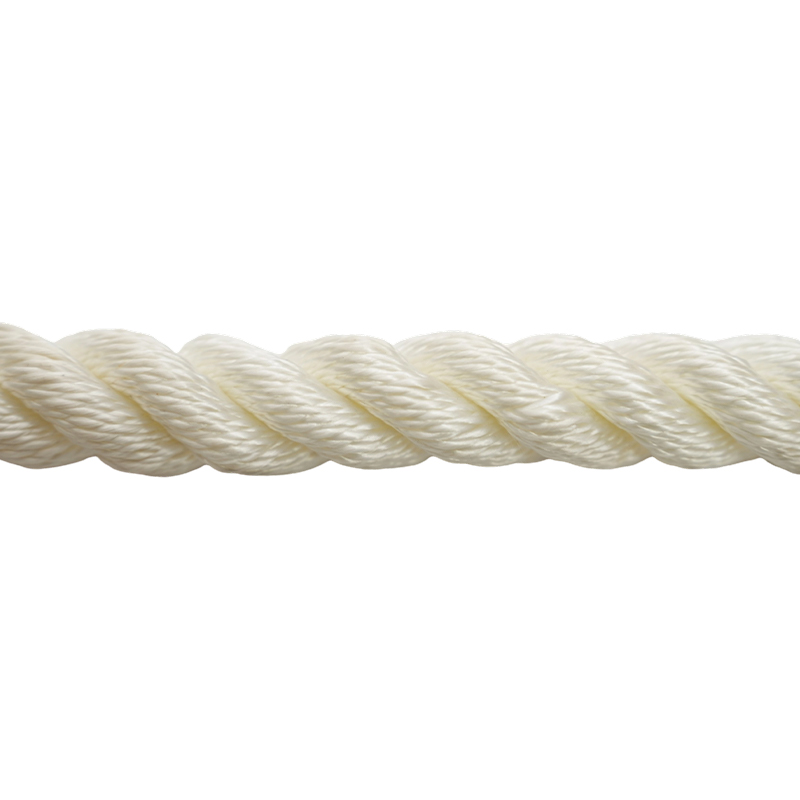
3-Strand Polypropylene Multi-Filament Hawser Mooring Rope / Line
-
 View More
8-Strand Polypropylene Mono-filament Hawser Mooring Rope / Line
-
 View More
8-Strand Polypropylene Multi-filament Mooring Rope / Line
-
 View More
12-Strand Polypropylene Multi-filament Hawser Mooring Rope / Line
-
 View More
Polypropylene Multi-filament Double Braided Hawser Mooring Rope / Line
-
 View More
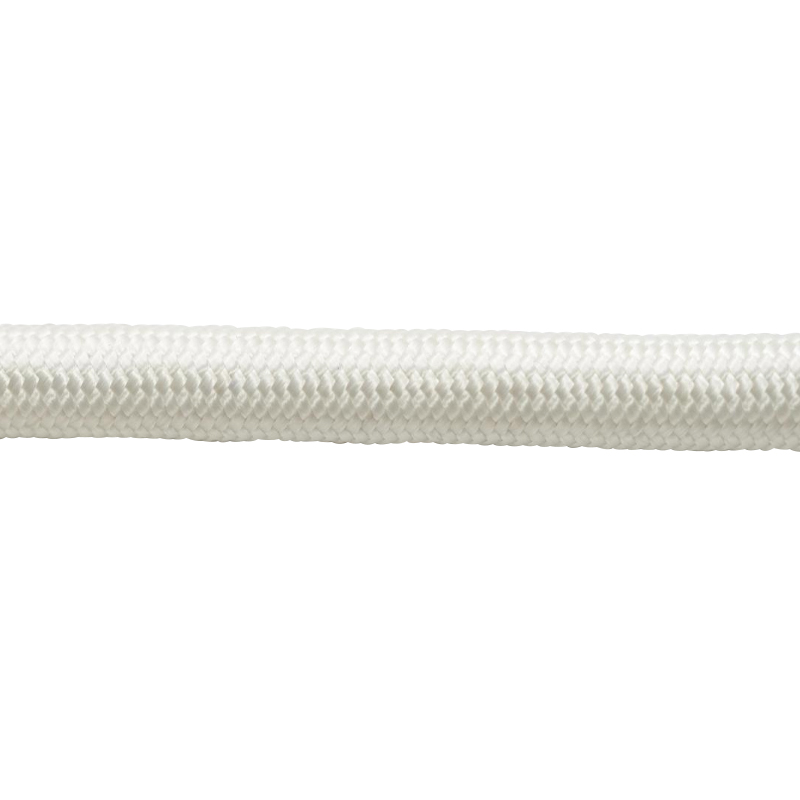
Polypropylene Multi-filament Reduced Recoil Mooring Rope / Line
-
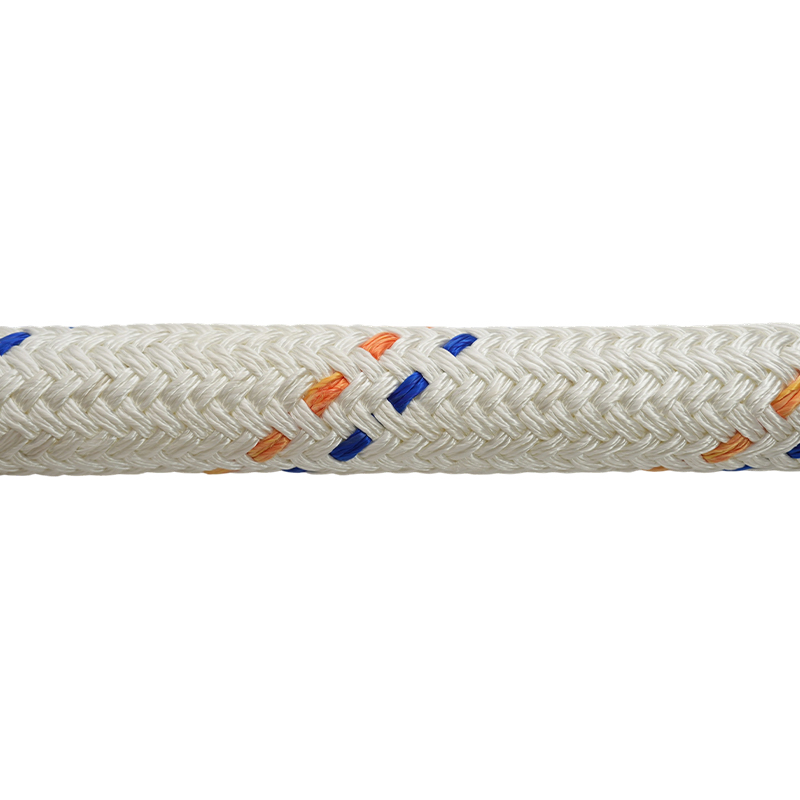 View More
Polypropylene Multi-filament Mooring Tail
-
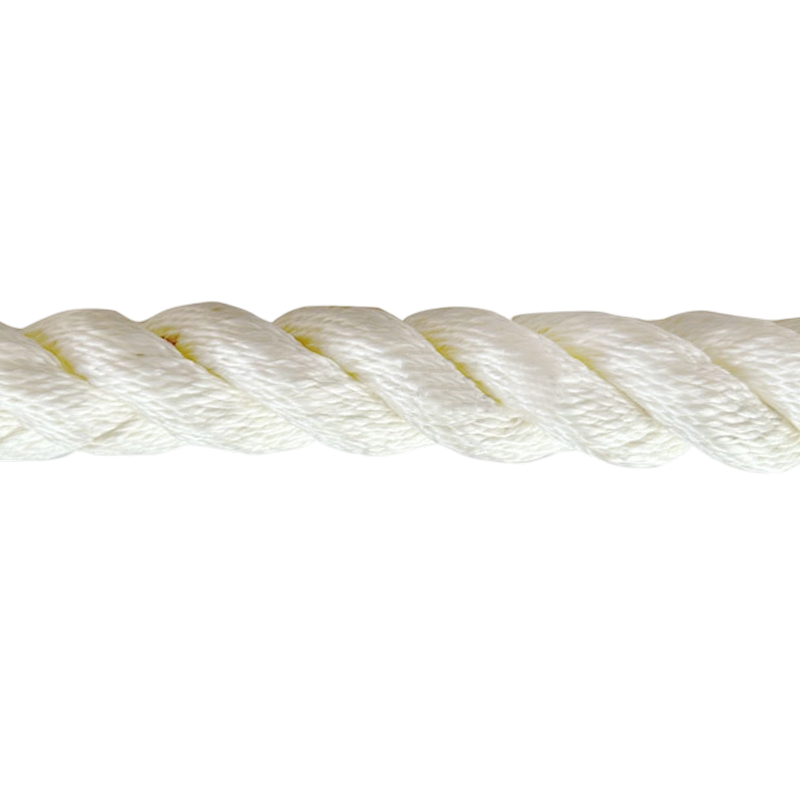 View More
3-Strand Polyester Mooring Rope / Line
-
 View More
8-Strand Polyester Hawser Mooring Rope / Line
-
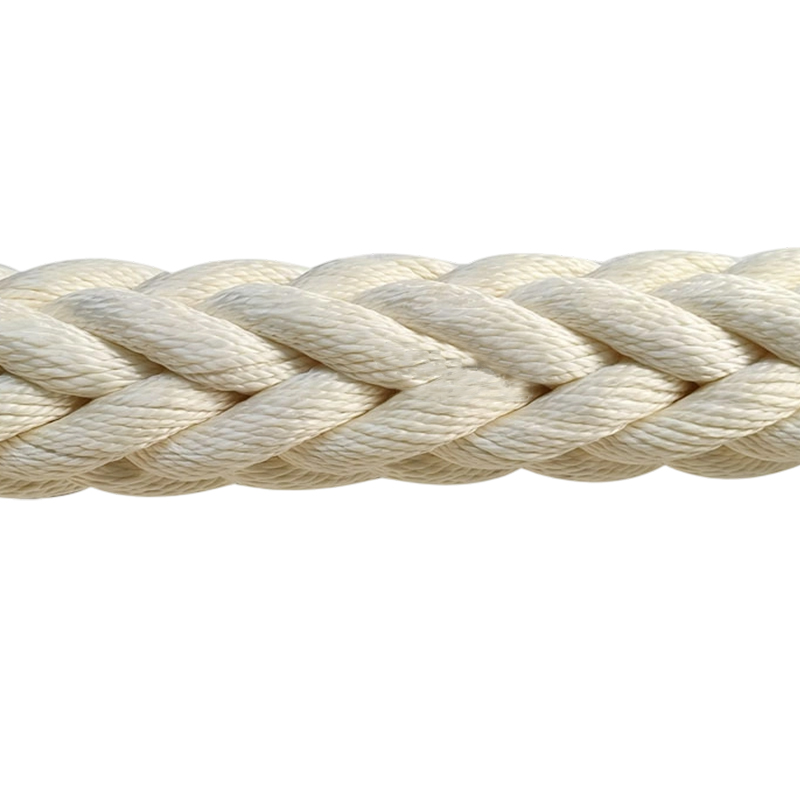 View More
12-Strand Polyester Mooring Rope / Line,Hawser
-
 View More
Polyester Double Braided Hawser Mooring Rope / Line