


 English
 Español
 عربى
عربى
What is the breaking strength of a mooring rope?
Content
Defining Breaking Strength in Mooring Ropes
The breaking strength of a mooring rope is formally known as its Minimum Breaking Load (MBL). This value represents the maximum force a new, dry rope can withstand before failing under a steady pull in a laboratory setting. For a standard 24mm (approx. 1 inch) Nylon mooring rope, the MBL is typically around 11,000 to 12,000 kilograms (11-12 tons). However, this is a theoretical maximum; in real-world maritime conditions, the Safe Working Load (SWL) is usually set at 1/5th to 1/3rd of the MBL to account for wear, knots, and dynamic surges.
MBL Values by Material and Diameter
Not all ropes are created equal. The material composition of a mooring rope determines its density and how much tension it can handle before the molecular bonds of the fibers snap. Generally, synthetic fibers like HMPE offer the highest breaking strength, followed by Polyester and Nylon, with Polypropylene trailing at the bottom.
| Rope Diameter | Nylon MBL (Approx.) | Polyester MBL (Approx.) | HMPE (Dyneema) MBL |
|---|---|---|---|
| 12mm (1/2") | 3,200 kg | 2,800 kg | 12,500 kg |
| 18mm (3/4") | 6,800 kg | 6,200 kg | 28,000 kg |
| 24mm (1") | 11,500 kg | 10,800 kg | 46,000 kg |
| 48mm (2") | 42,000 kg | 39,000 kg | 160,000 kg |
Factors That Drastically Reduce Breaking Strength
It is a dangerous misconception to assume that a mooring rope will always perform at its catalog MBL. Several environmental and operational factors can degrade the rope's integrity, sometimes by more than half.
The Impact of Knots and Splices
When you tie a knot in a mooring rope, you create a sharp bend that stresses the outer fibers while the inner fibers remain slack. A standard bowline or clove hitch can reduce the breaking strength by 40% to 50%. In contrast, a professionally executed eye splice is much more efficient, typically maintaining about 90% to 95% of the original MBL.
Moisture and UV Degradation
- Nylon ropes lose approximately 10% to 15% of their strength when they are wet.
- Polypropylene is highly susceptible to UV rays; a rope left on deck for an entire summer in high-intensity sun can lose 30% of its MBL due to fiber brittleness.
- Salt crystal buildup inside the rope acts like sandpaper, cutting internal fibers when the rope is under tension, leading to invisible strength loss.
Calculated Safety Factors for Mooring Operations
To ensure safety, maritime authorities and rope manufacturers use a Safety Factor (SF). This is the ratio of the mooring rope's breaking strength to its maximum permitted load during use.
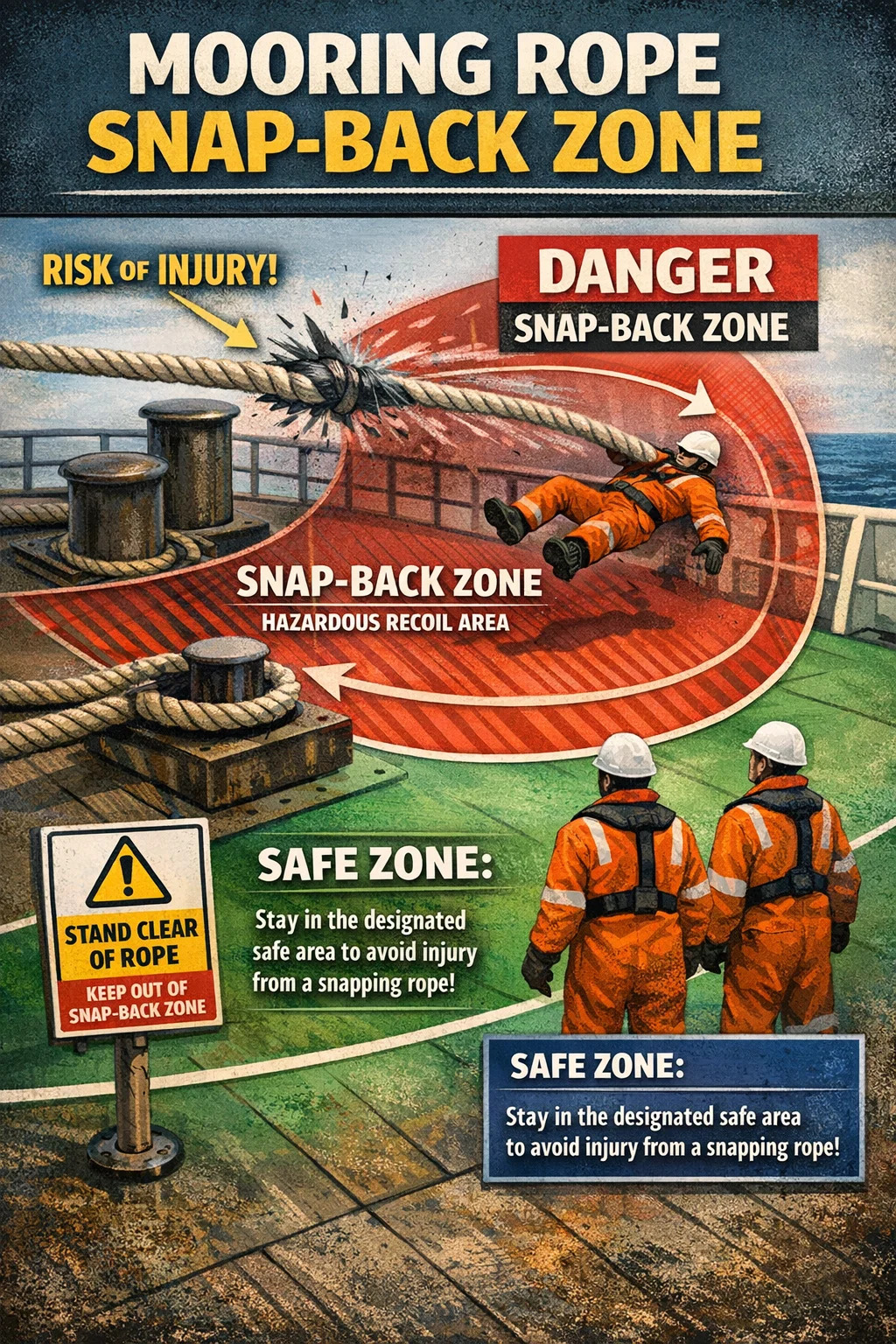
For critical applications, a safety factor of 5:1 is common. This means if your boat exerts 1,000 kg of pull on a line in a storm, that line should ideally have an MBL of at least 5,000 kg. Using this buffer ensures that even with slight wear or the presence of a knot, the mooring rope will not reach its failure point. In commercial shipping, the "Design Break Force" is meticulously matched to the ship's winches, which are often set to "render" (slip) at 55% of the line's MBL to prevent the rope from snapping and causing a dangerous snap-back incident.
[Image showing the concept of a mooring rope snap-back zone]Summary of Strength Management
To summarize, knowing the breaking strength of your mooring rope is only the starting point. You must subtract for age, knots, and wetness while maintaining a healthy safety margin. Always choose a rope where the expected environmental load (wind and current) never exceeds the Safe Working Load, rather than relying on the theoretical maximum strength shown on the manufacturer's tag.
Related Products
-
 View More
3-Strand Polypropylene Mono-filament Mooring Rope / Line
-
 View More
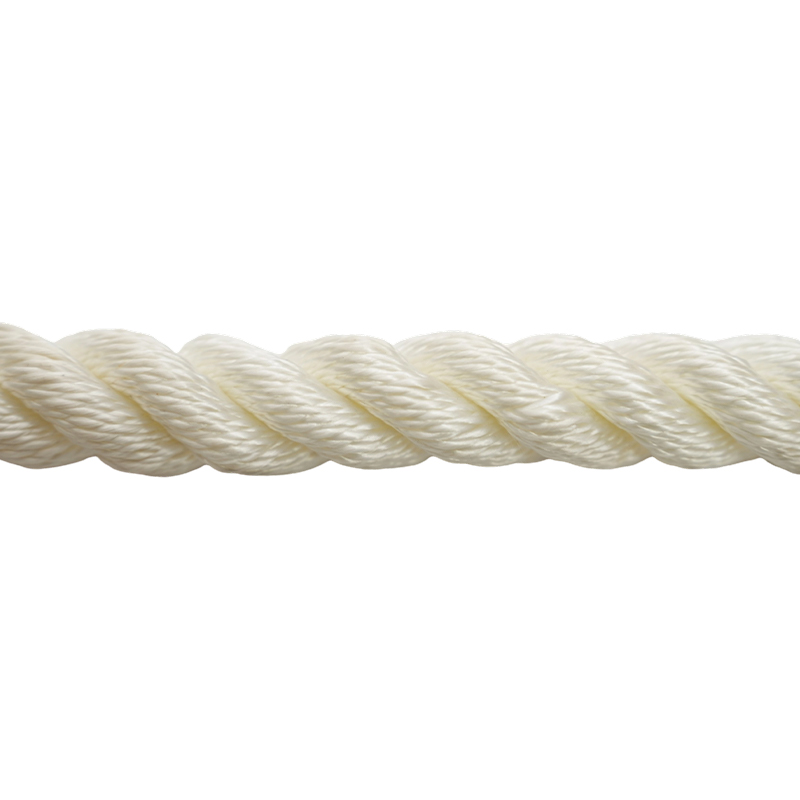
3-Strand Polypropylene Multi-Filament Hawser Mooring Rope / Line
-
 View More
8-Strand Polypropylene Mono-filament Hawser Mooring Rope / Line
-
 View More
8-Strand Polypropylene Multi-filament Mooring Rope / Line
-
 View More
12-Strand Polypropylene Multi-filament Hawser Mooring Rope / Line
-
 View More
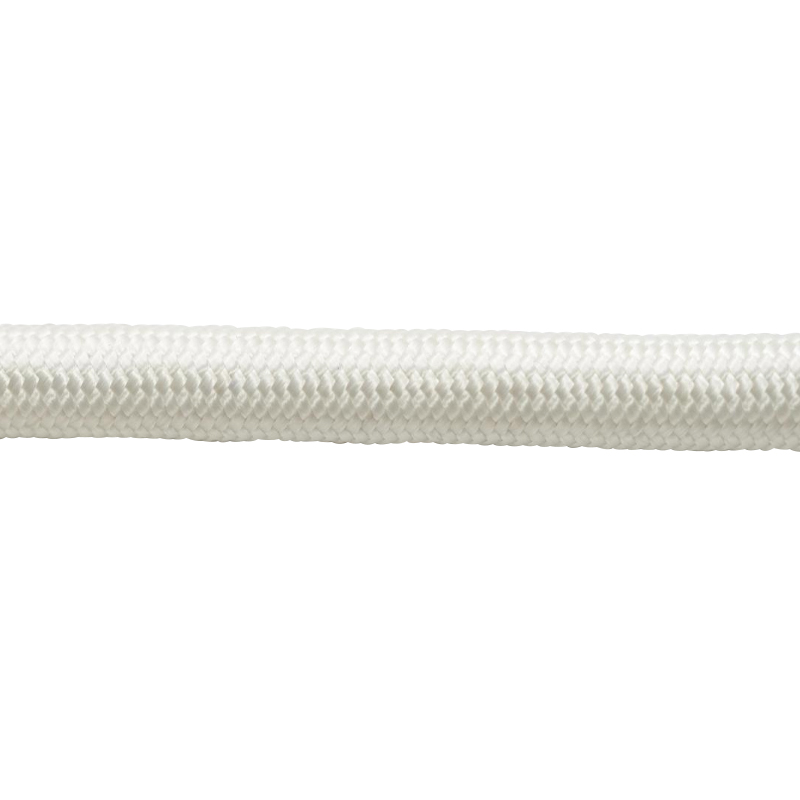
Polypropylene Multi-filament Double Braided Hawser Mooring Rope / Line
-
 View More
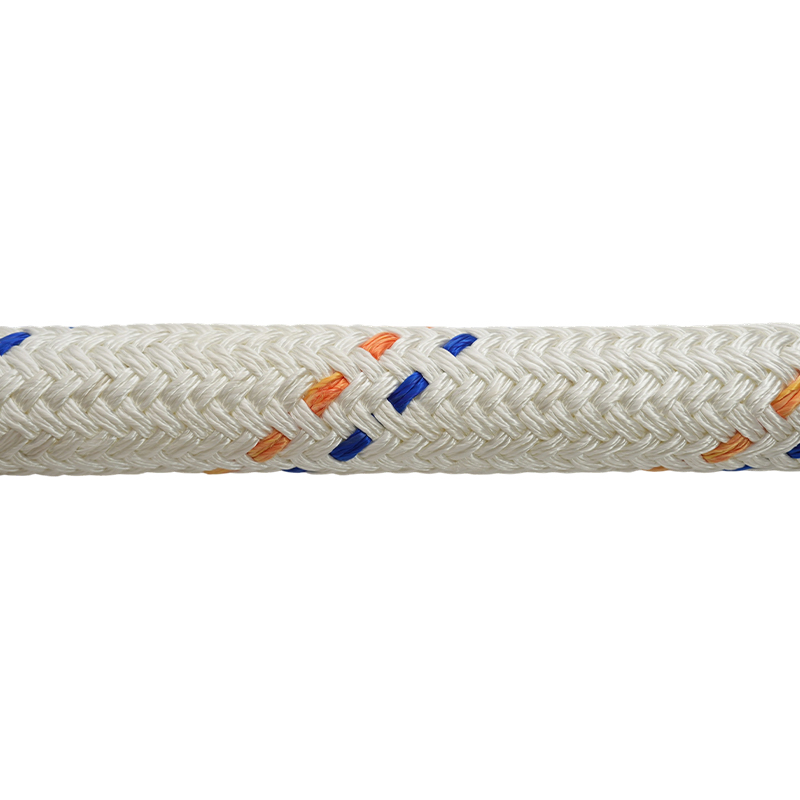
Polypropylene Multi-filament Reduced Recoil Mooring Rope / Line
-
 View More
Polypropylene Multi-filament Mooring Tail
-
 View More
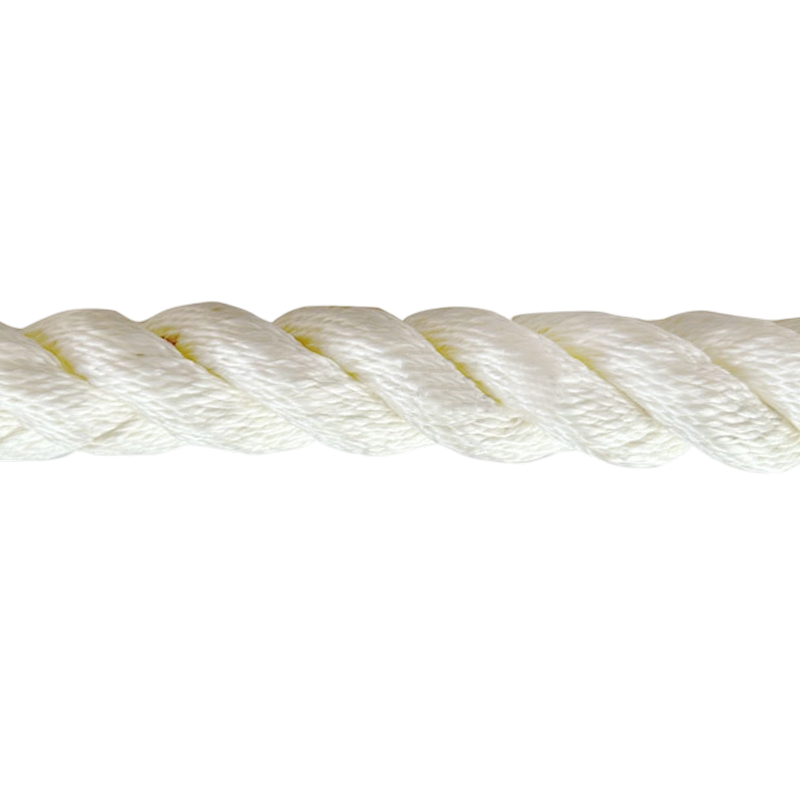
3-Strand Polyester Mooring Rope / Line
-
 View More
8-Strand Polyester Hawser Mooring Rope / Line
-
 View More
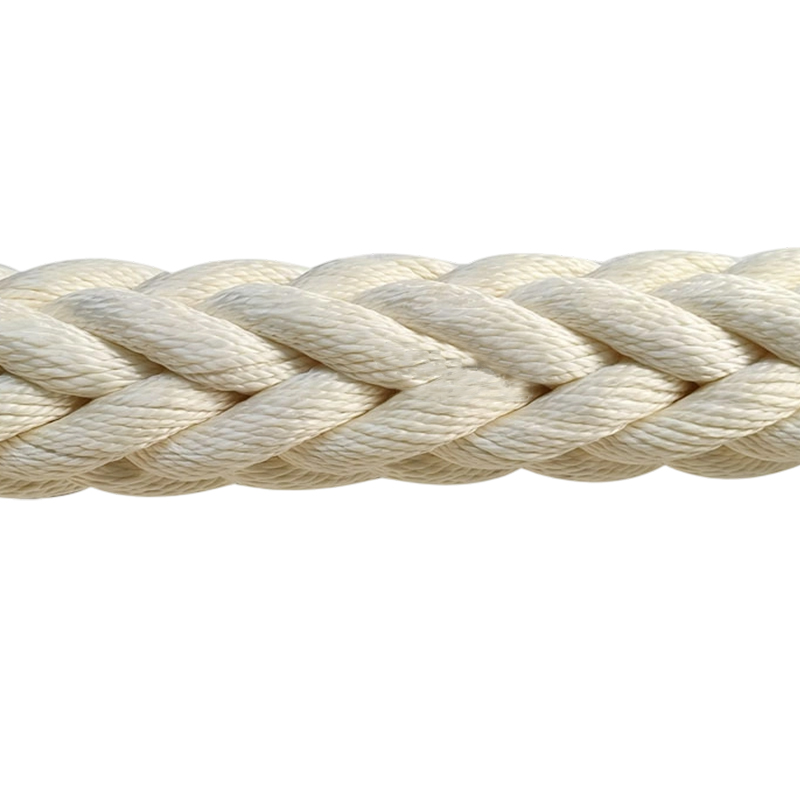
12-Strand Polyester Mooring Rope / Line,Hawser
-
 View More
Polyester Double Braided Hawser Mooring Rope / Line