


 English
 Español
 عربى
عربى
How to attach a mooring line to a boat? I'll show you how.
Content
Securing mooring lines to a boat is a fundamental but crucial skill. If not done properly, the boat could collide with the dock in rough weather or even drift away.
Steps for securing the mooring line to the boat:
1. Finding the Cleat
Every boat's deck edge has several metal devices resembling "horns," which are the cleats.
Before tying the rope, observe which direction you need to guide the rope towards the dock.
Ensure the mooring line passes through the fairlead on the side of the boat. This small hole positions the rope, preventing it from chafing on the deck and distributing the tension more evenly.
2. The Classic Cleat Hitch
This is the most common method used by sailors; it's simple, secure, and easy to untie in emergencies.
Wrap around: First, wrap the mooring line completely around the base of the cleat. This utilizes friction to distribute the tension.
Cross over: Cross the rope over the two horns of the cleat, like writing an "X."
Flip and lock: The final step is crucial. When wrapping the last half-turn, flip the rope over to form a loop, place it over the cleat, and pull tight. This way, the rope will secure itself, becoming tighter the more it's pulled.
3. Using the Eye Splice
Many ready-made mooring lines have a large loop at one end, called an "eye splice."
If your cleat is the right size, you can simply slip this eye splice over the cleat.
However, a more experienced method is to thread the eye splice through the gap in the middle of the cleat, and then flip it over to secure the entire cleat. This prevents the rope from accidentally slipping off.
4. Adjusting Tension
After securing the rope, it shouldn't be pulled as tight as a violin string, nor should it be too loose.
Leave some slack: Consider the rise and fall of the tide. If the tide goes out, a rope that's too tight might lift the boat; if the tide comes in, a rope that's too loose will cause the boat to hit the dock. Balancing both ends: The tension of the mooring ropes at the bow and stern should be kept as consistent as possible to allow the boat to dock parallel to the shore.

Related Products
-
 View More
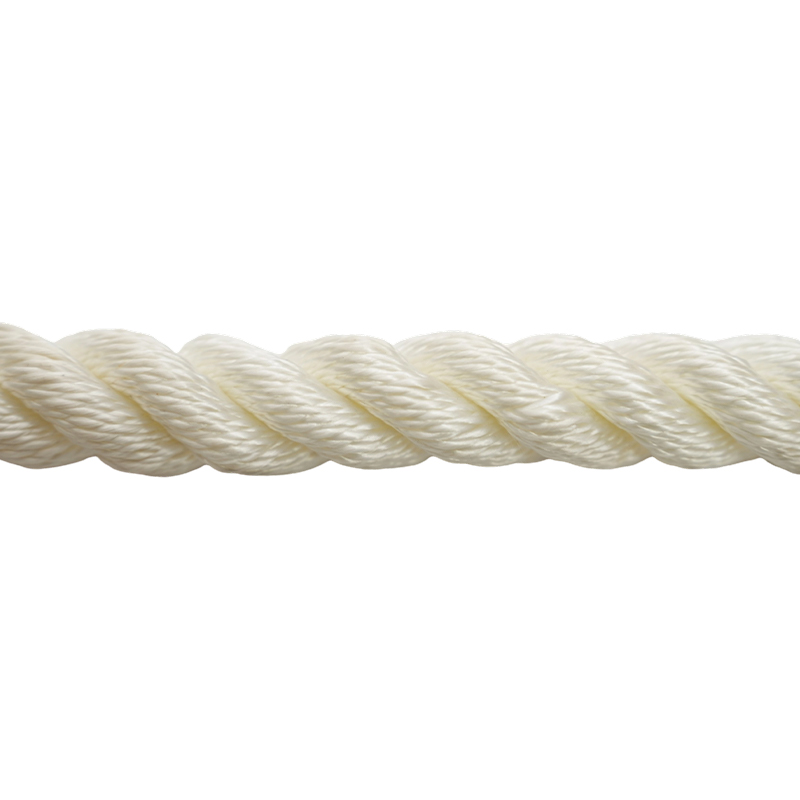
3-Strand Polypropylene Mono-filament Mooring Rope / Line
-
 View More
3-Strand Polypropylene Multi-Filament Hawser Mooring Rope / Line
-
 View More
8-Strand Polypropylene Mono-filament Hawser Mooring Rope / Line
-
 View More
8-Strand Polypropylene Multi-filament Mooring Rope / Line
-
 View More
12-Strand Polypropylene Multi-filament Hawser Mooring Rope / Line
-
 View More
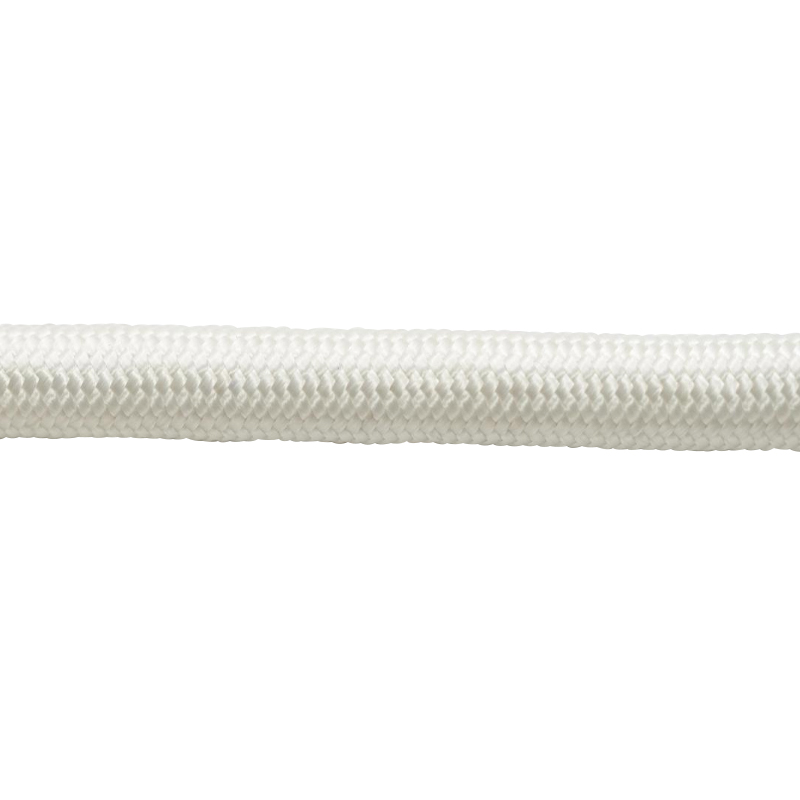
Polypropylene Multi-filament Double Braided Hawser Mooring Rope / Line
-
 View More
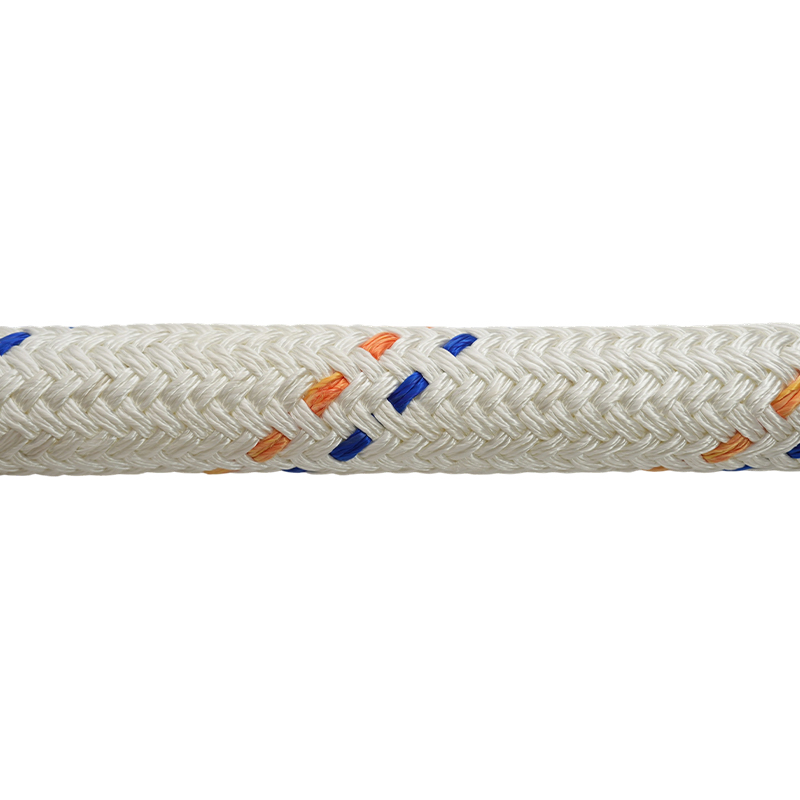
Polypropylene Multi-filament Reduced Recoil Mooring Rope / Line
-
 View More
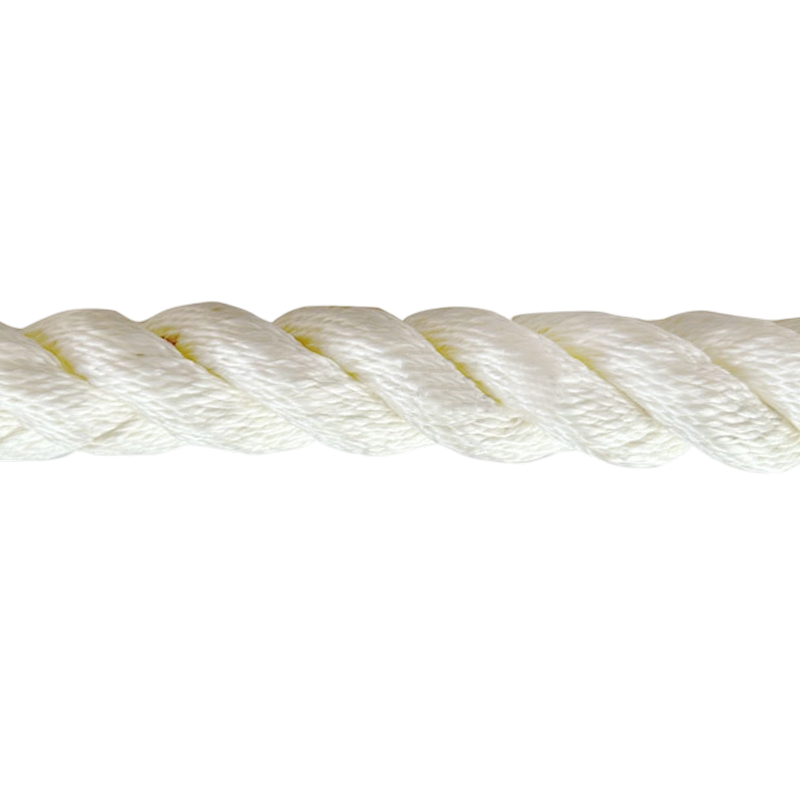
Polypropylene Multi-filament Mooring Tail
-
 View More
3-Strand Polyester Mooring Rope / Line
-
 View More
8-Strand Polyester Hawser Mooring Rope / Line
-
 View More
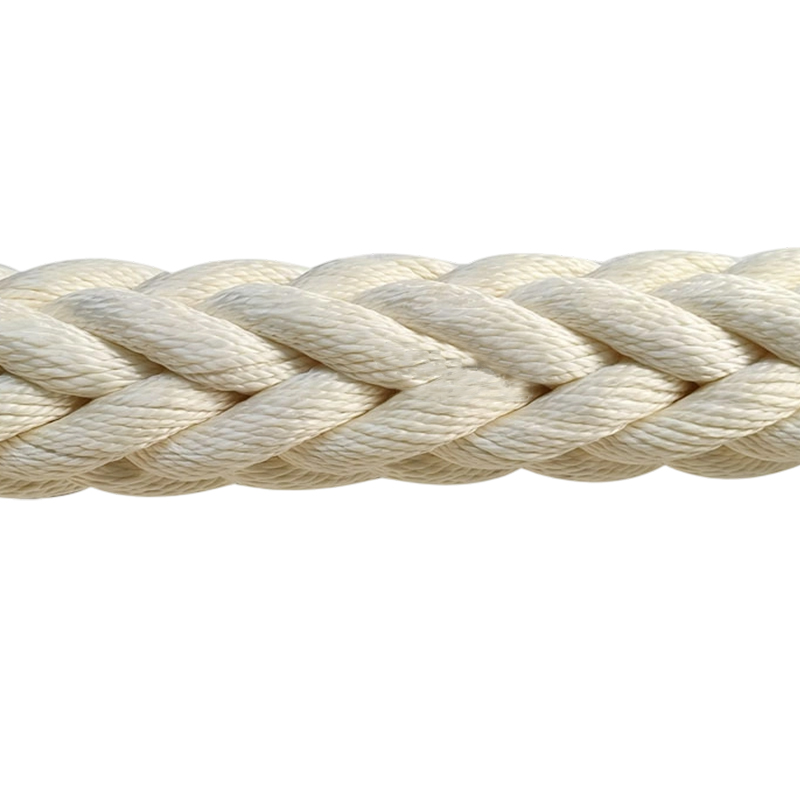
12-Strand Polyester Mooring Rope / Line,Hawser
-
 View More
Polyester Double Braided Hawser Mooring Rope / Line