


 English
 Español
 عربى
عربى
How many types of mooring ropes are there? Do you want to know?
Content
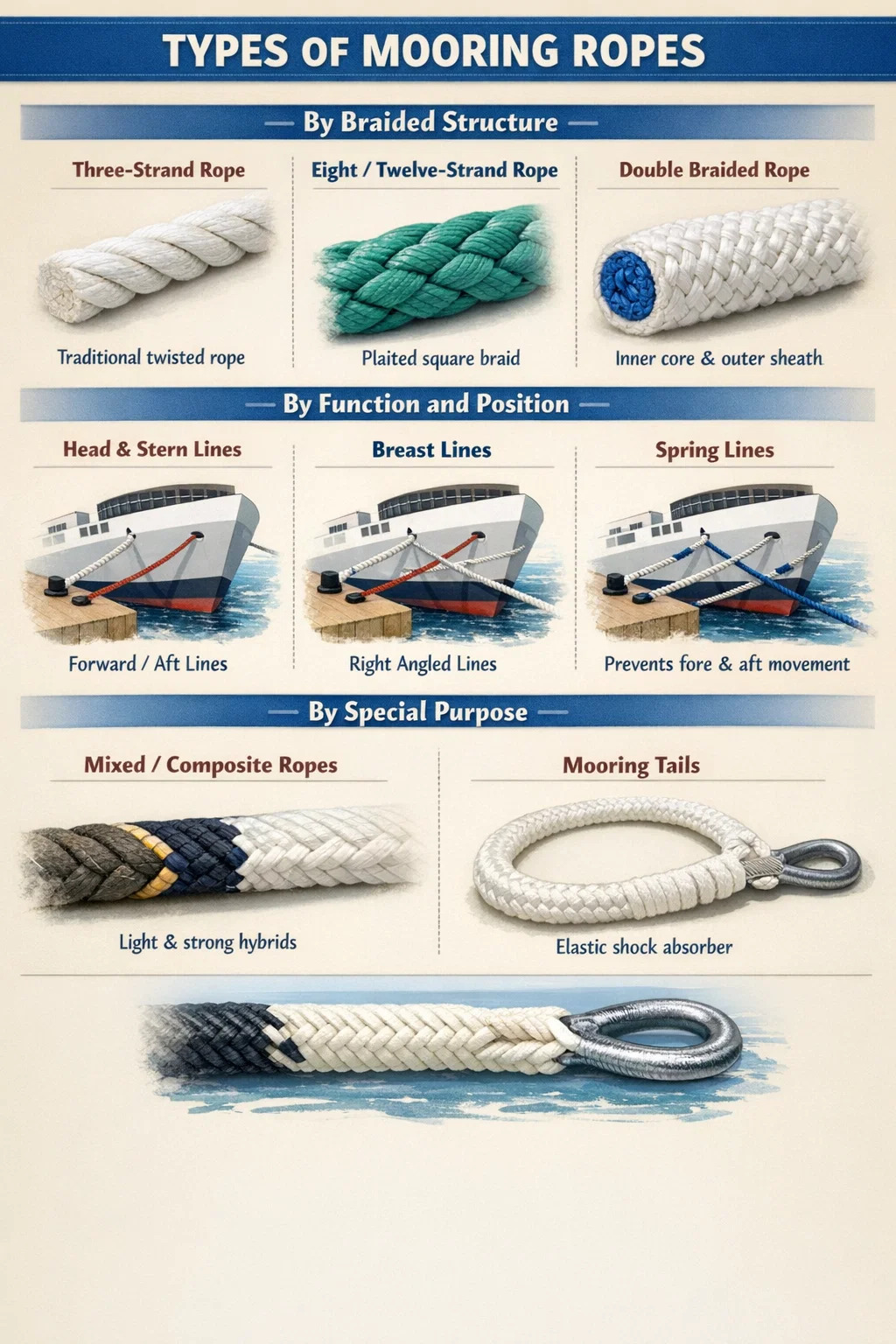
When it comes to types of mooring ropes, we usually don't classify them simply by brand, but rather by their "appearance" (braided structure) and "characteristics" (function and purpose). On the dock or deck, you'll often see ropes of different appearances, each serving a specific purpose.
Here are some common ways to classify mooring ropes:
⇨ Classification by Braided Structure
This is the most intuitive classification method; you can tell the type by looking at the rope's texture:
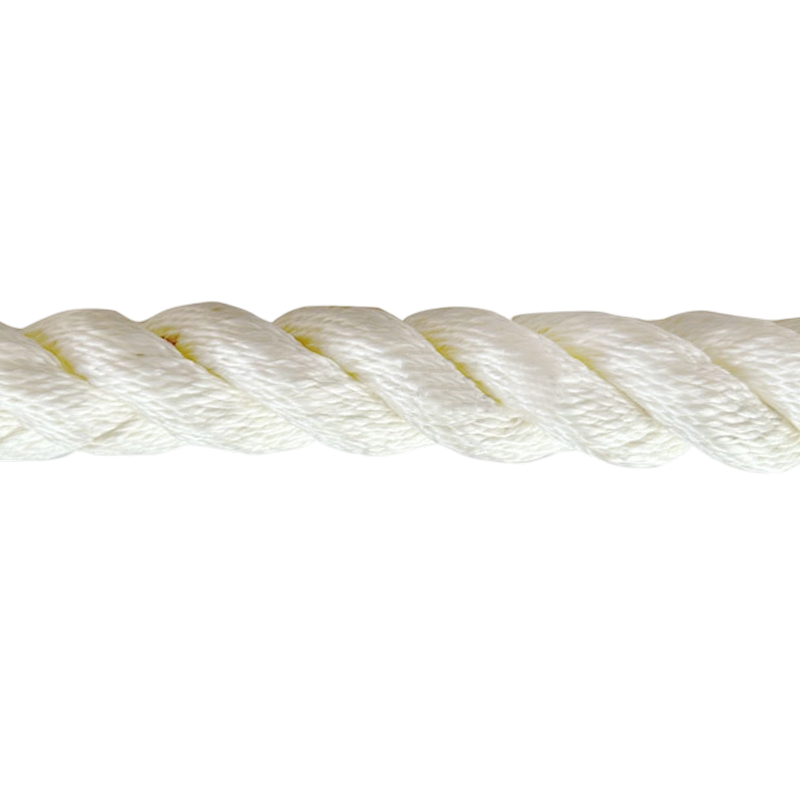
→ Three-Strand Rope:
This is the most traditional style, like a girl braiding her hair, made of three strands of fiber twisted together. Its surface is relatively rough and provides a good grip, but it is prone to kinking. This type of rope is now mostly used on small boats or as auxiliary ropes.
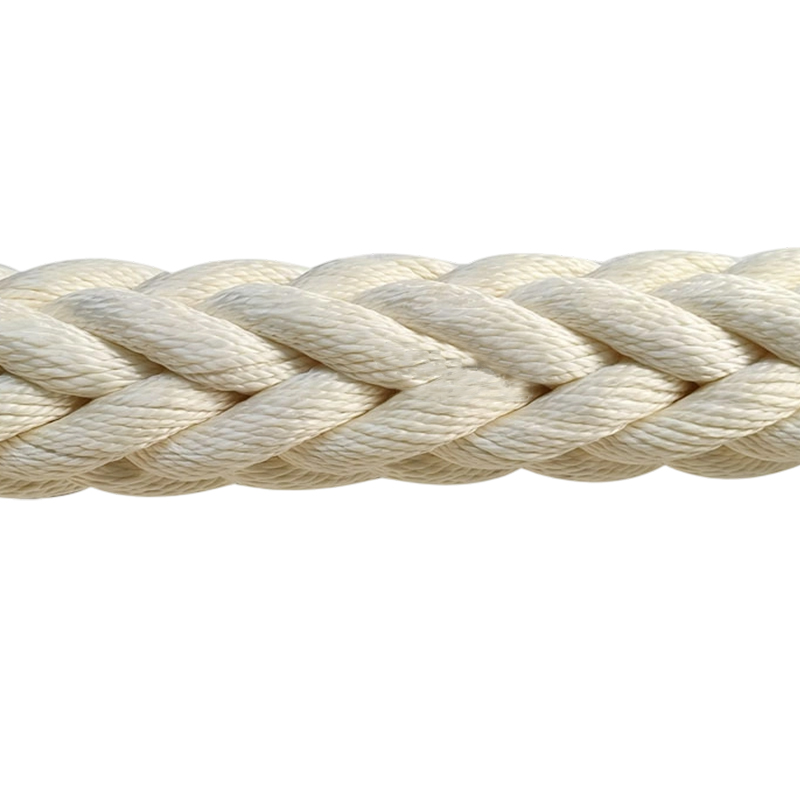
→ Eight-Strand/Twelve-Strand Braided Rope:
This is the most commonly used mooring rope on large ships. They are made of multiple strands of fiber interwoven together, looking like sections of squares or diamonds. This structure is very stable and does not twist easily like twisted ropes, and the load is distributed very evenly.
→ Double Braided Rope:
This type of rope has two layers: an "inner core" and an "outer sheath." The outer layer is responsible for wear resistance and sun protection, while the inner layer is responsible for bearing the load. It is very smooth and extremely strong; many high-performance mooring ropes use this structure.
⇨ Classification by Function and Position
In the actual mooring process, crew members give different names to the ropes based on the direction in which they are pulled:
→ Head and Stern Lines:
These are pulled forward from the bow or backward from the stern. Their main function is to prevent the vessel from sliding forward or backward, "locking" the ship within the berth length.
→ Breast Lines:
These ropes are pulled almost perpendicular to the hull towards the dock. Their function is to hold the ship tightly against the dock, preventing it from drifting sideways.
→ Spring Lines:
This is the cleverest design. They are pulled backward from the bow or forward from the stern. Spring lines act like diagonal braces, working with the head and stern lines to greatly reduce the ship's movement in the water.
⇨ Classified by Special Purpose
Some mooring ropes are specifically designed to handle special situations:
→ Mixed/Composite Ropes:
Some ropes are woven using a combination of different materials. For example, the outer layer might be made of a wear-resistant material, while the inner core uses a lightweight material. This ensures sufficient strength while keeping the weight down, making it easier for workers to handle.
→ Mooring Tails:
These are short ropes. When a ship uses less elastic steel wire ropes or high-performance cables, a very elastic nylon rope is attached to the end. This short rope acts like a fuse or shock absorber, stretching first when strong winds and waves hit, protecting the main cable from breaking.
PREV:How thick should a mooring rope be? Do you know?
NEXT:What material is used for ship mooring lines?
NEXT:What material is used for ship mooring lines?
Related Products
-
 View More
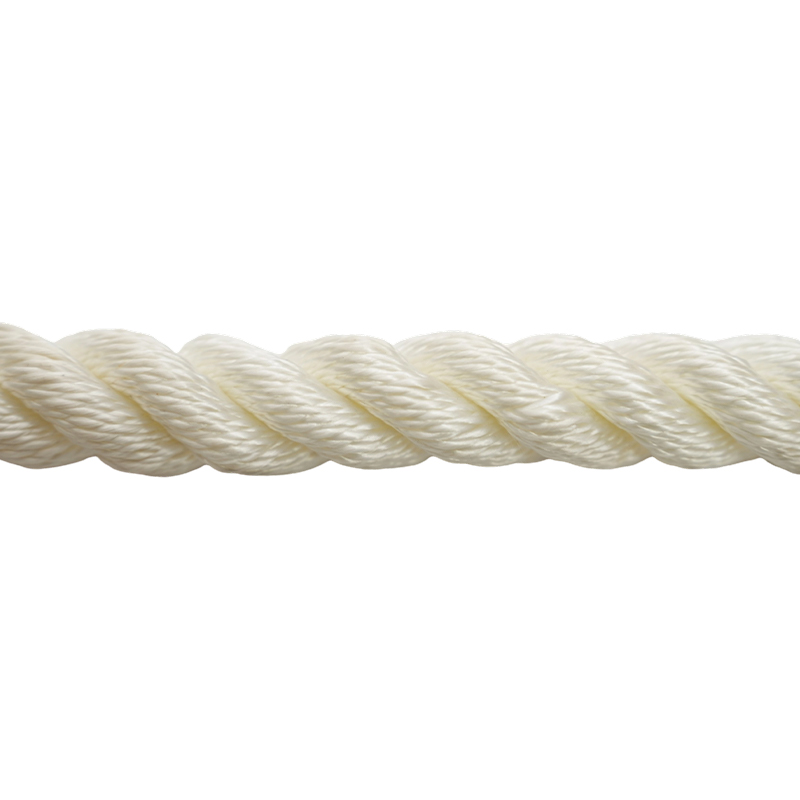
3-Strand Polypropylene Mono-filament Mooring Rope / Line
-
 View More
3-Strand Polypropylene Multi-Filament Hawser Mooring Rope / Line
-
 View More
8-Strand Polypropylene Mono-filament Hawser Mooring Rope / Line
-
 View More
8-Strand Polypropylene Multi-filament Mooring Rope / Line
-
 View More
12-Strand Polypropylene Multi-filament Hawser Mooring Rope / Line
-
 View More
Polypropylene Multi-filament Double Braided Hawser Mooring Rope / Line
-
 View More
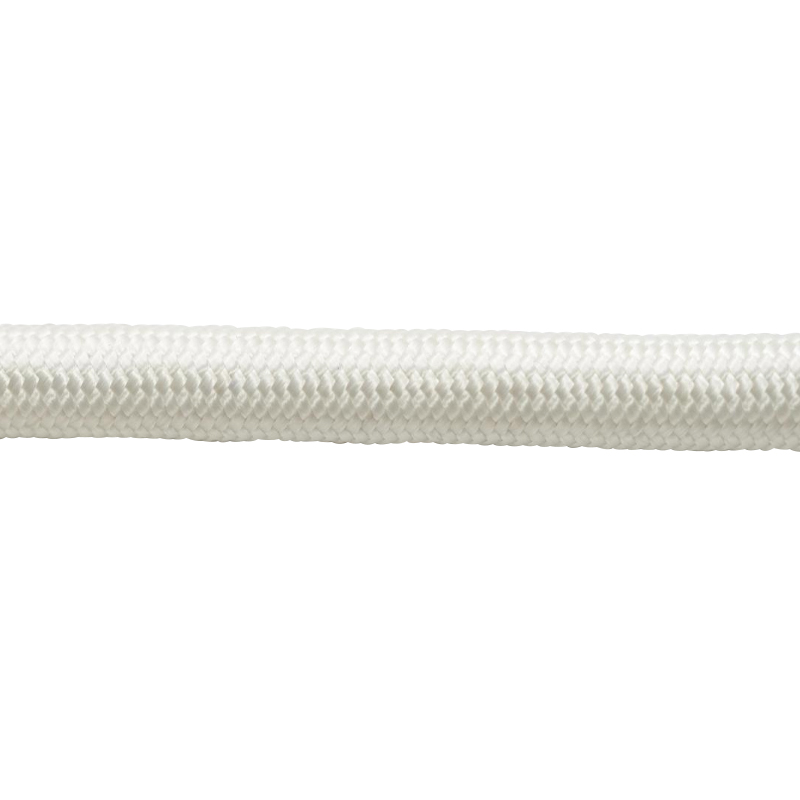
Polypropylene Multi-filament Reduced Recoil Mooring Rope / Line
-
 View More
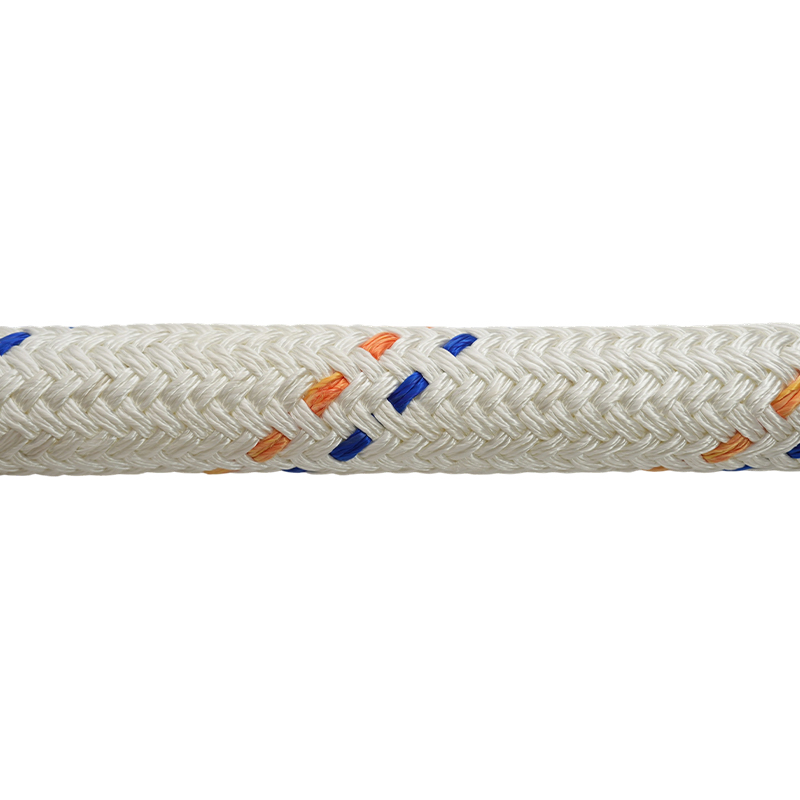
Polypropylene Multi-filament Mooring Tail
-
 View More
3-Strand Polyester Mooring Rope / Line
-
 View More
8-Strand Polyester Hawser Mooring Rope / Line
-
 View More
12-Strand Polyester Mooring Rope / Line,Hawser
-
 View More
Polyester Double Braided Hawser Mooring Rope / Line