


 English
 Español
 عربى
عربى
How thick should a mooring rope be? Do you know?
Content
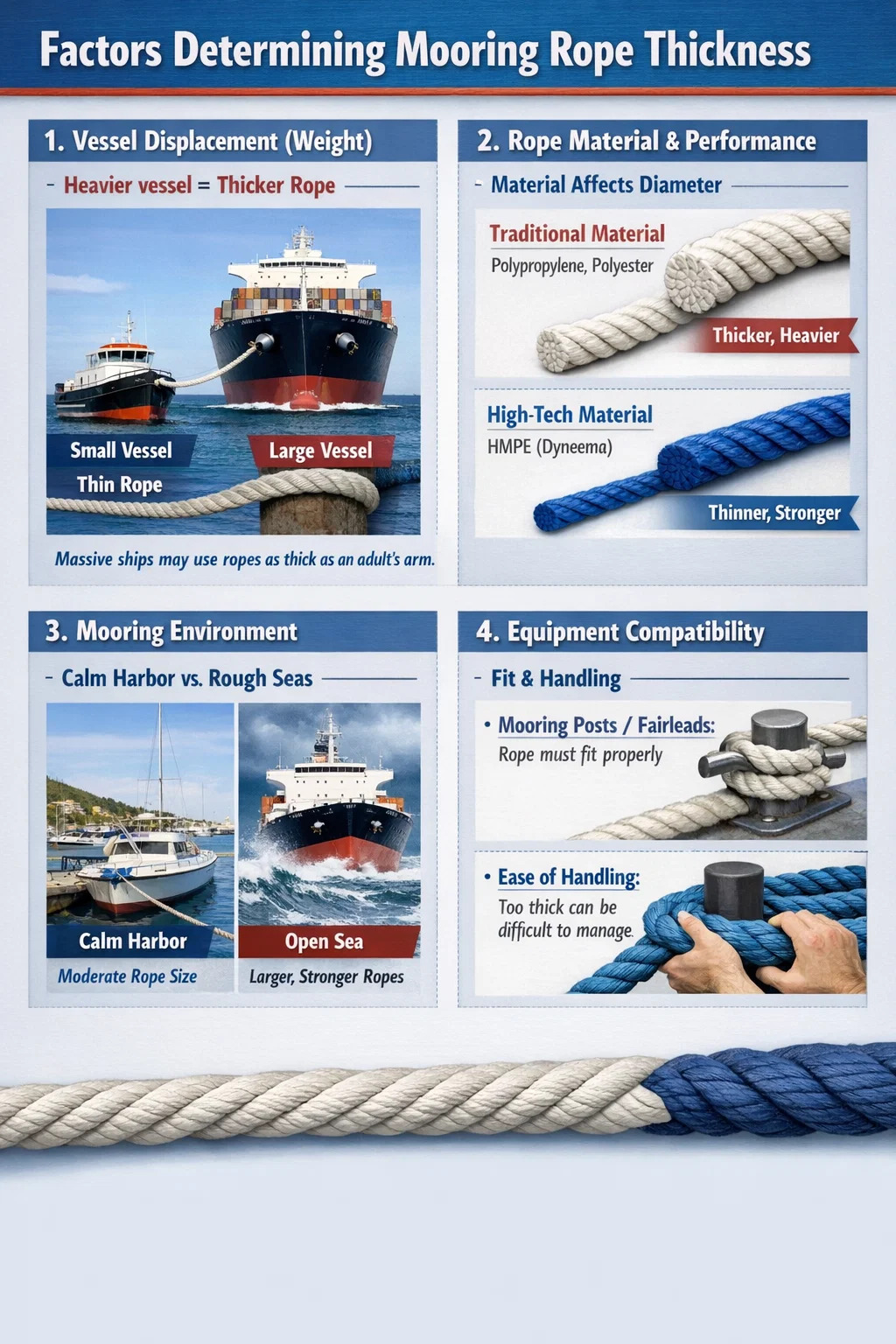
There's no single, fixed number for how thick a mooring rope needs to be; it depends on a combination of factors, including the size and weight of the vessel and the typical mooring environment.
⇨ Factors determining mooring rope thickness:
1. Vessel displacement (weight)
This is the most crucial factor. The heavier the vessel, the greater the tension generated by wind and waves.
Small vessels: Usually use thinner but strong ropes, making them easy for crew members to handle and tie knots quickly.
Medium to large vessels: As the vessel's tonnage increases, the diameter of the mooring rope also increases significantly. For massive ships weighing tens of thousands of tons, the mooring ropes can be as thick as an adult's arm and require mechanical winches on deck to handle.
2. Rope material and performance
Thickness isn't everything; the quality of the material directly affects the choice of diameter:
Traditional materials: For example, polypropylene or ordinary polyester. To achieve high strength, the rope must be very thick.
High-tech materials: Materials like high-performance polyethylene (HMPE), while appearing thinner than ordinary ropes, can be stronger than thick steel cables. Therefore, with this high-end mooring rope, you can choose a smaller diameter, reducing weight while maintaining safety.
3. Mooring environment and duration
Protected harbors: If the vessel is moored in a calm inland lake or a well-protected harbor, a moderately sized rope is sufficient.
Open seas or areas with frequent strong winds: In these environments, the vessel is repeatedly pushed and pulled by waves, and the mooring ropes endure continuous, strong tension. In this case, experienced crew members usually choose a rope "one size larger" than the standard configuration, or increase the number of ropes to distribute the pressure.
4. Equipment compatibility
Thicker isn't always better; the rope must be compatible with your vessel's equipment:
Mooring posts and fairleads: If the rope is too thick, it may not fit around the mooring posts or may be too tight in the fairleads, increasing friction and accelerating wear. Feel and handling: Very thick ropes become extremely stiff when wet in winter, making manual coiling and knotting exceptionally difficult.
PREV:How to attach a mooring line to a boat? I'll show you how.
NEXT:How many types of mooring ropes are there? Do you want to know?
NEXT:How many types of mooring ropes are there? Do you want to know?
Related Products
-
 View More
3-Strand Polypropylene Mono-filament Mooring Rope / Line
-
 View More
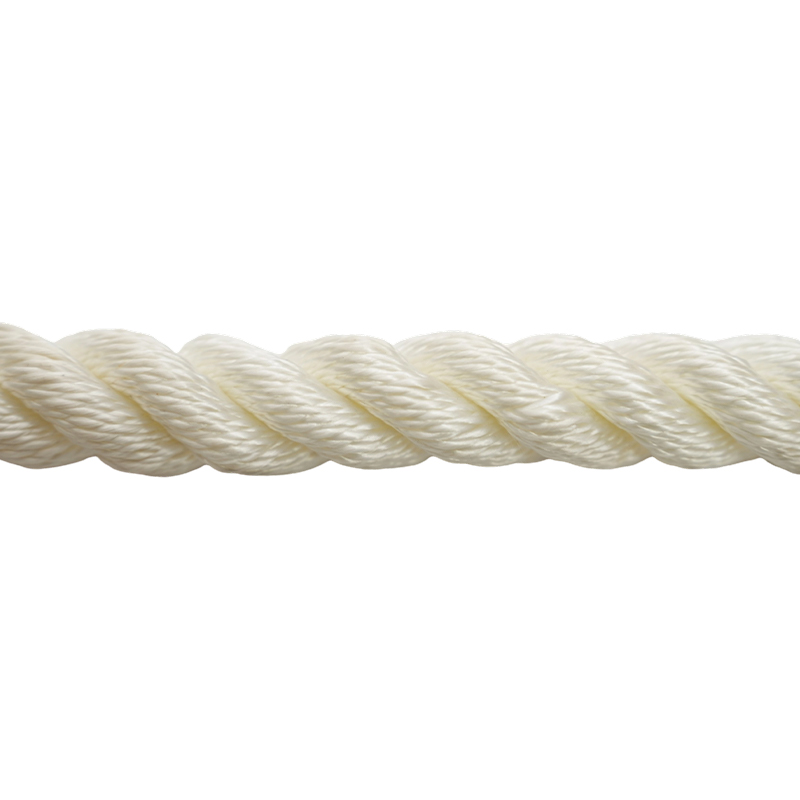
3-Strand Polypropylene Multi-Filament Hawser Mooring Rope / Line
-
 View More
8-Strand Polypropylene Mono-filament Hawser Mooring Rope / Line
-
 View More
8-Strand Polypropylene Multi-filament Mooring Rope / Line
-
 View More
12-Strand Polypropylene Multi-filament Hawser Mooring Rope / Line
-
 View More
Polypropylene Multi-filament Double Braided Hawser Mooring Rope / Line
-
 View More
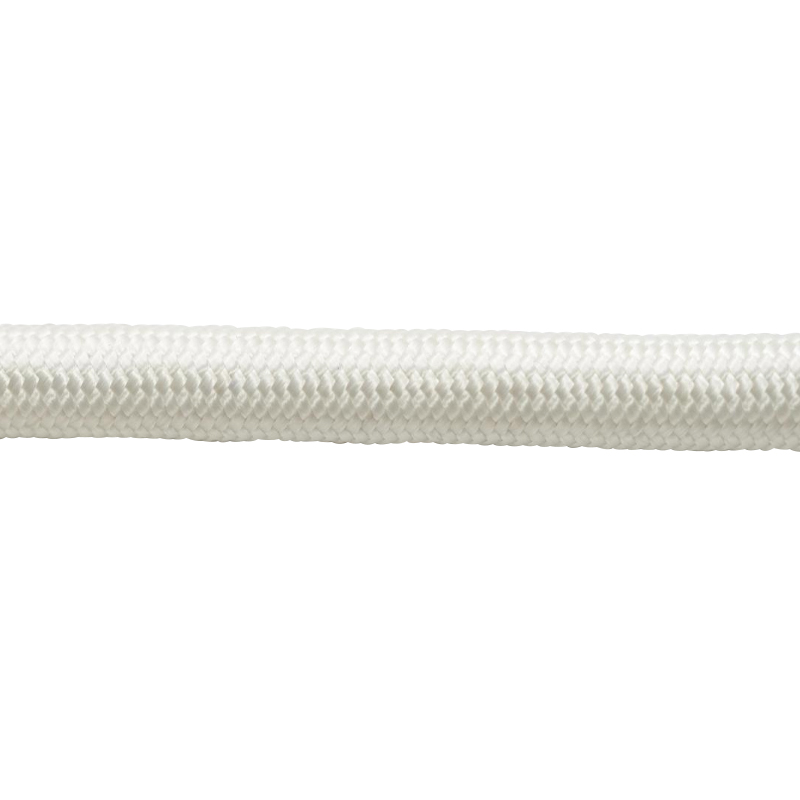
Polypropylene Multi-filament Reduced Recoil Mooring Rope / Line
-
 View More
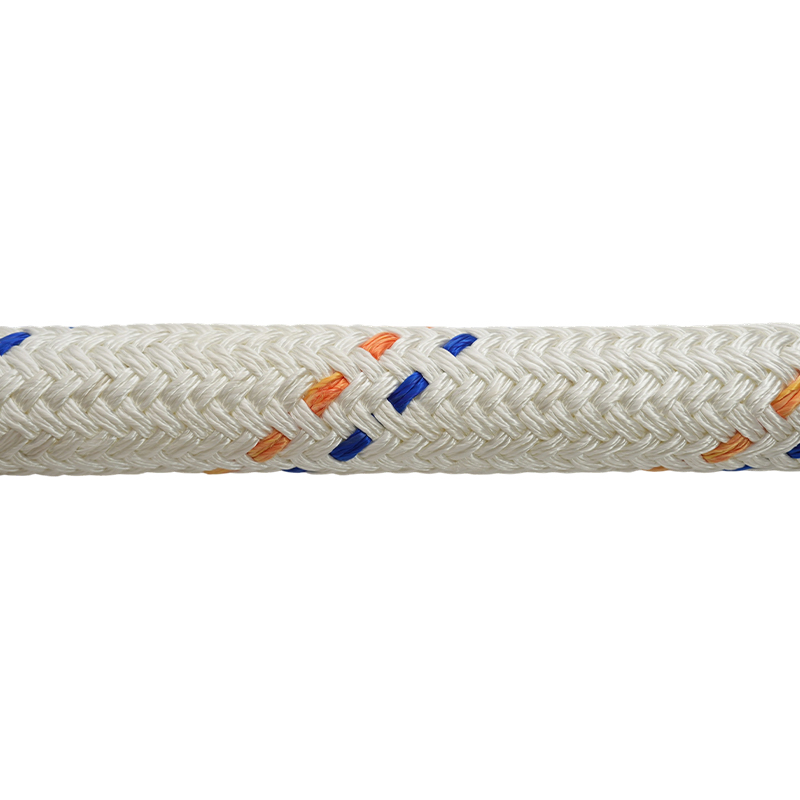
Polypropylene Multi-filament Mooring Tail
-
 View More
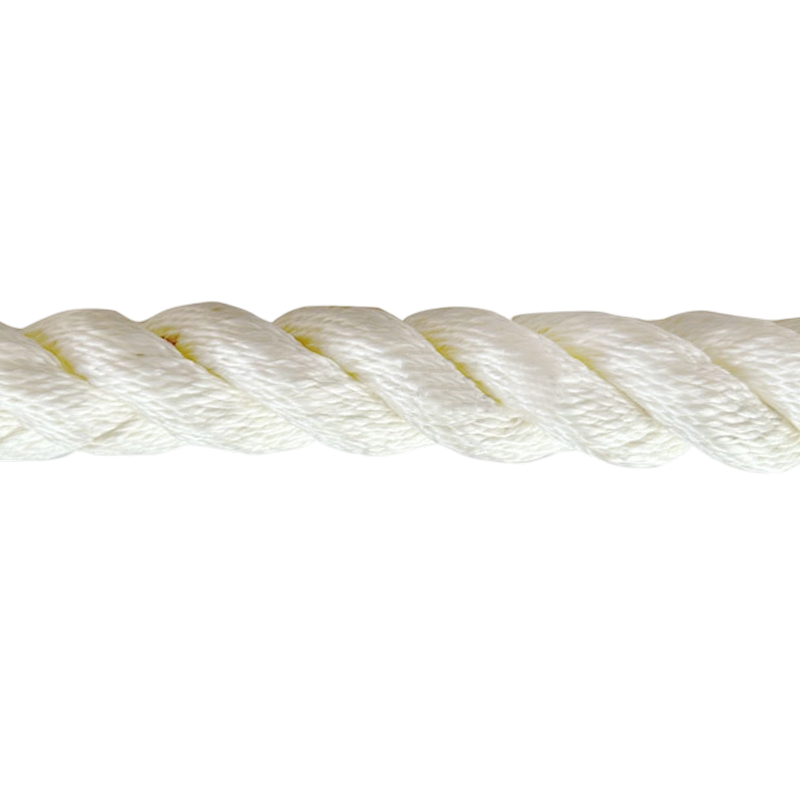
3-Strand Polyester Mooring Rope / Line
-
 View More
8-Strand Polyester Hawser Mooring Rope / Line
-
 View More
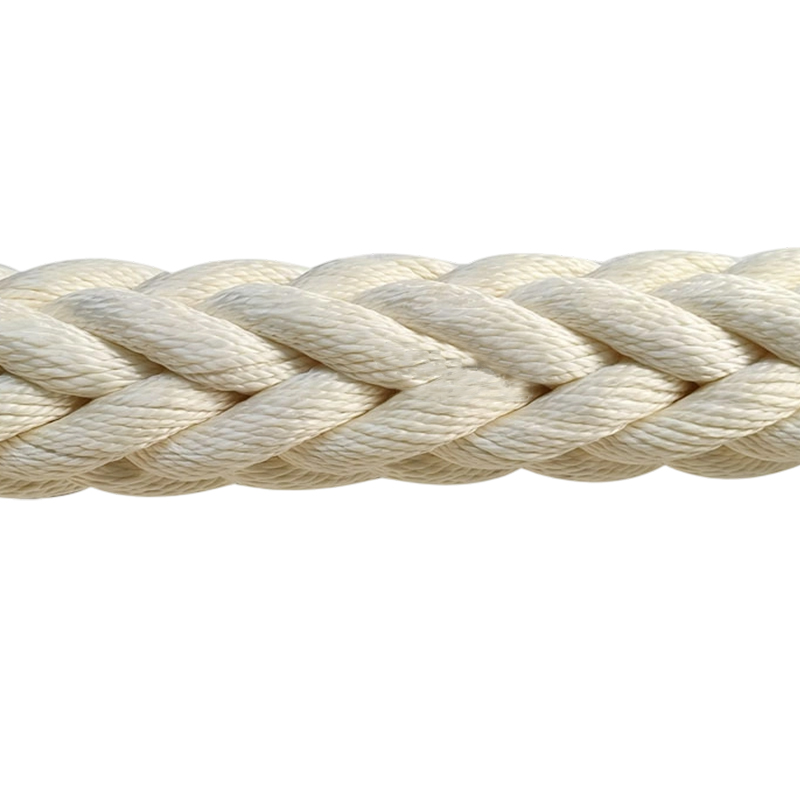
12-Strand Polyester Mooring Rope / Line,Hawser
-
 View More
Polyester Double Braided Hawser Mooring Rope / Line