


 English
 Español
 عربى
عربى
Mooring Rope Measurements: Diameter, Length & Load Guide
Content
- 1 Mooring Rope Measurements: The Direct Answer to Sizing Questions
- 2 Diameter Standards and How They Translate to Strength
- 3 Length Measurements and Mooring Line Configuration
- 4 Load Calculations: Matching Rope to Required Holding Capacity
- 5 Construction Types and Their Effect on Measured Performance
- 6 Measuring Wear and Determining When to Retire a Mooring Line
- 7 Eye Splice Length and Soft Eye Measurements
- 8 Environmental Factors That Influence Rope Measurement Choices
- 9 Procurement Checklist: Specifications to Confirm Before Ordering
Mooring Rope Measurements: The Direct Answer to Sizing Questions
The correct mooring rope diameter for most commercial vessels falls between 40mm and 120mm, with the specific size determined by vessel displacement, expected mooring loads, and the minimum breaking load (MBL) requirements set out in classification society tables. For a vessel with a displacement of 20,000 tonnes, a mooring line diameter of approximately 64mm to 72mm in high-modulus polyethylene or polyester construction typically meets the required MBL of 100 to 120 tonnes. Rope measurements are not arbitrary numbers picked from a catalog; they are the product of careful calculation involving wind area, current forces, tidal range, and the number of lines deployed at each mooring station. Getting these measurements wrong leads to either dangerously undersized lines that part under load, or oversized lines that are unwieldy, expensive, and difficult to handle on deck. This article walks through every dimension that matters when measuring and selecting mooring rope, from diameter and length to construction type and load ratings, with concrete figures drawn from common port and terminal operating standards.
Diameter Standards and How They Translate to Strength
Diameter is the single most referenced measurement in mooring rope specifications, yet it is also the most misunderstood. A rope's diameter does not scale linearly with its strength because construction method, fiber type, and lay pattern all influence how much load-bearing material is packed into a given cross-section. Two ropes of identical 80mm diameter can have breaking loads that differ by 40 percent or more depending on whether they are made from polypropylene, polyester, nylon, or high-modulus polyethylene (HMPE) fibers such as Dyneema or Spectra.
Common Diameter Ranges by Vessel Class
Smaller workboats, tugs, and fishing vessels typically use mooring lines in the 24mm to 40mm range, while medium-sized cargo ships and container vessels in the 10,000 to 30,000 DWT range commonly use 56mm to 72mm lines. Very large crude carriers (VLCCs) and bulk carriers over 150,000 DWT often require mooring lines of 88mm to 120mm in diameter, sometimes larger when multiple lines must share an exceptionally heavy mooring load during storm conditions.
| Diameter (mm) | Approx. Weight (kg/100m) | Minimum Breaking Load (tonnes) | Typical Vessel Class |
|---|---|---|---|
| 40 | 85 | 28 | Coastal vessels, tugs |
| 56 | 168 | 55 | Medium cargo ships |
| 72 | 278 | 92 | Container ships, tankers |
| 88 | 415 | 138 | Bulk carriers, VLCC |
| 120 | 770 | 255 | Ultra-large carriers |
These figures represent general industry averages for double-braided polyester construction and should always be confirmed against the manufacturer's specific certificate of test, since fiber blends, braid density, and finishing treatments can shift the actual breaking load by ten to fifteen percent in either direction.

Length Measurements and Mooring Line Configuration
While diameter determines strength, length determines how a mooring line is actually deployed and how much stretch and recovery capacity it offers. Standard mooring lines for ocean-going vessels are most commonly supplied in lengths of 200 meters, though terminals with wider berths or unusual tidal ranges may specify lines as long as 240 meters or as short as 160 meters.
Why Length Tolerances Matter
A rope cut even 5 meters shorter than specified can fail to reach a mooring bollard at low tide, forcing crew to use additional lines or shackles that introduce extra failure points into the system. Conversely, excess length creates unnecessary slack that must be coiled and stored, adding weight and clutter to mooring stations. Most rope manufacturers work to a length tolerance of plus or minus 1 percent on finished coils, meaning a 200-meter order should arrive between 198 and 202 meters when measured under a light tension load rather than slack on a reel.
Elongation and Working Length
Nylon mooring ropes can stretch 20 to 30 percent of their original length under heavy load, while polyester ropes typically stretch 10 to 15 percent, and HMPE ropes stretch less than 3 percent. This elongation must be factored into the working length calculation; a 200-meter nylon line under storm load conditions might effectively become 250 meters long, which changes how far the vessel can range from the berth and how much additional fendering clearance is required.
Load Calculations: Matching Rope to Required Holding Capacity
Mooring rope sizing ultimately comes down to a load calculation that compares the environmental forces acting on a vessel against the combined holding capacity of all mooring lines in use. The Oil Companies International Marine Forum (OCIMF) Mooring Equipment Guidelines remain the most widely referenced standard for calculating these forces on tankers and large commercial vessels, recommending that the maximum line load not exceed 55 percent of the rope's minimum breaking load for new ropes used in normal operations.
Wind and Current Force Components
For a typical 250-meter container vessel with a beam of 32 meters, broadside wind of 60 knots can generate a transverse force of approximately 180 to 220 tonnes, which must be distributed across breast lines, head lines, and stern lines according to the mooring arrangement. If eight lines are deployed and each is rated at a working load of 50 tonnes (representing 55 percent of a 91-tonne MBL), the system theoretically provides 400 tonnes of holding capacity, leaving an adequate safety margin even accounting for uneven load distribution between lines.
Safe Working Load Versus Minimum Breaking Load
Confusing safe working load (SWL) with minimum breaking load (MBL) is one of the most common errors in mooring planning. SWL is calculated by applying a design factor, commonly between 1.8 and 2.2 depending on rope material and condition, to the MBL. A rope with an MBL of 100 tonnes and a design factor of 2.0 has an SWL of 50 tonnes, meaning the rope should never be routinely loaded beyond this figure even though it would not immediately fail at 60 or 70 tonnes.
| Rope Material | Design Factor (New Rope) | Design Factor (Worn Rope) |
|---|---|---|
| Polyester | 2.0 | 2.5 to 3.0 |
| Nylon | 1.8 | 2.2 to 2.8 |
| HMPE | 2.2 | 2.6 to 3.2 |
| Polypropylene | 2.0 | 2.5 to 3.0 |
Construction Types and Their Effect on Measured Performance
The way a rope is constructed, not just its raw diameter, dramatically affects how its physical measurements translate into real-world performance. Three-strand, double-braid, and 12-strand plait constructions all behave differently under load and during measurement, and choosing the wrong construction for a given application can mean that a correctly sized rope still underperforms.
Three-Strand Construction
Three-strand rope remains common for smaller vessels and general-purpose mooring because it is economical and easy to splice. However, three-strand rope has a tendency to develop torque under load, causing it to twist and sometimes hockle (form unwanted loops) when handled on winches. A 48mm three-strand polyester rope typically has an MBL around 24 tonnes, noticeably lower than a double-braid rope of the same diameter.
Double-Braid Construction
Double-braid ropes consist of a braided core inside a braided cover, distributing load between both components and resisting torque far better than three-strand. A 48mm double-braid polyester rope can achieve an MBL of approximately 32 to 35 tonnes, roughly 35 percent higher than its three-strand counterpart at the same diameter, making double-braid the preferred choice for larger commercial vessels where deck space for rope storage is limited.
12-Strand and 8-Strand Plait Construction
Plaited constructions, often used with HMPE fibers, offer the highest strength-to-diameter ratio of any common mooring rope type. A 48mm 12-strand HMPE rope can achieve an MBL exceeding 60 tonnes, more than double that of an equivalent three-strand polyester rope, though the higher cost per meter means these ropes are usually reserved for high-value vessels or situations where deck handling weight must be minimized.

Measuring Wear and Determining When to Retire a Mooring Line
Mooring rope measurements are not a one-time exercise performed only at purchase. Ongoing measurement of diameter reduction, surface abrasion, and elongation under standard load are essential parts of a rope retirement program, since a rope's effective MBL degrades steadily with use.
Diameter Reduction as a Retirement Indicator
A reduction in rope diameter of 10 percent from new condition typically corresponds to a strength loss of roughly 15 to 20 percent, while a diameter reduction of 20 percent often indicates a strength loss approaching 40 percent. Many port operators adopt a working rule that any mooring rope showing diameter reduction greater than 10 percent across more than 10 percent of its length should be scheduled for replacement within the next maintenance cycle.
Visual and Tactile Inspection Points
- Check for broken yarns or strands at points where the rope contacts chocks, bollards, or fairleads, since these high-friction zones wear faster than the rest of the line.
- Measure diameter at three or more points along the rope using a caliper or rope gauge under a consistent light tension, then compare against the original certified diameter.
- Inspect for discoloration, stiffness, or glazing on the rope surface, which can indicate heat damage from friction during rapid paying-out under load.
- Check splice areas for slippage by measuring the splice length against the original specification, since a shortening splice indicates the core or strands are pulling through the cover.
Eye Splice Length and Soft Eye Measurements
The eye splice at the end of a mooring rope is a critical measurement point that is frequently overlooked. A properly tapered eye splice should measure between 1.5 and 2 times the rope's diameter in circumference for the eye opening itself, and the splice length (the section where the rope is doubled back and tucked) should run approximately 25 to 30 times the rope's diameter.
Why Eye Splice Length Affects Strength Retention
An eye splice that is too short fails to distribute load gradually across enough fiber length, creating a stress concentration point that can reduce the effective breaking strength of the rope at that point by 15 percent or more compared to the rated MBL of the straight section. For a 72mm rope, this means the splice should extend approximately 1.8 to 2.2 meters from the eye to where the tail is buried into the body of the rope, with a taper that gradually reduces the number of tucked strands toward the end.
Chafe Protection Sleeve Sizing
Chafe sleeves or leather coverings placed over the eye splice should extend at least 300mm beyond each end of the splice itself, providing a buffer zone of protection against abrasion from the bollard or fairlead surface. Sleeve diameter should match the rope diameter within a tolerance of plus 5mm to avoid bunching, which can create uneven wear patterns.

Environmental Factors That Influence Rope Measurement Choices
Temperature, UV exposure, and chemical contamination at a given port or terminal can significantly influence which rope material and measurements are appropriate, even when the underlying load calculations remain the same.
Temperature Effects on Synthetic Fiber Ropes
Nylon and polyester ropes generally perform well across a temperature range of negative 20 to positive 60 degrees Celsius, but HMPE ropes begin to experience creep (permanent elongation under sustained load) at temperatures above 70 degrees Celsius, which can occur on dark-colored mooring lines left in direct tropical sun on a steel deck. For terminals in regions with sustained ambient temperatures above 35 degrees Celsius, selecting a lighter-colored HMPE rope or specifying a polyester core can reduce creep-related length changes over the rope's service life.
UV Degradation and Diameter Stability
Polypropylene ropes are particularly susceptible to UV degradation, losing up to 50 percent of their strength after two years of continuous outdoor exposure in tropical climates, even though the rope's diameter may appear visually unchanged. This makes polypropylene a poor choice for permanent mooring applications despite its lower initial cost, and operators relying on visual diameter inspection alone may not detect this internal strength loss until a failure occurs.
Procurement Checklist: Specifications to Confirm Before Ordering
When ordering mooring rope, providing complete and accurate measurement specifications to the manufacturer prevents costly delays and mismatched deliveries. The following table summarizes the key specifications that should accompany every mooring rope order.
| Specification | Typical Range or Format |
|---|---|
| Nominal diameter | 40mm to 120mm, in 4mm increments |
| Overall length | 160m to 240m, plus or minus 1 percent |
| Construction type | Three-strand, double-braid, or plaited |
| Fiber material | Polyester, nylon, HMPE, or polypropylene |
| Eye splice configuration | Soft eye, hard eye with thimble, or spliced both ends |
| Chafe protection | Sleeve length, material, and position from eye |
| Color coding | For identifying line function on deck |
Taking the time to verify each of these measurements against the vessel's mooring plan before placing an order reduces the likelihood of receiving rope that requires costly re-splicing or re-coiling once it arrives at the vessel, and ensures the mooring system performs as designed across the rope's expected service life of three to five years under typical commercial operating conditions.
PREV:Mooring Rope Diameter: How to Select the Right Size
NEXT:What Is Rope Whipping and Why Does It Matter?
NEXT:What Is Rope Whipping and Why Does It Matter?
Related Products
-
 View More
3-Strand Polypropylene Mono-filament Mooring Rope / Line
-
 View More
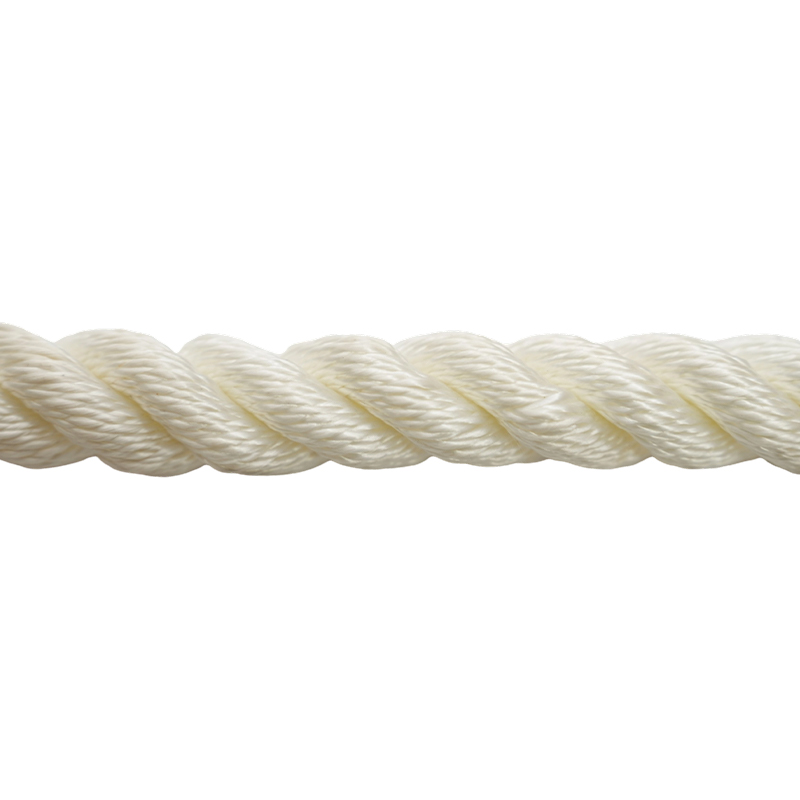
3-Strand Polypropylene Multi-Filament Hawser Mooring Rope / Line
-
 View More
8-Strand Polypropylene Mono-filament Hawser Mooring Rope / Line
-
 View More
8-Strand Polypropylene Multi-filament Mooring Rope / Line
-
 View More
12-Strand Polypropylene Multi-filament Hawser Mooring Rope / Line
-
 View More
Polypropylene Multi-filament Double Braided Hawser Mooring Rope / Line
-
 View More
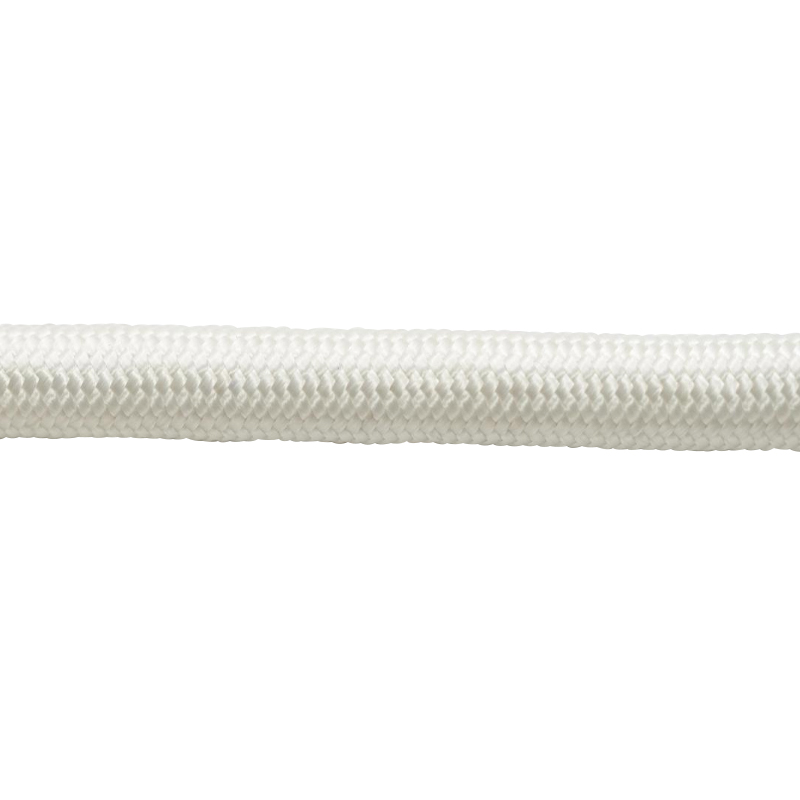
Polypropylene Multi-filament Reduced Recoil Mooring Rope / Line
-
 View More
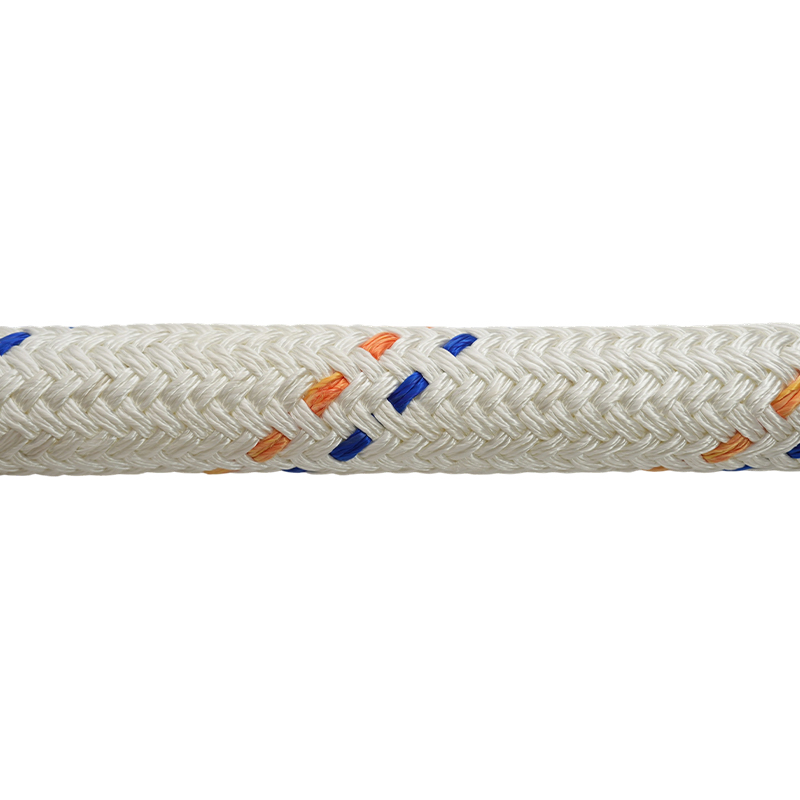
Polypropylene Multi-filament Mooring Tail
-
 View More
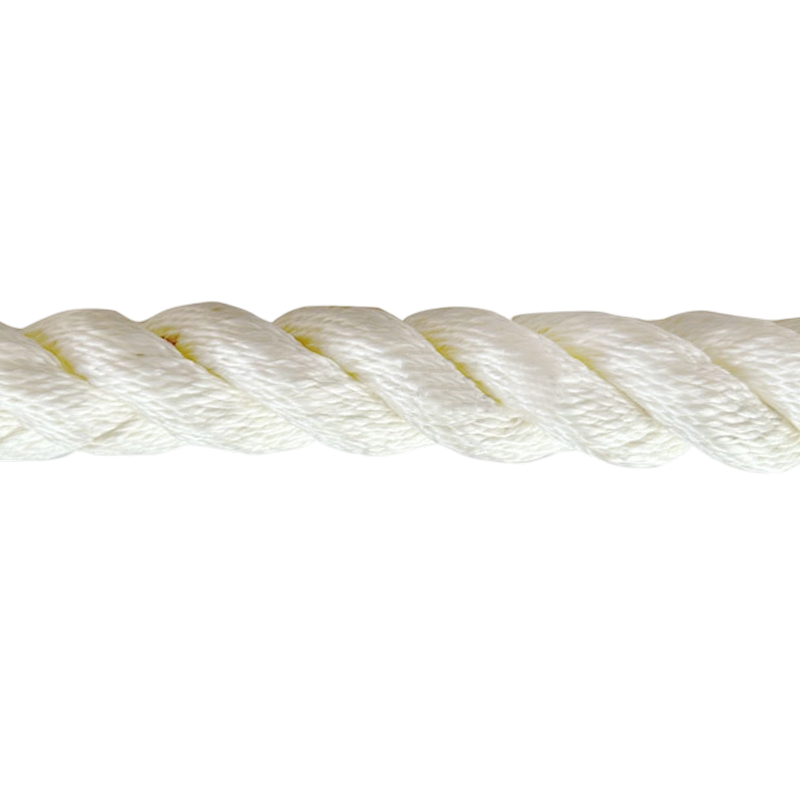
3-Strand Polyester Mooring Rope / Line
-
 View More
8-Strand Polyester Hawser Mooring Rope / Line
-
 View More
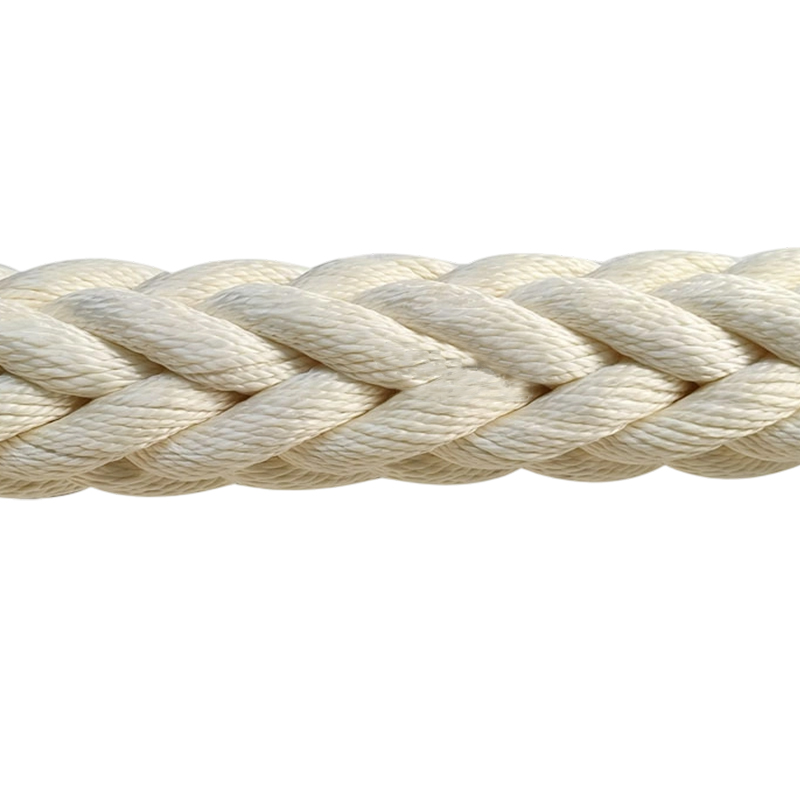
12-Strand Polyester Mooring Rope / Line,Hawser
-
 View More
Polyester Double Braided Hawser Mooring Rope / Line