


 English
 Español
 عربى
عربى
What Is a Rope Ruler and Why It Matters for Mooring Rope?
Content
- 1 What Is a Rope Ruler and Why It Matters for Mooring Rope
- 2 How to Read a Rope Ruler Correctly: Step-by-Step
- 3 Mooring Rope Types: Material, Diameter, and Rope Ruler Measurement Notes
- 4 Using Rope Ruler Data to Verify Mooring Rope Safe Working Load
- 5 Selecting the Right Mooring Rope: How Rope Ruler Measurements Guide the Choice
- 6 Regular Rope Ruler Inspection: Keeping Mooring Rope in Service Safely
- 7 Comparing Rope Ruler Tools: Which Should You Use for Mooring Rope?
- 8 Mooring Rope Maintenance: Beyond the Rope Ruler Measurement
- 9 International Standards Governing Rope Ruler Use and Mooring Rope Specifications
- 10 Practical Buying Guide: Rope Rulers and Mooring Rope Together
- 11 FAQ: Rope Ruler and Mooring Rope Measurement
Rope Measurement Guide
A rope ruler is a specialized measuring tool — typically a flexible tape or graduated gauge — used to determine the diameter, circumference, and length of rope, including mooring rope and other marine lines. Selecting the wrong measurement method or misreading a rope ruler leads to undersized mooring systems, unsafe load ratings, and premature rope failure. This guide covers every dimension of how rope rulers work, how to read them correctly, and how they connect directly to choosing and maintaining the right mooring rope for your vessel or dock.
3–400mm Typical diameter range measured by rope rulers in marine applications
±0.5mm Accuracy tolerance of a quality rope diameter gauge
6+ types Common mooring rope materials, each requiring specific measurement protocols
What Is a Rope Ruler and Why It Matters for Mooring Rope
A rope ruler is not simply a tape measure applied to a rope. It is a calibrated instrument engineered to account for the round cross-section, twist, and surface texture that ordinary flat rulers cannot accurately resolve. In the context of mooring rope, getting the diameter measurement right affects everything from cleat sizing and chock selection to safe working load (SWL) calculations and compliance with port authority requirements.
Professional-grade rope rulers come in three primary forms: the wrap-around circumference tape (which calculates diameter via π), the direct-reading diameter gauge with sliding jaw calipers calibrated for rope, and the optical or laser rope gauge used in industrial rope manufacturing facilities. Each format is suited to different rope types and conditions.
According to the International Maritime Organization (IMO) and classification societies such as Lloyd's Register, mooring lines must be documented with their nominal diameter, material type, and minimum breaking load (MBL) before deployment. A rope ruler is the primary means by which that nominal diameter is verified on-site.
How to Read a Rope Ruler Correctly: Step-by-Step
Reading a rope ruler incorrectly is more common than most people realize. Rope is inherently elastic and variable along its length; a single measurement taken at the wrong point or under the wrong tension will misrepresent the actual diameter by as much as 5–10%. For mooring rope, that margin can translate to a working load error of hundreds of kilograms.
01
Select a Straight, Unloaded Segment
Always measure a portion of the rope that is not under tension and lies in a natural straight configuration. Avoid knots, splices, and any section within 500mm of a termination. Twisted or kinked sections will give false readings.
02
Apply the Correct Measurement Plane
For stranded rope (e.g., three-strand nylon mooring rope), measure the diameter across two opposing strands — not across the groove between strands. The gauge should sit at the largest cross-section point. For braided rope, any plane through the center is equivalent.
03
Take Three Measurements, 120° Apart
Rotate the rope ruler 120° between each reading and record all three values. Use the arithmetic mean as the nominal diameter. If the three readings vary by more than 3%, the rope has uneven lay or structural damage that warrants closer inspection.
04
Account for Rope Construction Factor
Rope standards such as EN ISO 2307 define measurement conditions including a reference tension of 5% of MBL. Without this pre-tension, a synthetic mooring rope can appear 2–8% smaller in diameter than its rated nominal diameter. Apply light tension before measuring if following ISO standards.
05
Record and Compare to Specification
Compare your averaged reading to the rope manufacturer's nominal diameter. For a new mooring rope, the measured diameter should be within ±4% of nominal (per ISO 1346). A used mooring rope that has worn beyond –10% of its original diameter in any zone should be retired from service.
06
Measure Length with a Rope Meter
For length measurement, digital rope meters pass the rope over a calibrated wheel whose rotation is counted electronically. Standard mooring ropes are supplied in lengths of 100m, 200m, or 220m coils; verifying actual length with a rope ruler/meter is critical when purchasing or deploying anchor-to-cleat mooring systems.

Mooring Rope Types: Material, Diameter, and Rope Ruler Measurement Notes
Different mooring rope materials behave differently under load, in water, and under UV exposure. Each material also responds differently to measurement pressure, which affects how you should position your rope ruler. The table below summarizes the six most common mooring rope materials in use today, with key measurement guidance for each.
| Material | Construction | Typical Diameter Range | Elongation at MBL | Rope Ruler Notes |
|---|---|---|---|---|
| Nylon (Polyamide) | 3-strand / 8-strand braid | 16–96mm | 20–35% | Wet nylon swells 2–4%; measure dry and wet; use jaw gauge |
| Polypropylene | 3-strand / 8-strand braid | 8–64mm | 15–25% | UV degradation reduces diameter; compare to original rope ruler record |
| Polyester | Double braid / 8-strand | 10–120mm | 10–15% | Very stable; rope ruler reading consistent wet or dry; preferred for port use |
| HMPE (Dyneema / Spectra) | 12-strand / parallel core | 16–108mm | 2–4% | Very low elongation; diameter nearly identical loaded vs. unloaded; use laser gauge for precision |
| HMPA (Technora / Twaron) | Parallel core braid | 20–80mm | 2–3% | Measure with minimal jaw pressure; fibers can compress under gauge and give falsely low readings |
| Wire Rope (Steel) | 6×19 / 6×37 strand | 10–96mm | 0.5–1.0% | Use wire rope caliper; measure across two outer strands as per ISO 2232; never measure across valleys |
The OCIMF Mooring Equipment Guidelines (MEG4, 2018) specifically state that nominal rope diameters used for equipment sizing must be verified with a calibrated instrument, and that measurements made with non-calibrated tape measures are insufficient for tanker mooring operations. This underlines the importance of using a proper rope ruler rather than improvised tools.
Using Rope Ruler Data to Verify Mooring Rope Safe Working Load
The measured diameter from your rope ruler is the primary input to the safe working load (SWL) calculation. Most mooring rope standards and rope manufacturer data sheets express MBL (minimum breaking load) as a function of nominal diameter. If your measured diameter differs from nominal, you must adjust the expected MBL accordingly — and the relationship is not linear but roughly quadratic: halving the diameter quarters the load capacity.
MBL and Diameter Relationship
For a three-strand nylon mooring rope, MBL in kN is approximately equal to 0.0138 × d² where d is diameter in millimeters (source: BS EN 1492-4). A 48mm rope therefore has an MBL of around 31.8 kN, while a 40mm rope of the same construction has an MBL of approximately 22.1 kN. A 17% reduction in diameter causes a 30% reduction in MBL.
When Measured Diameter Drops Below Nominal
If your rope ruler shows that a used mooring rope has worn to less than 90% of its original diameter at any cross-section, that zone of the rope must be treated as the controlling section for SWL purposes. A 64mm mooring rope that measures 56mm in one location has effectively become a 56mm rope in terms of load capacity at that point — a 24% reduction in MBL.
Applying a Design Factor
SWL is derived from MBL divided by a design factor (DF). For general ship mooring applications, the OCIMF MEG4 recommends a DF of 3.0. So a mooring rope with a measured MBL of 300 kN has an SWL of 100 kN. Using a rope ruler to maintain accurate diameter records over time lets you recalculate SWL as the rope ages and wears.
Maintaining a rope ruler inspection log — recording diameter measurements at five-meter intervals along the working length of each mooring rope, dated at each inspection — is considered best practice by major port operators including the Port of Rotterdam and Port of Singapore. Some operators use handheld digital rope rulers that export data directly to a spreadsheet for trending analysis.
Selecting the Right Mooring Rope: How Rope Ruler Measurements Guide the Choice
The process of selecting a mooring rope for a new vessel or replacing a worn-out line begins with understanding what diameters your deck hardware — bollards, cleats, chocks, and winch drums — is designed to handle. A rope ruler helps you measure both the hardware openings and the ropes being considered, ensuring a physical match before any load calculation even begins.
Bollard and Cleat Sizing
Marine cleats are rated for specific rope diameter ranges. A standard 250mm cleat on a commercial vessel typically accommodates mooring rope from 18mm to 36mm in diameter. A rope ruler measurement confirms the line fits the cleat throat without jamming or slipping. Oversized lines jam under load and become impossible to release quickly — a significant hazard in emergency situations.
Chock openings are similarly critical: OCIMF specifies that for tankers, chock cross-section area must be at least 3.5 times the cross-sectional area of the mooring rope passing through it. If your rope ruler reads 64mm on the mooring rope, the minimum chock area should be 10,857mm². A 120mm × 100mm chock provides 12,000mm² — just adequate.
Winch Drum Capacity
Mooring winch drums are designed to store a specified number of wraps of rope at a given diameter. The drum capacity in terms of rope length is inversely proportional to the square of the rope's diameter. A drum rated for 200m of 48mm rope will hold only about 112m of 64mm rope. Using a rope ruler to verify the exact diameter of new or replacement mooring rope lets your deck crew calculate exact drum capacity and avoid under- or over-loading the winch.
For tailing drum systems used with fiber tails on wire pennants, the transition point must be positioned to keep only the correct material in contact with the drum. The rope ruler measurement of both the wire and fiber sections at the splice confirms whether the transition falls within the correct zone.
Diameter-Based Load Comparison for Vessel Mooring
The table below compares three common mooring rope materials at the same nominal diameter (64mm), showing how rope ruler measurement can confirm what load capacity you are actually working with before deployment.
| Material | Nominal Diameter | MBL (kN) | Weight (kg/100m) | Elongation at 30% MBL |
|---|---|---|---|---|
| Nylon 8-strand | 64mm | 565 | 296 | 12–16% |
| Polyester 8-strand | 64mm | 612 | 318 | 6–9% |
| HMPE 12-strand | 64mm | 1,820 | 168 | 1–2% |
rope.jpg)
Regular Rope Ruler Inspection: Keeping Mooring Rope in Service Safely
"Systematic measurement of mooring rope diameter using calibrated gauges is one of the most effective preventive maintenance actions a ship operator can implement. Diameter loss correlates directly with strength loss."
— OCIMF Mooring Equipment Guidelines, 4th Edition (2018)
Most mooring rope retirement criteria are expressed as percentage reductions from the original diameter. Using a rope ruler at regular intervals — ideally every three months for high-cycle mooring operations and every six months for standby or occasional use — gives you the data needed to make evidence-based retirement decisions rather than guessing by visual appearance alone.
Key Rope Ruler Inspection Intervals and Triggers
- Initial commissioning: baseline rope ruler diameter recorded at every 5m along the entire mooring rope length.
- After any snatch load or surge event: check within 2m on either side of any contact point (chock, cleat, bitts).
- After chemical exposure (oil, fuel, solvents): measure diameter in the affected zone; synthetic fibers absorb chemicals and swell or contract, both of which change the load characteristics.
- Before a major port call or cargo operation: standard practice at OCIMF-regulated terminals requires mooring rope condition records including rope ruler diameter data to be available to the terminal's mooring master.
- Annually as a minimum: even low-use mooring lines should have an annual rope ruler survey to detect creep, internal abrasion, or UV degradation that is not visible from the exterior.
Retirement Thresholds by Rope Type
The following retirement thresholds are widely cited across classification society guidance and rope manufacturer documentation. When your rope ruler reading at any single point reaches these thresholds, that rope should be removed from mooring service:
- Nylon and polyester braided mooring rope: Retire when any measured diameter falls to 88% or below of the original commissioning rope ruler reading (source: Samson TB-1, 2023 revision).
- Polypropylene mooring rope: Retire when surface fibrillation is visible OR when diameter is less than 85% of original, whichever occurs first.
- HMPE mooring rope: Diameter loss is less diagnostic than stiffness change; however, any zone where the rope ruler reads less than 93% of original nominal diameter indicates potential core damage and warrants expert inspection.
- Steel wire mooring rope: Retire per ISO 4309; rope ruler readings below 93.5% of nominal diameter, or more than 10% broken wires in any lay length, indicate retirement.
Comparing Rope Ruler Tools: Which Should You Use for Mooring Rope?
Not all rope rulers deliver the same level of accuracy or convenience aboard ship. The best choice depends on the range of mooring rope diameters you deal with, the conditions in which you measure (wet deck, limited access, night operations), and whether you need a digital record for port documentation or classification society audits.
Mechanical Jaw Caliper
Best for: General ship use, 3–120mm mooring rope.
Accuracy: ±0.5mm
Cost: USD 15–80 depending on scale quality and material (stainless steel vs. plastic).
Notes: Requires correct positioning across maximum diameter. Readings affected if jaws are worn or jaw pivot is loose. Re-calibrate every 12 months.
π-Tape Circumference Rule
Best for: Large-diameter mooring rope 40–400mm; measuring at awkward angles.
Accuracy: ±1.0mm at 40mm diameter, improving proportionally at larger diameters.
Cost: USD 20–60 for a quality marine-grade stainless pi-tape.
Notes: Works on the principle that circumference equals π × diameter; the secondary scale reads diameter directly. Particularly useful for hawser-class mooring rope above 80mm where jaw calipers become impractical.
Digital Caliper Rope Gauge
Best for: Inspection programs requiring digital records; ISO-compliant measurement logs.
Accuracy: ±0.1–0.2mm
Cost: USD 60–350 for marine-rated models with data output (USB/Bluetooth).
Notes: Some models integrate with rope inspection apps, automatically logging date, location, and rope ID alongside each rope ruler reading. Preferred by tanker operators subject to SIRE inspection.
Rope Length Counter
Best for: Verifying mooring rope length during delivery, deployment, or replacement.
Accuracy: ±0.5% over 100m for calibrated wheel counters.
Cost: USD 80–400 for handheld electronic rope meters.
Notes: Wheel counters must be zeroed and the wheel diameter verified against a known-length reference. Errors compound quickly on long mooring lines if the wheel is worn.
Mooring Rope Maintenance: Beyond the Rope Ruler Measurement
Diameter data from the rope ruler tells you part of the story, but comprehensive mooring rope maintenance requires integrating measurement data with visual inspection, flex testing, and storage practices. The following practices extend the service life of mooring rope significantly when applied alongside regular rope ruler surveys.
End-for-Ending: Doubling the Service Life
The greatest wear on any mooring rope occurs at the same points in every docking cycle: the chock contact zones and the section that rests permanently in the cleat or on the bitt. End-for-ending — reversing the rope so the previously inboard end becomes the working end — distributes this wear. Rope ruler measurements taken before end-for-ending will show these high-wear zones as zones of reduced diameter. After end-for-ending, track diameter again at the new contact points to monitor the fresh section's wear rate. Industry data from major shipping companies suggests end-for-ending can increase rope service life by 40–60%.
Coiling, Drying, and UV Storage
Nylon and polypropylene mooring ropes left in tight coils while wet develop kinks that appear as localized diameter reductions when measured with a rope ruler. These kinks are mechanical damage, not just geometric distortion, and they weaken the rope at that point. Dry mooring ropes before stowing. Use large-diameter storage reels where possible — OCIMF recommends a storage drum diameter of at least 20 times the rope diameter for synthetic mooring lines. UV exposure breaks down polypropylene and nylon fiber. When not in service, keep mooring rope covered or in a UV-opaque bag; annual rope ruler diameter records will confirm whether UV degradation is occurring through progressive diameter loss in exposed areas.
Protecting Rope at Chock and Cleat Contact Points
Sharp edges at deck fittings cut into mooring rope fibers under load cycling, producing flat spots that a rope ruler will reveal as local diameter reduction. Chock wear pads made from polyethylene or ultra-high-molecular-weight polyethylene (UHMWPE) reduce this effect. Smooth, radiused chock interiors — with a minimum contact radius of 4 × rope diameter per OCIMF — allow the rope to run without high-stress concentration. Inspect chock and cleat surfaces each time you take rope ruler measurements: a rough surface that was not present at the previous inspection explains sudden local diameter loss in the rope passing over that fitting.
Cleaning and Chemical Decontamination
Synthetic mooring rope that has been contaminated with oil, grease, or industrial chemicals should be cleaned before measurement with a rope ruler, because contamination can mask surface abrasion and give misleading diameter readings. Wash with fresh water and a mild detergent compatible with the rope material; rinse thoroughly. Some oils cause synthetic fibers to swell, making a degraded rope appear healthy under the rope ruler. After cleaning and drying, the true diameter is more representative. HMPE mooring rope in particular is susceptible to creep under sustained load at elevated temperatures; if a rope has been exposed to heat during a fire or engine room incident, measure the diameter in the heat zone and compare to adjacent sections — thermal damage often causes localized diameter reduction.

International Standards Governing Rope Ruler Use and Mooring Rope Specifications
For professional mariners and procurement teams, the following standards form the regulatory framework within which rope ruler measurements and mooring rope specifications must sit. Understanding these standards also helps in reading rope manufacturer data sheets and verifying whether quoted MBL values are comparable across different suppliers.
EN ISO 2307
Fibre ropes — determination of certain physical and mechanical properties. Specifies the reference tension (5% MBL) and method for taking diameter measurements with a rope ruler. This is the foundational measurement standard.
EN ISO 1346
Fibre ropes — polyamide — 3-, 4- and 8-strand ropes. Sets nominal diameter tolerances of ±4% for new rope. Your rope ruler reading must fall within this range for a new mooring rope delivery to be considered within specification.
ISO 4309
Cranes — wire ropes — code of practice for examination and discard. Defines diameter-based discard criteria for steel wire mooring rope; specifies that rope ruler measurements must be taken with calibrated calipers as defined in ISO 3315.
OCIMF MEG4
Mooring Equipment Guidelines, 4th Edition (2018). Industry standard for tanker mooring. Requires calibrated rope ruler measurements as part of mooring rope condition assessment. Sets design factors and system load requirements for mooring arrangements.
EN 1891
Personal protective equipment — low stretch kernmantle ropes. Although primarily for life safety rope, this standard's diameter measurement methodology (including pre-tensioning procedure) is widely referenced by marine rope inspectors for synthetic mooring lines in the absence of a product-specific standard.
BS 8WS
British Standard for workboat mooring. References rope ruler-based inspection intervals and requires documented diameter records for vessels operating in commercial marine service under MCA (Maritime and Coastguard Agency) oversight.
FAQ: Rope Ruler and Mooring Rope Measurement
What is the difference between a rope ruler and a regular tape measure?
A standard tape measure reads the length of a flat surface. A rope ruler is calibrated for round cross-sections: it either uses a π-scaled circumference tape that reads diameter directly, or uses sliding jaw calipers designed to contact opposite sides of a rope's circular cross-section. For mooring rope specifically, using a flat tape measure to estimate diameter by wrapping it around the circumference and dividing by π introduces errors from tape stretch and non-perpendicular application that a proper rope ruler eliminates.
How often should I use a rope ruler to check mooring rope diameter?
For commercial vessels subject to OCIMF or port authority requirements, rope ruler inspections should be carried out every three months for high-frequency mooring operations and no less than every six months for infrequent use. For recreational vessels, an annual check is widely recommended by rope manufacturers including Samson and Yale Cordage. Additionally, always measure mooring rope with a rope ruler immediately after any incident involving an excessive load, a snap, or a chafed section.
Can I use a rope ruler on wet mooring rope?
Yes, but with important caveats. Nylon (polyamide) mooring rope absorbs water and swells by 2–4% when fully saturated. This means a wet rope ruler reading will be larger than the dry nominal diameter — the rope has not actually grown stronger. Record whether measurements were taken dry or wet, and always compare to dry-condition baseline readings for retirement criteria. Polyester and HMPE mooring rope show negligible diameter change when wet, making them easier to measure consistently in marine conditions.
What rope ruler reading indicates a mooring rope needs replacing?
The typical threshold, based on Samson Rope Technical Bulletin TB-1 (2023) and Lloyd's Register guidance, is that a mooring rope should be retired from service when any measured zone shows a diameter of 88% or less of the original commissioning measurement for polyester and nylon, or 93% or less for HMPE. For steel wire mooring rope, ISO 4309 sets a 93.5% diameter threshold as a discard criterion. Record all rope ruler measurements in a rope register and compare against the baseline commissioning readings, not against nominal diameter, because your rope may have been slightly above or below nominal at delivery.
Does rope ruler measurement work for all mooring rope constructions?
The technique differs by construction. For three-strand twisted mooring rope, you must measure across two opposing strand crowns, not across a groove. For braid-on-braid or 8-strand plaited mooring rope, any plane through the center is equivalent and easier to measure. For parallel-core mooring rope (such as Dyneema or Technora), apply very light jaw pressure to avoid compressing the loose outer cover and reading a falsely small diameter. For steel wire mooring rope, follow ISO 3315 and measure between the outermost point of two adjacent outer strands.
Is rope circumference the same as rope diameter for mooring rope?
No. Circumference is equal to π (approximately 3.1416) times the diameter. Historically, mooring rope in the United Kingdom and some Commonwealth countries was specified by circumference rather than diameter. A 9-inch circumference rope has a diameter of approximately 72mm (9 ÷ π × 25.4mm). Many pi-tapes sold as rope rulers include both a circumference scale and a derived diameter scale for exactly this reason, allowing direct comparison between historical circumference-quoted specifications and modern diameter-based mooring rope catalogs.
What is the standard length of mooring rope and how is it measured?
The most common commercial supply lengths for mooring rope are 100m, 200m, and 220m (the 220m length is traditional in European shipyards). Verification of length is done with a rope length counter — a calibrated rotating wheel device through which the rope is passed. Digital versions record length electronically and are accurate to ±0.5% over 100m. When a rope coil is delivered claiming 200m, verifying the actual length with a calibrated rope meter before deployment prevents short-length mooring arrangements that could leave insufficient line for safe mooring at the intended berth.
How do I read a rope ruler for large-diameter mooring rope above 80mm?
For mooring rope above 80mm — including large vessel hawsers which may reach 120–160mm in diameter — a jaw caliper becomes unwieldy and a circumference tape (pi-tape) is the practical solution. Wrap the pi-tape snugly around the mooring rope perpendicular to its axis, making sure the tape lies flat without twisting. Read the diameter directly from the secondary (π-corrected) scale. If only a circumference reading is available, divide by 3.1416 to get diameter in the same units. For steel wire mooring rope above 80mm, both a large-format wire rope caliper and a pi-tape are commonly used, with the pi-tape cross-check providing confidence in the caliper reading.
Can rope ruler data help me select which tail to use with a wire mooring pennant?
Yes. The fiber tail (typically nylon or polyester) attached to a steel wire pennant to add elasticity to the mooring system must match the wire diameter for strength compatibility and physical fit through chocks and bitts. Use a rope ruler to measure both the wire diameter and the proposed fiber tail at the splice point. As a general rule, the fiber tail should have an MBL at least equal to the wire, and its diameter should pass freely through any chock the combined system must traverse. Many operators choose tails at 1.1–1.2 times the wire diameter to ensure there is no weak link at the wire-to-fiber transition.
Where can I buy a calibrated rope ruler suitable for mooring rope inspection?
Marine rope rulers and rope calipers are available from specialist marine supply companies including Wichard, Seatec Marine Products, and Certex UK. Digital versions with data output are available from Brock and Bessey Tool Group (for industrial rope gauges adaptable to marine use) and from specialist suppliers to the oil and gas marine sector. When purchasing, confirm that the gauge comes with a calibration certificate referencing a recognized national measurement standard, and that its range covers your mooring rope diameter inventory.
PREV:Rope Size Chart in mm: Mooring Rope Diameter Guide
NEXT:Mooring Rope Diameter: How to Select the Right Size
NEXT:Mooring Rope Diameter: How to Select the Right Size
Related Products
-
 View More
3-Strand Polypropylene Mono-filament Mooring Rope / Line
-
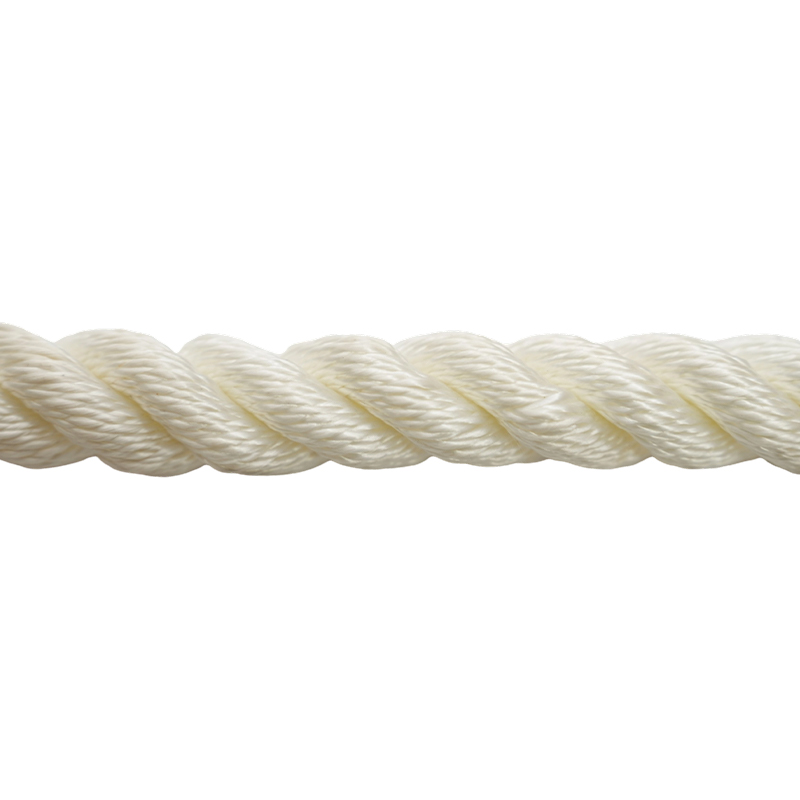 View More
3-Strand Polypropylene Multi-Filament Hawser Mooring Rope / Line
-
 View More
8-Strand Polypropylene Mono-filament Hawser Mooring Rope / Line
-
 View More
8-Strand Polypropylene Multi-filament Mooring Rope / Line
-
 View More
12-Strand Polypropylene Multi-filament Hawser Mooring Rope / Line
-
 View More
Polypropylene Multi-filament Double Braided Hawser Mooring Rope / Line
-
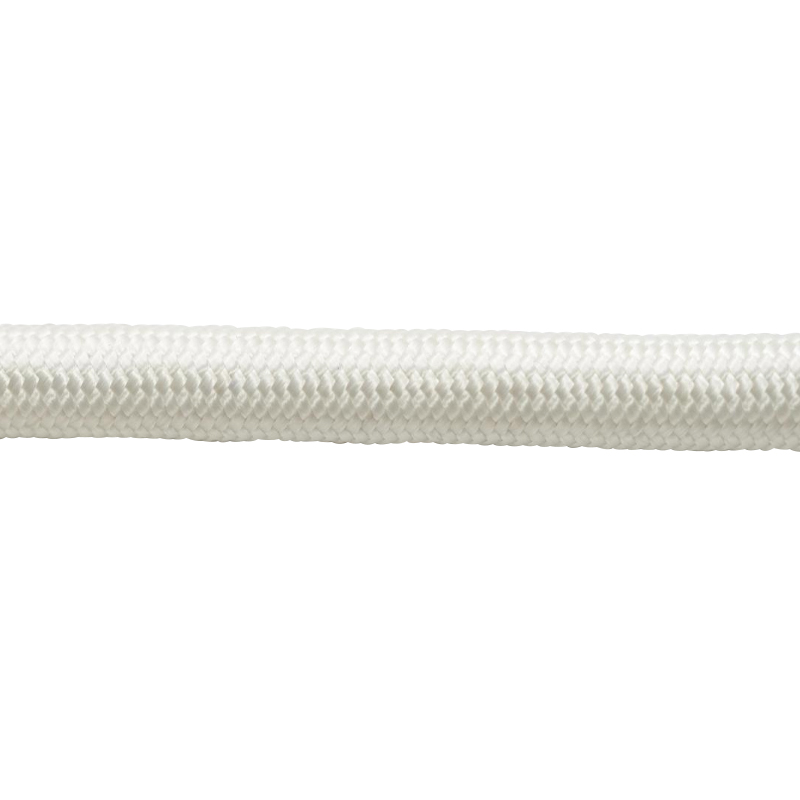 View More
Polypropylene Multi-filament Reduced Recoil Mooring Rope / Line
-
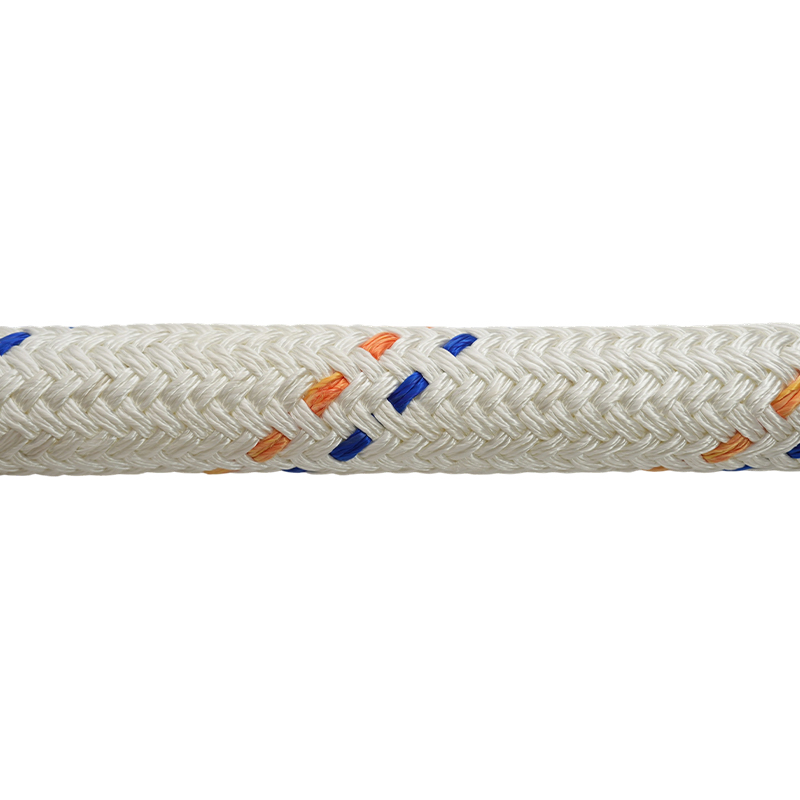 View More
Polypropylene Multi-filament Mooring Tail
-
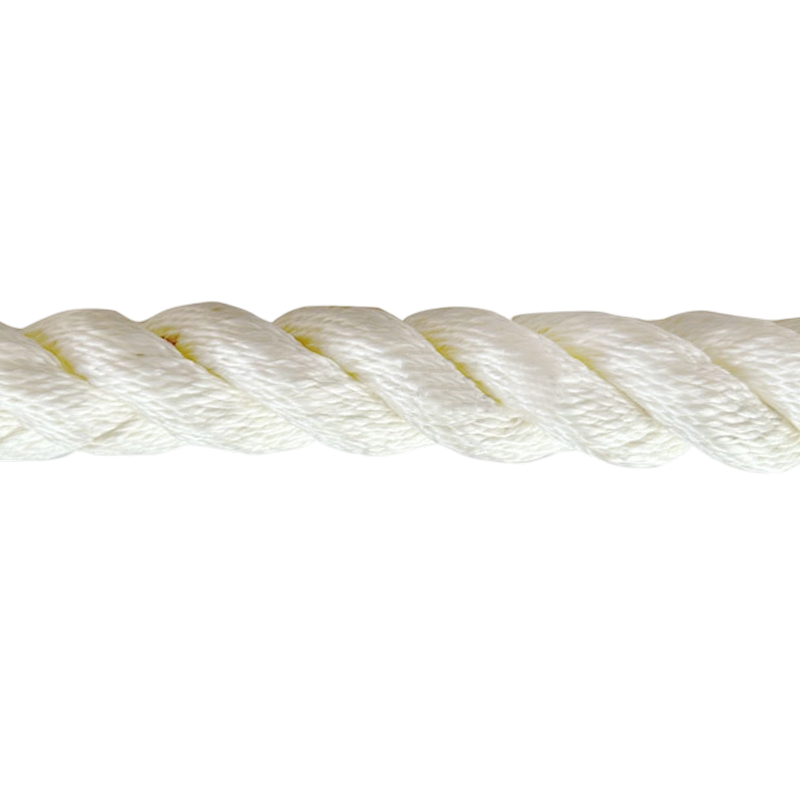 View More
3-Strand Polyester Mooring Rope / Line
-
 View More
8-Strand Polyester Hawser Mooring Rope / Line
-
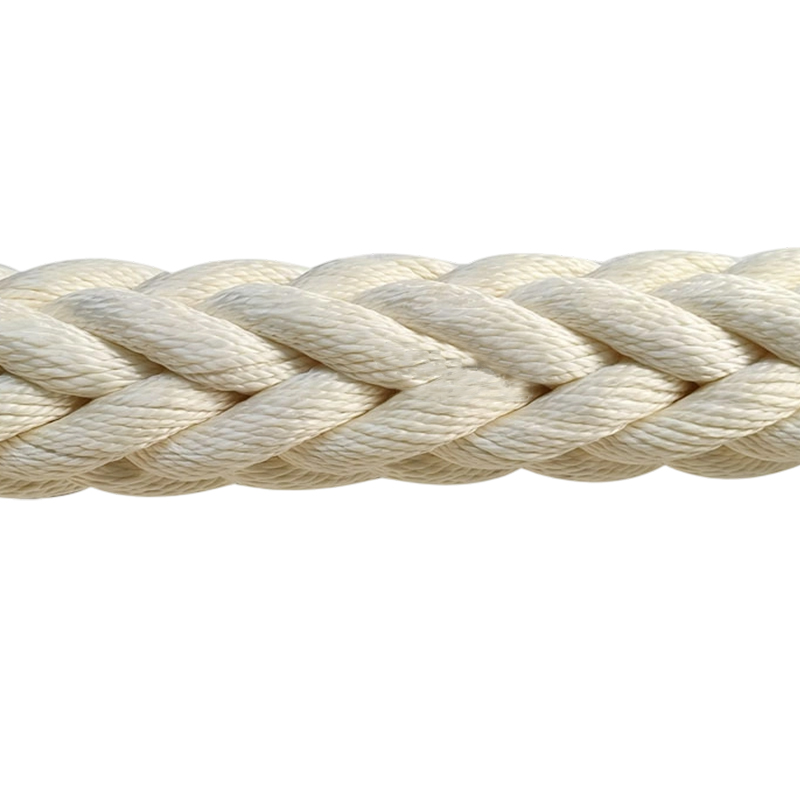 View More
12-Strand Polyester Mooring Rope / Line,Hawser
-
 View More
Polyester Double Braided Hawser Mooring Rope / Line