


 English
 Español
 عربى
عربى
Rope Sizes Guide: How to Choose the Right Mooring Rope
Content
- 1 Rope Sizes: What You Need to Know Before Buying a Mooring Rope
- 2 Understanding Rope Diameter: The Core Measurement That Drives Every Decision
- 3 Standard Rope Sizes for Mooring Rope by Vessel Length
- 4 Material Matters: How Rope Construction Affects Size Selection
- 5 Rope Construction Types and Their Effect on Sizing
- 6 How to Measure Rope Size Accurately
- 7 The Five Lines Every Vessel Needs and What Size Each Should Be
- 8 Rope Length: Getting the Reach Right for Each Mooring Situation
- 9 Chafe: The Silent Killer of Mooring Rope
- 10 Cleat Sizing Relative to Mooring Rope Diameter
- 11 How Weather and Sea State Affect Mooring Rope Size Requirements
- 12 Mooring Rope Inspection: When to Replace Based on Visible Wear
- 13 Commercial and Industrial Rope Sizes: Beyond the Marina
- 14 Caring for Mooring Rope to Preserve Its Rated Size and Strength
- 15 Common Mistakes When Choosing Mooring Rope Sizes
Rope Sizes: What You Need to Know Before Buying a Mooring Rope
Choosing the correct rope size is the single most important decision you will make when outfitting a vessel for docking or anchoring. The diameter of a mooring rope must match the load it will bear, the cleats it will pass through, and the conditions it will face. A rope that is too thin will snap under surge loads; one that is too thick will be unmanageable, difficult to coil, and slow to handle in an emergency. The rule is straightforward: match the rope size to the boat length and displacement, then verify it against the hardware specifications already installed on your vessel.
This guide covers mooring rope sizes from the smallest harbor lines used on dinghies to the large-diameter hawsers used on commercial vessels, explains the materials behind each size recommendation, and gives you the data tables you need to make a confident purchase.
Understanding Rope Diameter: The Core Measurement That Drives Every Decision
Rope size is expressed as diameter in millimetres (mm) in most of the world, and in inches in the United States. When a supplier lists a mooring rope as "16 mm" or "5/8 inch," they are referring to the outer diameter of the rope as measured across its widest point under no tension. This measurement directly determines breaking strength, weight per metre, stiffness, and compatibility with cleats, fairleads, and bollards.
It is important to understand that two ropes of identical diameter can have very different breaking strengths depending on their material and construction. A 16 mm three-strand nylon mooring rope and a 16 mm double-braid polyester rope look similar on a shelf but behave very differently under load. Always read the breaking strength and working load limit printed on the product label, not just the diameter.
Breaking Strength vs. Working Load Limit
Breaking strength is the force at which a rope fails completely under a controlled laboratory test. Working load limit (WLL) is the maximum load a rope should bear during normal use, typically calculated as breaking strength divided by a safety factor of 5 to 10. For mooring rope applications, the industry standard safety factor is 6:1, meaning a rope with a 12,000 kg breaking strength should never exceed 2,000 kg of working load. Shock loads from waves, boat surge, and wakes can momentarily exceed static load by a factor of 3 or more, which is why the safety margin exists.

Standard Rope Sizes for Mooring Rope by Vessel Length
The most widely used sizing guide for mooring rope is based on vessel overall length (LOA) and approximate displacement. The table below represents the consensus recommendations from major rope manufacturers and marine standards bodies including ISO 9554 and the Cordage Institute.
| Vessel LOA | Approximate Displacement | Recommended Rope Diameter (mm) | Recommended Rope Diameter (inches) | Minimum Breaking Strength (nylon) |
|---|---|---|---|---|
| Up to 6 m (20 ft) | Up to 1,000 kg | 8 – 10 mm | 5/16 – 3/8 in | ≥ 1,800 kg |
| 6 – 9 m (20 – 30 ft) | 1,000 – 3,000 kg | 10 – 12 mm | 3/8 – 1/2 in | ≥ 3,200 kg |
| 9 – 12 m (30 – 40 ft) | 3,000 – 7,000 kg | 12 – 16 mm | 1/2 – 5/8 in | ≥ 5,500 kg |
| 12 – 15 m (40 – 50 ft) | 7,000 – 12,000 kg | 16 – 20 mm | 5/8 – 3/4 in | ≥ 9,000 kg |
| 15 – 20 m (50 – 65 ft) | 12,000 – 25,000 kg | 20 – 24 mm | 3/4 – 1 in | ≥ 15,000 kg |
| 20 – 30 m (65 – 100 ft) | 25,000 – 60,000 kg | 24 – 32 mm | 1 – 1.25 in | ≥ 28,000 kg |
| 30 m+ (100 ft+) | 60,000 kg+ | 32 – 64 mm+ | 1.25 in+ | ≥ 55,000 kg |
These figures assume nylon three-strand or double-braid construction in normal marina conditions. If your vessel has a high windage profile — a tall superstructure, a catamaran beam, or significant freeboard — size up by one step. A 12-metre sailing yacht with a fin keel may be fine on 14 mm lines in a protected marina, but the same length motorsailer with a large flybridge should use 16 mm as the baseline.
Material Matters: How Rope Construction Affects Size Selection
Two ropes can share the same diameter but perform completely differently. When you compare rope sizes across materials, you are effectively comparing strength-to-weight ratios, elasticity, UV resistance, and abrasion tolerance. The choice of material changes which diameter you need for a given application.
Nylon – The Standard for Mooring Rope
Nylon is the most commonly specified material for mooring rope, and for good reason. It stretches approximately 15 to 25 percent at working loads, which absorbs shock energy from boat surge, passing vessel wakes, and tidal changes. A 16 mm three-strand nylon mooring rope with a breaking strength of roughly 9,000 kg will stretch nearly 2 metres over a 12-metre length before it fails — that elasticity is a safety feature, not a weakness. Nylon does absorb water, which reduces its dry breaking strength by about 10 to 15 percent when wet, so manufacturers already account for this in their wet-strength ratings.
Polyester – When Stretch Must Be Minimised
Polyester mooring rope stretches only 3 to 6 percent at working loads and is preferred in situations where precise positioning matters — alongside a fuel dock, in a tidal lock, or when using spring lines to control fore-and-aft movement in a surge-prone berth. Because polyester does not absorb water, its wet and dry breaking strengths are nearly identical. A 16 mm polyester double-braid rope typically has a breaking strength 10 to 15 percent lower than a nylon rope of the same diameter, which means you may need to go up one size (to 18 mm) when switching from nylon to polyester if you want to maintain the same safety margin.
Polypropylene – Lightweight but Limited
Polypropylene floats, which makes it useful for dinghy painters and short-term dock lines where the rope must stay on the surface to avoid propeller entanglement. However, it degrades rapidly in UV light — a polypropylene mooring rope left in direct sunlight for one season can lose 30 to 40 percent of its rated breaking strength. For permanent mooring rope installations, polypropylene is rarely the right choice regardless of size.
HMPE and Dyneema – High Performance, Smaller Diameter
High-modulus polyethylene (HMPE), sold under brand names such as Dyneema and Spectra, offers breaking strengths 8 to 15 times greater than steel wire of the same weight. In mooring applications, this means an 8 mm HMPE rope can exceed the breaking strength of a 16 mm nylon rope. HMPE mooring ropes are increasingly used on superyachts and large commercial vessels where handling large-diameter lines is a safety hazard for crew. However, HMPE has almost zero stretch, which means shock loads transfer entirely to the hardware, cleats, and bollards rather than being absorbed by the rope. Nylon snubbers or hybrid line designs are often used alongside HMPE to restore some elasticity.
Rope Construction Types and Their Effect on Sizing
Beyond material, how a rope is constructed affects its handling characteristics, chafe resistance, and compatibility with your existing deck hardware. Understanding construction types helps you choose the right size the first time.
Three-Strand Twisted
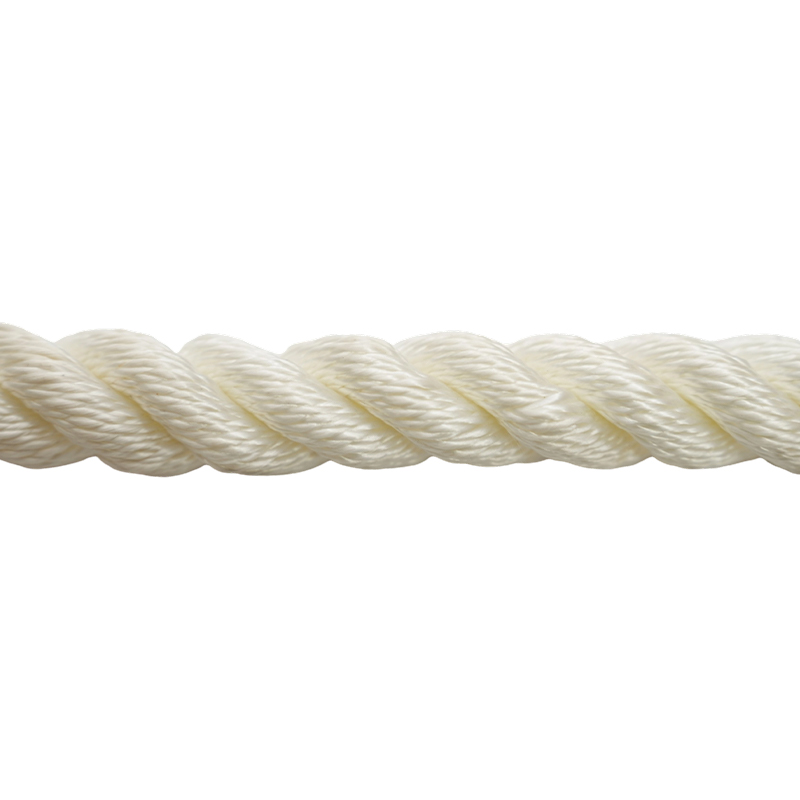
Three-strand twisted rope is the traditional construction for mooring rope. It is easy to splice, making it simple to create permanent eyes for looping over bollards. The twisted structure allows some rotation under load, which helps distribute stress. Three-strand rope is slightly less smooth than braid and can be harder on hands, but it grips cleats very well. It is the go-to choice for budget-conscious boaters and traditional vessels. Three-strand nylon in 14 mm diameter is the single most sold mooring rope configuration in European marinas.
Double-Braid (Braid-on-Braid)
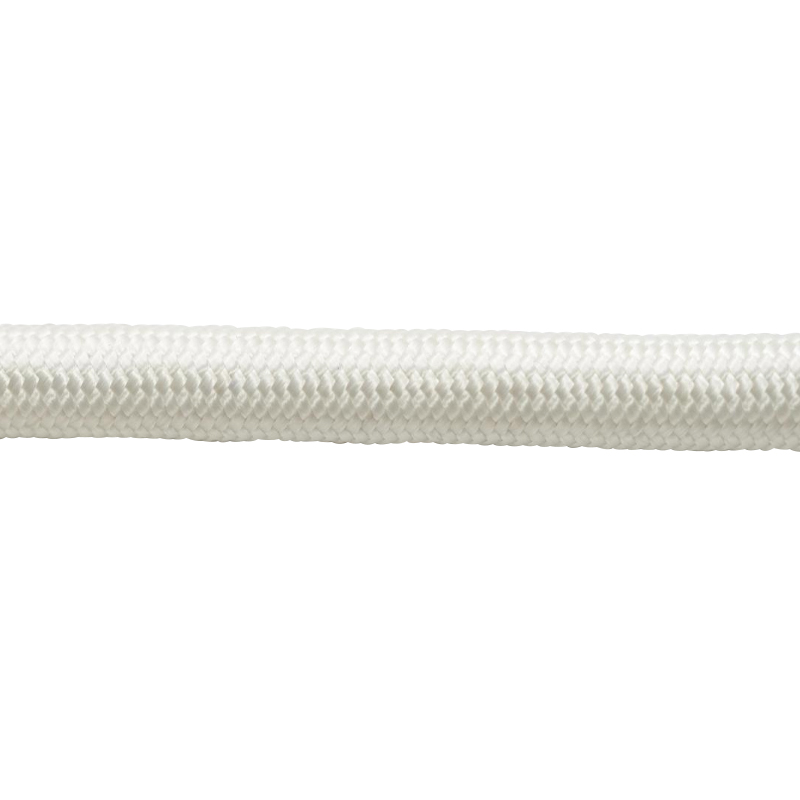
Double-braid rope has a braided core inside a braided sheath. The two components share the load, which gives the rope a rounder cross-section, greater resistance to kinking, and a smoother feel. Double-braid mooring rope runs more easily through fairleads and is less likely to tangle during a fast cast-off. The tradeoff is cost — a double-braid mooring rope typically costs 20 to 40 percent more than three-strand of the same diameter and material. Double-braid is spliced with a different technique than three-strand, and many marina users simply use a bowline rather than a splice when setting up dock lines.
Single-Braid and Kernmantle
Single-braid ropes are braided without a separate core. They are very flexible and soft, making them ideal for situations where the rope must be handled repeatedly. Kernmantle construction — a parallel core inside a braided sheath — is common in climbing and rescue ropes and occasionally used in specialised mooring applications such as elastic mooring systems. For most boating applications, three-strand and double-braid cover the vast majority of mooring rope needs.

How to Measure Rope Size Accurately
Measuring an existing mooring rope or verifying the size of a new one requires a few simple steps. Getting this right matters when you are replacing worn lines or matching a new rope to an existing set.
- Use a digital vernier calliper or a rope gauge card (available free from most chandlers). Measure the rope's outer diameter at three different points, then average the results. A rope that shows 15.8 mm, 16.1 mm, and 16.0 mm is a 16 mm rope.
- Do not measure under tension. A rope under load will appear narrower than its actual diameter because the fibres are compressed. Lay the rope flat and relaxed before measuring.
- If you only have a ruler, wrap the rope around a pencil, mark where it overlaps, unwrap it, and measure the circumference. Divide by π (3.1416) to get the diameter. A circumference of 50 mm equals a diameter of approximately 16 mm.
- Check the rope end for a label or mill mark. Quality manufacturers brand their ropes with the diameter, material, and breaking strength at the factory.
The Five Lines Every Vessel Needs and What Size Each Should Be
A properly moored vessel uses five distinct line positions. Each position has a specific job, and the size requirements can differ between them depending on the loads each line is expected to carry.
Bow Line
The bow line runs from the bow cleat forward and outward to a dock cleat or ring. It prevents the bow from swinging away from the dock. This line takes significant fore-and-aft loads in tidal conditions and should be at the upper end of the recommended size range for the vessel. For a 10-metre yacht, a 14 mm bow line is appropriate.
Stern Line
The stern line mirrors the bow line from the stern, running aft and outward to the dock. Stern lines typically carry similar loads to bow lines and should match in diameter. On twin-screw power vessels, having two stern lines — one from each quarter — allows finer adjustment when leaving the berth.
Forward and Aft Spring Lines
Spring lines run at an angle along the length of the vessel — the forward spring runs from a midship cleat aft to the dock, and the aft spring runs from a midship cleat forward to the dock. Spring lines are the primary defence against fore-and-aft movement and take the greatest surge loads when wakes from passing vessels hit the boat. They should be the same diameter as the bow and stern lines, and ideally made from nylon to provide stretch and energy absorption. For a 12-metre vessel, 16 mm nylon three-strand or double-braid spring lines are the correct specification.
Breast Lines
Breast lines run perpendicular to the vessel from bow or stern directly to the dock face. They hold the vessel close to the dock but provide little restraint against fore-and-aft movement. In many simple marina berths, breast lines replace bow and stern lines when the dock cleats are positioned directly abeam. Breast lines can be one size smaller than spring lines since they carry primarily lateral loads rather than surge loads.
Rope Length: Getting the Reach Right for Each Mooring Situation
Rope size refers to diameter, but rope length is equally important. A mooring rope that is too short forces extreme angles, concentrates load, and may fail before the rope itself reaches its rated limit. One that is too long allows excessive boat movement, increases the risk of chafe on dock edges, and creates a tripping hazard on deck.
| Vessel LOA | Bow / Stern Line Length | Spring Line Length | Breast Line Length |
|---|---|---|---|
| Up to 8 m | 6 – 8 m | 8 – 10 m | 3 – 4 m |
| 8 – 12 m | 8 – 12 m | 12 – 15 m | 4 – 6 m |
| 12 – 18 m | 12 – 18 m | 15 – 20 m | 5 – 8 m |
| 18 – 25 m | 18 – 25 m | 20 – 30 m | 6 – 10 m |
Always carry at least one extra dock line 50 percent longer than your standard bow and stern lines. Unfamiliar harbours, wider finger pontoons, and Mediterranean-style stern-to mooring all demand longer reach than a typical home berth. Running out of rope length in an unfamiliar port at night is a situation best avoided by carrying a spare.
Chafe: The Silent Killer of Mooring Rope
A mooring rope does not fail only from overload. Chafe — the grinding of rope fibres against dock edges, fairleads, chain plates, and cleats — destroys ropes far more often than load alone. Studies of mooring accidents show that a significant majority involve rope failures caused by chafe rather than pure tensile overload. A 16 mm nylon mooring rope with a rated breaking strength of 9,500 kg can be reduced to failure strength in as little as 12 hours if it is running over a rough concrete dock edge without protection.
Chafe Guards and Their Sizing
Chafe guards are protective sleeves slipped over mooring rope at any point where it contacts a hard surface. They are made from leather, split hose, reinforced nylon fabric, or spiral-wound plastic tubing. The guard must fit snugly over the rope — a chafe guard designed for 16 mm rope will slide along the length of a 12 mm rope during tidal movement and provide no protection where it is needed. Always match chafe guard inner diameter to your mooring rope diameter.
- Leather chafe guards: traditional, durable, effective. Soak in linseed oil annually to maintain flexibility. Best suited for rope diameters from 10 mm to 24 mm.
- Split hose chafe guards: made from garden hose or specific marine hose, zip-tied in place. Inexpensive and effective but can trap moisture, accelerating internal rope degradation.
- Spiral plastic guards: lightweight, easy to fit, cover long sections of rope. Less durable than leather or hose over sharp corners.
Fairlead Compatibility with Rope Sizes
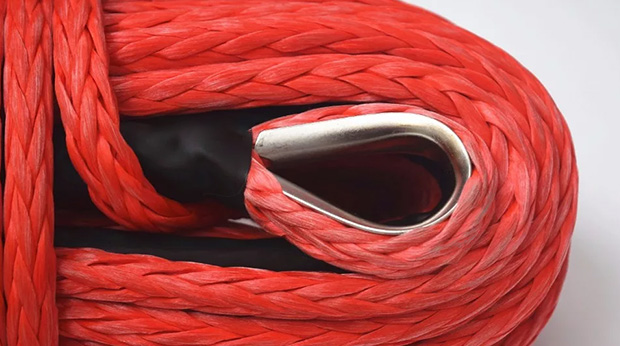
Fairleads and bow rollers are sized for a range of rope diameters. Check the manufacturer's specification for your fairlead before increasing rope size. Most bow rollers designed for 12 mm anchor chain will accept a mooring rope up to 20 mm diameter, but a heavily corroded or incorrectly sized roller can chafe through a rope in a single tidal cycle. The opening width of a fairlead should be at least 1.5 times the diameter of the mooring rope passing through it. For a 16 mm rope, the minimum fairlead opening is 24 mm.
Cleat Sizing Relative to Mooring Rope Diameter
Cleats must be large enough to accept the mooring rope and hold it securely without the rope jamming under load. The standard sizing rule is that cleat length should be eight to ten times the rope diameter. A 16 mm mooring rope requires a cleat at least 128 mm to 160 mm long. Undersized cleats cause the rope to pile up on itself under load, making it impossible to release quickly and creating dangerous pressure points that can split the cleat from the deck.
| Rope Diameter | Minimum Cleat Length (8× rule) | Recommended Cleat Length (10× rule) |
|---|---|---|
| 8 mm | 64 mm | 80 mm |
| 10 mm | 80 mm | 100 mm |
| 12 mm | 96 mm | 120 mm |
| 14 mm | 112 mm | 140 mm |
| 16 mm | 128 mm | 160 mm |
| 20 mm | 160 mm | 200 mm |
| 24 mm | 192 mm | 240 mm |
How Weather and Sea State Affect Mooring Rope Size Requirements
The rope size recommendations given earlier assume moderate, sheltered marina conditions. Exposed anchorages, tidal harbours, and storm mooring situations all demand a reassessment of rope size. Here is how environmental factors change the calculation.
Wind Speed and Dynamic Load
Wind load on a moored vessel increases with the square of wind speed. At 20 knots, a 10-metre sailing yacht with moderate windage might generate 80 kg of static lateral load. At 40 knots, the same boat generates approximately 320 kg of static lateral load — four times as much. Add the dynamic component from gusts and the load can momentarily reach 800 to 1,000 kg. For vessels planning to ride out winds above 30 knots in harbour, increase mooring rope diameter by at least one size and double the number of lines. A boat normally using four 12 mm lines should switch to six 14 mm or 16 mm lines before a gale.
Tidal Range and Line Angle
In high-tidal-range ports — such as those along the Atlantic coast of France, the UK Bristol Channel, or the Bay of Fundy in Canada where tidal ranges can exceed 10 metres — mooring ropes must be long enough to accommodate the full range of water levels without pulling taut or dragging the vessel onto the dock. A mooring rope under a steep downward angle has significantly reduced effective breaking strength because the load is shared between its horizontal and vertical components rather than acting purely in the rope's long axis. When the angle exceeds 45 degrees, the effective strength can drop to as low as 70 percent of the rated figure. Use longer lines, not just stronger ones, to keep angles shallow in tidal berths.
Temperature and Rope Performance
Nylon mooring rope loses about 15 percent of its strength at temperatures above 80°C and gains brittleness at temperatures below −20°C. For most marine applications in temperate and tropical waters, temperature is not a limiting factor. However, vessels moored in sub-Arctic harbours during winter should use polyester rather than nylon, as polyester retains its properties more consistently at low temperatures. When rope is frozen and then shock-loaded, both nylon and polyester can fail at loads well below their rated capacity.
Mooring Rope Inspection: When to Replace Based on Visible Wear
No mooring rope should be used indefinitely. Even the correct size, correctly maintained, has a finite service life. Here are the signs that indicate a rope needs replacement regardless of its diameter or age.
- Visible fibre breakage: When individual fibres in a three-strand rope or the outer sheath of a braid are broken and fuzzy rather than smooth, the rope has lost a measurable percentage of its strength. A rope that feels rough and looks hairy at fairlead contact points has already been weakened.
- Core damage in double-braid: Squeeze a double-braid mooring rope between thumb and forefinger along its length. If you feel lumps, gaps, or soft spots, the load-bearing core is damaged. The outer sheath may look fine, but the rope's strength is compromised.
- Significant diameter loss: A rope that measures 13 mm where it once measured 16 mm has lost substantial cross-sectional area through wear. Replace it. The strength loss is proportional to the square of the diameter reduction — a 16 mm rope worn to 13 mm has retained only about 66 percent of its original area.
- UV discolouration: Nylon and polyester turn chalky white or grey-brown with prolonged UV exposure. While surface discolouration alone is not grounds for immediate replacement, it indicates the outer fibres have degraded and the rope should be inspected carefully for underlying weakness.
- Persistent kinks or deformations: A rope that retains a corkscrew twist or a hard kink when laid flat has been stressed beyond its elastic limit at that point. Cut out the damaged section or replace the rope entirely.
- Chemical contamination: Fuel oil, battery acid, bleach, and certain cleaning products attack synthetic rope fibres. A mooring rope that has been soaked in fuel should be tested by bending sharply; if the fibres crack rather than flex, the rope is dangerously weakened and must be replaced.
As a general rule, replace working mooring ropes every 3 to 5 years for recreational vessels in average use, and every 1 to 2 years for vessels in continuous commercial service or frequently exposed to harsh conditions. This is not conservative — it is the replacement interval recommended by most marine safety authorities.
Commercial and Industrial Rope Sizes: Beyond the Marina
Commercial vessels, offshore platforms, and port infrastructure use mooring rope sizes that dwarf those discussed above. Understanding the commercial scale gives useful context for why the standards are as they are and what happens when mooring systems are taken to extremes.
Large Commercial Vessel Hawsers
Large container ships and tankers use mooring ropes — properly called hawsers at this scale — ranging from 64 mm to 120 mm in diameter. A 96 mm nylon mooring hawser weighs approximately 7 kg per metre, meaning a 200-metre coil weighs 1,400 kg. These ropes are not handled by hand; they require capstans, winches, and shore-based mooring teams. Breaking strengths for commercial hawsers range from 200,000 kg upward. The largest HMPE mooring ropes used on supertankers have breaking strengths exceeding 2,000,000 kg in diameters of just 80 mm — a demonstration of how material choice changes the entire size conversation.
Offshore Mooring and Anchor Lines
Floating production storage and offloading (FPSO) vessels and semi-submersible platforms use permanent mooring systems with anchor legs that may include fibre rope sections of 100 mm to 200 mm diameter, tens of metres long, connecting chain at the top and bottom. These ropes must withstand wave heights of 15 to 30 metres and currents of several knots continuously for years without replacement. They are designed to Lloyd's Register, DNV, or Bureau Veritas standards that specify minimum breaking strengths, creep limits, fatigue life, and environmental resistance.
Caring for Mooring Rope to Preserve Its Rated Size and Strength
A mooring rope that is correctly sized but poorly maintained will underperform and fail earlier than its rated service life. These practices extend the useful life of any mooring rope regardless of its diameter.
- Rinse ropes with fresh water after exposure to salt water. Salt crystals are abrasive and will grind fibre against fibre from the inside of the rope as it flexes. A ten-minute fresh water rinse after each sail dramatically extends rope life.
- Coil mooring ropes loosely and store them off the deck in ventilated bags or rope bags. Leaving a nylon rope coiled tightly and exposed to UV for a summer season is equivalent to roughly one to two years of working wear.
- Rotate the position of lines periodically. The section of mooring rope that passes through the fairlead bears far more wear than the rest of the line. By reversing the rope end-for-end, you move the worn section to the dock end where it spends most of its time slack, and put a fresh section at the fairlead contact point.
- Never step on ropes, drive a dock trolley over them, or allow them to be pinched by mooring rings. Ground-in grit from being walked on is as damaging as abrasion on a fairlead.
- Wash heavily soiled ropes in a washing machine on a cold, gentle cycle in a mesh laundry bag with no detergent or a rope-specific cleaner. This removes deeply embedded grit without attacking the fibre chemistry. Do not tumble dry — air dry only.
Common Mistakes When Choosing Mooring Rope Sizes
Even experienced boaters make predictable errors when specifying mooring rope. Avoiding these saves money, prevents equipment damage, and keeps the vessel safe.
Buying on Price Alone
The cheapest mooring rope at the chandler may be a lower grade of the same nominal diameter. Manufacturing tolerances on budget rope can vary by ±2 mm, meaning a rope sold as 16 mm may actually measure 14 mm at its narrowest point. Certified ropes from reputable manufacturers — marked with CE or equivalent certification — are tested to the diameter stated on the label. Saving €15 on a mooring rope that fails and allows a €50,000 boat to drift into a marina wall is not a saving.
Using Different Diameters for Matched Lines
When two spring lines, or a bow and stern line pair, are different diameters, they will not share load equally. The stiffer, larger rope will take more load and the smaller rope less — until the larger rope reaches its limit and the system re-distributes load, possibly causing a rapid cascade failure. Buy matched sets for any lines that work in parallel.
Ignoring Knot Strength Reduction
Every knot reduces the breaking strength of a rope. A bowline tied in a 16 mm nylon rope reduces breaking strength by approximately 30 to 40 percent. A clove hitch reduces it by 40 to 50 percent. Spliced eyes, by contrast, retain 85 to 95 percent of a rope's rated breaking strength — which is why serious mooring installations use spliced ends rather than tied knots at the cleat and bollard ends. If you use knots rather than splices, account for the strength reduction in your size selection.
Confusing Diameter with Circumference in Older Rope Catalogues
Older rope catalogues and some traditional chandlers still express rope size in circumference rather than diameter. A 2-inch circumference rope is not a 2-inch diameter rope — it is approximately a 16 mm (5/8 inch) diameter rope. If you are comparing specifications from different sources and the sizes do not seem to match, check whether the older source is using circumference. Divide the circumference figure by π to get the diameter.
PREV:Rope for Boating: How to Choose the Right Mooring Rope
NEXT:Thickness of Rope: How to Choose the Right Mooring Rope Size
NEXT:Thickness of Rope: How to Choose the Right Mooring Rope Size
Related Products
-
 View More
3-Strand Polypropylene Mono-filament Mooring Rope / Line
-
 View More
3-Strand Polypropylene Multi-Filament Hawser Mooring Rope / Line
-
 View More
8-Strand Polypropylene Mono-filament Hawser Mooring Rope / Line
-
 View More
8-Strand Polypropylene Multi-filament Mooring Rope / Line
-
 View More
12-Strand Polypropylene Multi-filament Hawser Mooring Rope / Line
-
 View More
Polypropylene Multi-filament Double Braided Hawser Mooring Rope / Line
-
 View More
Polypropylene Multi-filament Reduced Recoil Mooring Rope / Line
-
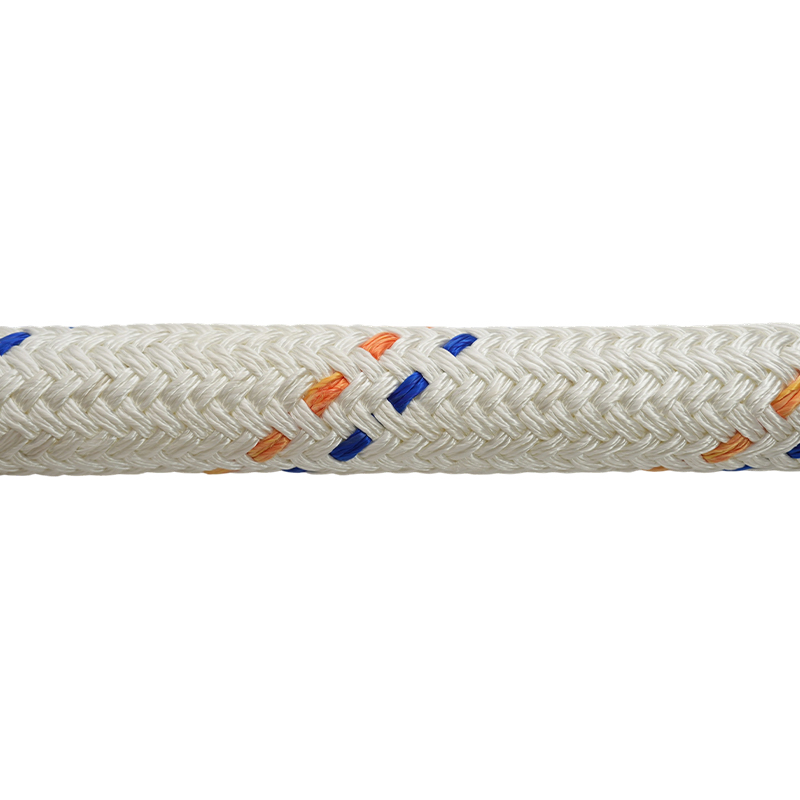 View More
Polypropylene Multi-filament Mooring Tail
-
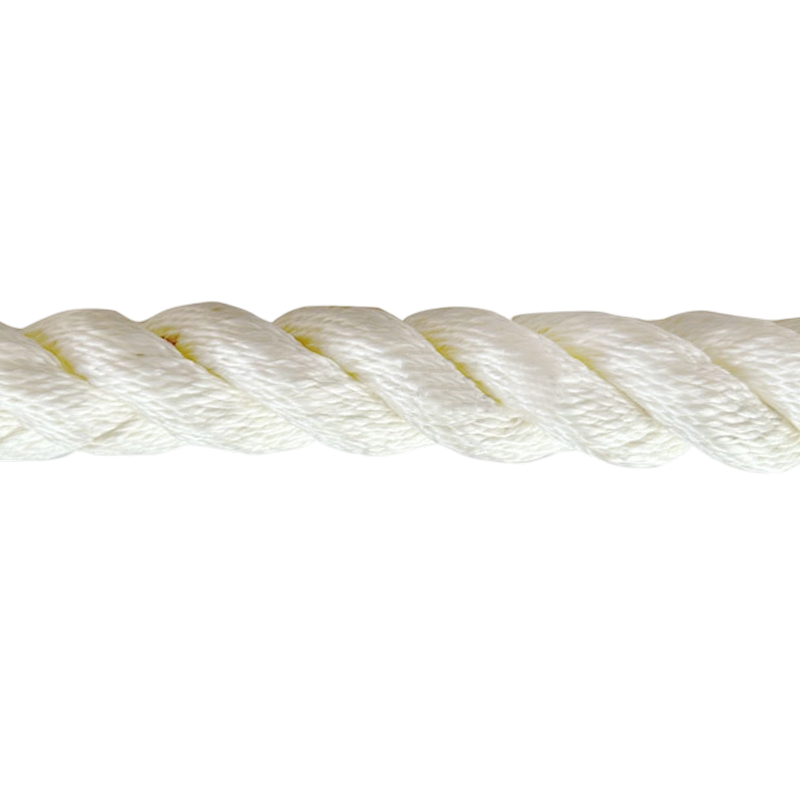 View More
3-Strand Polyester Mooring Rope / Line
-
 View More
8-Strand Polyester Hawser Mooring Rope / Line
-
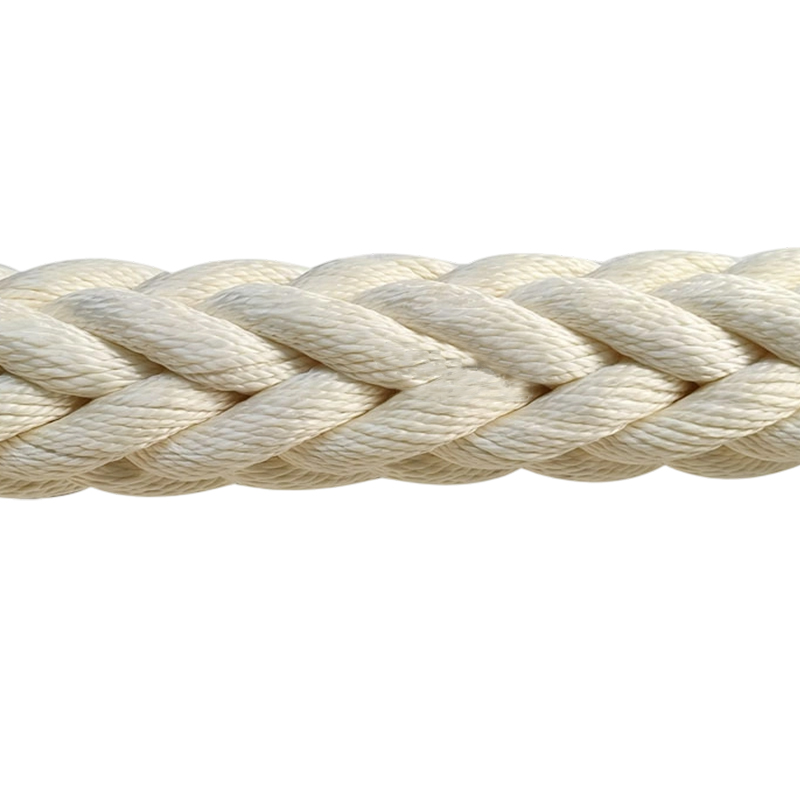 View More
12-Strand Polyester Mooring Rope / Line,Hawser
-
 View More
Polyester Double Braided Hawser Mooring Rope / Line