


 English
 Español
 عربى
عربى
Thickness of Rope: How to Choose the Right Mooring Rope Size
Content
- 1 The Short Answer: Rope Thickness Determines Load Capacity and Safety
- 2 Why Thickness of Rope Matters More Than Most Mariners Realize
- 3 Mooring Rope Diameter by Vessel Size: A Practical Reference
- 4 How Rope Material Interacts with Thickness Selection
- 5 Construction Type and Its Effect on Effective Rope Thickness
- 6 Calculating the Required Thickness for Your Mooring Rope
- 7 Mooring Rope Thickness in Commercial and Offshore Applications
- 8 Common Mistakes When Choosing Mooring Rope Thickness
- 9 Environmental Factors That Influence Rope Diameter Requirements
- 10 Inspection, Retirement, and Rope Diameter Over Time
- 11 Handling Characteristics and the Practical Upper Limit of Rope Thickness
- 12 Summary: Key Principles for Selecting Mooring Rope Thickness
The Short Answer: Rope Thickness Determines Load Capacity and Safety
When it comes to mooring rope, thickness is not just a spec on a label — it directly determines how much load the rope can handle, how long it will last, and whether it is safe for your vessel. A mooring rope that is too thin will snap under surge loads; one that is too thick wastes money and is unnecessarily difficult to handle. The correct diameter depends on your vessel's displacement, the mooring environment, and the rope material.
For most recreational boats in the 6–10 meter range, a mooring rope with a diameter between 12 mm and 16 mm is standard. Larger vessels — commercial ships, ferries, offshore platforms — can require mooring lines ranging from 40 mm up to 120 mm or beyond. Getting this number right is not optional; it is the foundation of safe mooring practice.
Why Thickness of Rope Matters More Than Most Mariners Realize
The thickness of rope — formally referred to as its nominal diameter — governs three critical performance factors: breaking load, elongation behavior, and abrasion resistance. These three factors combine to determine whether your mooring rope survives a storm, a strong tidal surge, or years of continuous exposure to salt water and UV radiation.
Breaking Load Scales with the Square of Diameter
Breaking load does not increase linearly with diameter — it scales approximately with the square of the rope's cross-sectional area. In practical terms, doubling the diameter of a mooring rope roughly quadruples its breaking strength, assuming the same material and construction. A 12 mm polyester 3-strand mooring rope typically has a minimum breaking load (MBL) of around 8–10 kN, while a 24 mm rope of the same construction can reach 35–40 kN. This is why even a small miscalculation in rope diameter can have catastrophic consequences in high-load mooring situations.
Elongation and Shock Absorption
Thicker ropes — particularly those made from nylon — store more elastic energy. This is actually a desirable property in mooring applications because it allows the rope to absorb the shock loads created by wave action, wind gusts, or vessel movement. A thicker nylon mooring rope will stretch and recover, reducing the peak force transmitted to cleats, bollards, and deck fittings. A rope that is too thin for its application will either snap during a surge or transmit damaging shock loads to the vessel's hardware.
Abrasion Resistance at Chafe Points
Every mooring line passes over or through a fairlead, chock, or cleat. At these contact points, the rope experiences constant friction. A thicker rope has more material to wear through before its structural integrity is compromised. In high-chafe environments — rocky quaysides, steel fairleads, rough concrete surfaces — a mooring rope that is undersized in diameter may be rendered unsafe in a fraction of the time compared to a correctly sized line.

Mooring Rope Diameter by Vessel Size: A Practical Reference
The table below provides a practical starting point for selecting mooring rope thickness based on vessel length and displacement. These figures are drawn from common industry practice and the guidelines published by rope manufacturers such as Marlow Ropes, Samson, and Bainbridge International. Always cross-reference with the vessel's own mooring equipment rating and local port authority requirements.
| Vessel Length (m) | Approximate Displacement (tonnes) | Recommended Mooring Rope Diameter (mm) | Typical Material |
|---|---|---|---|
| Up to 8 m | Up to 3 | 8 – 12 | Nylon 3-strand |
| 8 – 12 m | 3 – 10 | 12 – 16 | Nylon or polyester 3-strand |
| 12 – 20 m | 10 – 30 | 16 – 24 | Polyester double-braid |
| 20 – 40 m | 30 – 200 | 24 – 40 | Polyester or nylon 8-strand |
| 40 – 100 m (commercial) | 200 – 3,000 | 40 – 80 | Polypropylene, HMPE blend, or polyester |
| 100 m+ (large vessels / tankers) | 3,000+ | 80 – 120+ | HMPE, polyester 8-strand, or wire-rope hybrid |
How Rope Material Interacts with Thickness Selection
Rope material changes the relationship between thickness and performance significantly. Two mooring ropes of identical diameter can have vastly different breaking loads, stretch characteristics, and service lives depending on their fiber composition. Understanding this interaction is essential before settling on a specific diameter.
Nylon Mooring Rope
Nylon is the traditional choice for mooring lines in recreational and light commercial applications. It stretches 15–30% under working loads, which provides excellent shock absorption. However, nylon loses approximately 15–20% of its dry breaking strength when wet — a fact that must be factored into diameter selection. A 16 mm nylon 3-strand mooring rope with a dry MBL of 22 kN will perform closer to 18–19 kN in service. Choose a slightly larger diameter if using nylon in exposed anchorages or tidal berths where loads are unpredictable.
Polyester Mooring Rope
Polyester retains its strength when wet, making it preferable for permanent mooring arrangements. It stretches less than nylon — typically 5–10% — which means shock loads are transmitted more directly to fittings. When using polyester mooring rope in surge-prone locations, a larger diameter or the addition of a nylon snubber is recommended to compensate for the reduced elasticity. Polyester double-braid in 20 mm diameter typically achieves an MBL of around 30–35 kN.
HMPE (High-Modulus Polyethylene) Mooring Rope
HMPE fiber — sold under brand names such as Dyneema and Spectra — delivers extraordinary strength-to-weight ratios. A 20 mm HMPE mooring rope can have an MBL exceeding 200 kN, far beyond what nylon or polyester of the same diameter can achieve. This means that when switching from conventional rope to HMPE, you can often reduce diameter significantly while maintaining or improving safety margins. However, HMPE has very low elongation (less than 3%), so shock load management must be addressed through other means — typically using nylon tails or spring lines.
Polypropylene Mooring Rope
Polypropylene is lightweight, floats on water, and is resistant to rot and mildew. However, it degrades faster under UV exposure than polyester or nylon and has lower breaking strength per millimeter of diameter. For polypropylene mooring rope, select a diameter one size up from what you would choose in polyester to maintain comparable strength. It is rarely the first choice for primary mooring lines but is common as a secondary or backup line.
Construction Type and Its Effect on Effective Rope Thickness
Two ropes with the same nominal diameter but different constructions will have different effective performance characteristics. Understanding rope construction prevents the mistake of assuming all 16 mm mooring ropes are interchangeable.
- 3-Strand Laid Rope: Classic construction, easy to splice, moderate strength. The helical twist means the rope cross-section is not fully packed with fiber, so effective strength per mm of diameter is lower than braid constructions. A 16 mm 3-strand nylon mooring rope typically achieves 18–22 kN MBL.
- 8-Strand Plaited Rope: More fiber-dense than 3-strand, handles well on winches, and resists hockles. An 8-strand 16 mm polyester mooring rope may achieve 24–28 kN MBL, a noticeable improvement over 3-strand of the same diameter.
- Double-Braid (Braid-on-Braid): A woven core inside a woven cover. Load is shared between both layers, resulting in high strength, excellent abrasion resistance, and a smooth surface for working through fairleads. A 16 mm double-braid polyester mooring rope routinely exceeds 30 kN MBL.
- Kernmantle Construction: A parallel fiber core (kern) inside a braided sheath (mantle). Common in HMPE mooring ropes. The core carries the primary load; the sheath provides protection. This construction maximizes strength per unit of diameter.
When comparing rope options, always compare MBL values from manufacturer datasheets rather than relying solely on diameter. A 14 mm double-braid polyester mooring rope may outperform a 16 mm 3-strand nylon rope in outright breaking strength, even though it is nominally thinner.

Calculating the Required Thickness for Your Mooring Rope
Rather than guessing, the required mooring rope diameter can be approximated systematically. The process involves estimating the maximum mooring load, applying an appropriate safety factor, and matching the result against manufacturer MBL tables.
Step 1: Estimate Maximum Mooring Load
Maximum mooring load depends on wind force, current force, and wave surge. A simplified approach used by many harbor masters and naval architects is to calculate mooring load based on vessel displacement and wind speed. For a 10-tonne displacement vessel in winds up to 35 knots (a common design condition for marina berths), the total mooring load can reach 15–25 kN depending on vessel windage profile. Bluff-bowed motor cruisers present more windage than narrow-beamed sailing yachts of the same displacement.
Step 2: Distribute Load Across Mooring Lines
A standard mooring arrangement for a 10–15 m vessel uses four to six lines: two breast lines, two spring lines, and optionally two head or stern lines. In practice, load is not evenly distributed — in a beam wind, the two windward lines may carry the majority of the load. It is conservative and correct to assume that any single mooring rope may need to carry 50–70% of the total mooring load in a worst-case scenario.
Step 3: Apply a Safety Factor
Industry practice recommends a safety factor of 6:1 for mooring ropes in recreational applications — meaning the rope's MBL should be at least six times the expected working load. This accounts for degradation over time, knot strength reduction (which can reduce rope strength by 30–50%), wet strength loss in nylon, and unexpected surge loads. For commercial or offshore mooring applications, safety factors of 4:1 to 5:1 may be used in conjunction with more rigorous load calculations.
Step 4: Match to Manufacturer Data
With your required MBL calculated, consult the manufacturer's rope specification table for the material and construction you intend to use. Select the smallest diameter that meets or exceeds the required MBL. This approach avoids both undersizing (dangerous) and gross oversizing (expensive, harder to handle, and harder to stow).
Mooring Rope Thickness in Commercial and Offshore Applications
Commercial port operations and offshore mooring systems operate at a scale where rope thickness selection is governed by formal engineering standards rather than rules of thumb. The International Maritime Organization (IMO) and the Oil Companies International Marine Forum (OCIMF) publish detailed guidelines for mooring equipment selection on tankers, bulk carriers, and offshore installations.
OCIMF's Mooring Equipment Guidelines (MEG4) specify that mooring ropes for large vessels should be assessed based on the vessel's mooring equipment index, which accounts for displacement, windage area, and the number and configuration of mooring points. For a Very Large Crude Carrier (VLCC) with a displacement exceeding 300,000 tonnes, mooring rope diameters of 96–120 mm in polyester 8-strand construction — with MBLs in the range of 1,500–2,000 kN — are standard. Each of these ropes can weigh over 10 kg per meter of length, underscoring the importance of winch capacity and deck hardware rated to handle the rope's mass in addition to its tension.
In offshore mooring systems — for floating production storage and offloading (FPSO) units or semi-submersibles — HMPE synthetic fiber ropes in diameters of 80–150 mm replace wire rope in many modern installations. The weight savings are enormous: a 100 mm HMPE mooring rope weighs roughly 4–5 kg/m compared to 30–40 kg/m for a steel wire rope of equivalent breaking strength. This weight reduction significantly decreases the catenary sag in the mooring lines, improving the station-keeping performance of the floating structure.
Common Mistakes When Choosing Mooring Rope Thickness
Errors in rope diameter selection are more common than they should be. These are the most frequently observed mistakes, along with their consequences:
- Choosing diameter based on what fits the cleat: A rope that wraps neatly around a cleat is not necessarily the right diameter for the load. Many cleats are oversized for aesthetic reasons. Always calculate load requirements first, then check hardware compatibility.
- Ignoring knot strength reduction: Tying a bowline or clove hitch reduces effective rope strength by 30–50%. A 16 mm nylon mooring rope with an MBL of 20 kN may perform at only 10–14 kN at the knot. Use spliced eyes wherever possible, or account for this reduction when sizing rope.
- Using old rope without re-evaluating diameter: Rope loses strength as it ages. UV degradation, chafe, and repeated loading cycles reduce MBL over time. A 16 mm polyester mooring rope that started with an MBL of 30 kN may be operating at 18–20 kN after three years of heavy use. The original diameter is no longer adequate if the original sizing was marginal.
- Mixing rope diameters in a mooring system: When two mooring lines of different diameters are rigged in parallel, the thicker, stiffer line takes the majority of the load. This can overload one rope while the other remains slack. Keep rope diameters consistent across a mooring arrangement.
- Confusing circumference with diameter: Some older rope specifications state circumference rather than diameter. A rope with a circumference of 50 mm has a diameter of approximately 16 mm (circumference ÷ π). Confusing these two measurements leads to serious undersizing errors.

Environmental Factors That Influence Rope Diameter Requirements
The mooring environment itself modifies the required rope thickness. A rope correctly sized for a sheltered marina may be dangerously undersized for an exposed commercial berth, a tidal estuary, or an offshore installation.
Tidal Range
In ports with a large tidal range — such as the Bristol Channel, where tidal range exceeds 12 meters — mooring lines must be long enough to accommodate the full range of water levels without becoming dangerously taut or slack. Longer mooring lines at steeper angles develop higher tension for the same vessel displacement and wind load. In these environments, it is common practice to increase mooring rope diameter by one size over the minimum calculated requirement.
Wave Surge and Swell
Wave surge generates dynamic, repetitive loading cycles that are far more damaging than static load. In surge-exposed berths, the mooring rope must be sized not just for peak load, but for fatigue resistance over thousands of load cycles. Nylon mooring rope handles surge better than polyester due to its higher elongation, but must be sized with its wet-strength reduction in mind. In surge conditions, a practical guideline is to increase the calculated minimum rope diameter by 20–25%.
Temperature Extremes
In Arctic or sub-Arctic mooring environments, synthetic rope fibers stiffen at low temperatures, reducing their ability to absorb shock loads. Nylon becomes measurably stiffer below -10°C, and its elongation characteristics change. In these conditions, a larger rope diameter provides a larger energy absorption buffer. Conversely, in tropical climates, accelerated UV degradation requires more frequent replacement schedules and may justify selecting a larger diameter to extend service life.
Chafe Points and Hardware Radius
The ratio of rope diameter to the radius of the surface it bends around — known as the D/d ratio — affects both strength retention and service life. Industry guidelines generally recommend a minimum D/d ratio of 4:1, meaning a 16 mm mooring rope should not pass around any surface with a radius smaller than 64 mm. When hardware has tight radii — such as older narrow fairleads — a slightly thinner rope may be preferable to maintain an adequate D/d ratio, provided it still meets load requirements. In such cases, the rope specification must be reviewed holistically rather than by diameter alone.
Inspection, Retirement, and Rope Diameter Over Time
The physical diameter of a mooring rope changes over its service life — and measuring this change is one of the most useful inspection techniques available to mariners and port operators.
A rope that has lost 10% or more of its original diameter at any point should be treated with extreme caution. Diameter reduction indicates that fibers have broken, migrated, or been abraded away. A simple go/no-go criterion used by many professional riggers is: if the rope has reduced in diameter by more than 5–10% from its original specification, retire it from primary mooring duty. Measure with a calibrated caliper at multiple points along the rope, paying particular attention to areas that pass through fairleads and chocks, where chafe is concentrated.
Alongside diameter measurement, inspect for these defects:
- Hard spots or stiff sections, which indicate internal fiber damage or contamination
- Soft spots, which may indicate broken core fibers in a double-braid construction
- Discoloration or glazing, which indicates heat damage from friction
- Powdering on nylon or polyester ropes, indicating UV degradation of surface fibers
- Visible broken yarns or filaments on the rope surface
Commercial operators — ferry services, offshore supply vessels, tanker terminals — typically follow documented inspection intervals. Many use a combination of visual inspection, diameter measurement, and periodic destructive testing of retired rope samples to build a database of how quickly ropes degrade in their specific operating environment. This data informs both replacement schedules and diameter selection for future purchases.

Handling Characteristics and the Practical Upper Limit of Rope Thickness
Selecting a very large diameter mooring rope is not always the safest choice. Beyond a certain point, rope thickness creates practical handling problems that introduce their own risks.
A 32 mm mooring rope is significantly harder for a single person to handle, coil, throw, and secure than a 20 mm rope. This is relevant because mooring operations — particularly in commercial ferry or ro-ro operations — must be completed quickly and often in poor weather. A rope that is too heavy or stiff for the crew to handle efficiently can lead to missed catches, dropped lines, and unsafe situations at the berth.
For situations where high strength is needed without excessive rope mass, HMPE mooring ropes offer the practical solution: a 20 mm HMPE rope may deliver strength equivalent to a 40 mm polyester rope at a fraction of the weight. Weight per meter for 20 mm HMPE is typically 0.2–0.3 kg/m versus 1.0–1.2 kg/m for 40 mm polyester. This makes HMPE an increasingly standard choice for high-load mooring applications where handling efficiency is a priority.
Additionally, very thick ropes may not fit through the fairleads and mooring hardware already installed on a vessel. Before specifying a larger diameter mooring rope, confirm that existing cleats, bitts, fairleads, and winch drums are rated for and physically capable of accommodating the new diameter.
Summary: Key Principles for Selecting Mooring Rope Thickness
Selecting the correct thickness of rope for mooring is a decision grounded in engineering, not habit or convenience. These principles summarize the approach:
- Calculate before you choose. Estimate maximum mooring load, distribute it across your mooring arrangement, apply a safety factor of 6:1 for recreational use, and match to manufacturer MBL data.
- Match material and construction to environment. Nylon for shock absorption in surge-exposed berths; polyester for permanent, low-stretch applications; HMPE where high strength with low weight is the priority.
- Account for real-world strength reductions. Wet strength loss in nylon, knot strength reduction, UV degradation, and mechanical wear all reduce the effective performance of a mooring rope below its catalogue MBL.
- Inspect regularly and measure diameter. A rope showing 10% or more diameter reduction from its original specification should be retired from primary mooring duty immediately.
- Do not over-specify blindly. A larger diameter mooring rope is not always safer. Handling difficulty, hardware compatibility, and cost must all be considered alongside load requirements.
- Keep rope diameters consistent across your mooring system. Mixing diameters creates unequal load distribution and can cause individual lines to fail prematurely.
The thickness of rope is not a trivial detail. For every vessel that relies on mooring rope to stay safely secured — from a 7-meter sailing yacht to a 300,000-tonne tanker — the diameter of that rope is one of the most consequential specifications in the entire mooring system. Choose it with the same care you would apply to any other critical piece of safety equipment.
PREV:Rope Sizes Guide: How to Choose the Right Mooring Rope
NEXT:Rope Type Guide: How to Choose the Right Mooring Rope
NEXT:Rope Type Guide: How to Choose the Right Mooring Rope
Related Products
-
 View More
3-Strand Polypropylene Mono-filament Mooring Rope / Line
-
 View More
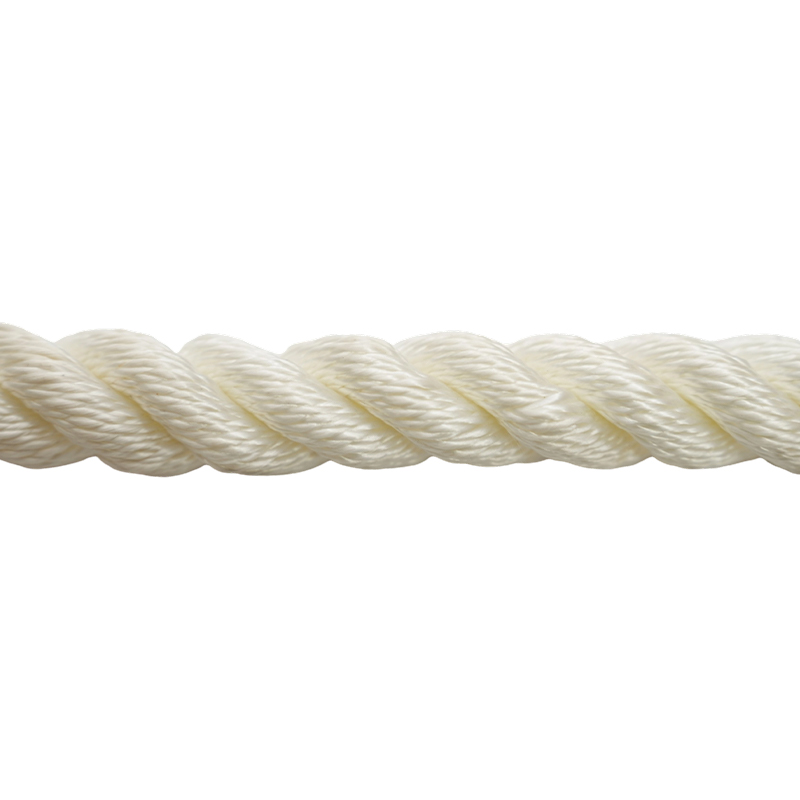
3-Strand Polypropylene Multi-Filament Hawser Mooring Rope / Line
-
 View More
8-Strand Polypropylene Mono-filament Hawser Mooring Rope / Line
-
 View More
8-Strand Polypropylene Multi-filament Mooring Rope / Line
-
 View More
12-Strand Polypropylene Multi-filament Hawser Mooring Rope / Line
-
 View More
Polypropylene Multi-filament Double Braided Hawser Mooring Rope / Line
-
 View More
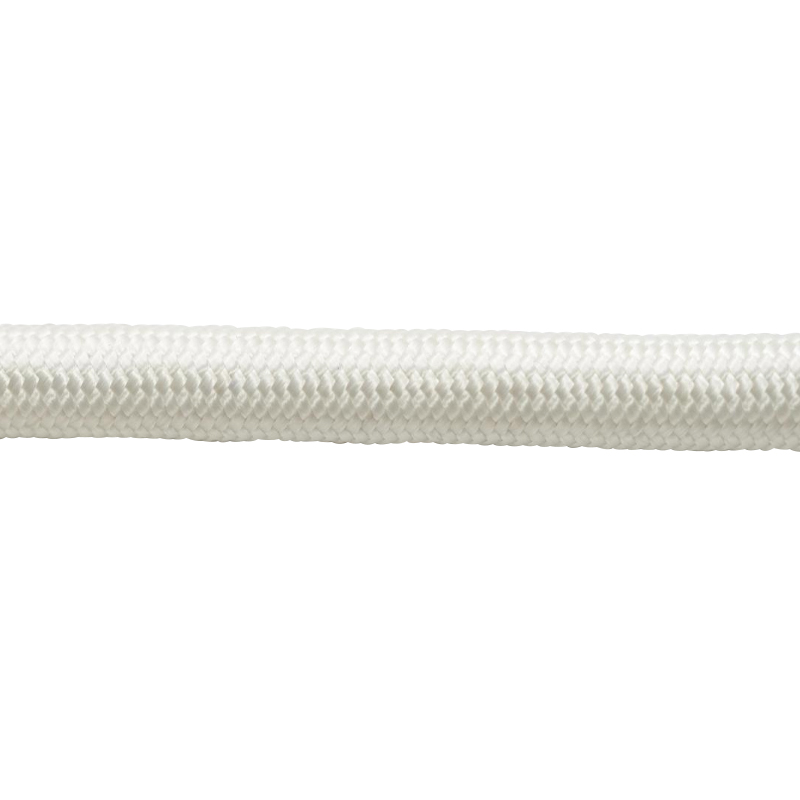
Polypropylene Multi-filament Reduced Recoil Mooring Rope / Line
-
 View More
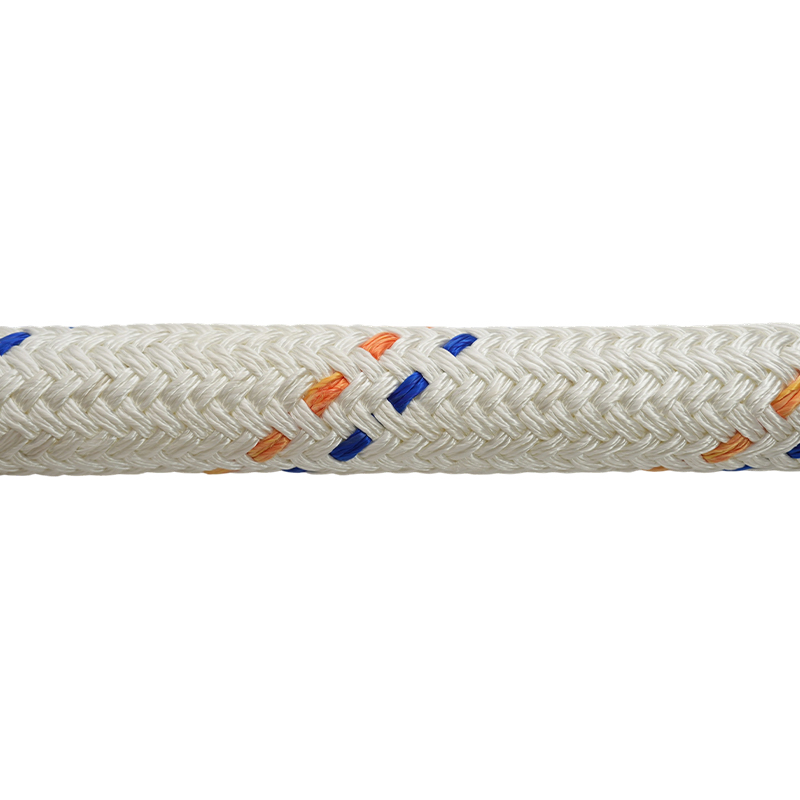
Polypropylene Multi-filament Mooring Tail
-
 View More
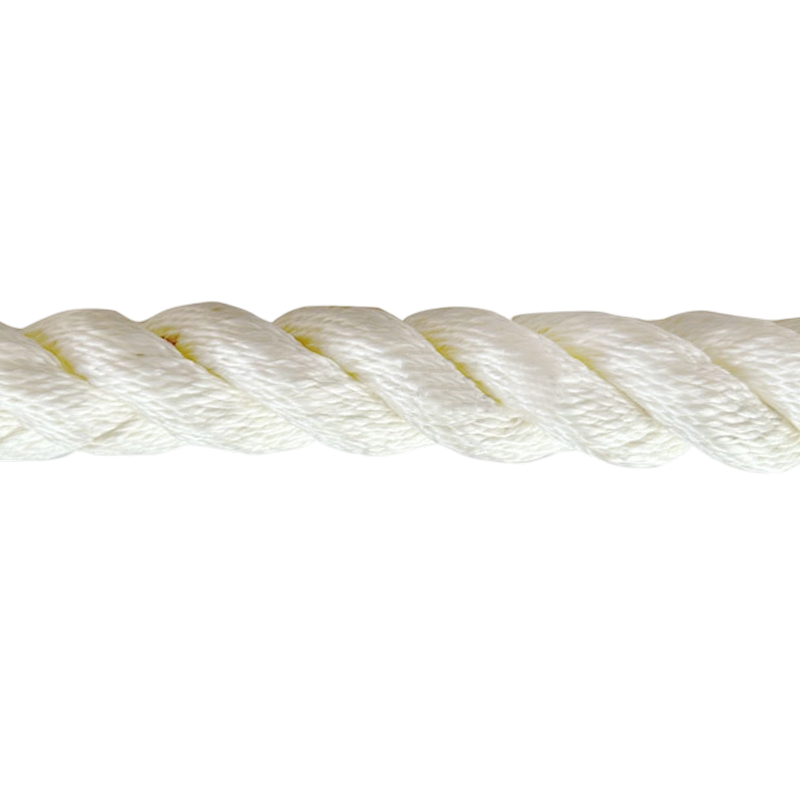
3-Strand Polyester Mooring Rope / Line
-
 View More
8-Strand Polyester Hawser Mooring Rope / Line
-
 View More
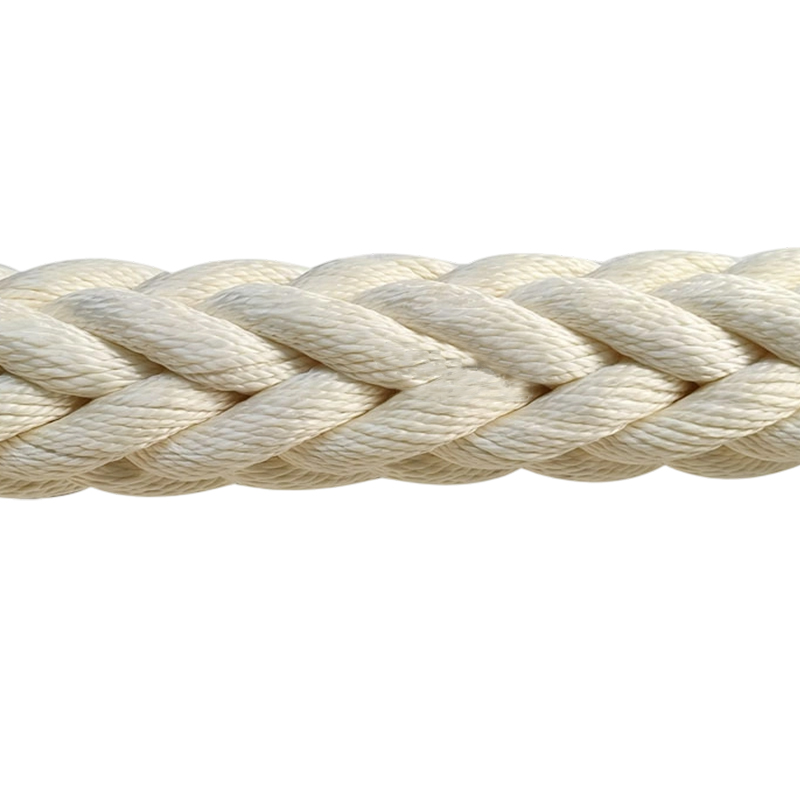
12-Strand Polyester Mooring Rope / Line,Hawser
-
 View More
Polyester Double Braided Hawser Mooring Rope / Line