


 English
 Español
 عربى
عربى
Rope Type Guide: How to Choose the Right Mooring Rope
Content
- 1 The Short Answer: Rope Type Determines Whether Your Vessel Stays Put
- 2 What "Rope Type" Actually Means in a Marine Context
- 3 Comparing the Major Mooring Rope Types Side by Side
- 4 Nylon Mooring Rope: The Shock Absorber of the Dock
- 5 Polyester Mooring Rope: Stability and Longevity Above All
- 6 Polypropylene Mooring Rope: Where It Works and Where It Fails
- 7 UHMWPE Mooring Rope: High Performance at High Cost
- 8 How to Match Rope Type to Mooring Position
- 9 Sizing Your Mooring Rope Correctly
- 10 Inspection, Maintenance, and Retirement of Mooring Rope
- 11 Splicing vs. Knotting: What Every Rope Type Requires
- 12 Standards and Certifications That Govern Mooring Rope Quality
The Short Answer: Rope Type Determines Whether Your Vessel Stays Put
When it comes to keeping a vessel safely secured, the rope type you choose is the single most consequential decision you will make at the dock. A mooring rope is not a generic piece of cordage — it is a precision tool with defined stretch characteristics, breaking loads, UV resistance ratings, and service lifespans that vary dramatically from one material to another. Choose the wrong rope type and you risk a parted line, a drifting vessel, or catastrophic structural damage to a cleat or bollard during a storm surge.
The most widely used mooring rope types are nylon (polyamide), polyester, polypropylene, and high-modulus options such as UHMWPE (ultra-high-molecular-weight polyethylene) and HMPE (high-modulus polyethylene). Each occupies a specific performance niche. Nylon absorbs shock loads with up to 30% elongation at working load; polyester holds its dimensions under tension with only 3–5% stretch; UHMWPE products like Dyneema offer breaking strengths up to 15 times greater than steel wire of the same diameter while floating on water. Understanding these differences before you purchase a mooring rope is not optional — it is fundamental seamanship.
What "Rope Type" Actually Means in a Marine Context
The phrase "rope type" covers two overlapping classifications that mariners and riggers must understand separately: fiber material and construction method. Both affect performance, and both must align with the intended mooring application.
Classification by Fiber Material
The fiber is the primary determinant of stretch behavior, UV resistance, chemical resistance, buoyancy, and price. Common fiber types used in mooring rope manufacturing include:
- Nylon (Polyamide): High elasticity, excellent shock absorption, sinks in water, degrades under prolonged UV exposure, widely used for dock lines on recreational and commercial vessels.
- Polyester (PET): Low stretch, superior UV resistance compared to nylon, sinks, maintains strength when wet, the standard choice for running rigging and long-term mooring lines.
- Polypropylene (PP): Lightweight, floats, inexpensive, but degrades rapidly under UV — service life in marine environments rarely exceeds 2–3 seasons without UV inhibitors added during manufacture.
- UHMWPE / Dyneema / Spectra: Extremely high strength-to-weight ratio, minimal stretch (less than 1% elongation), floats, highly resistant to chemicals, used in commercial and offshore mooring systems.
- Nylon/Polyester Blends: Engineered to balance shock absorption and dimensional stability, increasingly common in premium dock line products aimed at the superyacht and ferry sectors.
- Natural Fibers (Manila, Hemp, Sisal): Largely obsolete for functional mooring but still used decoratively and in heritage or traditional vessel applications. Manila loses roughly 30% of its dry breaking strength when wet.
Classification by Construction Method
Construction method determines how the fibers are assembled into a finished rope. The three principal constructions used in mooring rope production are twisted (laid), braided, and parallel-core.
- 3-Strand Twisted (Laid): Traditional construction, excellent for splicing, good stretch characteristics, prone to hockle if improperly coiled. Still the dominant construction for budget nylon and polyester mooring ropes.
- 8-Strand Plaited: Balanced, torque-neutral, easy to handle on warping drums, commonly found in commercial harbor and ferry mooring operations.
- Double-Braid (Braid-on-Braid): A braided core inside a braided cover — the most popular construction for premium yacht dock lines. The cover protects the load-bearing core and provides a soft, grippy hand feel.
- Kernmantle: A parallel or twisted fiber core sheathed in a tightly woven outer jacket. Exceptional for controlled-stretch applications in offshore mooring systems.
- Parallel Core (Wire-Lay Equivalent): Used in high-performance UHMWPE mooring ropes where near-zero elongation is required. The parallel fiber arrangement maximizes tensile efficiency.
Comparing the Major Mooring Rope Types Side by Side
The following table consolidates key performance data across the most common mooring rope materials to simplify side-by-side comparison for buyers and riggers.
| Rope Type | Elongation at Working Load | UV Resistance | Floats in Water | Relative Cost | Typical Service Life (Marine) |
|---|---|---|---|---|---|
| Nylon 3-Strand | 15–30% | Moderate | No | Low | 3–5 years |
| Nylon Double-Braid | 20–28% | Moderate | No | Medium | 4–6 years |
| Polyester 3-Strand | 3–5% | High | No | Low–Medium | 5–8 years |
| Polypropylene | 10–20% | Low | Yes | Very Low | 1–3 years |
| UHMWPE (e.g. Dyneema) | <1% | High | Yes | Very High | 8–15 years |
| Manila (Natural Fiber) | 5–15% | Low | No | Low | <2 years |
Nylon Mooring Rope: The Shock Absorber of the Dock
Nylon remains the dominant mooring rope material for recreational and light commercial vessels, and the reason is straightforward: its elasticity is a safety feature, not a flaw. When a 15-meter motorboat surges against its dock lines in wake turbulence or tidal current, the rope must have somewhere to put that kinetic energy. A stiff, low-stretch line transfers that load directly to the cleat, the dock fitting, and the vessel's hull fittings. A nylon mooring rope stretches 15–30% under working load and absorbs the energy the way a shock absorber does in a vehicle suspension system.
A typical 16mm nylon 3-strand mooring rope has a minimum breaking load (MBL) of approximately 4,400 kg and a recommended working load of around 880 kg — roughly 20% of MBL, which is a standard safety factor for mooring applications. That same rope will elongate approximately 20% before reaching its MBL, meaning a 10-meter dock line becomes an effective 12-meter line under maximum stress before failure.
Limitations of Nylon to Account For
Nylon absorbs water and loses approximately 10–15% of its dry breaking strength when fully saturated. This must be factored into load calculations for mooring ropes that are routinely submerged at the waterline. UV degradation is also significant — nylon loses measurable tensile strength after 500 hours of cumulative UV exposure, which in a Mediterranean or tropical climate can occur within a single summer season. Inspect the outer fibers annually; if the surface appears chalky, glazed, or the fibers fuzz excessively when rubbed, the mooring rope should be retired regardless of its apparent visual condition.
Chafe is the most immediate cause of failure in any nylon mooring rope. A chafe guard or leather sleeve at every point where the line passes through a fairlead, over a rail, or against a piling is not optional — it is the primary maintenance measure that separates a three-year service life from a six-year one.
Polyester Mooring Rope: Stability and Longevity Above All
Where nylon excels at shock absorption, polyester excels at holding a consistent length under varying loads. With only 3–5% elongation at working load, a polyester mooring rope keeps the vessel in almost exactly the same position regardless of whether the load is light or near maximum. This dimensional stability makes polyester the preferred mooring rope type for vessels in tidal environments where position changes of even 30–40 cm could cause the hull to contact a piling or dock structure.
Polyester does not suffer the wet-strength loss that afflicts nylon. Its breaking strength wet versus dry is essentially identical, meaning your load calculations remain valid in all weather conditions. UV resistance is meaningfully higher than nylon — polyester mooring ropes in continuous outdoor exposure typically retain over 80% of their original breaking strength after 1,000 hours of UV, compared to nylon's more pronounced degradation curve.
When to Choose Polyester Over Nylon
- Vessels moored in tidal ranges exceeding 1 meter, where precise positioning is critical to avoid contact with dock infrastructure.
- Long-term mooring installations where replacement is infrequent and multi-year durability is prioritized.
- Vessels in calm, protected harbors where wave action is minimal and shock-load absorption is less critical.
- Applications combining mooring lines with spring lines, where spring lines benefit from low stretch to control fore-and-aft movement effectively.
- Any mooring rope that will spend extended periods in high UV environments such as the Mediterranean, Southeast Asia, or the Caribbean without regular replacement cycles.
The trade-off with polyester mooring rope is that its low elasticity means shock loads go directly into fittings. In an exposed anchorage or a berth subject to ferry wash or storm swells, pure polyester mooring lines should be supplemented with a nylon snubber — a short section of nylon line inserted into the mooring system to provide the elasticity that the polyester cannot.
Polypropylene Mooring Rope: Where It Works and Where It Fails
Polypropylene is the lightest synthetic fiber used in marine rope manufacturing. Its density of approximately 0.91 g/cm³ — lower than water at 1.0 g/cm³ — means polypropylene mooring rope floats, which prevents it from fouling propellers and makes retrieval easier in man-overboard scenarios or when deploying lines from a dinghy to a mooring buoy. This buoyancy is its primary competitive advantage.
However, polypropylene degrades faster under UV radiation than any other common synthetic mooring rope fiber. Field observations and laboratory testing consistently show that unprotected polypropylene ropes lose 50% or more of their breaking strength within 18–24 months of continuous outdoor marine exposure. UV-stabilized formulations extend this to 3–4 seasons, but the degradation is still substantially faster than nylon or polyester.
Polypropylene is a reasonable choice for:
- Temporary or seasonal mooring lines that are inspected and replaced annually.
- Heaving lines, throwing lines, and lead lines where flotation is a functional requirement.
- Budget-constrained applications in sheltered freshwater environments where UV load is lower.
- Warps and tow lines in short-term commercial operations.
Polypropylene mooring rope is a poor choice for long-term ocean-going or permanent mooring installations. It should never be left unmonitored on a vessel that is left unattended for extended periods.
UHMWPE Mooring Rope: High Performance at High Cost
Ultra-high-molecular-weight polyethylene, marketed under brand names including Dyneema (DSM) and Spectra (Honeywell), represents a fundamental step change in mooring rope capability. The molecular chains in UHMWPE are extraordinarily long and aligned, producing a fiber with a specific strength up to 15 times greater than steel on a weight-for-weight basis. A 12mm Dyneema SK75 rope can have a breaking load exceeding 11,000 kg — significantly more than a 16mm nylon rope at 4,400 kg — while being a fraction of the weight.
The near-zero elongation (typically 0.5–1.0% at break) that makes UHMWPE mooring ropes exceptional for precision positioning is also a hazard that requires careful management. When a high-modulus mooring rope parts, it releases all stored elastic energy instantaneously. Unlike a nylon rope, which stretches and gives some visual warning before failure, a UHMWPE mooring line can part without warning and with significant recoil energy. This is why offshore and commercial mooring operations using high-modulus ropes mandate the use of recoil guards and strict exclusion zones around tensioned lines.
Applications Where UHMWPE Mooring Rope Justifies Its Cost
- Offshore mooring systems for FPSOs (floating production, storage, and offloading vessels), where the weight savings over steel wire reduce hang-load on the mooring system.
- Superyacht dock lines where reduced diameter for equivalent strength results in better deck aesthetics and easier handling.
- Racing and performance sailing applications where every kilogram of weight and every millimeter of line diameter matters.
- Commercial port operations in high-throughput container terminals where line handling speed and long service life reduce total operational cost despite a higher unit price.
- Tug towing pendants and assist lines, where the combination of high strength, low weight, and flotation is operationally critical.
One limitation of UHMWPE not always discussed in product marketing: it has poor resistance to abrasion in comparison to polyester, and its slick surface can cause knots to slip. Splicing is the required method for creating terminal eyes in UHMWPE mooring rope — standard reef knots and bowlines reduce the effective breaking strength by 40–50% due to the material's low surface friction.
How to Match Rope Type to Mooring Position
A correctly configured mooring system uses different rope types in different positions to exploit the specific properties of each material. This is standard practice in commercial harbor operations and increasingly common among knowledgeable recreational sailors and powerboat owners.
Bow and Stern Lines
Bow and stern lines run roughly parallel to the vessel's beam and are primarily loaded when the vessel is pushed toward or away from the dock. Moderate elasticity is beneficial here to absorb the lateral movement caused by wakes and swells. Nylon double-braid is the dominant choice for bow and stern dock lines on vessels from 8 to 25 meters. The recommended line diameter is typically 1mm per 3 feet (roughly 1mm per meter) of vessel length as a minimum starting point, though actual selection should be based on a displacement calculation.
Spring Lines
Spring lines run forward and aft at an angle along the vessel's length and resist fore-and-aft movement. Because spring lines are working constantly in tidal environments as the vessel rises and falls, low stretch is advantageous — it keeps the vessel centered in the slip regardless of tide. Polyester is frequently the better rope type for spring lines, particularly in tidal ranges above 1.5 meters.
Breast Lines
Breast lines run perpendicular from the vessel to the dock and control off-dock distance. In commercial operations, these may be polyester for position control; in recreational berthing, nylon breast lines are more common because they handle the shock of a vessel surging off the dock in wake turbulence without transmitting the full load to cleats.
Mooring Pendants and Buoy Lines
A mooring pendant connects the vessel to a fixed mooring block or sinker via a buoy. Because pendants are subject to continuous immersion, chafe on the buoy swivel, and dynamic loading from wave action, this is one of the most demanding positions in any mooring system. Heavy-duty nylon 3-strand or 8-strand plaited is the industry standard for mooring pendants precisely because its elasticity buffers the snatch loads from wave action. Pendants should be replaced more frequently than dock lines — annual inspection with replacement every 2–3 seasons is the guidance commonly issued by harbor masters and marine surveyors.
Sizing Your Mooring Rope Correctly
Selecting the correct rope type is necessary but not sufficient — the diameter and length must also be correct. Undersized mooring rope is a common and dangerous mistake, particularly when vessel owners upgrade to a larger vessel without re-evaluating their existing dock lines.
The mooring load on a vessel is driven primarily by displacement (the weight of water displaced by the hull), windage (the above-waterline profile area exposed to wind), and the dynamic multiplier imposed by wave action. A rough rule of thumb used in the industry is that mooring line tension under storm conditions can reach 1.5–2 times the vessel's displacement for vessels with high windage profiles such as catamarans or flybridge motorboats.
| Vessel Length (m) | Approximate Displacement (tonnes) | Minimum Nylon Line Diameter | Minimum Polyester Line Diameter |
|---|---|---|---|
| 8–10 m | 2–5 t | 10 mm | 12 mm |
| 10–14 m | 5–12 t | 12–14 mm | 14–16 mm |
| 14–20 m | 12–30 t | 16–20 mm | 18–22 mm |
| 20–30 m | 30–80 t | 22–28 mm | 24–32 mm |
Line length matters as much as diameter. A mooring rope that is too short creates steep angles that multiply the effective load on cleats and fittings — a 45-degree angle doubles the load on the cleat compared to a near-horizontal line. Where dock layout permits, mooring lines should be as long as practical to keep angles shallow and allow more rope length to absorb stretch and dynamic movement.
Inspection, Maintenance, and Retirement of Mooring Rope
The rope type you select determines not just performance but also the maintenance protocol you need to follow. Different materials degrade through different mechanisms, and a maintenance schedule appropriate for polyester would leave a nylon rope or a polypropylene mooring rope dangerously over-aged.
Visual Inspection Checklist
- Surface fuzz or broken yarns: Run a hand along the rope under slight tension. Excess fuzz or protruding broken yarns indicate surface abrasion. In a double-braid rope, if the cover is abraded but the core is intact, a cover sleeve can extend life. If the core is compromised, retire the rope immediately.
- Glazing or heat damage: A shiny, hard surface on synthetic ropes indicates heat generated by friction — often from a running line over a cleat or through a tight fairlead. Heat-damaged synthetic rope can lose 30–50% of its strength in the affected zone. The damage is localized and may not be visible in adjacent sections.
- Color degradation: Fading from UV is visible in all synthetic mooring ropes. Significant color loss is a lagging indicator of UV degradation — by the time the color is visibly washed out, the UV damage to fiber strength may already be substantial.
- Stiffness changes: A nylon mooring rope that has become stiff and boardy has likely suffered prolonged UV exposure or chemical contamination. Nylon should feel pliable and slightly elastic when flexed by hand.
- Check the entire length, not just visible ends: The most critical damage is usually hidden — inside a fairlead chafe point, at the splice inside a loop, or at the cleat contact point. Inspect every centimeter of the rope's working length.
Retirement Guidelines by Rope Type
Manufacturers and marine classification societies provide general guidance on retirement that varies by rope type and application criticality:
- Nylon mooring rope used as dock lines: inspect annually, replace at any sign of significant UV degradation, abrasion, or at 5–7 years regardless of condition.
- Nylon mooring pendants: inspect every 6 months, replace every 2–3 years due to the higher wear rate from continuous immersion and chafe at the buoy.
- Polyester dock lines: inspect annually, replace at 8–10 years in moderate UV environments or earlier if abrasion or glazing is detected.
- Polypropylene mooring rope: replace every 1–3 years. Do not rely on visual inspection alone — UV damage occurs at the molecular level and may not be visually obvious until the rope is near failure.
- UHMWPE mooring rope: inspect annually for abrasion damage (particularly at terminations and fairleads), and check splices for integrity. Can last 10–15 years with proper care but should not be used if the sheath shows through-wear to the core.
Splicing vs. Knotting: What Every Rope Type Requires
The method used to form the working eye or terminal of a mooring rope significantly affects its effective breaking strength. Knots are universally strength-reducing; the extent of the reduction depends on the rope type and the knot used.
- Bowline: Reduces effective strength by approximately 35–40% across all common rope types. Still widely used for its releasability under load in emergency situations.
- Figure-8 loop: Reduces strength by approximately 25–30%. More efficient than a bowline but still a significant reduction.
- Eye splice (3-strand): Retains approximately 95% of the rope's original breaking strength when properly executed with the correct number of tucks (typically 4–5 tucks minimum in synthetic fiber).
- Brummel splice (UHMWPE): The standard termination method for Dyneema and similar UHMWPE ropes, retaining 95–100% of MBL when correctly executed. Knots in UHMWPE retain only 50–60% of MBL — the slick surface causes the knot to cinch and cut into itself.
For any mooring rope used in a permanent or semi-permanent installation, spliced eyes are the correct termination. Knots are acceptable for temporary or emergency situations but should not be the standard configuration on a vessel's working mooring lines. Many commercial port and ferry operators require spliced eyes on all mooring ropes as a condition of their safety management system — the strength retention difference alone justifies this requirement.
Standards and Certifications That Govern Mooring Rope Quality
Not all mooring ropes sold under the same diameter and material description perform equally. Quality in rope manufacturing is governed by international standards that specify test methods, minimum breaking loads, and material specifications. Purchasing from a manufacturer that certifies to these standards provides a measurable quality assurance that generic, unspecified rope cannot offer.
- ISO 2307: The primary international standard for fiber ropes, specifying methods for determining breaking force, elongation, and linear density. Any mooring rope with ISO 2307 test data provides a reliable basis for load calculations.
- EN 919: European standard for fiber ropes for general service, widely referenced in commercial mooring equipment specifications across EU member states.
- OCIMF MEG4: The Mooring Equipment Guidelines from the Oil Companies International Marine Forum, now in its fourth edition, is the definitive technical reference for tanker and offshore vessel mooring rope specification. MEG4 provides fatigue life guidance, tail rope selection criteria, and retirement criteria that go significantly beyond what recreational and light commercial applications typically address.
- Lloyd's Register / DNV Type Approval: Mooring ropes for commercial vessels operating under classification society oversight are often required to hold type approval from the relevant class. This approval confirms the rope has been independently tested and meets published performance specifications.
For recreational buyers, the practical takeaway from these standards is straightforward: buy mooring rope from manufacturers who publish actual test data, not just nominal breaking loads derived from theoretical calculation. A mooring rope sold with a certified MBL confirmed by third-party testing is a known quantity. An uncertified rope with a printed label claiming the same MBL is not.
PREV:Thickness of Rope: How to Choose the Right Mooring Rope Size
NEXT:Boat Dock Rope Guide: Choosing the Right Mooring Rope
NEXT:Boat Dock Rope Guide: Choosing the Right Mooring Rope
Related Products
-
 View More
3-Strand Polypropylene Mono-filament Mooring Rope / Line
-
 View More
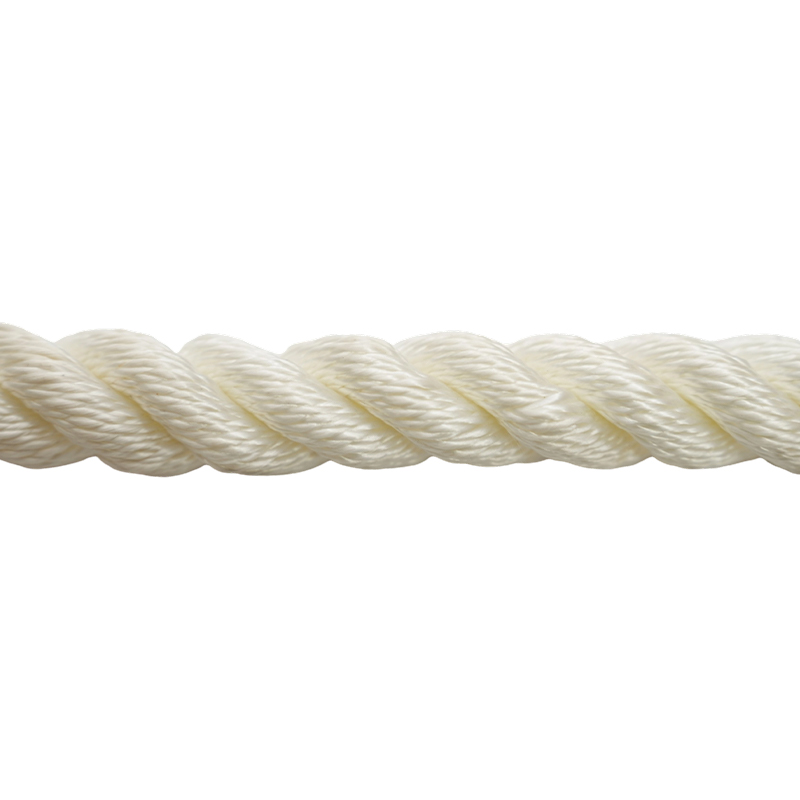
3-Strand Polypropylene Multi-Filament Hawser Mooring Rope / Line
-
 View More
8-Strand Polypropylene Mono-filament Hawser Mooring Rope / Line
-
 View More
8-Strand Polypropylene Multi-filament Mooring Rope / Line
-
 View More
12-Strand Polypropylene Multi-filament Hawser Mooring Rope / Line
-
 View More
Polypropylene Multi-filament Double Braided Hawser Mooring Rope / Line
-
 View More
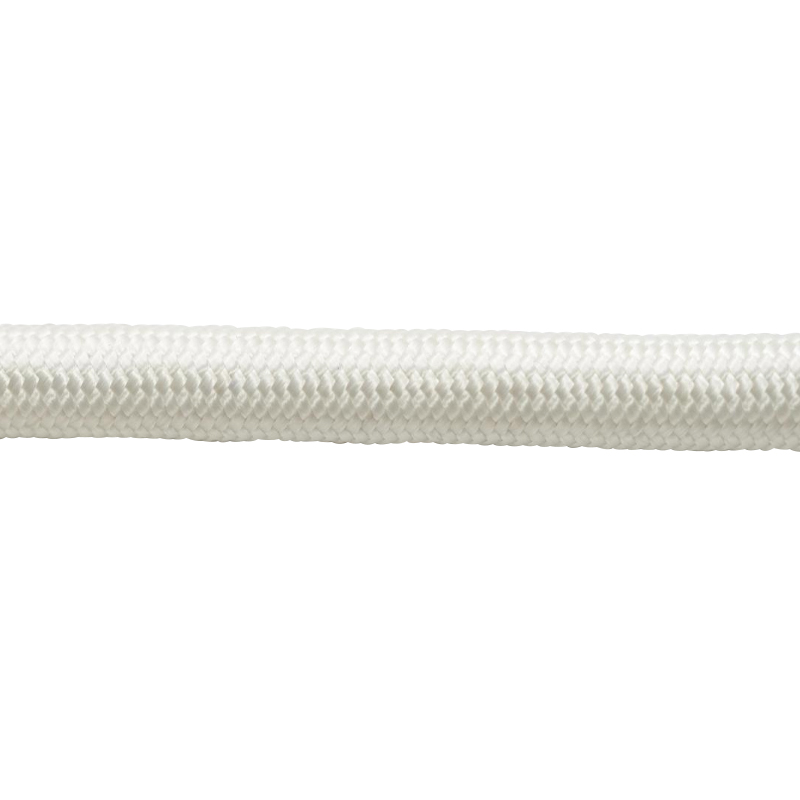
Polypropylene Multi-filament Reduced Recoil Mooring Rope / Line
-
 View More
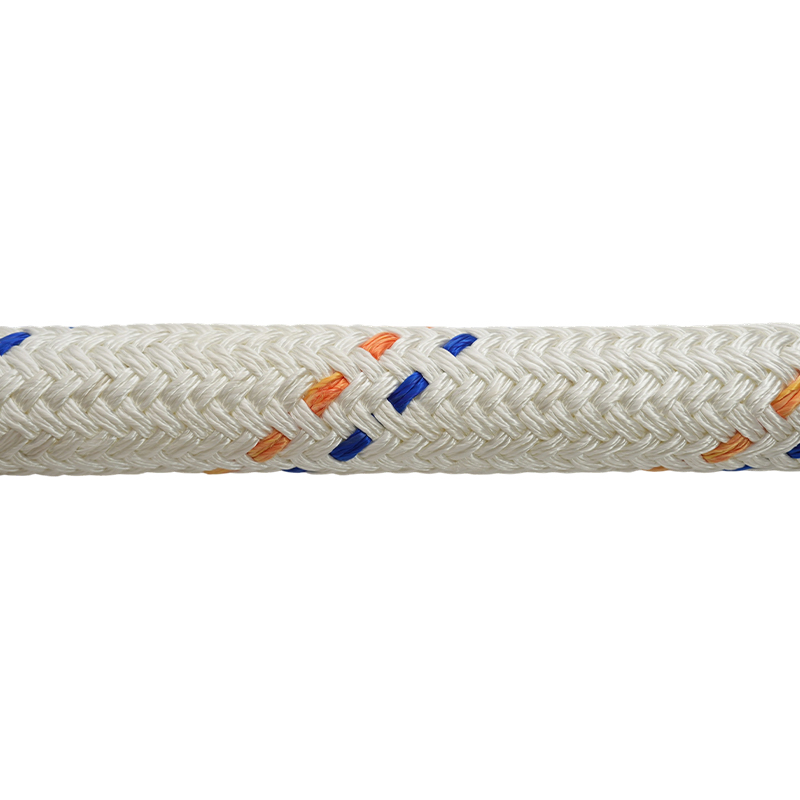
Polypropylene Multi-filament Mooring Tail
-
 View More
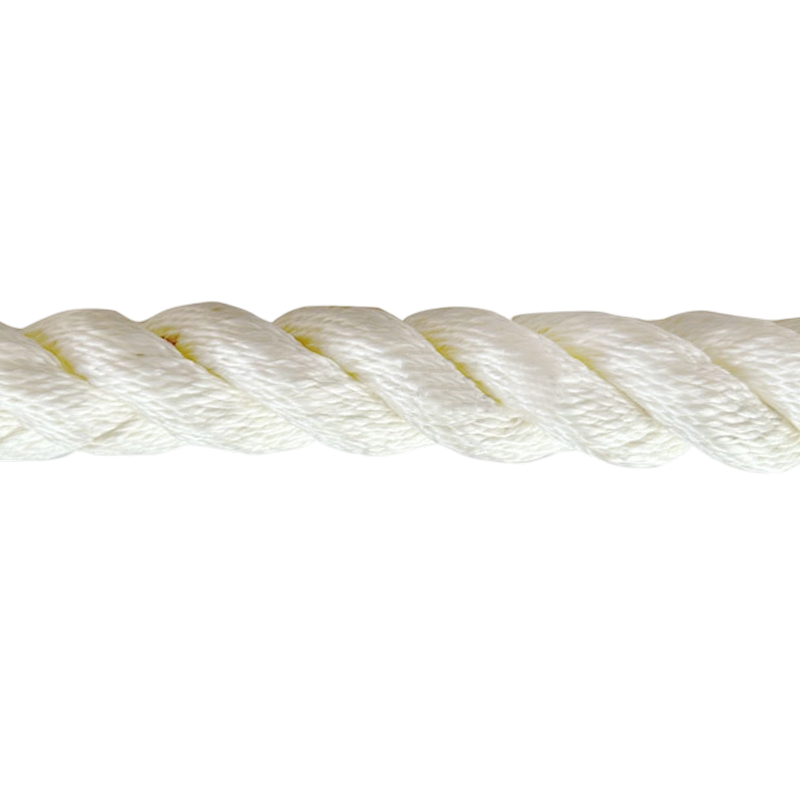
3-Strand Polyester Mooring Rope / Line
-
 View More
8-Strand Polyester Hawser Mooring Rope / Line
-
 View More
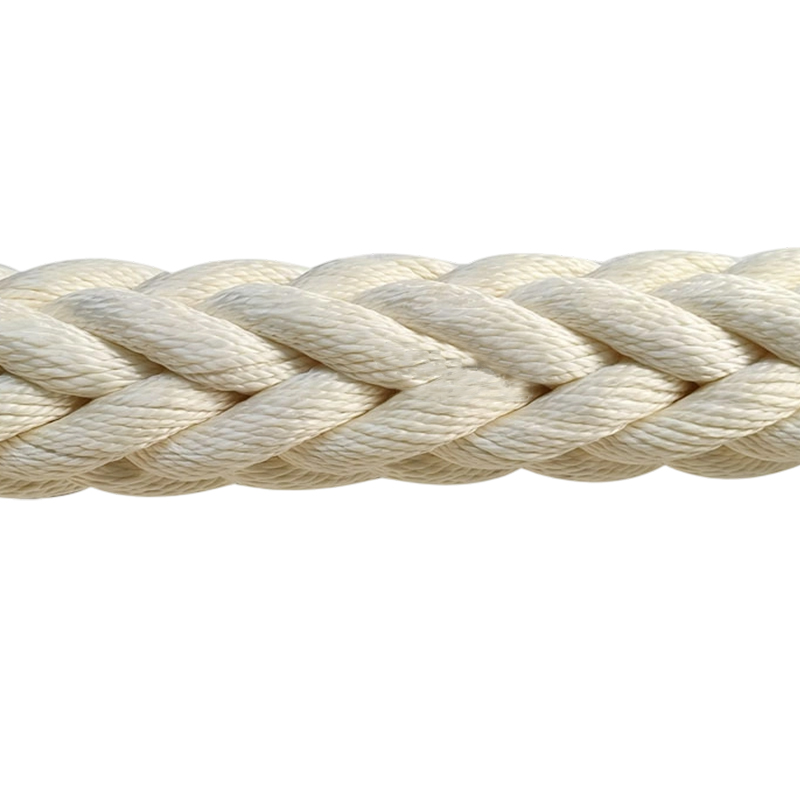
12-Strand Polyester Mooring Rope / Line,Hawser
-
 View More
Polyester Double Braided Hawser Mooring Rope / Line