


 English
 Español
 عربى
عربى
What is the lifespan of mooring rope?
Content
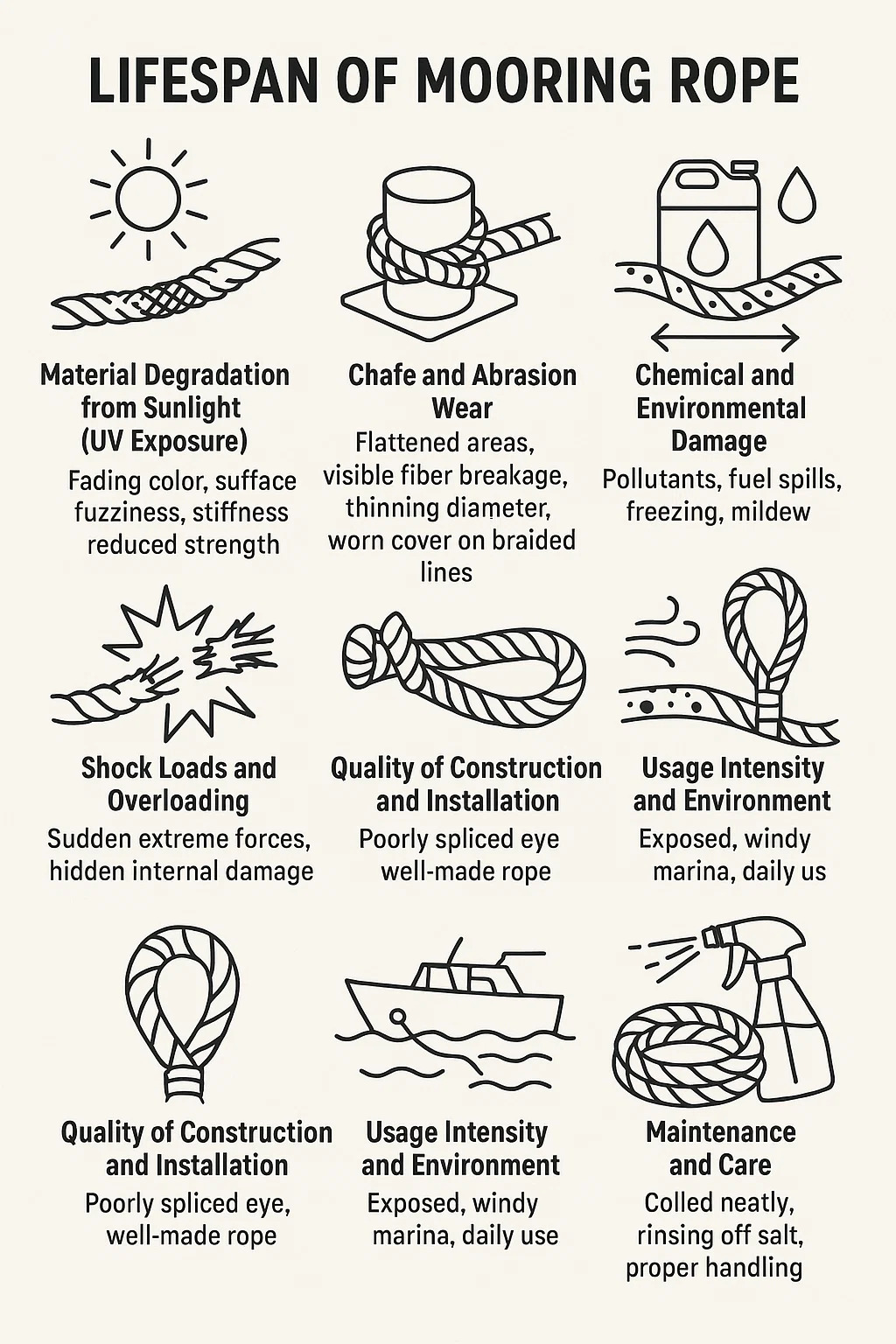
The lifespan of a mooring rope is highly variable and depends on numerous factors; there's no fixed expiration date. Here's a breakdown of what determines how long it lasts:
●Material Degradation from Sunlight (UV Exposure):
This is often the biggest killer. Continuous exposure to strong sunlight breaks down synthetic fibers.
Polypropylene is especially vulnerable, showing weakening and brittleness relatively quickly.
Polyester has much better UV resistance than nylon or polypropylene.
Signs: Fading color, surface fuzziness, stiffness, reduced strength.
●Chafe and Abrasion Wear:
Physical rubbing against docks, pilings, chocks, fairleads, or even the boat's hull constantly wears down fibers.
This wear happens fastest at contact points and where ropes pass through hardware or bend sharply.
Poorly protected splices or eyes are particularly susceptible.
Signs: Flattened areas, visible fiber breakage, thinning diameter, worn cover on braided lines.
●Cyclic Loading and Fatigue:
Constant tensioning and slackening from wind, waves, and tides work the rope like bending a paperclip repeatedly.
This cyclic stress causes internal fiber fatigue over time, eventually leading to failure even if the rope looks okay externally.
Stretchier ropes like nylon absorb shock well but experience more internal movement, contributing to fatigue.
●Chemical and Environmental Damage:
Saltwater itself generally doesn't harm synthetics much, but pollutants, fuel spills, cleaning chemicals, or even acidic bird droppings can degrade fibers.
Freezing temperatures can make some plastics brittle temporarily.
Microbial growth (mildew) is unsightly but usually less damaging to synthetics than UV or abrasion.
●Shock Loads and Overloading:
Experiencing sudden extreme forces (e.g., during a storm surge or accidental snap-back) can cause immediate failure or create hidden internal damage that weakens the rope significantly, shortening its useful life.
●Quality of Construction and Installation:
Well-made rope using quality yarns and precise manufacturing tolerances inherently lasts longer.
Properly finished splices (eyes) are crucial; a poorly spliced eye is a major weak point.
Correct installation using chafe protection (leather, hose, sleeves) at wear points dramatically extends lifespan.
●Usage Intensity and Environment:
A rope used daily on a large boat in an exposed, windy marina will wear out much faster than one used occasionally on a small boat in a sheltered cove.
Permanent moorings exposed 24/7 to sun and weather degrade faster than dock lines only deployed when the boat is tied up.
●Maintenance and Care:
Ropes coiled neatly and stored out of direct sunlight when not in use last significantly longer.
Regularly rinsing off salt and dirt removes abrasives.
Proper handling (avoiding kinks, sharp bends, dragging on rough surfaces) prevents unnecessary damage.
Related Products
-
 View More
3-Strand Polypropylene Mono-filament Mooring Rope / Line
-
 View More
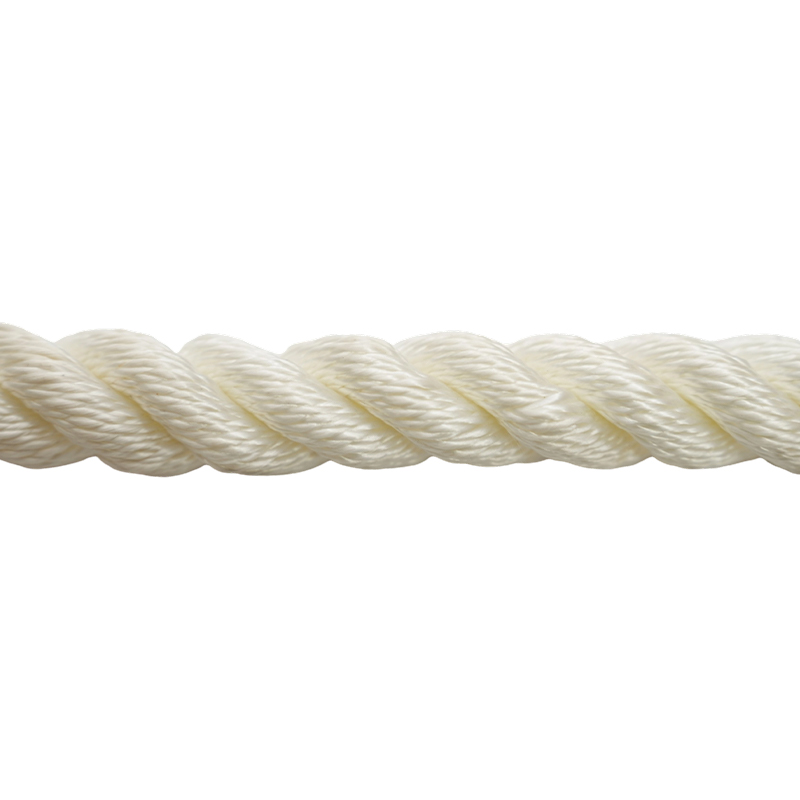
3-Strand Polypropylene Multi-Filament Hawser Mooring Rope / Line
-
 View More
8-Strand Polypropylene Mono-filament Hawser Mooring Rope / Line
-
 View More
8-Strand Polypropylene Multi-filament Mooring Rope / Line
-
 View More
12-Strand Polypropylene Multi-filament Hawser Mooring Rope / Line
-
 View More
Polypropylene Multi-filament Double Braided Hawser Mooring Rope / Line
-
 View More
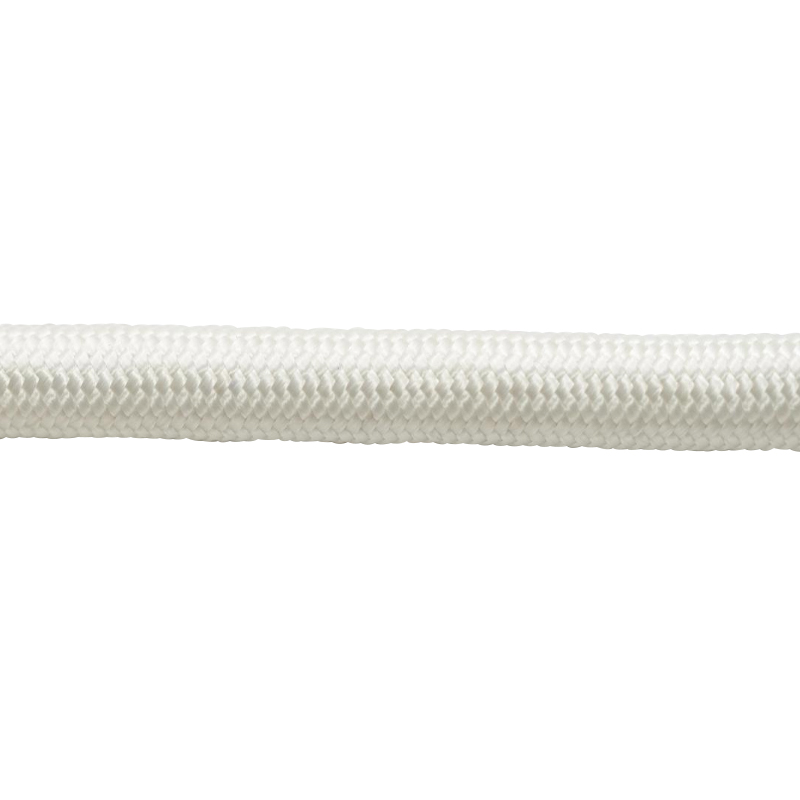
Polypropylene Multi-filament Reduced Recoil Mooring Rope / Line
-
 View More
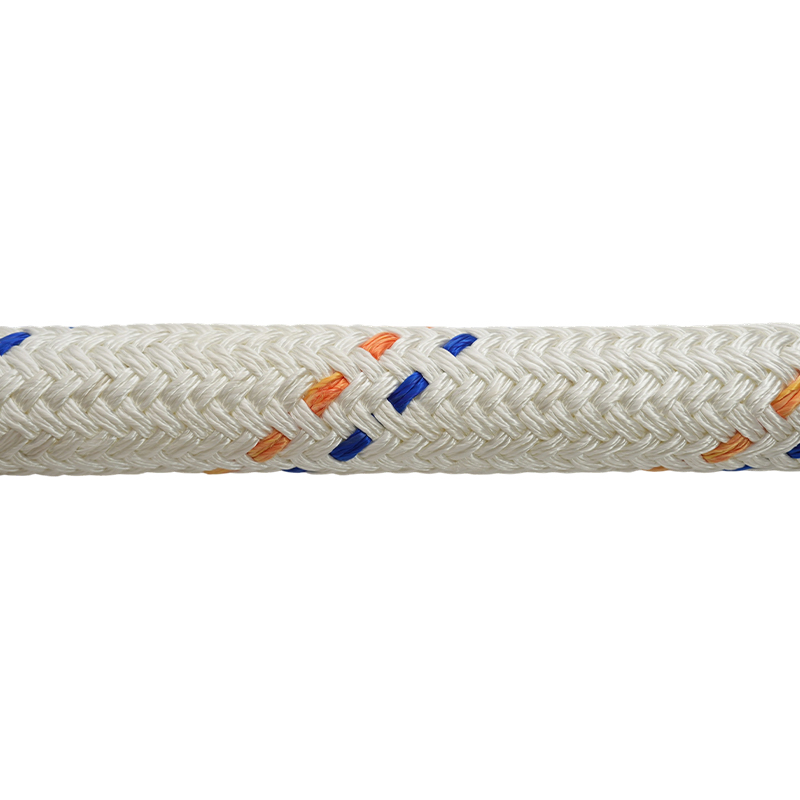
Polypropylene Multi-filament Mooring Tail
-
 View More
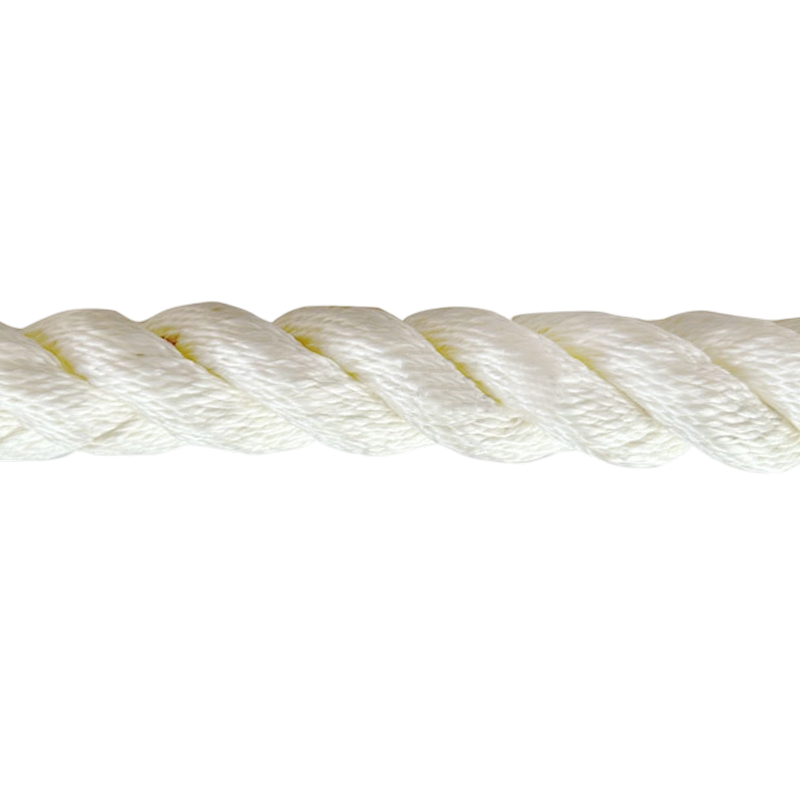
3-Strand Polyester Mooring Rope / Line
-
 View More
8-Strand Polyester Hawser Mooring Rope / Line
-
 View More
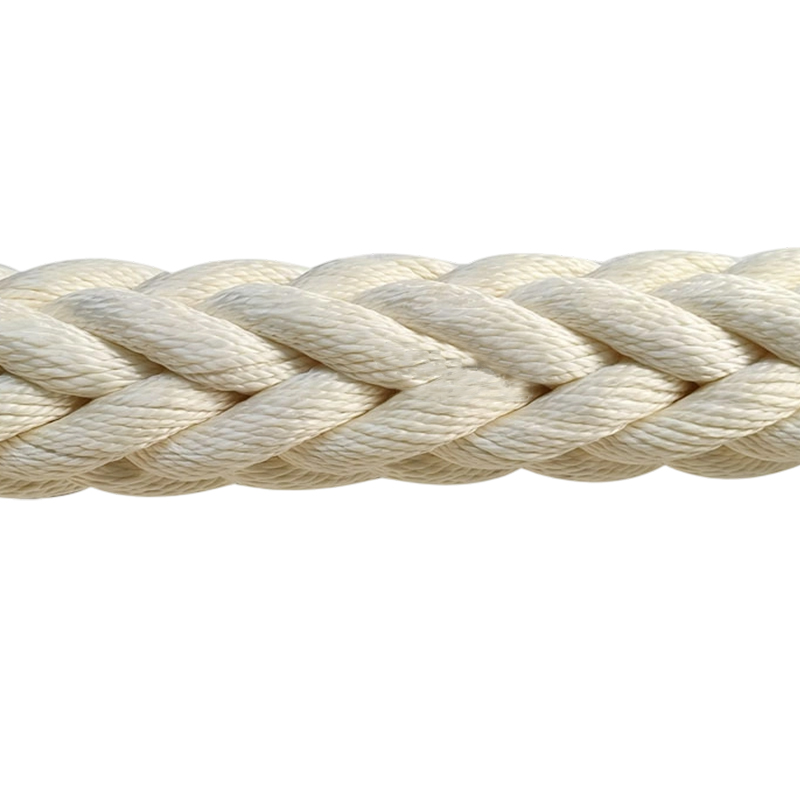
12-Strand Polyester Mooring Rope / Line,Hawser
-
 View More
Polyester Double Braided Hawser Mooring Rope / Line