


 English
 Español
 عربى
عربى
What is a mooring rope?
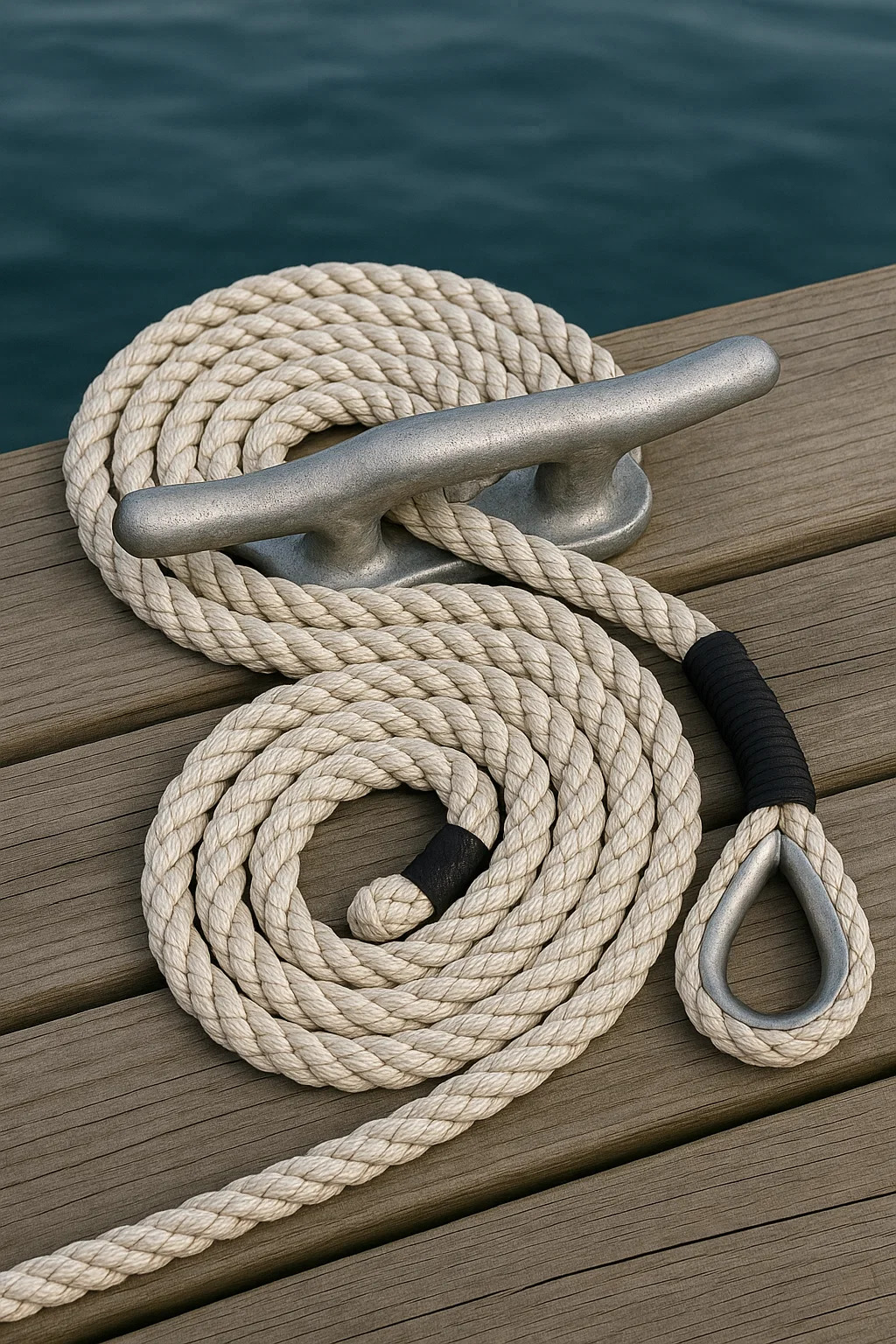
A mooring rope (or line) is a critical piece of maritime equipment designed to securely hold a vessel (like a boat, ship, or buoy) in place relative to a fixed point on land (a dock, pier, or wharf) or a submerged anchor system. Here's a breakdown of its key aspects:
●Core Function: Secure Attachment
▸Its primary job is to physically connect the vessel to a stationary object, preventing it from drifting away due to currents, wind, waves, or tides.
▸It transmits the forces acting on the vessel (wind push, current drag) to the fixed point.
●Material Composition: Strength & Durability Focus
▸Made from robust, durable materials chosen to withstand harsh marine environments.
▸Common materials include natural fibers (historically hemp or manila, less common now) and, predominantly, synthetic fibers. Key synthetics are Nylon (prized for stretch and strength), Polyester (Dacron - strength and low stretch), Polypropylene (lightweight and floats), and high-performance fibers like Dyneema or Spectra (exceptional strength and low stretch, but costly).
●Critical Properties:
▸High Tensile Strength: Must be strong enough to handle the immense forces generated by the vessel's movement and environmental loads without breaking.
▸Environmental Resistance: Must resist degradation from constant exposure to saltwater, sunlight (UV radiation), temperature extremes, and potential contact with oils or chemicals.
▸Abrasion Resistance: Needs to withstand rubbing against docks, chocks, fairleads, and the vessel's hull without excessive wear.
▸Controlled Stretch: Some stretch (like Nylon) absorbs shock from sudden loads (waves, wind gusts), reducing stress on deck fittings and the rope itself. Other applications (like large ship mooring or positioning) require minimal stretch (like Polyester or Dyneema).
▸Handling Characteristics: Should be reasonably flexible and easy to handle, coil, and splice, even when wet or cold. Surface feel (e.g., braided vs. twisted) affects grip.
●Common Constructions:
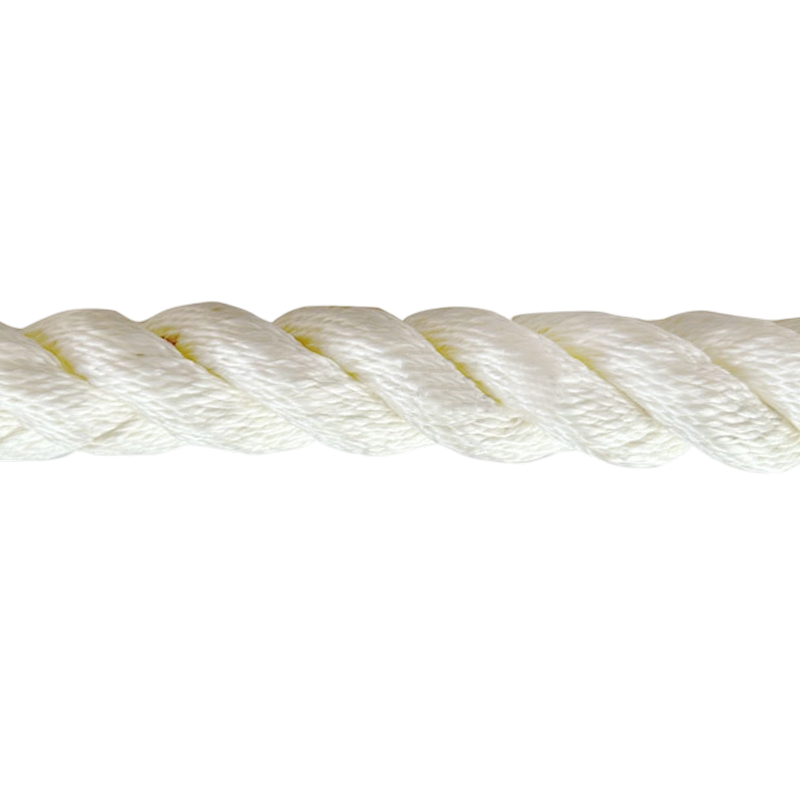
▸Twisted (3-Strand): Traditional, cost-effective, offers good grip and natural stretch. Common for general use.
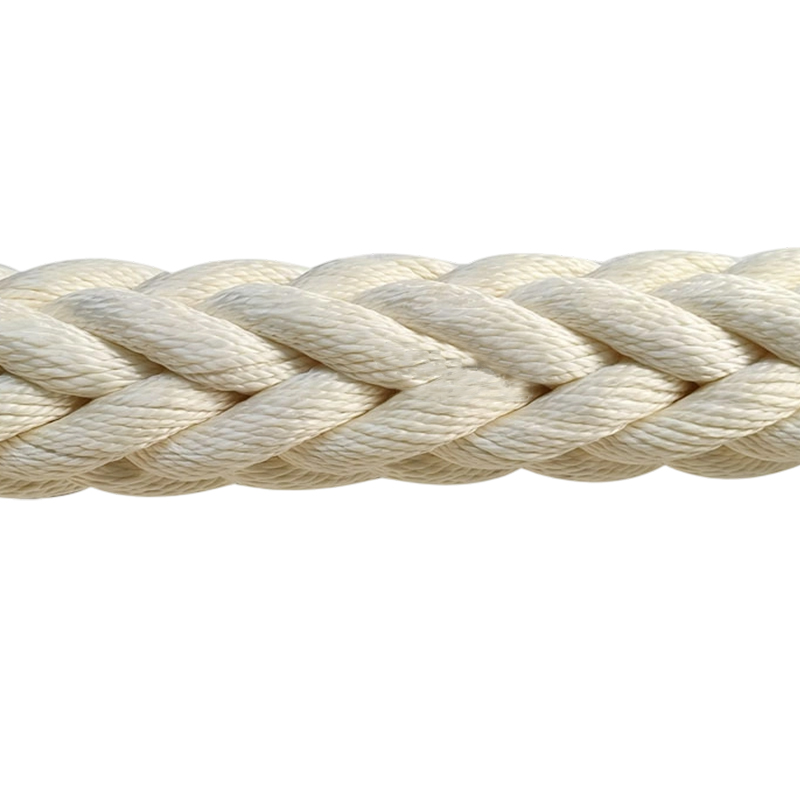
▸Braided: Smoother, denser, often stronger for the diameter than twisted. Includes:
▸Double Braid (Braid-on-Braid): A braided core inside a braided cover. Balances strength, handling, and durability. Very common for mooring.
▸Single Braid (Solid Braid): Very flexible and smooth, but can be harder to splice.
▸High-Performance Constructions: Complex braids or parallel yarn constructions (like for Dyneema/Spectra) maximizing strength and minimizing stretch.
●Key Components & Features:
▸Eyes/Splices: Permanent loops (eyes) are expertly spliced or mechanically fitted (thimbles) onto the rope ends. These eyes hook onto cleats, bollards, or rings on the dock and vessel.
▸Chafe Protection: Often reinforced with leather, PVC hose, or specialized sleeves at points where the rope rubs against sharp edges (chocks, gunwales) to prevent wear.
▸Length & Diameter: Sized appropriately for the vessel's size, weight, and typical mooring conditions. Larger/heavier vessels or exposed locations require thicker, stronger lines.
●Deployment & Configuration:
▸Rarely used alone. Vessels typically use multiple ropes arranged in specific directions (lines) to control movement: Bow, Stern, Spring (forward and aft), and Breast lines.
▸Proper tensioning and arrangement of these lines work together to keep the vessel securely positioned and prevent it from surging forward/backward or moving side-to-side.
●Differentiation from Anchoring:
▸While both involve securing a vessel, mooring typically implies attachment to a fixed structure (dock) or a permanent mooring anchor system (buoy). Anchoring usually involves deploying the vessel's own anchor(s) directly into the seabed.
●Importance of Maintenance & Inspection:
▸Mooring ropes are safety-critical. They require regular inspection for signs of wear, abrasion, UV damage, cuts, stiffness, or weakening.
Damaged or aged ropes must be replaced promptly to avoid failure, which could lead to the vessel breaking free, causing damage or drifting hazards.
Related Products
-
 View More
3-Strand Polypropylene Mono-filament Mooring Rope / Line
-
 View More
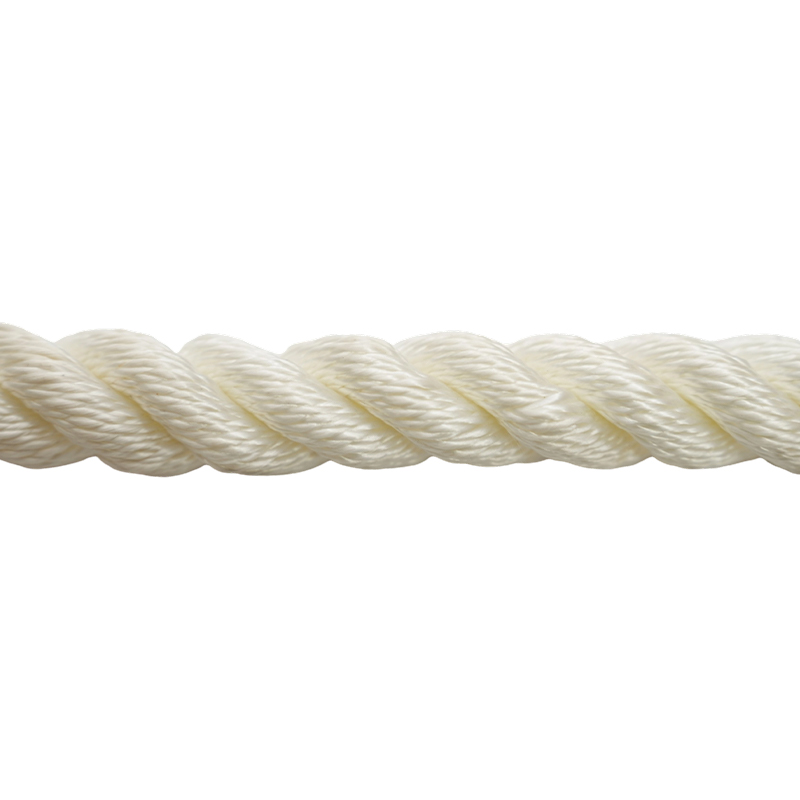
3-Strand Polypropylene Multi-Filament Hawser Mooring Rope / Line
-
 View More
8-Strand Polypropylene Mono-filament Hawser Mooring Rope / Line
-
 View More
8-Strand Polypropylene Multi-filament Mooring Rope / Line
-
 View More
12-Strand Polypropylene Multi-filament Hawser Mooring Rope / Line
-
 View More
Polypropylene Multi-filament Double Braided Hawser Mooring Rope / Line
-
 View More
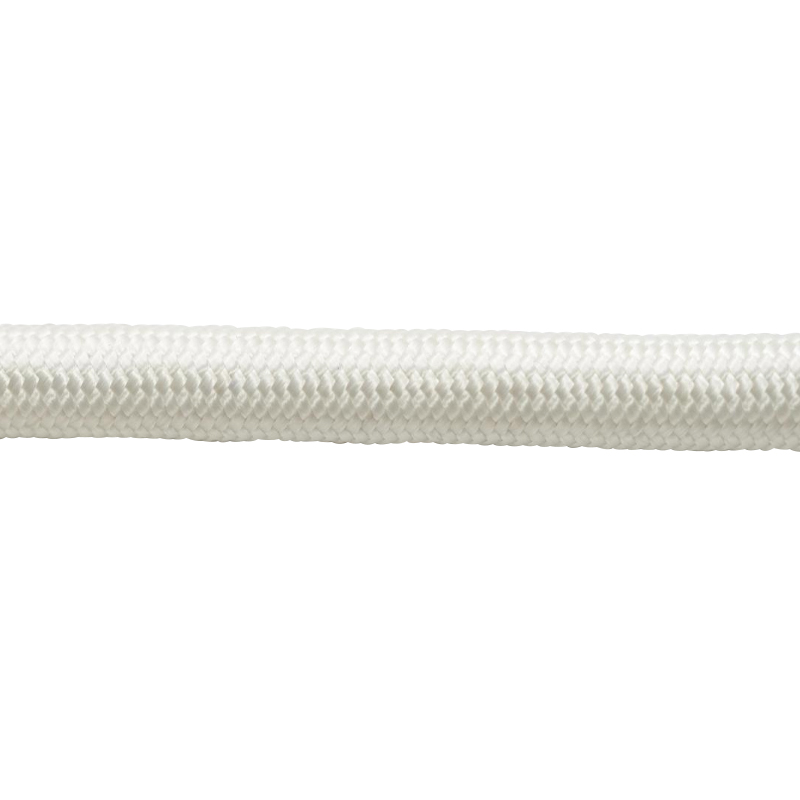
Polypropylene Multi-filament Reduced Recoil Mooring Rope / Line
-
 View More
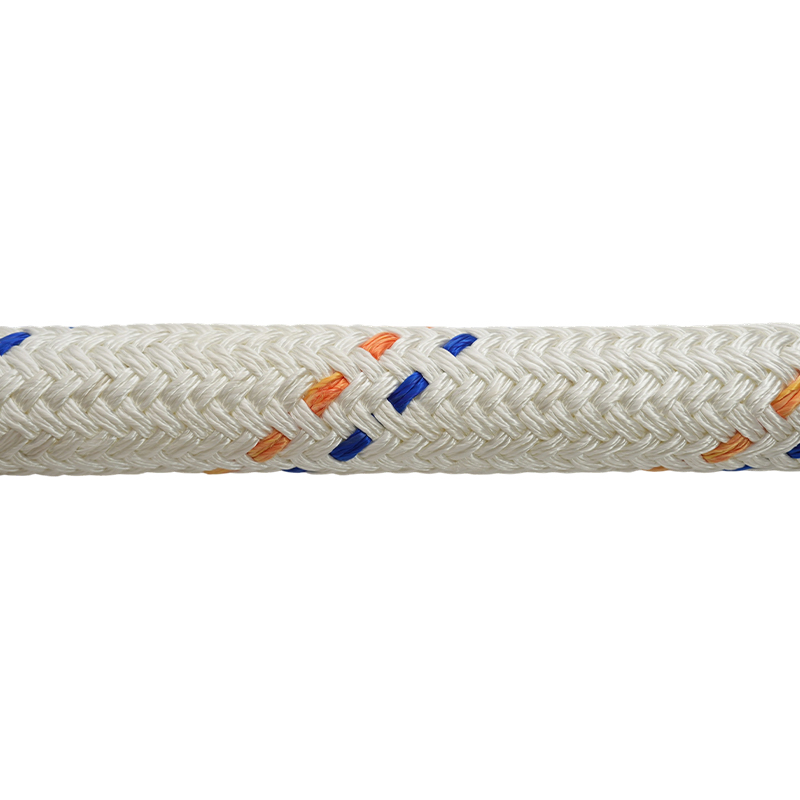
Polypropylene Multi-filament Mooring Tail
-
 View More
3-Strand Polyester Mooring Rope / Line
-
 View More
8-Strand Polyester Hawser Mooring Rope / Line
-
 View More
12-Strand Polyester Mooring Rope / Line,Hawser
-
 View More
Polyester Double Braided Hawser Mooring Rope / Line