


 English
 Español
 عربى
عربى
What is the purpose of a mooring rope?
Content
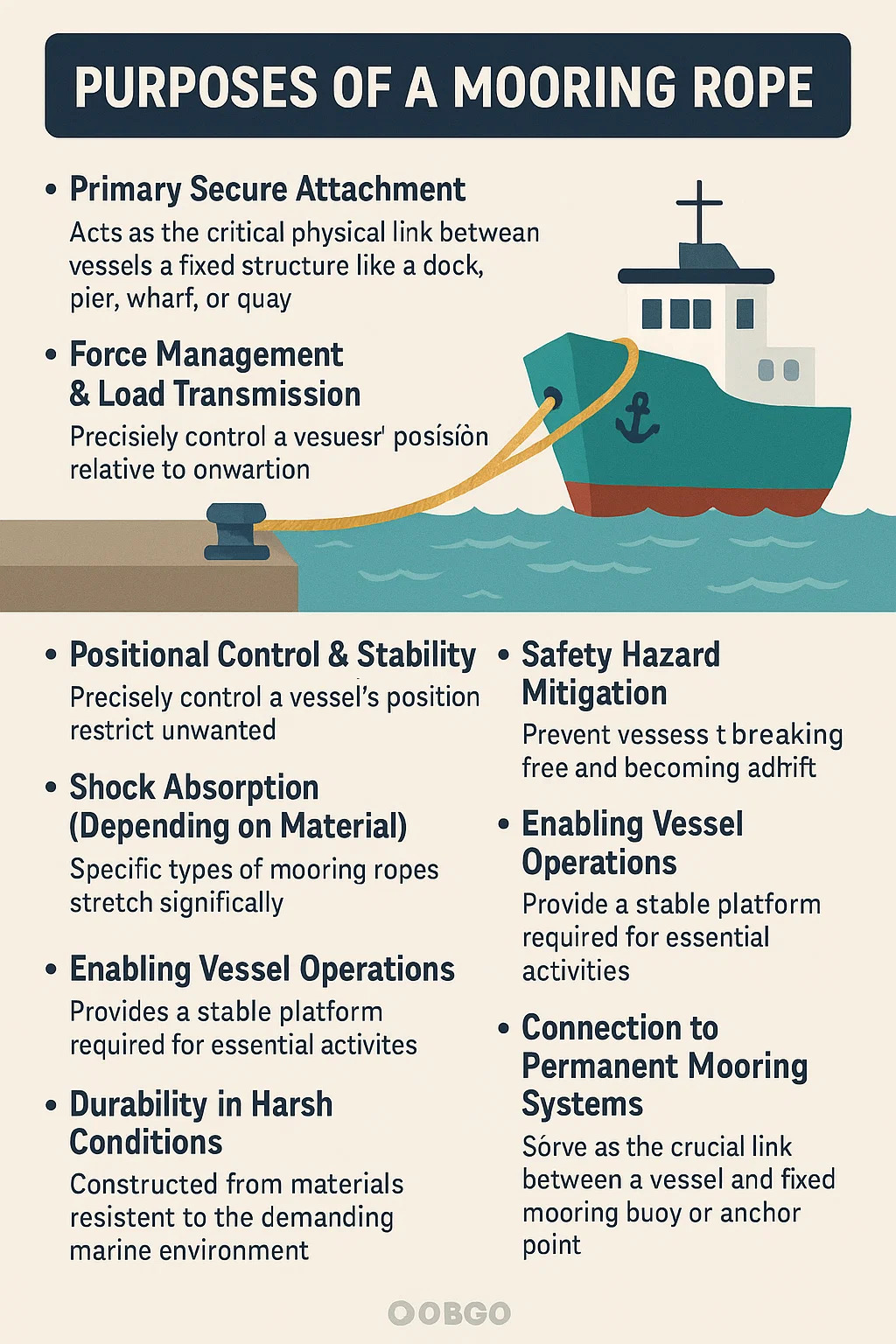
Here's a breakdown of the core purposes of a mooring rope:
■Primary Secure Attachment:
Acts as the critical physical link between a vessel (boat, ship, barge) and a fixed structure like a dock, pier, wharf, or quay.
Prevents the vessel from drifting away uncontrollably due to wind, currents, tides, or wave action.
Provides the fundamental connection point necessary for stationary operation at shore facilities.
■Force Management & Load Transmission:
Absorbs and transmits the significant forces exerted on the vessel by environmental conditions (strong winds, water currents, wave impact, tidal movement).
Channels these dynamic loads safely away from the vessel and onto the stronger, fixed mooring points (dock cleats, bollards, anchors).
Prevents these forces from causing uncontrolled movement or structural strain on the vessel itself.
■Positional Control & Stability:
Used in multiple configurations (bow line, stern line, spring lines, breast lines) to precisely control the vessel's position relative to the dock.
Restricts unwanted movement: forward/aft surge, side-to-side sway, and rotational yaw.
Maintains a safe and optimal distance between the vessel and the dock or adjacent vessels, preventing collisions or scraping.
■Shock Absorption (Depending on Material):
Specific types (notably nylon) stretch significantly under sudden load.
This elasticity acts like a shock absorber, cushioning the impact of sharp forces caused by unexpected wave surges, wind gusts, or the vessel's wake.
Protects the vessel's deck fittings (cleats, bitts) and the mooring points on the dock from sudden, damaging jolts.
■Safety Hazard Mitigation:
Prevents the catastrophic consequence of the vessel breaking free and becoming adrift, which poses a major hazard to itself, other vessels, people, and infrastructure.
Floating variants (like polypropylene) prevent the rope from sinking underwater where it could entangle propellers or rudders, posing a serious safety risk.
Provides predictable handling points for crew during docking/undocking operations.
■Enabling Vessel Operations:
Provides the stable platform required for essential activities like safe loading and unloading of cargo or passengers, refueling, maintenance, and crew access.
Allows the vessel to remain securely in a desired location for extended periods.
■Connection to Permanent Mooring Systems:
Serves as the crucial link between a vessel and a fixed mooring buoy or anchor point (ground chain, sinker).
Often acts as the visible, accessible pennant line floating on the water's surface, connecting the buoy to the vessel's deck.
■Durability in Harsh Conditions:
Constructed from materials inherently resistant to the degrading effects of continuous saltwater immersion, prolonged UV sunlight exposure, temperature fluctuations, and abrasion against docks and fittings.
Provides reliable, long-term service in the demanding marine environment.
Related Products
-
 View More
3-Strand Polypropylene Mono-filament Mooring Rope / Line
-
 View More
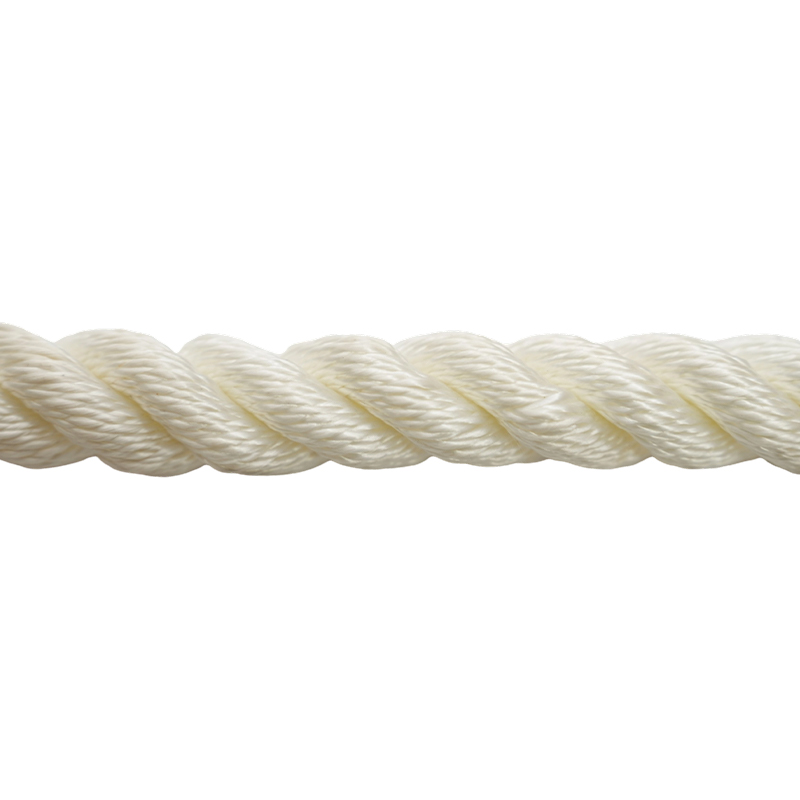
3-Strand Polypropylene Multi-Filament Hawser Mooring Rope / Line
-
 View More
8-Strand Polypropylene Mono-filament Hawser Mooring Rope / Line
-
 View More
8-Strand Polypropylene Multi-filament Mooring Rope / Line
-
 View More
12-Strand Polypropylene Multi-filament Hawser Mooring Rope / Line
-
 View More
Polypropylene Multi-filament Double Braided Hawser Mooring Rope / Line
-
 View More
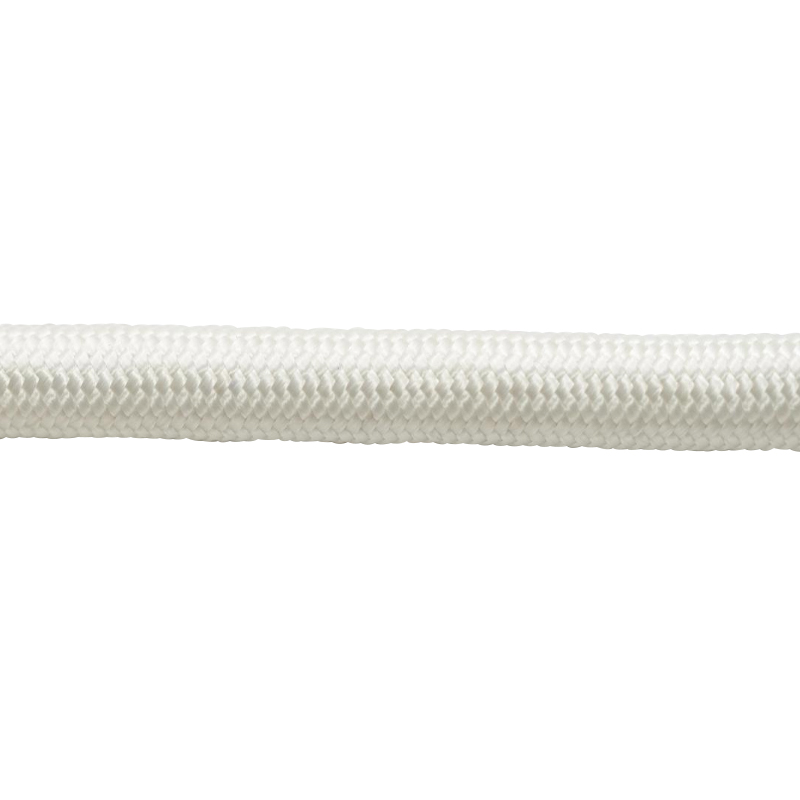
Polypropylene Multi-filament Reduced Recoil Mooring Rope / Line
-
 View More
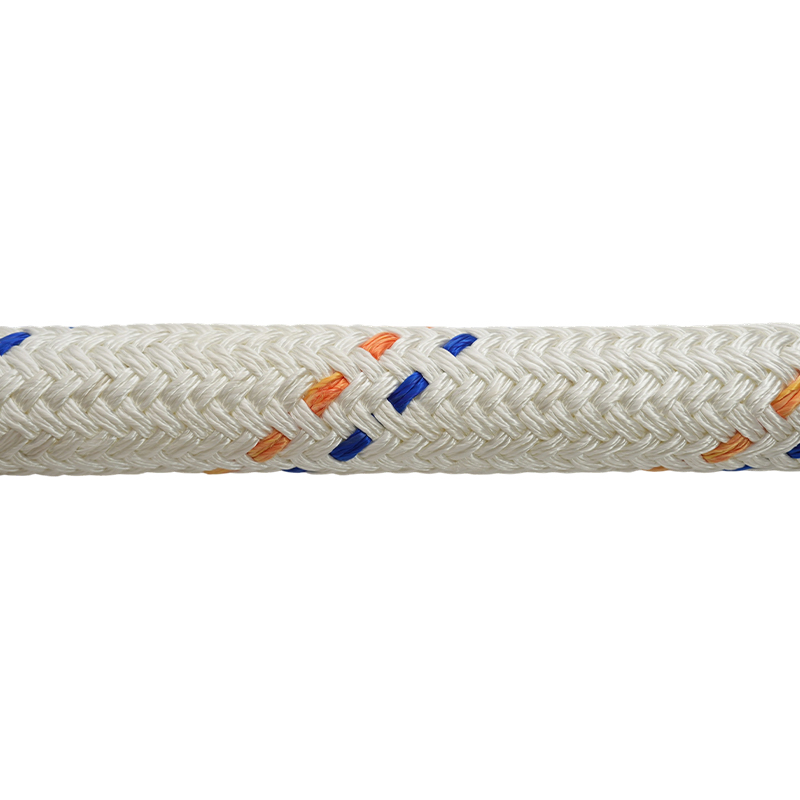
Polypropylene Multi-filament Mooring Tail
-
 View More
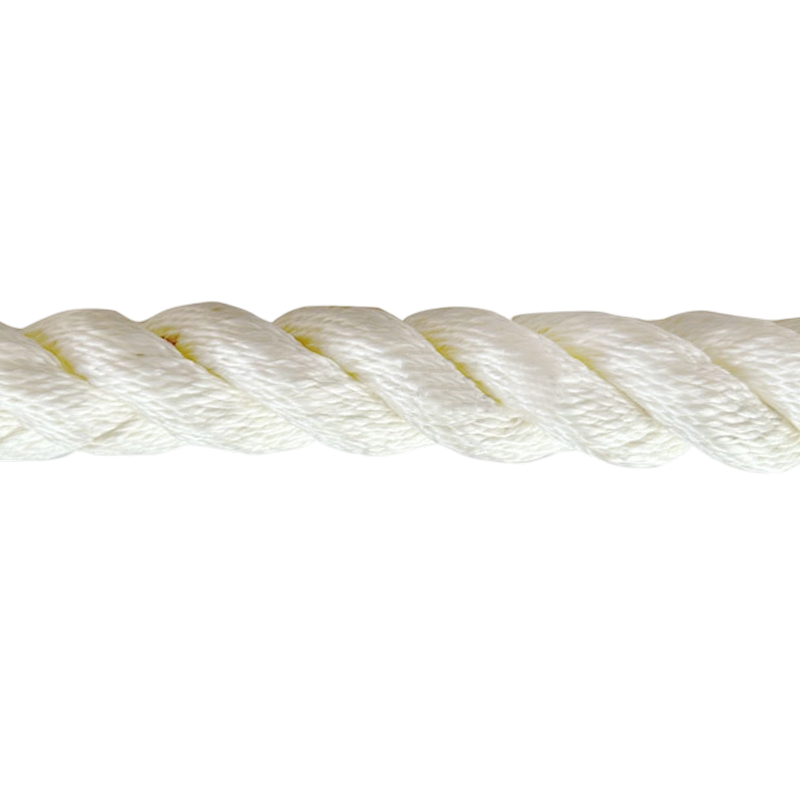
3-Strand Polyester Mooring Rope / Line
-
 View More
8-Strand Polyester Hawser Mooring Rope / Line
-
 View More
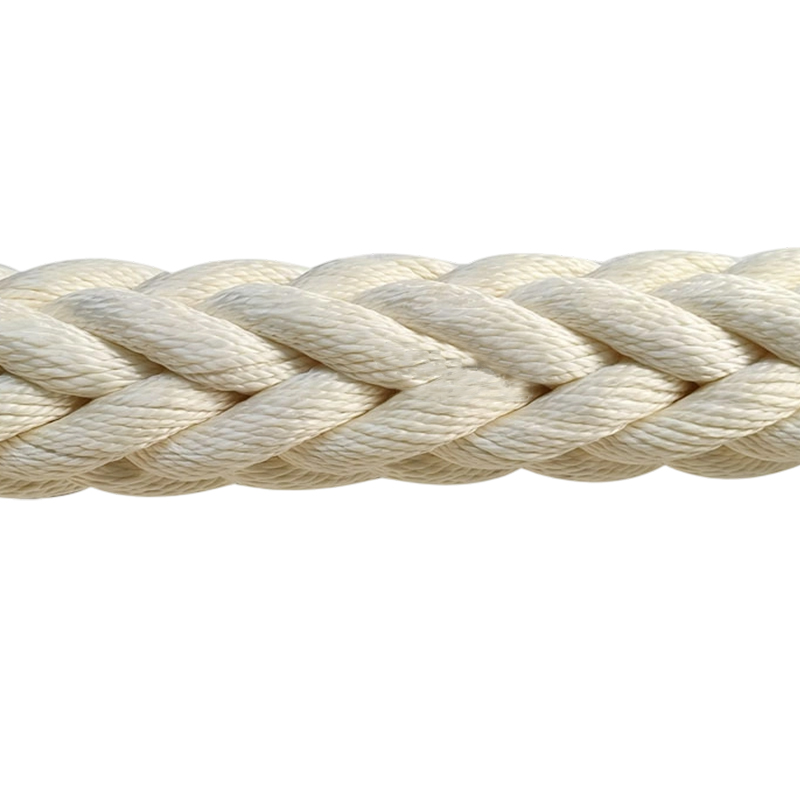
12-Strand Polyester Mooring Rope / Line,Hawser
-
 View More
Polyester Double Braided Hawser Mooring Rope / Line