


 English
 Español
 عربى
عربى
Where Is the Ideal Place to Store a Mooring Rope?
Content
- 1 Why Storage Location Matters More Than Most Boaters Realize
- 2 The Best Storage Locations for Mooring Ropes on Any Vessel
- 3 Comparing Storage Options: A Practical Overview
- 4 How to Properly Prepare a Mooring Rope Before Storage
- 5 Storage Solutions by Boat Type and Size
- 6 Common Mistakes That Ruin Mooring Ropes Faster Than Anything Else
- 7 Organising Multiple Mooring Lines Efficiently
- 8 When to Replace a Mooring Rope: Storage Helps, But Nothing Lasts Forever
- 9 Dock Line Storage at the Marina: What Happens When You Leave the Boat
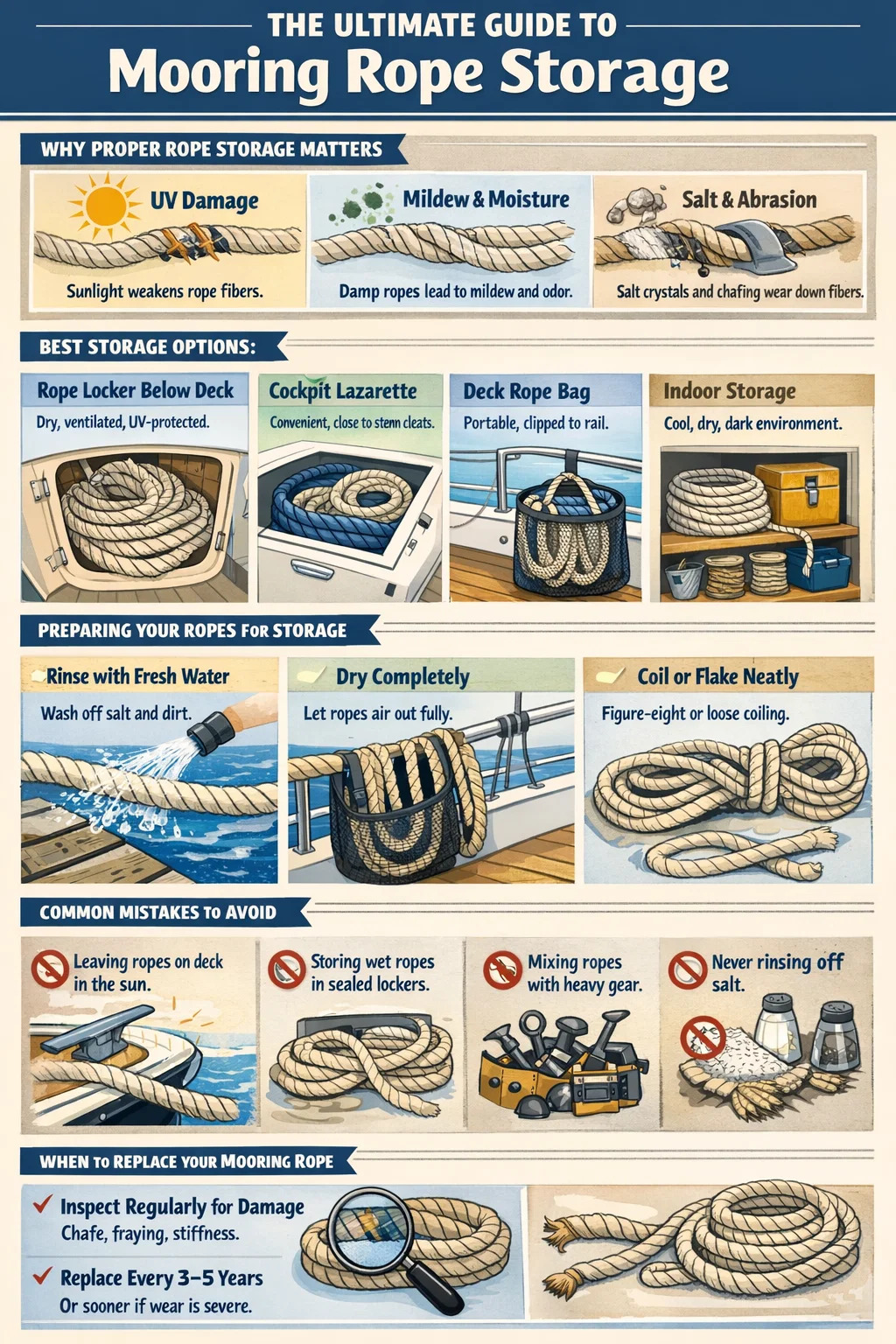
The ideal place to store a mooring rope is in a dry, ventilated, UV-protected compartment — either a dedicated rope locker below deck, a sealed cockpit storage box, or a purpose-built deck bag. Keeping mooring lines away from direct sunlight, standing water, and chemical exposure is the single most important factor in extending their service life. A quality nylon mooring rope left coiled on an open deck can degrade significantly within a single season, while the same rope stored correctly can last five to ten years.
Whether you're managing dock lines on a coastal cruiser, a canal narrowboat, or a harbor tender, where and how you store your mooring ropes has a direct impact on safety, boat tidiness, and long-term costs. Below is a thorough breakdown of every storage option, the reasoning behind each recommendation, and the mistakes that shorten rope life faster than anything else.
Why Storage Location Matters More Than Most Boaters Realize
Mooring ropes take more abuse than almost any other piece of deck equipment. They are soaked in salt water, dragged across rough dock edges, compressed under cleats, and baked in summer sun — sometimes all in the same afternoon. The material breakdown that results from poor storage is not cosmetic. A rope that looks slightly faded on the outside may have lost 30 to 50 percent of its tensile strength due to UV degradation alone.
Nylon, which is the dominant material in mooring lines because of its excellent elasticity and shock-absorption, is particularly vulnerable to prolonged UV exposure. Polyester fares better under sunlight but is not immune. Polypropylene mooring ropes, which float and are used in some specific applications, are the weakest in terms of UV resistance and will begin to degrade visibly within a season if left exposed on deck.
Beyond UV damage, moisture trapped inside a tightly coiled rope creates conditions for mildew, which weakens natural fibers and produces a persistent smell even in synthetic lines. Salt crystal buildup inside the braid acts like an abrasive, sawing through individual fibers with every movement. Proper storage addresses all three of these mechanisms — light, moisture, and abrasion — simultaneously.
The Best Storage Locations for Mooring Ropes on Any Vessel
Dedicated Rope Lockers Below Deck
For most cruising sailboats and motorboats over about 25 feet, the best possible storage location is a below-deck rope locker. These are typically found in the bow, under the foredeck, and are designed specifically to hold anchor rodes, dock lines, and mooring warps. A well-designed rope locker has drainage holes or a slatted floor to prevent water pooling, sufficient ventilation to allow damp ropes to dry naturally, and enough volume to hold lines without compressing them into a tight, airless mass.
The advantage of a bow locker is proximity to where mooring lines are most often deployed — the bow cleat and the foredeck. This shortens the time between retrieving a line and getting it on a cleat, which matters when you are single-handed or docking in a cross-wind. A typical mooring line of 10 to 15 meters (roughly 30 to 50 feet) can be flaked or coiled and dropped into the locker in seconds once you develop the habit.
If your locker does not have drainage, drilling a 20mm drain hole at the lowest point costs almost nothing and prevents the standing water that destroys rope over a winter lay-up. Consider lining the interior with non-slip matting to prevent the rope from abrading against rough gelcoat or metal edges.
Cockpit Lazarette and Stern Storage Boxes
Stern lines and spring lines are more logically stored in the cockpit area, close to the stern cleats where they are deployed. The lazarette — the lockable storage compartment under the cockpit — is an excellent location for these lines. Like the bow locker, it protects against UV and keeps the deck clear, but it tends to be deeper and less ventilated than a forward locker, so ropes should be thoroughly dried before being stored there for extended periods.
Cockpit seat lockers serve a similar function and are often more accessible during a busy docking maneuver. The key is consistency: always returning mooring lines to the same location means you can lay hands on them quickly under pressure, and you will immediately notice if a line is missing or has not been retrieved from the dock.
Deck Bags and Rope Bags
Deck bags designed for rope storage are a practical solution on smaller boats or when below-deck storage is already full. A good quality rope bag is made from UV-stabilized mesh or canvas, allows airflow to dry wet lines, and can be clipped to a rail or tucked into a cockpit corner. Some bags are designed with a centre drawstring so that a line can be fed directly from the bag without fully removing it, which is useful when deploying a mooring line quickly.
Mesh construction is preferable to solid canvas for in-use storage because it allows saltwater to drain and wind to circulate. However, mesh bags left on deck permanently are still exposed to UV, so they should be considered a working-day solution rather than a long-term storage answer. For winter lay-up or extended periods away from the boat, ropes in deck bags should be transferred inside.
Interior Cabin Storage for Seasonal or Long-Term Lay-Up
When a boat is being laid up for winter or will not be used for several weeks, mooring ropes should be brought inside if at all possible. Rinsed in fresh water, allowed to dry completely, coiled neatly, and stored in a cool, dark indoor location — a garage shelf, a dry locker aboard, or a dedicated equipment bag — a nylon mooring line will retain close to its original strength for many years. This is exactly how commercial operators, marina hire fleets, and competitive sailors manage their dock lines, and the results in terms of longevity are significant.
Hanging a coiled rope on a peg or hook, rather than laying it flat on a surface, promotes airflow around the entire coil and prevents the slight compression that can form flat spots or kinks in laid rope. For braided mooring lines, a figure-eight coil hung from a cleat is a classic method that prevents twists from building up inside the braid.
Comparing Storage Options: A Practical Overview
| Storage Location | UV Protection | Ventilation | Accessibility | Best For |
|---|---|---|---|---|
| Below-deck rope locker | Excellent | Good (if drained) | Good | Bow and stern lines, regular use |
| Cockpit lazarette | Excellent | Moderate | Very good | Spring lines, stern warps |
| Mesh deck bag | Poor | Excellent | Excellent | Day sailing, small boats |
| Indoor/cabin storage | Excellent | Good | Low | Winter lay-up, long-term storage |
| Open deck coil | None | Good | Excellent | Not recommended for storage |
How to Properly Prepare a Mooring Rope Before Storage
Storing a rope correctly is as important as choosing the right location. A mooring line that goes into storage wet and salt-encrusted will emerge in worse condition than one that was prepared properly, regardless of where it was kept.
Rinse with Fresh Water
Salt crystals are abrasive and hygroscopic — they attract moisture from the air and keep the rope in a permanently damp state even when conditions seem dry. Rinsing a mooring rope with fresh water after every use in saltwater is the single most effective maintenance action you can take. It takes about two minutes and can double the effective life of an average mooring line. Use a deck hose or a bucket, work the water through the braid by hand, and pay particular attention to the spliced eyes at each end where salt tends to concentrate.
Allow to Dry Thoroughly
A mooring rope should be completely dry before going into any enclosed storage space. Damp ropes in sealed lockers develop mildew within days in warm weather. Hang the rope loosely on a rail, a washing line, or over a fender in a shaded, breezy spot. Depending on the diameter and construction, a typical 14mm nylon mooring line will dry completely in two to four hours on a warm day with light wind.
Avoid drying ropes in direct, intense sunlight even though this speeds the process — the UV exposure during drying adds up over time, especially if you are doing this daily through a summer season. Shade-drying is always preferable.
Coil or Flake Correctly
A mooring rope that is bundled randomly into a locker develops kinks, tangles, and memory that can make it difficult to deploy quickly. For braided mooring lines, the figure-eight coil prevents twist from accumulating in the braid. For three-strand laid rope, always coil clockwise (with the lay of the rope) to avoid backing out the twist. A 15-meter mooring line coiled in large, loose loops — approximately 60cm in diameter — takes up more space than a tight bundle but is far faster to flake out on a dock.
Some boaters use a simple slip-knot or a single half-hitch around the coil to keep it from unraveling in the locker. Avoid rubber bands or cable ties, which create hard pressure points that can distort the braid over time.
Inspect Before Storing
The moment of storing a rope is the best moment to inspect it, because the rope is in your hands and the light is often better than when you are rushed at a dock. Run the line through your hands and look for:
- Glazed or stiff sections, which indicate heat damage from running over a cleat under load
- Chafe marks where the cover braid is worn through, exposing the core
- Discoloration or brittleness in the spliced eyes, where UV damage concentrates
- Flat spots or hard lumps within the braid that suggest internal fiber damage
- Any section where the rope has reduced in diameter compared to the rest, indicating core damage
A rope showing significant chafe or core damage should be retired from mooring duties immediately. Using a compromised mooring line is a safety risk — a 10-meter nylon mooring line under load stores significant energy and a sudden failure can cause serious injury.
Storage Solutions by Boat Type and Size
The ideal storage solution is not the same for every vessel. The size of the boat, the type of mooring used, and the frequency of use all affect what works best in practice.
Small Dinghies and Dayboats (Under 20 feet)
Small open boats rarely have enclosed storage. The realistic options are a deck bag clipped to the bow or stern fitting, or removing the mooring rope from the boat entirely after each session. Taking the rope ashore and storing it in a dry garage or shed is the best option for a boat that is trailered or left on a beach. A simple canvas bag or a waterproof rope bag kept in the car or tow vehicle keeps the rope clean, dry, and ready. For a boat kept on a swinging mooring, the mooring rope is typically left in place, but any spare dock lines should be taken home or kept in a small locker at the dinghy park.
Cruising Sailboats (20 to 45 feet)
This is the category where below-deck rope lockers really earn their value. A typical cruising sailboat of 35 feet might carry four to six mooring lines of varying lengths — a pair of bow lines, a pair of stern lines, two spring lines, and possibly a long warp for Mediterranean-style mooring or tying off to a quay. That is potentially 80 to 100 meters of rope, which takes up real volume. Dedicated rope lockers, supplemented by cockpit seat boxes, are usually the only way to manage this inventory without cluttering the side decks.
Some cruisers install rope net hammocks in the bow cabin for carrying spare lines on passages, where access is not needed but secure storage is. This keeps heavy rope out of the bilge and spreads the weight in a stable location.
Motorboats and Sports Cruisers
Motorboats tend to have generous cockpit storage but less purpose-built rope space than sailing yachts. Anchor lockers in the bow often double as rope storage, and many sports cruisers have large stern platforms with storage boxes underneath. The challenge on some motorboats is that the bow locker is also where the windlass lives, and wet anchor chain takes up most of the space. In this case, mooring ropes are better stored in side pockets built into the cockpit coaming, in a dedicated rope bag hooked under the helm station, or in the cabin below.
Canal Boats and River Cruisers
On narrowboats and river cruisers, mooring ropes are used constantly — sometimes multiple times a day at locks and mooring rings. The convention on many canal boats is to keep ropes coiled on the roof or in a rope bag at the bow and stern, ready to throw to a lock keeper or loop over a bollard. Because these boats operate in fresh water, UV protection is the primary concern rather than salt. A simple rope bag clipped to the bow rail or stern railing is functional and accepted practice, though any ropes not in immediate use should be stored in a locker or taken inside to prevent UV degradation during extended summer mooring.
Common Mistakes That Ruin Mooring Ropes Faster Than Anything Else
- Leaving ropes permanently on deck in the sun. This is the most widespread and damaging habit. Even a high-quality nylon mooring rope will lose measurable breaking strength after a full summer of continuous UV exposure. If the rope lives on the foredeck from May to September, replace it at the end of the season regardless of visual appearance.
- Storing wet ropes in sealed lockers. Mildew smell is annoying; structural weakening of the fiber is dangerous. Always dry before storing, particularly at the start of a lay-up period when the locker may not be opened for months.
- Mixing mooring ropes with sharp or heavy equipment. Rope stored in a locker alongside anchors, shackles, winch handles, and tools is subject to constant abrasion from every movement of the boat. Use a separate bag or partition mooring lines from hardware.
- Never washing the rope. Particularly relevant for boats used in tidal harbors or marinas, where the mooring rope sits in fuel-contaminated water. Hydrocarbon contamination weakens synthetic fibers and causes the braid to stiffen and become unworkable. A fresh water rinse costs nothing.
- Ignoring the ends. The eyes or knots at the ends of a mooring rope are the highest-wear points. If the eye of a spliced mooring line shows fraying, stiffness, or discoloration while the body of the rope still looks good, the rope is not safe to use at full load. The end is where it will fail first.
- Storing with chemical contamination. Mooring lines stored near fuel cans, engine oil, bilge cleaner, or antifouling paint absorb chemical residue that degrades the fiber. Keep rope storage areas clean and away from chemical sources.
Organising Multiple Mooring Lines Efficiently
A well-organised mooring rope inventory saves time and prevents the chaos of pulling out every line to find the one you need. Some practical systems used by experienced boaters include:
- Colour coding: Mark different lines with coloured whipping twine, tape, or heat-shrink at the ends. Red for bow lines, blue for stern lines, yellow for springs — whatever system works for you. Many manufactured mooring lines now come in solid colours precisely for this purpose.
- Length labelling: Write the length in permanent marker on a piece of tape wrapped around the rope near one eye. Grabbing the wrong length line at a dock wastes time and can cause safety issues if the line is too short.
- Individual bags per line: Small mesh bags with a label for each mooring rope keep them separated, identifiable, and easy to grab individually without disturbing the rest.
- Hanging rail hooks in the locker: Installing a row of small stainless hooks along the side of a rope locker or below-deck passage allows coiled lines to hang freely, which improves airflow and makes each rope easy to see and reach individually.
A standard cruising boat might carry the following minimum inventory of mooring ropes and warps: two bow lines of 8 to 10 meters, two stern lines of 8 to 10 meters, two springs of 12 to 15 meters, and a long warp of 25 to 30 meters for tying to shore or anchoring in a confined space. That is seven lines of varying lengths — organisation is not optional if you want to find what you need in a hurry.
When to Replace a Mooring Rope: Storage Helps, But Nothing Lasts Forever
Even a perfectly stored mooring rope has a finite service life. Manufacturers and safety bodies generally recommend replacing mooring lines after three to five years of regular use, or sooner if inspection reveals any of the damage signs mentioned above. For boats that moor in exposed locations, tidal harbors with heavy surge, or berths where the rope runs over rough dock edges, the practical replacement interval is often closer to two to three years for the most-used lines.
A new 14mm nylon mooring line of 10 meters costs between £20 and £50 depending on brand and construction — a small amount compared to the potential cost of a boat breaking free from its mooring due to a failed line. The economics strongly favor replacing on schedule rather than waiting for a visible failure.
Retired mooring ropes do not need to be discarded immediately. A rope that is no longer trusted as a primary mooring line may still be perfectly serviceable as a fender line, a lazy line, a kedge warp used only in emergencies, or a training rope for practicing knots and splices. Marking it clearly as a secondary or emergency line and storing it separately from primary mooring ropes prevents it from being grabbed by mistake.
Dock Line Storage at the Marina: What Happens When You Leave the Boat
Many boaters focus only on storage aboard the vessel, but mooring ropes that are left permanently attached to dock cleats and pilings face a different set of challenges. A line left tied to a marina dock for weeks is constantly exposed to weather, saltwater, boat wake abrasion, and the sharp edges of dock hardware. This is an environment that degrades ropes very quickly regardless of material.
Where possible, use chafe protection at every contact point — where the line runs through a fairlead, over a dock cleat, around a piling, or under a dock rub rail. Chafe tubing, leather wrapping, or purpose-made chafe guards can extend the life of a mooring line by years in high-abrasion situations. A short section of garden hose split lengthwise and slipped over the rope at a piling contact point is a low-cost and very effective solution used by many experienced marina liveaboards.
If the boat is left unattended for extended periods, inspect dock lines at every visit. The chafe pattern changes as the boat moves, and a section that was protected last visit may now be bearing the full load against a rough surface. Rotating lines — moving the contact point by re-tying with the bitter end — extends life by spreading wear along a longer section of rope.
PREV:What Are the 6 Types of Mooring Ropes? A Complete Guide
NEXT:How do you protect mooring rope from wear?
NEXT:How do you protect mooring rope from wear?
Related Products
-
 View More
3-Strand Polypropylene Mono-filament Mooring Rope / Line
-
 View More
3-Strand Polypropylene Multi-Filament Hawser Mooring Rope / Line
-
 View More
8-Strand Polypropylene Mono-filament Hawser Mooring Rope / Line
-
 View More
8-Strand Polypropylene Multi-filament Mooring Rope / Line
-
 View More
12-Strand Polypropylene Multi-filament Hawser Mooring Rope / Line
-
 View More
Polypropylene Multi-filament Double Braided Hawser Mooring Rope / Line
-
 View More
Polypropylene Multi-filament Reduced Recoil Mooring Rope / Line
-
 View More
Polypropylene Multi-filament Mooring Tail
-
 View More
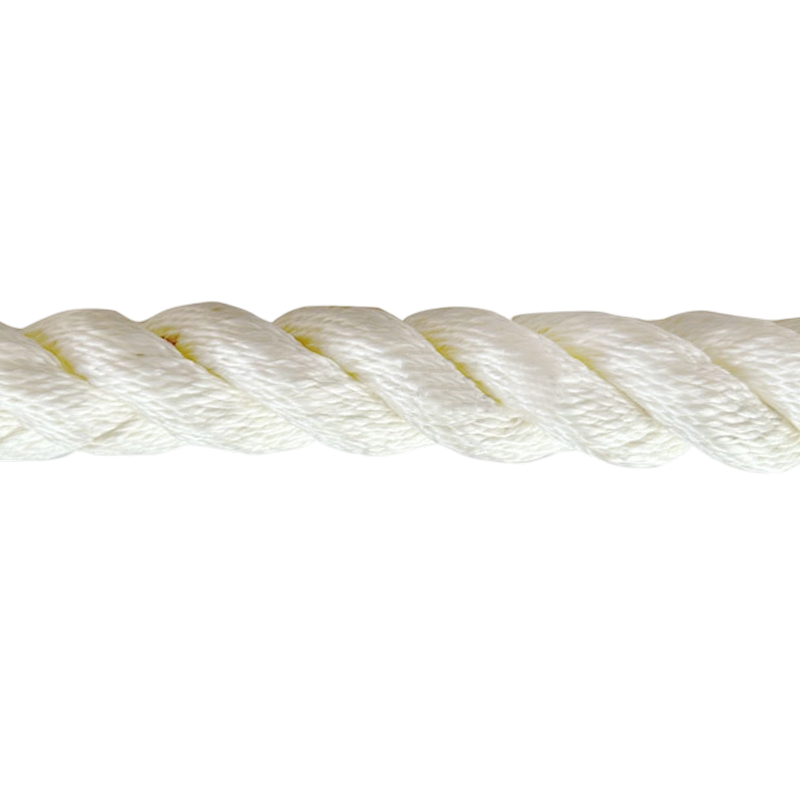
3-Strand Polyester Mooring Rope / Line
-
 View More
8-Strand Polyester Hawser Mooring Rope / Line
-
 View More
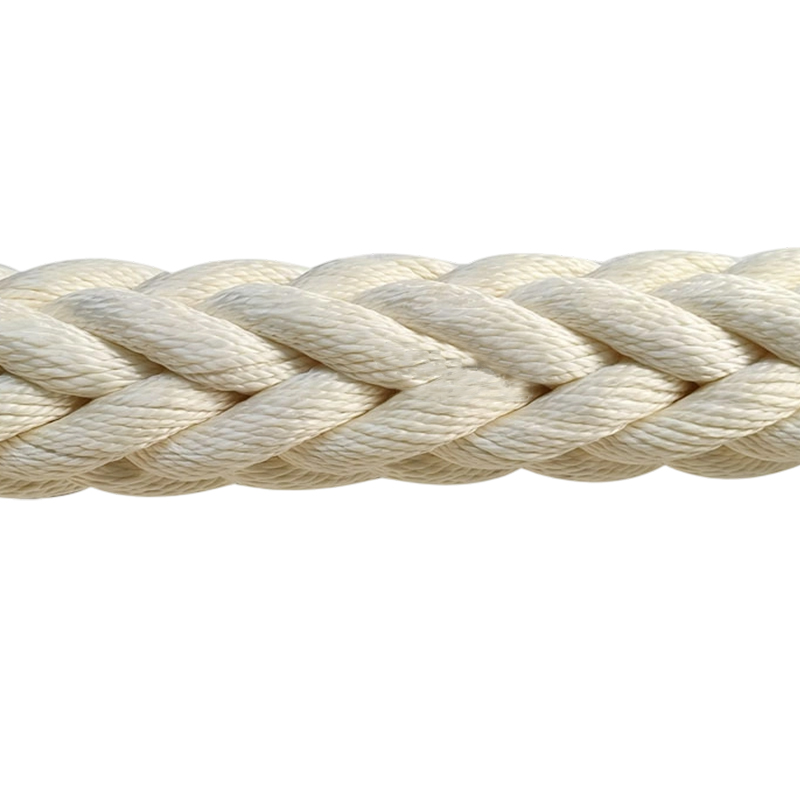
12-Strand Polyester Mooring Rope / Line,Hawser
-
 View More
Polyester Double Braided Hawser Mooring Rope / Line